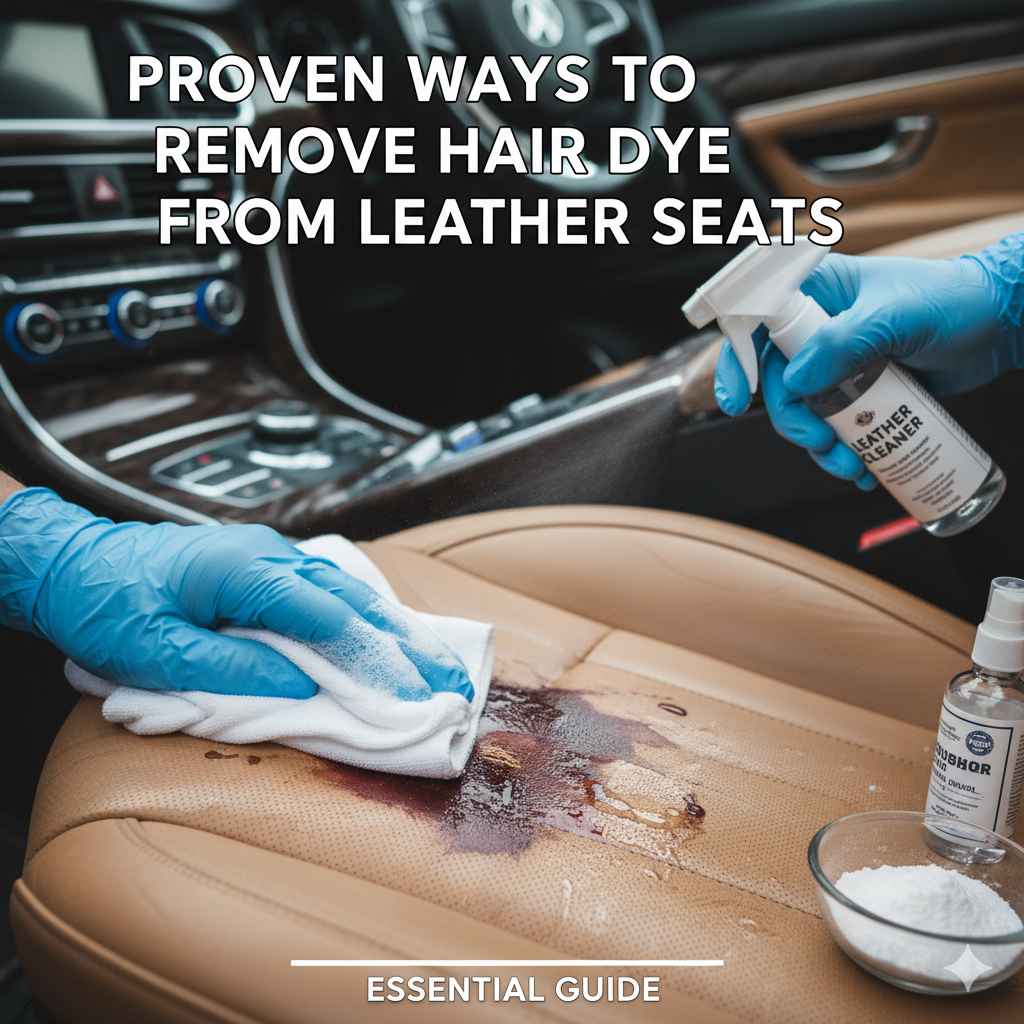
Proven Ways to Remove Hair Dye from Leather Seats
Removing hair dye from leather car seats is possible with gentle, tested methods. Start with mild solutions like soap and water, then progress to specialized leather cleaners or rubbing alcohol for tougher stains. Always test in an inconspicuous area first to avoid damage.
Oops! That moment when hair dye lands on your car’s leather seats can feel like a small disaster. We’ve all been there, right? Maybe you were touching up your hair in the car, or a rogue bottle spilled. Whatever happened, don’t panic! Getting hair dye off leather car seats doesn’t have to be a stressful ordeal. With a few simple, proven techniques, you can tackle those stubborn stains and restore your seats. Let’s walk through how to clean up this common mess safely and effectively, making your car look good as new again. We’ll show you exactly what you need and the best ways to get that dye out without harming your leather.
Understanding Leather and Hair Dye Stains
Leather is a natural material, and like any natural material, it can absorb liquids. Hair dye is designed to be vibrant and permanent, which means it has strong pigments that can sink into the porous surface of leather. The longer the dye sits, the deeper it penetrates, making it harder to remove. Different types of leather (aniline, semi-aniline, pigmented, etc.) will react differently to cleaning methods. Pigmented leather, which has a protective coating, is generally more forgiving. Aniline leather, which is more natural and absorbent, requires extra care. Knowing your leather type can help, but for most car interiors, a gentle approach is always best to start.
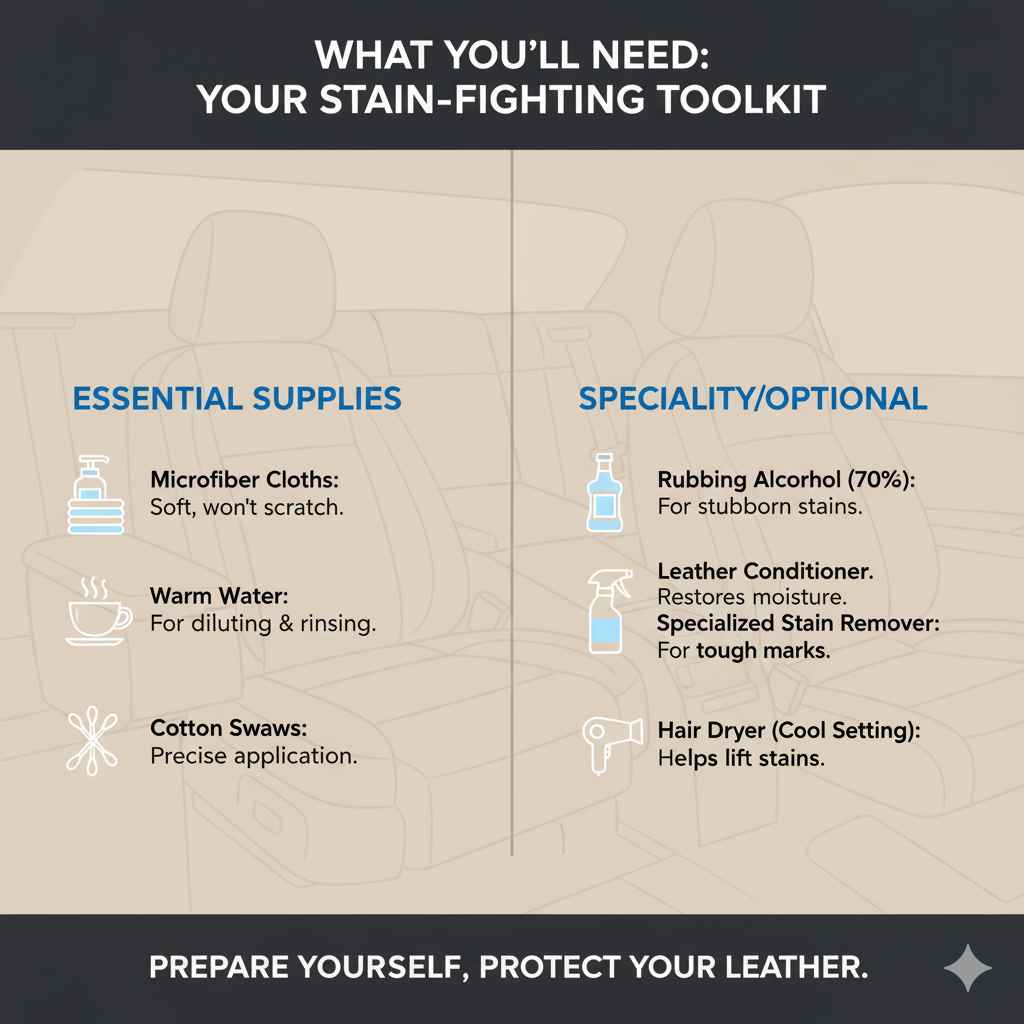
What You’ll Need: Your Stain-Fighting Toolkit
Before you grab anything, let’s gather the right tools. Using the wrong products can actually set the stain or damage your leather. Here’s a list of items that will help you tackle hair dye stains:
- Microfiber cloths: You’ll need a few clean ones. They are soft and won’t scratch the leather.
- Mild soap: Think gentle dish soap or a dedicated pH-neutral car leather cleaner.
- Warm water: For diluting cleaners and rinsing.
- Cotton swabs (Q-tips): Great for precise application of cleaning solutions.
- Rubbing alcohol (Isopropyl alcohol, 70%): A more potent option for stubborn stains, but use with caution.
- Leather conditioner: Essential for restoring moisture after cleaning.
- Optional: Specialized leather stain remover: If common methods fail, a product designed for leather might be necessary.
- Optional: Hair dryer (on cool setting): Sometimes gentle warmth can help lift stains.
Having these on hand ensures you’re prepared for different levels of staining and can proceed confidently. Remember, gentleness is key when working with your car’s interior materials.
Step-by-Step Guide: Getting Hair Dye Off Leather Car Seats
Let’s get down to business! Follow these steps carefully. The most important rule is to start with the mildest approach and only escalate if needed. Always test any cleaning solution on an unnoticeable area first—like under the seat or on a seam—to ensure it doesn’t discolor or damage your leather.
Step 1: Immediate Action – Blotting the Stain
The moment you notice the spill, act fast! Hair dye is easiest to remove when it’s fresh. The goal here is to soak up as much of the liquid dye as possible without spreading it further into the leather. Grab a clean, dry microfiber cloth and gently blot the area. Do not rub! Rubbing will push the dye deeper into the leather’s pores and spread the stain.
Keep blotted until no more dye transfers to the cloth. If the stain is still very wet, you might need several cloths.
Step 2: The Mild Soap and Water Method
This is your first line of defense for a semi-fresh or light stain.
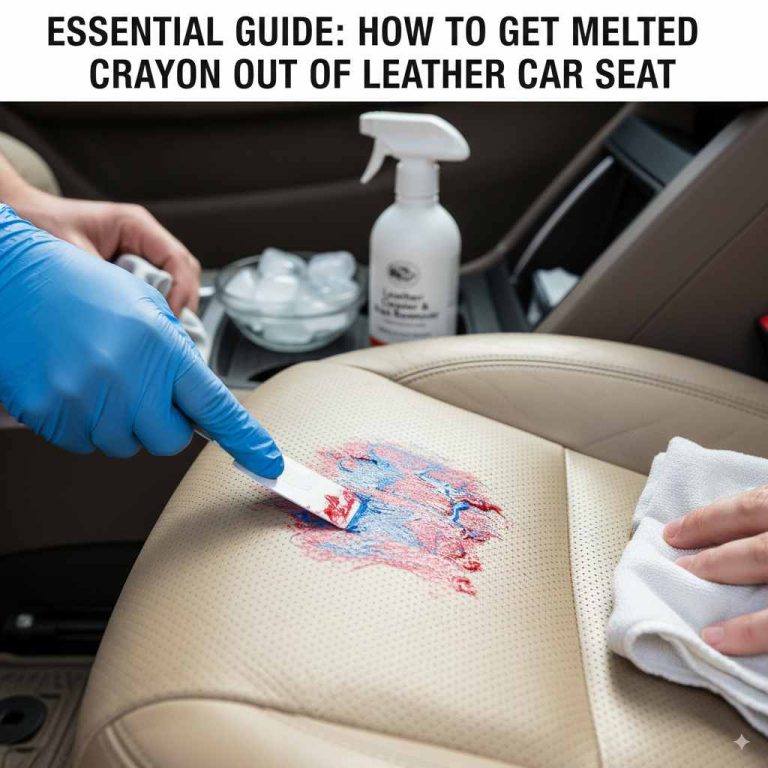
- Mix your solution: In a small bowl, combine a few drops of mild, pH-neutral soap (like gentle dish soap) with about a cup of warm water. Alternatively, use a dedicated leather cleaner following its product instructions.
- Dampen a microfiber cloth: Dip a clean microfiber cloth into the soapy water and wring it out thoroughly. You want the cloth to be damp, not wet. Excess water can damage leather.
- Gentle wiping: Gently wipe the stained area with the damp cloth. Work from the outside of the stain inward to prevent it from spreading.
- Rinse with a clean, damp cloth: After wiping with the soapy cloth, use another clean microfiber cloth dampened with plain water. Wring it out well. Gently wipe the area again to remove any soap residue.
- Dry thoroughly: Pat the area dry with a clean, dry microfiber cloth. Let it air dry completely. Avoid using heat, as it can shrink or crack the leather.
This method is safe for most leather types and often enough for minor spills. If the stain persists, don’t worry; we have other options.
Step 3: Using Cotton Swabs and Rubbing Alcohol (For Stubborn Stains)
If the soap and water method didn’t fully remove the hair dye, rubbing alcohol can be more effective. Rubbing alcohol is a solvent that can break down dye pigments. However, it can also dry out and potentially damage leather if not used carefully. Always test this method in a hidden spot first!
- Prepare the area: Ensure the leather is clean and dry from the previous step.
- Test first: Dab a tiny amount of 70% isopropyl alcohol onto a cotton swab. Gently touch it to an inconspicuous area of the leather. Wait a few minutes to see if there’s any adverse reaction (discoloration, drying, or damage). If it looks okay, proceed.
- Apply to the stain: Dip a clean cotton swab into the rubbing alcohol. Squeeze out any excess so it’s just damp, not dripping.
- Dab, don’t rub: Gently dab the stained area with the alcohol-dampened swab. Again, work from the outside of the stain inward. You should start to see the dye transferring to the swab. Switch to a clean swab frequently as it picks up dye.
- Work in small sections: Don’t saturate the leather. Work on a small section of the stain at a time.
- Cleanse and condition immediately: Once you’ve lifted as much dye as possible, immediately follow up with the mild soap and water solution (Step 2) to remove alcohol residue. Then, thoroughly dry the area and apply a good quality leather conditioner. This step is crucial to rehydrate the leather and prevent it from becoming dry and brittle.
This method requires patience and a light touch. If you see any signs of damage during testing, stop and consider a professional leather cleaner.
Step 4: Consider Specialized Leather Stain Removers
For really tough or old hair dye stains, a commercial leather stain remover might be your best bet. These products are formulated specifically for leather and can be more effective than DIY solutions. Always choose a product that is safe for your specific type of auto leather. Read and follow the manufacturer’s instructions precisely. Many of these products also recommend conditioning the leather afterward.
You can find these at automotive stores, detailing shops, or online. Look for products that explicitly state they are for removing stains from car leather.
Step 5: The Hair Dryer Trick (Use with Extreme Caution)
In some cases, mild heat can help loosen the stain. This is a technique that should be used sparingly and with great care, as too much heat can permanently damage leather.
- Set dryer to cool: If you decide to try this, set your hair dryer to the coolest setting possible.
- Keep it moving: Hold the dryer at least 12 inches away from the leather and keep it moving constantly over the stained area and surrounding non-stained areas.
- Combine with mild cleaner: You can try this while working with the mild soap and water solution or a leather cleaner. The gentle heat may help the cleaner penetrate and lift the stain.
- Don’t overheat: The goal is gentle warmth, not hot air. Excessive heat can cause the leather to shrink, crack, or become discolored.
- Follow with conditioning: As always, after attempting any cleaning, condition your leather.
This technique is generally considered a last resort before professional help. Always prioritize the leather’s integrity.
What NOT to Do When Removing Hair Dye from Leather
Just as important as knowing what to do is knowing what to avoid. Some common household items and aggressive cleaning techniques can do more harm than good:
- Harsh Chemicals: Avoid acetone (nail polish remover), bleach, window cleaner, or all-purpose cleaners not specifically designed for leather. These can strip the leather’s protective coating, dry it out, and cause permanent discoloration.
- Abrasive Scrubbers: Never use steel wool, stiff brushes, or abrasive sponges. These will scratch and damage the leather’s surface.
- Excessive Water: Soaking the leather can weaken its structure and lead to water stains or mold. Always use damp, never wet, cloths.
- Rubbing Vigorously: As mentioned, rubbing will push the stain deeper and can spread it. Always blot or gently wipe.
- Heat: Directly applying hot air or placing hot items on the leather can cause irreversible damage.
Sticking to gentle, tested methods is the surest way to successfully remove hair dye without causing further problems.
Maintaining Your Leather Seats After Cleaning
Once you’ve successfully removed the hair dye, it’s crucial to care for your leather to keep it looking and feeling its best. Cleaning, especially using solutions like rubbing alcohol, can strip away natural oils.
Reconditioning Your Leather
This is the most important step after cleaning. Apply a good quality leather conditioner. This will:
- Restore moisture lost during cleaning.
- Keep the leather supple and prevent it from cracking.
- Protect the leather from future stains and UV damage.
Apply the conditioner with a clean microfiber cloth, work it in gently, and then buff off any excess. You can find excellent leather conditioners at auto parts stores or detailing suppliers. A great resource for understanding leather care is the LeatherUSA product care guides, which offer in-depth information on maintaining various leather types.
Regular Cleaning and Protection
To prevent future headaches, make it a habit to:
- Wipe down seats regularly: Use a damp microfiber cloth to remove dust and light grime.
- Address spills immediately: Blot up any spills as soon as they happen.
- Use seat covers if experimenting: If you often do activities that might involve spills (like dyeing your hair), consider using temporary seat covers.
- Condition periodically: Apply leather conditioner every 3-6 months, depending on your climate and usage, to keep the leather healthy.
Consistent care will make your leather seats more resilient and easier to maintain.
Table: Comparing Cleaning Methods for Hair Dye on Leather
Choosing the right method depends on the stain’s age and severity:
| Method | Best For | Pros | Cons | Caution Level |
|---|---|---|---|---|
| Mild Soap & Water | Fresh or Light Stains | Gentle, readily available, low risk | May not be effective for old/set-in stains | Low |
| Rubbing Alcohol (70%) | Stubborn or Set-in Stains | Effective solvent for dyes | Can dry out leather if overused or not conditioned | Medium (Test first, condition immediately) |
| Specialized Leather Cleaner/Stain Remover | Tough Stains, unsure of leather type | Formulated for leather, often very effective | Can be costly, specific to product instructions | Medium (Follow instructions strictly) |
| Hair Dryer (Cool Setting) | Assisting other methods, very careful use | Can help loosen some stains with mild heat | High risk of heat damage if not used correctly | High (Use cautiously, never hot) |
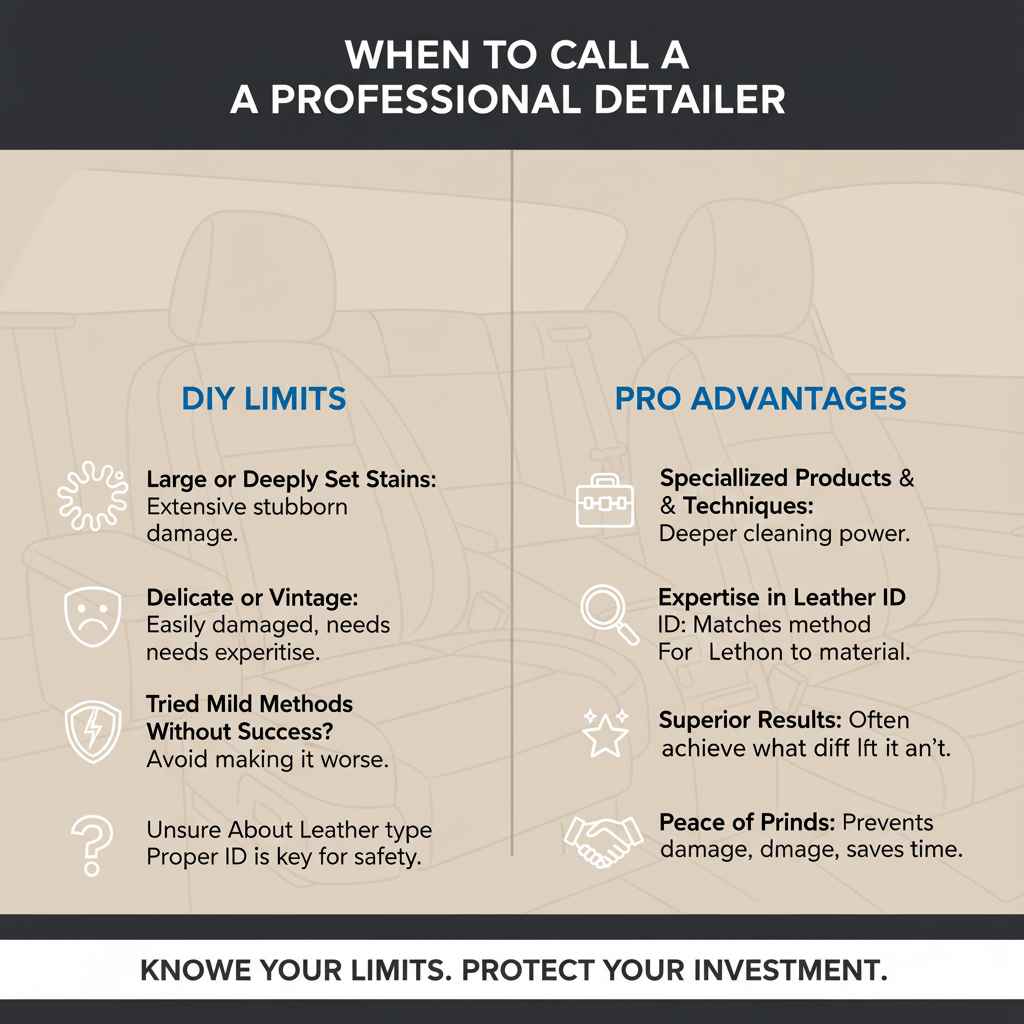
When to Call a Professional Detailer
While many hair dye stains on leather car seats can be tackled at home, there are times when it’s best to seek professional help:
- If the stain is large or deeply set: For extensive damage, professionals have access to stronger, specialized products and techniques.
- If you have delicate or vintage leather: Aniline, semi-aniline, or very old leather can be easily damaged by amateur attempts. A professional detailer has the expertise to identify leather types and use appropriate care.
- If you’ve tried mild methods without success: If you’ve tested and used gentle cleaners without seeing improvement, pushing it further might cause more harm than good.
- If you’re unsure about your leather type: Proper identification is key for safe cleaning. A professional can assess this.
A professional auto detailer can often achieve results that are difficult to replicate at home, saving you time and preventing potential damage. You can often find reputable detailers by looking for reviews or recommendations from other car enthusiasts.
Frequently Asked Questions (FAQ)
Q1: Can I use regular hair dye remover on my leather car seats?
A1: It’s generally not recommended. Most hair dye removers contain harsh chemicals that can strip the finish, dry out, and permanently discolor or damage leather. Always use products specifically designed for leather or mild, tested DIY solutions.
Q2: How do I know if I have the right type of leather for aggressive cleaning?
A2: Most modern car leather is “pigmented” or “coated,” meaning it has a protective top layer. This makes it more resistant to staining and able to withstand gentler cleaning methods. “Aniline” or “full-grain” leathers are less common in cars and are very absorbent and sensitive. If you’re unsure, err on the side of caution and use the mildest methods first. You can often find your car’s interior material specifications in the owner’s manual.
Q3: Will rubbing alcohol damage my leather seats?
A3: It can, if not used properly. Rubbing alcohol is a solvent that can strip natural oils from the leather, leading to dryness and cracking over time. Always dilute it, use it sparingly with a cotton swab, test a small area first, and always follow up immediately with a high-quality leather conditioner to restore moisture.
Q4: How long does it take to remove hair dye from leather?
A4: The time varies greatly. Fresh, light stains might lift within minutes with simple soap and water. Older, stubborn stains can take longer, requiring multiple applications of stronger solutions and patience. It could take anywhere from 15 minutes to a few hours, or even require a professional if the stain is severe.
Q5: Should I clean the whole seat or just the stained area?
A5: For most light cleaning with soap and water, it’s often best to clean the entire panel or section of the seat where the stain is located. This helps to avoid creating water spots or a noticeable difference in appearance between the cleaned and uncleaned areas. For more targeted treatments like rubbing alcohol, focus only on the stain itself, but always follow up with a conditioner on the treated area and sometimes across the entire seat to ensure uniformity.
Q6: What’s the best way to prevent hair dye stains in the future?
A6: The best prevention is to avoid dyeing your hair in the car! If you must, use old towels or seat covers to protect the leather. If dye does spill, clean it up immediately by blotting with a microfiber cloth before it has a chance to set.
Conclusion
Dealing with a hair dye spill on your leather car seats can seem daunting, but as we’ve explored, there are effective and proven methods to tackle these stubborn stains. Remember the golden rule: start gentle. A mild soap and water solution is your first step, followed by more potent options like rubbing alcohol or specialized leather cleaners if necessary. Always test in an inconspicuous spot first and, most importantly, follow up any cleaning with a good leather conditioner to keep your seats supple and protected.
By following these detailed steps and understanding what to avoid, you can confidently restore your leather seats to their former glory. Maintaining your car’s interior is a rewarding part of ownership, and with the right approach, you can keep it looking sharp for years to come. If a stain proves too difficult, don’t hesitate to call in a professional detailer. Happy cleaning, and enjoy your beautifully maintained car!