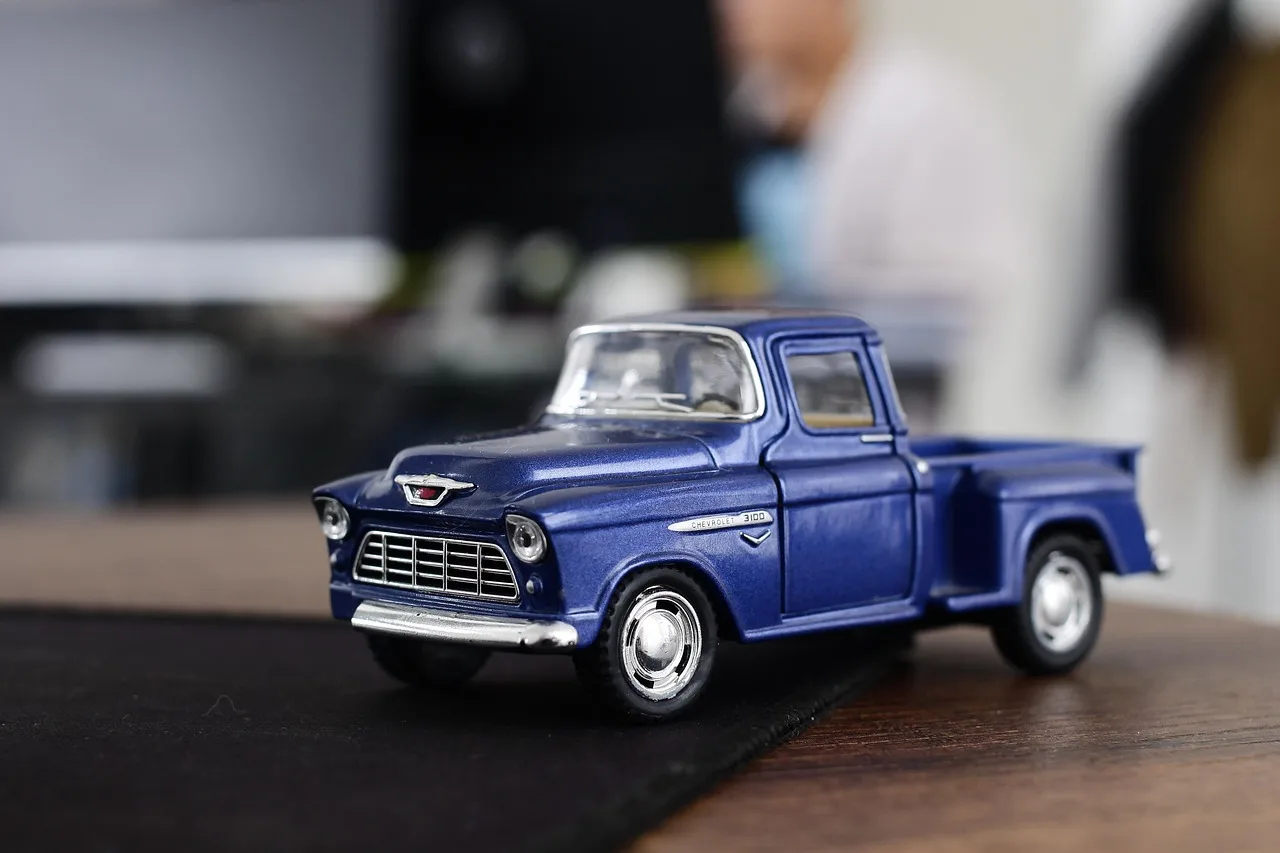
Restored Matchbox Cars for Sale: Buy or Pass?
Buy restored Matchbox cars only when the work matches the era, the seller states what changed, and the price is about 30% or more below comparable original examples. Skip those checks, and you can pay for altered parts, hidden repairs, or a car that brings less than the restoration cost. This guide covers authenticity checks, value comps, seller red flags, and the price ceiling that keeps a restored piece a buy instead of a pass.
A restored car can still make sense, but only as a calculated risk. Original examples usually bring more, especially in the Lesney-era collector window, where factory originality often carries weight. A shiny repaint is not enough. If the base, wheels, box, and disclosure do not fit the model’s era, the car belongs in the negotiate or walk-away column.
Restored Matchbox cars: buy, negotiate, or walk away

What counts as a restored car
Restoration can mean light touch-up, a repaint, or a full teardown. Repaint restoration often includes new tampo printing. Full teardown means every part is disassembled, cleaned, repainted or replated, then rebuilt. Over-restoration goes further and uses so much new material that the car no longer reflects factory state.
That difference matters because some work is cosmetic while some work changes identity. A careful repaint on a common display piece may be acceptable. New wheels, replacement base hardware, non-original decals, and fresh printing can move the car away from collector originality fast.
Why original examples usually outprice restorations
Original examples usually beat restorations in value because collectors pay for factory paint, factory flaws, and untouched parts. A near mint original can fetch 3-5 times more than a perfect restoration, and 1960s near mint originals can sell for 3-5 times a restoration. That gap is why sold comparables matter more than asking prices.
A restored 1970s Ford Cortina is a good example of weak resale in a common model. If the underlying casting is plentiful, restoration rarely closes the gap to an original. It may still look good on a shelf, but it is often a poor investment.
When a restored car still makes sense as a display buy
A restored Matchbox can make sense when you want the correct shape, era, and livery on display and do not need investment-grade originality. That is most defensible on common models with modest collector demand, especially when the seller is clear about what was replaced and the price stays well below comparable originals.
Suppose a common 1–75 Series truck is missing paint chips, has a clean baseplate, and the restoration uses era-correct wheels. If the asking price is still under recent sold originals by a wide margin, it can be a display buy. If the seller calls it “all original,” walk away until that claim is proved.
Matchbox Lesney era matters for value
The Lesney era runs from 1953–1982, and it is the core collector window for many Matchbox buyers. Many early examples use Made in England baseplates, and the earliest packaging is often marked Moko Lesney before later Lesney branding. That era split matters because parts, box style, and markings change across the run.
Regular Wheels versus early Superfast
The 1–75 Series is identified as regular wheels, while Superfast launched in 1969. That split is not cosmetic trivia. Wheel type affects era-correctness, and the wrong wheel family can instantly date a restoration as mixed or altered. A pre-Superfast model should not wear later-style parts unless the seller clearly states a rebuild.
On many collectors’ lists, baseplate markings, wheel family, and box style carry more value than a fresh finish. A later wheel swap on an early casting can erase part of the premium. The car may still be attractive, but it is no longer a clean era match.
Why Made in England baseplates matter
Made in England baseplates matter because they help verify the production window and variant family. They are not proof of originality by themselves, but they help anchor the car to the right period. If the casting, brand mark, and country text do not fit the model year, the seller’s story needs more proof.
How much restoration is too much?
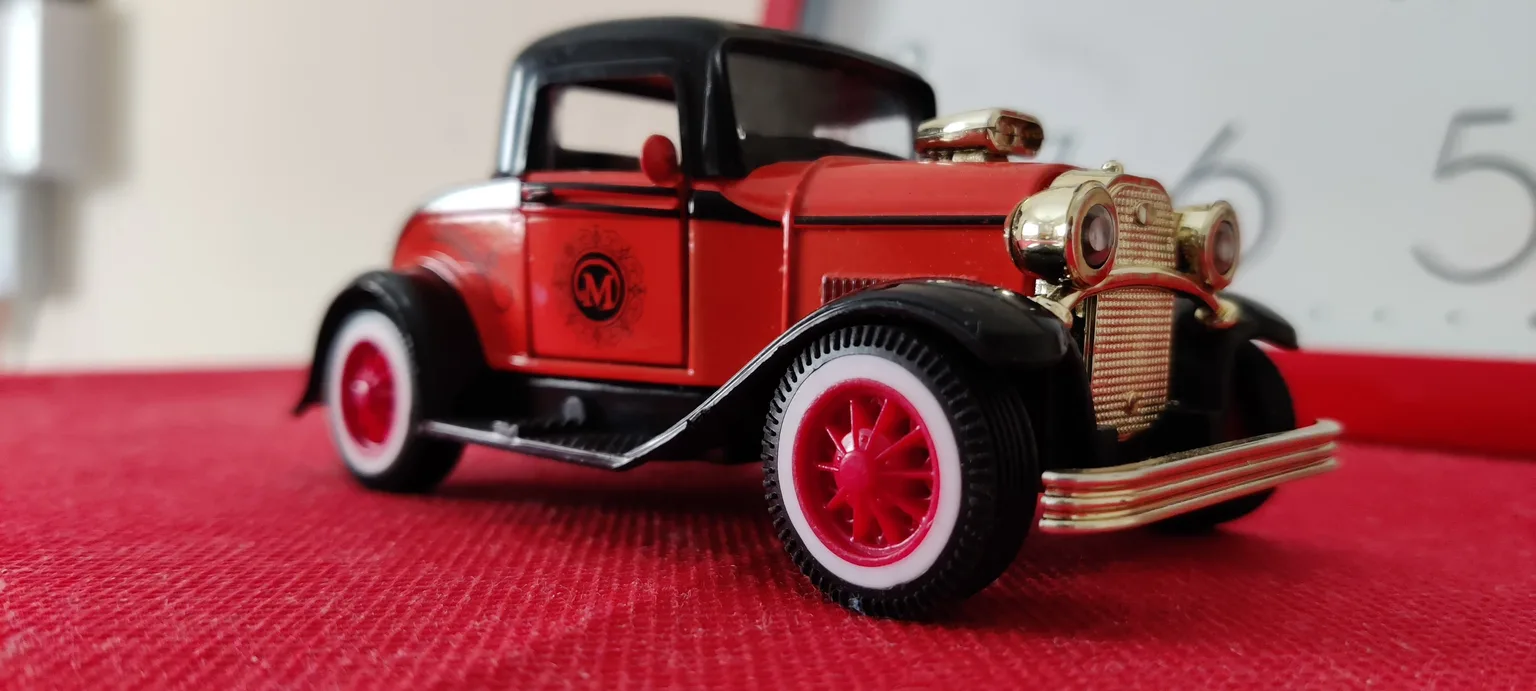
Restoration is too much when the car stops reading as a factory piece and starts reading as a rebuilt object. Light touch-up may be acceptable on a display buy. A full teardown or over-restoration demands much stronger disclosure, tighter price discipline, and more scrutiny on retained versus replaced parts.
Light touch-up versus repaint
Light touch-up usually means small paint correction, minor decal work, or careful cleaning with most original material retained. A repaint is broader and usually means the finish has been stripped and reapplied, often with new tampo printing. The second category should be priced as a restored car, not as an original.
Full teardown versus over-restoration
Full teardown is a complete disassembly followed by cleaning, repainting or replating, and rebuilding. That can cost $50 to $150 in parts and labor. Over-restoration is worse from a collector standpoint because the car carries so much new material that factory state is no longer visible in the finished piece.
What should be disclosed by the seller?
At minimum, the seller should disclose what was replaced, whether the baseplate was removed, whether wheels were swapped, whether decals are aftermarket, and whether the box is original to the car. If that information is missing, the listing should be treated as incomplete. A vague “restored beautifully” claim is not enough.
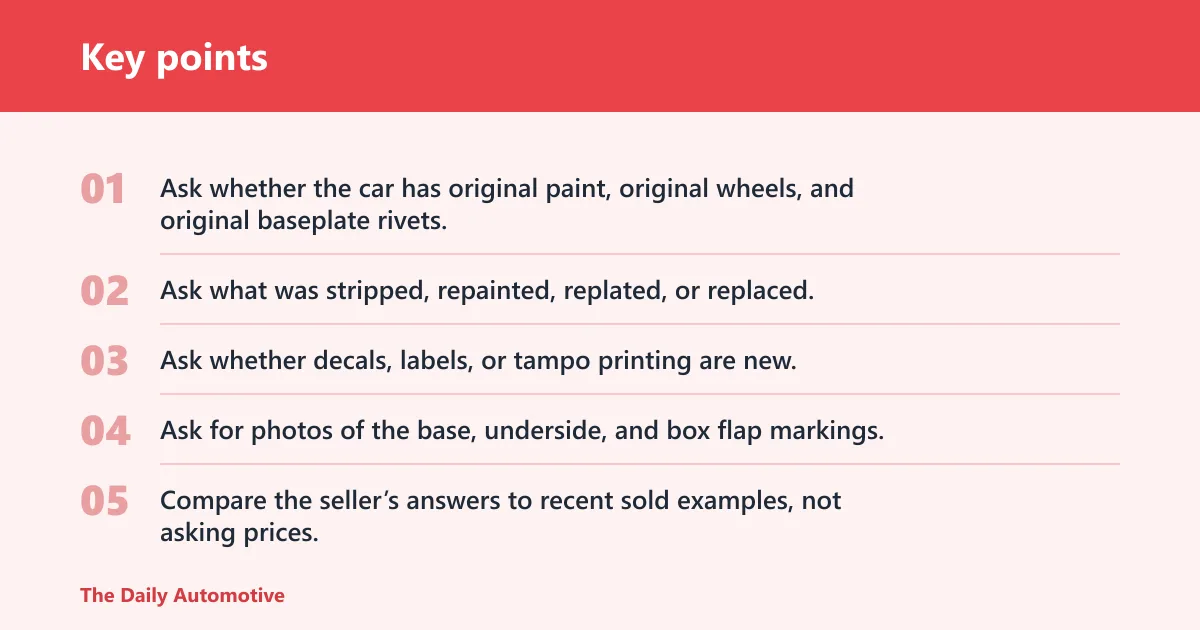
- Ask whether the car has original paint, original wheels, and original baseplate rivets.
- Ask what was stripped, repainted, replated, or replaced.
- Ask whether decals, labels, or tampo printing are new.
- Ask for photos of the base, underside, and box flap markings.
- Compare the seller’s answers to recent sold examples, not asking prices.
What should you check on the baseplate?
Check the baseplate first because it carries the clearest era clues: model number, casting marks, country of origin, and Lesney or Moko branding. The base can also reveal sanding, replacement hardware, or a mismatched swap. If the base does not fit the claimed era, the rest of the listing is already suspect.
Model number and casting marks
The model number should match the casting, and the casting marks should look consistent with the claimed production window. Grimy text is one thing; softened or oddly fresh metal around the stamping is another. That can suggest sanding, base replacement, or a reworked underside.
Country of origin and brand markings
Many early pieces carry Made in England and Moko Lesney or Lesney markings, and those words need to match the era being claimed. A later brand style on an early-looking body is a warning sign. Baseplate text should support the story, not fight it.
Signs of replacement or sanding
Look for mismatched sheen, disturbed rivets, uneven stamping depth, and base edges that look filed. Original Matchbox bases are riveted, not screwed, except for some later models. Screws on an early casting, or fresh-looking fasteners on an old body, are strong red flags.
A common first-timer mistake is accepting a polished base as proof of originality. A bright underside can hide work just as easily as a bright body can. If the seller refuses underside photos, the safest answer is no.
Are the wheels era-correct?
Wheel correctness is a major value check because it ties the car to its production period. Regular Wheels and Superfast models use different cues, and the wrong hub style, tread pattern, or material can show a swap. Alignment matters too; wobble can point to later parts or poor rebuild work.
Regular Wheels and Superfast cues
Regular Wheels belong to the 1–75 Series, while Superfast came later, starting in 1969. The wheel family should match the casting’s era. A pre-1969 car wearing later wheels may still display well, but it is not a clean collector example.
Hub style, tread, and material checks
Check whether the hub design fits the model year and whether the tread and material look period-correct. Newer-looking plastic on an earlier casting is not a minor issue. A correct wheel set often matters more than a bright repaint because it affects authenticity, not only appearance.
Wobble and alignment red flags
Spin the wheels in photos if the seller provides them, or ask for a side shot on a flat surface. Wobble, uneven stance, or one wheel sitting farther out than the others can point to bent axles, replacement hubs, or a rebuild that was not done cleanly.
Does the box match the car?
Box matching matters because original boxes can multiply value dramatically, but only when the pair is correct. MIB terminology should be used carefully. A box by itself does not prove originality, and a correct-looking box with the wrong insert or style can still be a mismatch.
MIB terminology buyers should verify
MIB should mean the car and box belong together in a way that fits the model, period, and condition. If the box is newer than the car, or the car was restored after the box was worn, the listing should say so. Treat vague MIB claims as incomplete until the details line up.
Pictorial boxes and window-style Superfast boxes
Early boxes often use pictorial graphics, while Superfast packaging may use window-style boxes. The correct box style depends on the era and variant. If a car is claimed to be early Lesney but sits in a later box style, ask for a full explanation and sold-comparable proof.
Correct inserts, labels, and pairing
Correct inserts and labels matter because many collectors pay a premium for the right pairing. A mismatched insert can be enough to move a piece from buy to negotiate. If the seller cannot explain how the box was matched to the car, assume the pair is uncertain.
Where does value come from?
Value comes from condition, originality, rarity evidence, and provenance. Mint, near mint, excellent, good, and fair all move price risk, and the C1–C10 scale is a useful shorthand for that spread. A shiny restoration does not outrank a well-kept original simply because it looks newer.
Condition grading and C1–C10 context
Condition grading matters because playwear and damage cut value fast. A near mint original is not the same as excellent, and fair pieces belong in a different pricing band entirely. If the seller uses C1–C10 language, ask how the number was assigned and what flaws drove it.
Factory originality versus non-original parts
Factory originality is more valuable than shiny repaint because collectors pay for original paint, original wheels, and factory flaws that confirm untouched state. Non-original parts, aftermarket decals, replacement wheels, and reworked bases all reduce certainty. That is true even when the restoration looks clean in photos.
Rare colors, prototypes, and transitional models
Rare colors, prototypes, transitional models, limited runs, and special casting changes can change the equation, but only with evidence. Rarity claims need support from sold records, auction comparables, and collector documentation. Without that, “rare” can be a sales pitch, not a fact.
Provenance and sold-record comparables
Single-owner history, prior sold records, and auction comparables help support authenticity claims. They also help you price the car against real outcomes rather than hopeful listings. If the seller has documentation, ask for it; if not, price the car as an undocumented restored piece.
Buyer decision matrix
Use this matrix to sort a listing quickly. Buy only when the car is era-correct, disclosed, and priced well below comparable original examples. Negotiate when one major point is soft but the rest is honest. Walk away when the seller’s story and the physical evidence do not match.
| Check | Buy | Negotiate | Walk Away |
|---|---|---|---|
| Baseplate integrity | Original rivets, clean markings, model and era match | Light cleaning or minor wear, but markings still readable | Sanded base, screw hardware on early casting, mismatched text |
| Wheel correctness | Regular Wheels or Superfast style fits the model year | Possible wheel swap, but seller discloses it and price reflects it | Wrong wheel family, visible wobble, bent stance, no explanation |
| Paint quality | Era-correct repaint, even finish, disclosed touch-up only | Fresh repaint with acceptable display appeal, but not original | Over-restored finish, new tampo work hidden as factory paint |
| Box match | Correct pictorial or window box, proper insert pairing, honest MIB claim | Box present but condition or pairing needs proof | Wrong box style, unrelated insert, or “boxed” used as originality proof |
| Seller disclosure | Lists replaced parts, repaint, and known issues clearly | Some details missing; seller responds with photos and specifics | “All original” with repaint clues, no underside photos, evasive replies |
| Price versus original-comparable value | At least 30% below comparable original examples | Between 20% and 30% below originals, or a common model with thin demand | Near original price, or above a recent sold restoration comp |
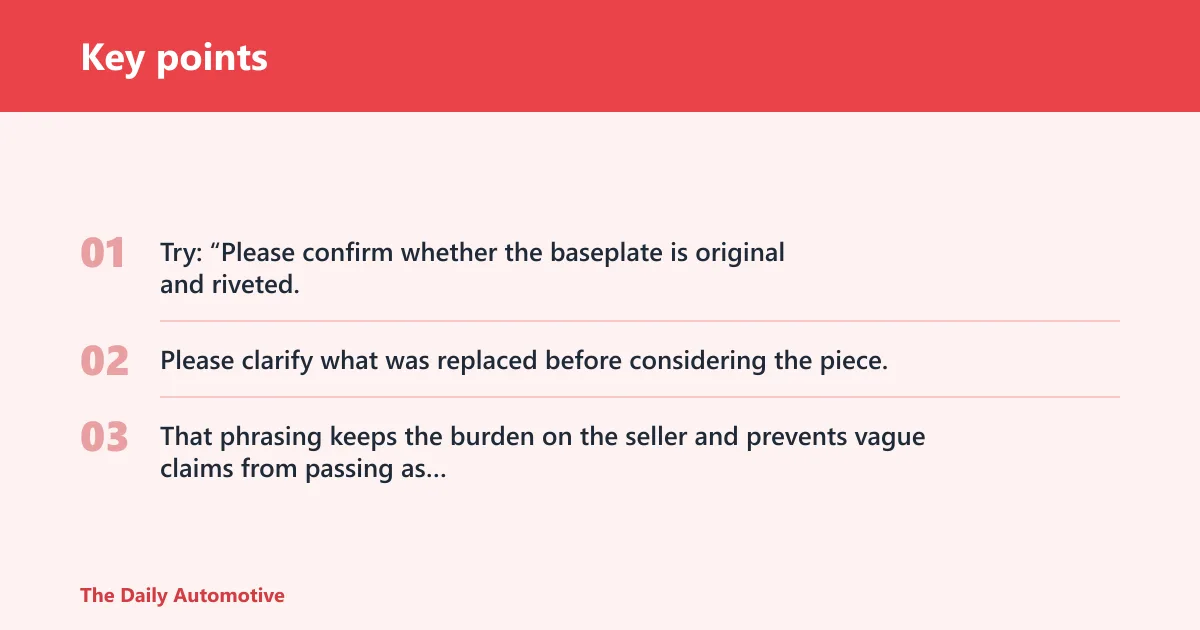
Use message language that forces clarity. Try: “Please confirm whether the baseplate is original and riveted, whether the wheels are period-correct, and whether any tampo printing or decals were added during restoration.” Or: “Please share recent sold comparables that support the asking price for this exact casting and box pairing.”
For a stronger red-flag message, use: “The photos suggest restoration work, but the listing says all original. Please clarify what was replaced before considering the piece. That phrasing keeps the burden on the seller and prevents vague claims from passing as evidence.
Frequently asked questions
How can I tell if a restored Matchbox car is worth buying?
A restored Matchbox car is worth buying only when the work matches the era, the seller states what changed, and the price sits well below comparable originals. Check the baseplate, wheels, box pairing, and recent sold records before you decide. If the listing leans on shine instead of evidence, treat it as a pass.
What should I check before paying for a restored Matchbox car?
Check the baseplate for model marks and rivet integrity, verify wheel style against the production era, confirm whether the box matches the car, and ask what was replaced. Then compare sold comps, not asking prices. If the seller will not answer directly, do not pay as if the car were original.
Are restored Matchbox cars worth less than original ones?
Yes. Original examples usually bring more, and a near mint original can fetch 3-5 times more than a perfect restoration. Restored cars can still be attractive display pieces, but they should be priced as altered pieces, not as factory survivors. Originality is usually the premium feature.
How do I spot an over-restored Matchbox car?
Look for too many new parts, fresh tampo printing, base sanding, replacement wheels, and a finish that looks cleaner than any factory piece should. Over-restoration is when the car no longer reflects factory state. If every visible surface looks rebuilt, the collector penalty is usually severe.
Which Matchbox details matter most for value: base, wheels, paint, or box?
All four matter, but the base and wheels often tell you the most about era-correctness, while paint and box shape the condition premium. A correct box can multiply value dramatically, yet it does not prove the car is original. Start with baseplate, then wheels, then the rest.
What makes a Matchbox car rare or valuable?
Rare colors, prototypes, transitional models, limited runs, and special casting changes can all raise value, but only with proof. Provenance, sold records, and collector documentation help validate the claim. Without that support, a seller’s “rare” label should be treated as marketing, not a verified premium.
Products related to this article
Sponsored / affiliate links. As an Amazon Associate I earn from qualifying purchases. I may earn additional commission from eligible campaigns.