Safety Film for Cars: How Window Security Film Protects You
Safety film for cars is a clear laminate applied to the inside of window glass that holds the glass together if it breaks and slows down someone trying to force a window open. It is sometimes called security film or anti-shatter film, and it is a different product from the tinted film most people picture when they hear “window tint.”
What Is Safety Film for Cars?
Safety film is a thin sheet of laminated polyester applied directly to the inside surface of a car’s tempered glass. It usually has three parts: an adhesive layer that bonds to the glass, a polyester core that gives the film its strength, and in thicker versions, an extra security layer that resists punctures and repeated impacts. The idea borrows from the plastic interlayer already built into a windshield, which is why a windshield cracks into a spiderweb instead of shattering, except here the film is added afterward to the side and rear windows, which normally have no such layer.
Films are sold in a range of thicknesses, usually measured in mil (thousandths of an inch). Thin films around 4 mil are mainly a light-duty upgrade, while thicker 8 to 13 mil films are marketed specifically for security and impact resistance. The thicker the film, the more force it takes to punch through the glass it is protecting.
8-MIL ANTI-SHATTER PICK
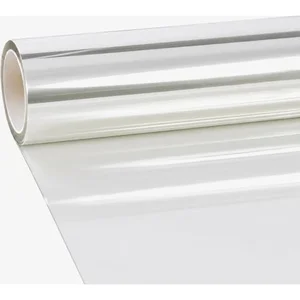 |
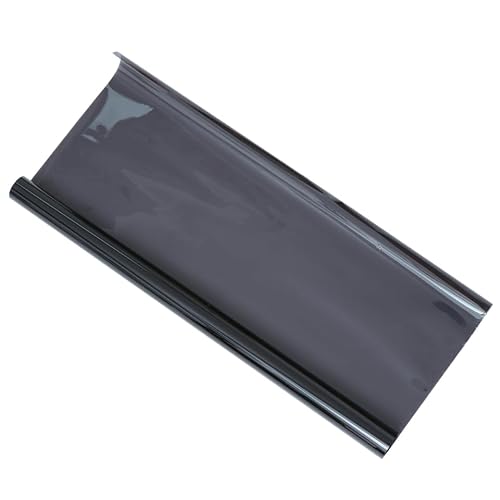
VViViD 8mil Anti-Shatter Security Automotive Vinyl Window Film Roll – $34.00 This is the thickness range described above that is actually built for impact resistance, not a cosmetic tint film.
|
How Safety Film Works: Shatter Resistance and Break-In Delay
Car side windows are made of tempered glass, which is designed to break into small, relatively dull pebbles instead of long shards. That is safer than a jagged break, but it also means the glass turns into hundreds of loose pieces the instant it fails, whether from an accident, a rock, or someone smashing it on purpose. A layer of safety film changes what happens next. Because the film is bonded across the entire inside surface of the glass, the broken pieces stay stuck to the film in roughly one sheet instead of scattering across the seats and floor or falling into the road.
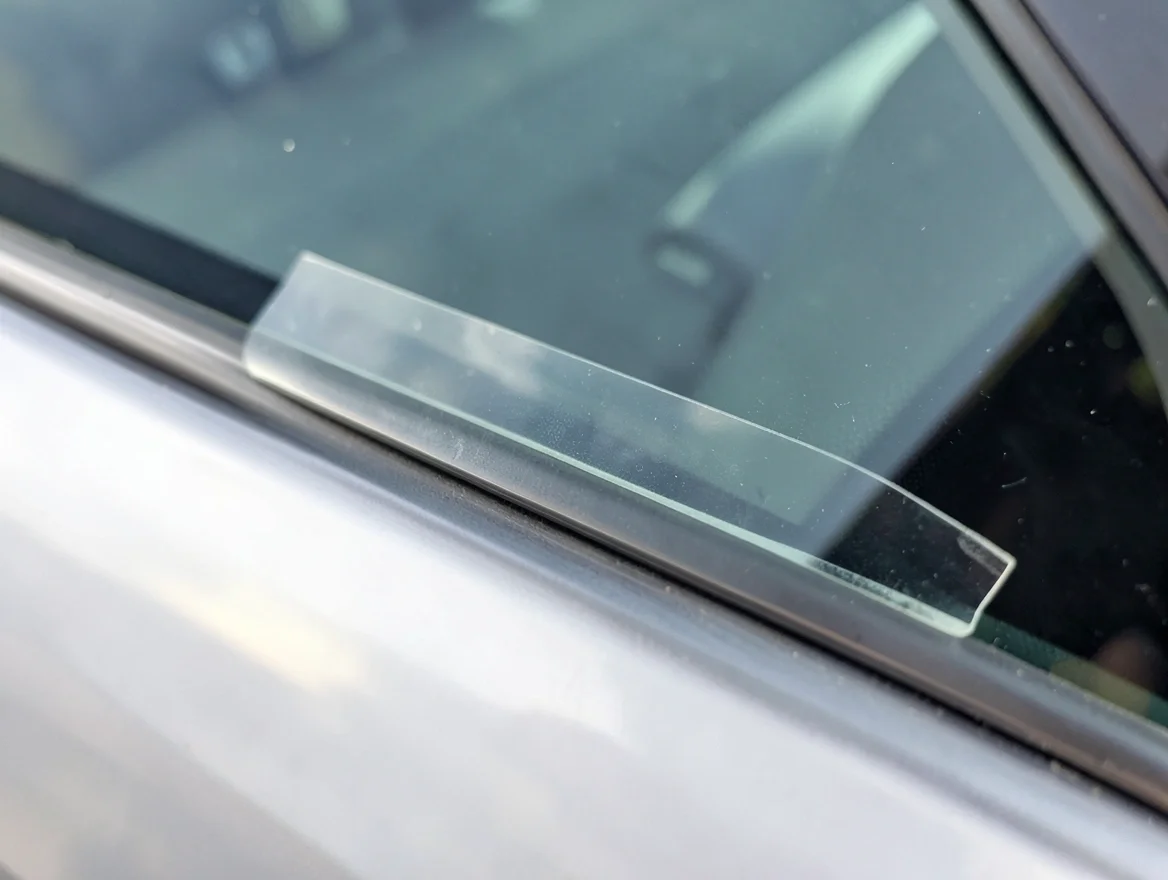
The security angle works the same way. A thicker film, typically in the 8 to 13 mil range, can absorb several direct hits from a hammer, rock, or crowbar before it finally gives way, because the tool has to break the glass and then tear through the tough polyester layer underneath. That extra effort buys real time, often several extra seconds to a minute of noisy, obvious struggle at the window, which is usually enough to make an opportunistic thief move on or give a bystander time to notice. It is important to be accurate here: safety film delays a break-in, it does not prevent one. No aftermarket film turns a car window into something that cannot eventually be broken through by someone determined and equipped enough.
Safety Film vs. Window Tint: What Is the Difference?
The two products get confused constantly because both are films applied to car glass, but they solve different problems. Standard window tint is chosen for its visible light transmission, or VLT, meaning how dark it looks and how much light it blocks, along with glare reduction and interior heat control. Safety film is chosen for its mil thickness and impact performance, and it is usually clear or nearly clear rather than dark. Some products combine the two, adding tint on top of a security-grade film, but a plain security film by itself will not noticeably darken your windows.
| Feature | Standard Window Tint | Safety / Security Film |
|---|---|---|
| Main purpose | Heat, glare, privacy | Shatter resistance, break-in delay |
| Typical appearance | Visibly darkened | Clear or near-clear |
| Typical thickness | 1 to 2 mil | 4 to 13 mil |
| Blocks UV rays | Yes, most films | Yes, most films |
| Subject to state VLT darkness limits | Yes | Usually not, since it stays clear, but confirm locally |
One detail that surprises a lot of car owners: UV blocking mostly comes from the film’s polyester layer and adhesive, not from how dark the tint looks. That means a clear safety film can block a similar percentage of UVA rays, commonly cited around 99% by film manufacturers, as a much darker cosmetic tint. You are not giving up sun protection by choosing a clear security film over a dark one.
Other Ways to Add a Layer of Protection to Your Car’s Windows
Safety film is not the only product parents and drivers reach for when they want to protect what is happening on the other side of the glass. Static-cling window shades are a popular add-on for parents, since they block direct sun and glare for a child in the back seat and can be pulled off or repositioned without leaving any residue; they do not add any shatter resistance on their own, but they pair well with a film underneath. We cover how well these actually perform in our guide to whether car window shades actually work. Reflective stickers on doors and mirrors are a separate, low-cost way to improve nighttime visibility to other drivers, though they are a visibility aid rather than a glass-protection product and shouldn’t be confused with safety film.
Is Safety Film Legal, and Does It Affect Visibility?
Most state tint laws are written around VLT percentage, meaning how dark the film makes the window. Because a clear security film does not meaningfully reduce VLT, it generally falls outside the restrictions that apply to dark cosmetic tint, but “generally” is doing some work in that sentence: rules vary by state, and a few jurisdictions do regulate any film on the glass regardless of color. If you already have tinted windows and are wondering whether your current setup is compliant, our breakdown of whether cops actually care about window tint covers how enforcement typically works, and if you are planning to remove old tint before adding a clear security film, see our guide on how to remove tint from a car window without scratching it. When in doubt, a quick call to your state’s DMV or a local tint shop before installation is worth the five minutes.
Safety film can be one layer in a broader plan to make a car harder to break into, alongside the electronic protections most vehicles already have. If you are not sure what your car already does on that front, our guide to checking whether your car has an anti-theft device walks through how to tell.
How Much Does Safety Film Cost, and Can You Install It Yourself?
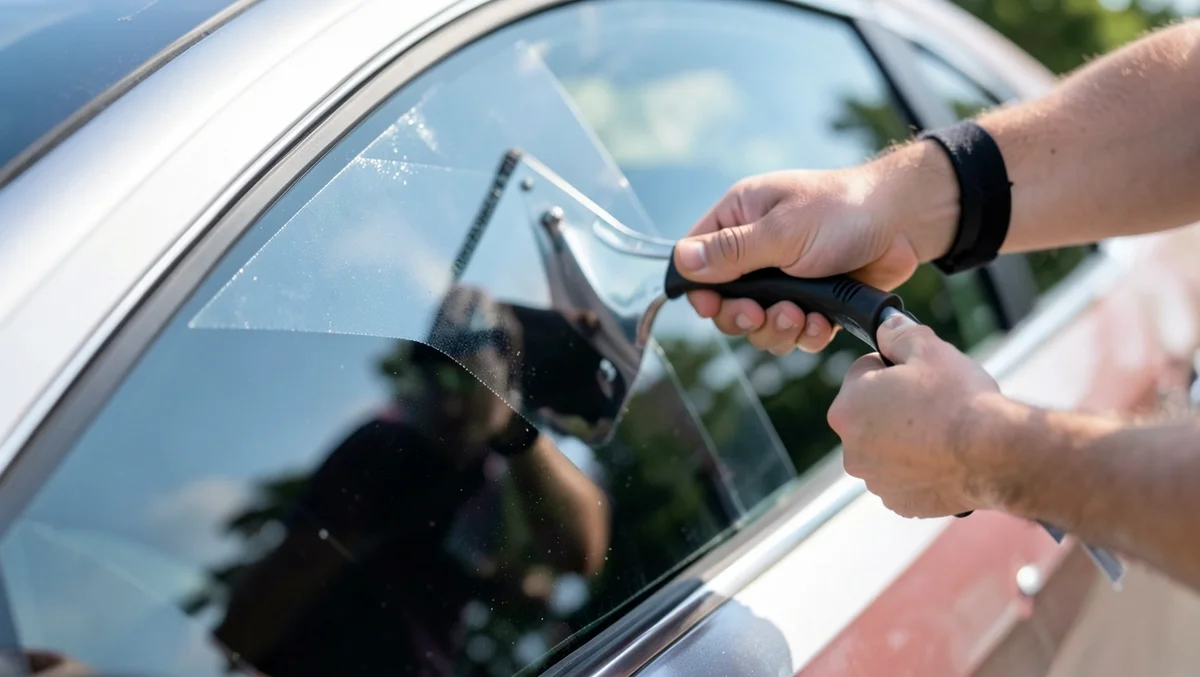
A DIY roll of security-grade film large enough to cover a couple of windows typically runs in the $20 to $50 range, and a two-roll pack sized for a full set of side windows lands around $30 to $40. Professional installation across every window on the vehicle costs more, since a shop is charging for labor and a bubble-free finish, and pricing depends heavily on the vehicle’s glass area and the film brand used. DIY installation is realistic for someone patient enough to work slowly: the process involves cleaning the glass thoroughly, cutting the film slightly oversized, wetting the glass and the film’s adhesive side with a soapy water solution to allow repositioning, squeegeeing out the water and air bubbles from the center outward, and trimming the excess at the edges. Rushing the squeegee step is the most common reason a DIY job ends up with trapped bubbles or a hazy edge.
Frequently Asked Questions
What Is Safety Film for Cars?
Safety film, also called security or anti-shatter film, is a clear laminated sheet applied to the inside of a car’s window glass. It holds broken glass together after an impact and adds resistance against someone trying to force the window open, which is different from cosmetic window tint that is chosen mainly for darkness and heat control.
Does Safety Film Stop a Car Break-In?
No, it delays a break-in rather than preventing one outright. A thicker security film, typically 8 to 13 mil, forces an attacker to keep striking the glass after it has already cracked, which can add real time before the window finally gives way. That extra delay is often enough to discourage a casual thief, but a determined attacker with the right tools can still get through eventually.
Is Safety Film the Same as Window Tint?
No. Standard window tint is measured by VLT, or how much visible light it blocks, and is chosen for darkness, glare, and heat reduction. Safety film is measured by mil thickness and is chosen for impact resistance, and it is usually clear or nearly clear rather than visibly tinted. Some products combine both in one film, but they are not the same thing by default.
How Long Does Window Security Film Last?
A properly installed security film can last several years under normal conditions, since it is bonded to the inside of the glass and is not exposed to direct road debris or wiper contact the way exterior surfaces are. Film that starts bubbling, peeling at the edges, or turning hazy has typically failed and should be replaced rather than left in place, since a damaged film no longer performs the way an intact one does.
Can You Install Safety Film Yourself?
Yes, DIY installation is realistic with a basic tool kit: a spray bottle with a soapy water solution, a sharp blade for trimming, and a squeegee to push out air and water from the center of the glass outward. The most common mistakes are trimming the film too small, working too fast and trapping bubbles, or skipping the soapy water step, which makes the film impossible to reposition once it touches the glass.
Does Safety Film Block UV Rays?
Yes. Most polyester window films, including clear safety films, block a very high percentage of UVA rays, commonly cited around 99% by manufacturers, regardless of how dark or light the film looks. The UV protection comes from the film material itself, not from visible darkness, so a clear security film offers similar sun protection to a much darker cosmetic tint.
Conclusion
Safety film for cars is a genuinely different product from cosmetic window tint, even though both end up as a thin layer on your glass. Its job is to hold broken glass together and slow down a forced entry, not to darken your windows or set a mood inside the cabin. A thicker, 8 to 13 mil film gives you real impact resistance for a modest cost, whether you install it yourself over a weekend or have a shop do it for you, and it works alongside the anti-theft systems your car may already have rather than replacing them.
Products related to this article
Sponsored / affiliate links. As an Amazon Associate I earn from qualifying purchases. I may earn additional commission from eligible campaigns.