Starting a Vehicle After Fuel Injector Changes
So, you’ve swapped out your fuel injectors! Getting your car to fire up after doing this can sometimes be a bit tricky. How to Start a Car After Changing Fuel Injectors might seem intimidating for beginners because there are a few important steps you can easily miss. But don’t worry, we’re here to help! We’ll explore exactly what you need to do, step-by-step, to get your engine running smoothly again. Ready to get started?
Prepare Your Vehicle for Startup
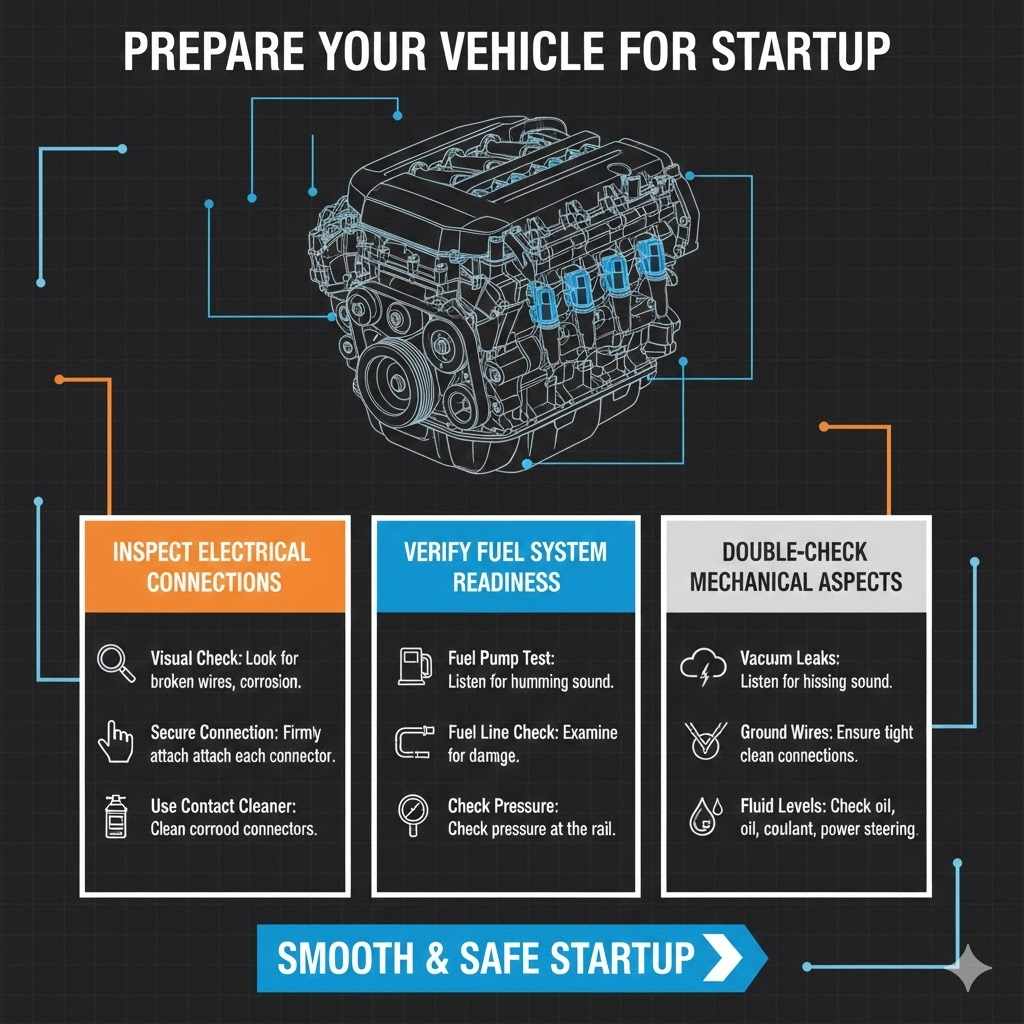
Before even thinking about turning the key, there are a few things you have to do to make sure your vehicle is ready to start after changing fuel injectors. These preparatory steps help ensure a smooth and safe startup, preventing potential damage to your engine. This involves checking connections, ensuring fuel delivery, and making sure all components are properly secured. It’s like double-checking your homework before you hand it in – it saves a lot of headaches later!
Inspect Electrical Connections
One of the first things to inspect is the electrical connections to the fuel injectors. Each injector has a wiring connector that provides the power needed for it to function correctly. These connectors are usually designed to snap firmly into place, but sometimes they can be loose, damaged, or not fully seated. A faulty connection will prevent the injector from working, and your car will not start. Start by visually inspecting each connector for any damage or signs of corrosion. Next, firmly push each connector onto the fuel injector until you hear or feel it click into place. If you are uncertain about the specific location or connector, consulting your vehicle’s repair manual is recommended to ensure correct placement.
- Visual Check: Begin by giving the area a thorough visual check. Look for any broken wires, corrosion, or loose connections. A magnifying glass might be useful to help you see small details that could be missed with the naked eye.
- Secure Connection: Make sure each connector is firmly attached. Sometimes, they may seem like they’re connected, but aren’t fully seated. Gently tug on each wire to ensure it’s securely attached.
- Use Contact Cleaner: If you notice any corrosion, use electrical contact cleaner to clean the connectors. This cleaner helps remove any buildup that may be interfering with the connection. Make sure to let the cleaner dry completely before reconnecting.
Verify Fuel System Readiness
After checking electrical connections, make sure the fuel system is ready. This is where you have to make sure fuel can flow from the fuel tank to the fuel injectors without obstruction. This often involves checking the fuel pump and ensuring the fuel lines are properly connected. A problem with the fuel delivery can prevent the engine from starting or cause it to run poorly. Checking the fuel system can reveal any leaks or blockages that must be addressed before starting the engine.
- Fuel Pump Test: Turn the ignition to the “on” position (without starting the engine) and listen for the fuel pump. It usually makes a humming sound for a few seconds as it pressurizes the fuel lines. If you don’t hear anything, there may be a problem with the fuel pump.
- Fuel Line Check: Examine the fuel lines for any signs of leaks or damage. Check the fuel filter as well, as it is a common point of restriction. Replace it if necessary.
- Fuel Pressure: If you have a fuel pressure tester, check the fuel pressure at the fuel rail. The pressure should be within the range specified in your vehicle’s repair manual. If the pressure is too low, it can prevent the engine from starting.
Double-Check Mechanical Aspects
The last part of preparing your car is to check for mechanical problems. Mechanical issues can quickly prevent your car from starting after a fuel injector change. Ensuring everything is in place prevents potential damage to the engine. You want to make sure the basics are correct before even thinking about turning the key. By meticulously examining each area, you can get the best chance of a successful startup.
- Vacuum Leaks: Check for any vacuum leaks in the system. These can cause the engine to run lean or not start at all. Listen for a hissing sound, which often indicates a leak. Inspect all vacuum hoses, making sure they are securely connected and free of cracks.
- Ground Wires: Examine the ground wires to make sure they are connected to the engine. These wires provide a crucial electrical path. Ensure that the connections are tight and free from corrosion, as a faulty ground connection can prevent the engine from starting.
- Fluid Levels: Check that all of the fluid levels are where they should be, including oil, coolant, and power steering fluid. Ensure that you have no fluid leaks. Low fluid levels can indicate a more significant problem and could prevent your engine from running correctly.
The Starting Procedure for After Changing Fuel Injectors
Now that you’ve prepared the vehicle, it’s time to go through the starting procedure. This is where you actually turn the key and try to get the engine running. This process involves the right sequence of steps, from priming the fuel system to initial startup attempts. Doing it correctly can increase your chances of a successful start. Always remember to be patient and cautious during this process, and never force anything. Before we jump into the steps, we will explore the essential components.
Priming the Fuel System
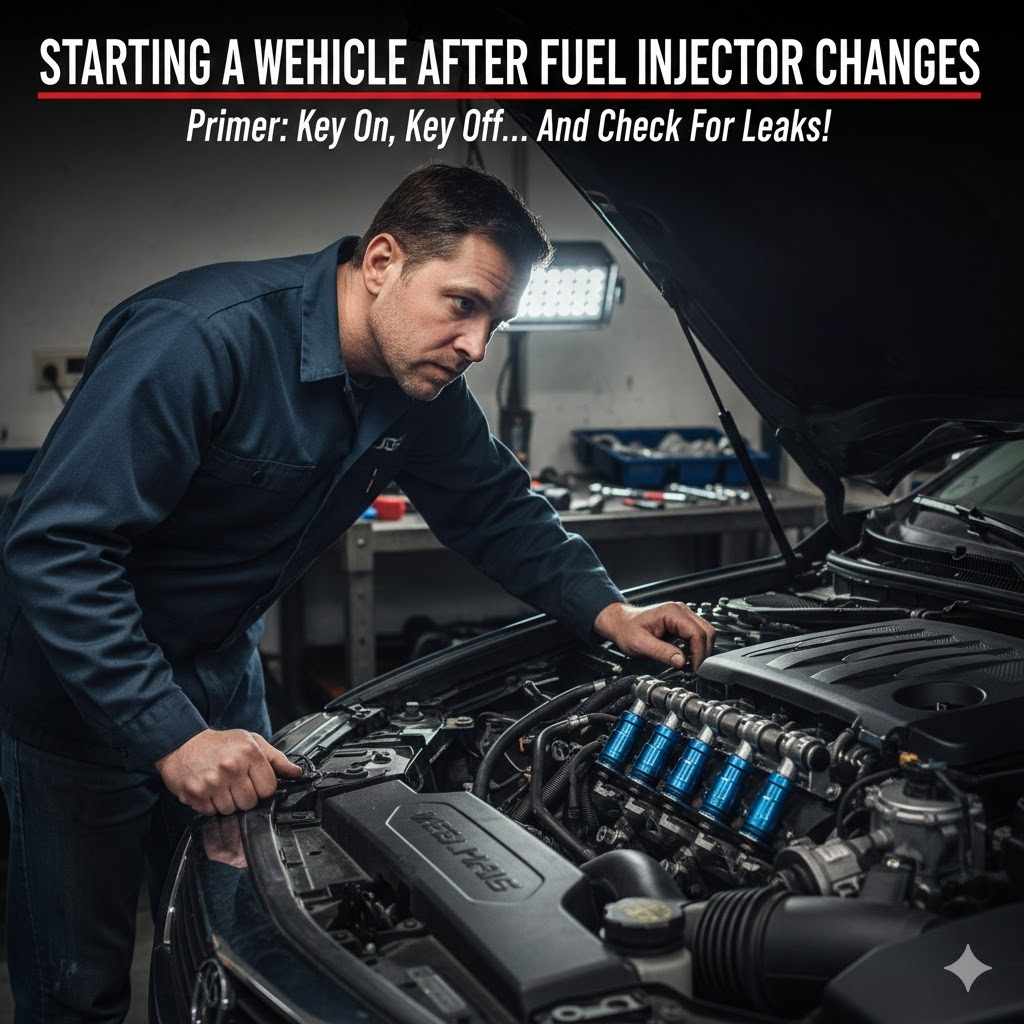
Before you even try to start the engine, you might need to prime the fuel system. Priming the fuel system gets fuel flowing through the lines to the injectors. During the injector replacement, the fuel lines might have become empty. Priming helps to refill them, reducing the time and strain on the starter and engine. This also ensures that fuel is immediately available when you start the engine, helping it to start more smoothly. Remember, if your fuel system isn’t primed, your car may not start.
- Turn the Ignition: Turn the ignition key to the “on” position (but do not crank the engine). You should hear the fuel pump working, usually for a few seconds. This allows the pump to build up pressure in the fuel lines.
- Repeat if Needed: If the engine still doesn’t start, repeat the process a few times. Each time you turn the key to the “on” position, you allow the fuel pump to push fuel through the lines. This is especially helpful if your fuel lines were completely empty.
- Listen for the Pump: Pay attention to the sound of the fuel pump. If you don’t hear anything, there may be a problem with the pump, and the car may not start. You might need to have the pump checked by a professional.
Initial Startup Attempts
Once you’ve primed the fuel system, it’s time to start the engine. This is where you crank the engine to see if it starts. Initial attempts are critical, and you have to know how long to try and what to do if the engine doesn’t start immediately. Trying to force the engine to start can cause more harm than good. Also, it’s important to watch out for any unusual signs. The initial startup attempts set the stage for how the engine will perform after the repair. By approaching this step with care and attention, you will increase your chances of a successful start.
- Cranking the Engine: Turn the key to start the engine. Don’t crank for more than 10-15 seconds at a time. If the engine doesn’t start, give it a break before trying again.
- Listen and Watch: Listen carefully for any unusual noises and watch for any warning lights on the dashboard. These clues can tell you if something is wrong.
- Troubleshooting: If the engine doesn’t start, there could be several issues. If it cranks but won’t start, check for fuel and spark. If it doesn’t crank at all, there might be a problem with the starter motor or the battery.
Post-Startup Checks
If the engine starts, there are post-startup checks that you need to do to make sure the car is working correctly. This is your chance to assess the engine’s overall performance. Check for any leaks, listen for any unusual noises, and monitor the engine’s performance. These checks will help identify problems right away. A thorough post-startup inspection can prevent larger issues from developing. The goal is to make sure your car is running the way it should.
- Monitor Engine Sound: Listen to how the engine sounds. Is it running smoothly, or does it sound rough or uneven? Unusual sounds might mean there is a problem.
- Check for Leaks: Carefully inspect the engine bay for any fuel or oil leaks. Leaks are a potential hazard and should be addressed immediately.
- Idle Test: Allow the engine to idle for a few minutes and watch for any unusual behavior, such as fluctuating RPMs or stalling. This test can reveal problems that might not be evident right away.
Addressing Common Starting Problems
Sometimes, despite your best efforts, your car may not start. This can be annoying, but don’t worry, it’s often a fixable issue. There are some common problems you might run into. Understanding these issues will help you troubleshoot what’s going on. Some steps you can take involve checking the basics. Getting a grasp on common issues will help you pinpoint what’s happening. We’re going to explore some common problems and solutions.
No Fuel Delivery
One common cause of failure is a fuel delivery problem. This can be because of a range of issues, such as a faulty fuel pump or a blocked fuel line. The fuel injectors are useless if they don’t have fuel to inject. This also includes problems with the fuel filter, fuel pump relay, or even air in the fuel lines. Diagnosing and fixing the fuel delivery problems is a key part of getting your car to start. When you properly inspect these elements, it will reveal any issues that must be addressed.
- Check the Fuel Pump: Make sure the fuel pump is working. You should hear it when you turn the key to the “on” position. If you don’t hear anything, the pump might have failed.
- Inspect Fuel Lines: Look for any kinks, leaks, or blockages in the fuel lines. A blocked or damaged line can stop fuel from reaching the injectors.
- Fuel Filter Check: A clogged fuel filter can restrict fuel flow. Replace the filter if necessary. The fuel filter is often overlooked, but it is a critical element of fuel delivery.
Lack of Spark
No spark is another issue that can prevent your engine from starting. The spark is what ignites the fuel-air mixture in the cylinders. Common causes include a bad spark plug, a faulty ignition coil, or a problem with the crankshaft position sensor. Without a spark, the engine won’t run. Getting to know the ignition system is vital for understanding what goes wrong. A lack of spark means no combustion, and without combustion, the engine will not run.
- Spark Plug Check: Take out the spark plugs and inspect them. Look for any signs of wear, damage, or fouling. Replace the spark plugs if they look bad.
- Ignition Coil Inspection: The ignition coil is responsible for creating the spark. You can test the coil using a multimeter. If the coil is bad, it won’t produce a spark.
- Crankshaft Position Sensor: The crankshaft position sensor tells the engine when to fire the spark plugs. If this sensor is faulty, the engine won’t start. This sensor is often overlooked but plays a huge role in the ignition process.
Sensor Issues and ECM Problems
Sensors and the Engine Control Module (ECM) play a big part in your engine’s performance. These elements control the fuel injection, ignition, and other systems. Problems with the sensors or the ECM can make it difficult, or even impossible, to start the car. Because the ECM needs to receive the correct input from sensors, any sensor failure can disrupt the engine’s start-up sequence. The ECM manages all of the engine’s actions, so even a minor problem can lead to startup issues.
- Sensor Evaluation: Several sensors affect starting. The most common ones include the crankshaft position sensor, the camshaft position sensor, and the mass airflow sensor. A scan tool can read sensor data to help you identify problems.
- ECM Diagnostics: If you suspect an ECM issue, you can get it scanned. This will help you find any trouble codes related to the start-up system. Any ECM troubles can cause a no-start condition.
- Wiring and Connections: Check the wiring harnesses and connections to the sensors and ECM. A broken wire or loose connection can prevent the sensor from working. Wiring issues are common causes of engine problems.
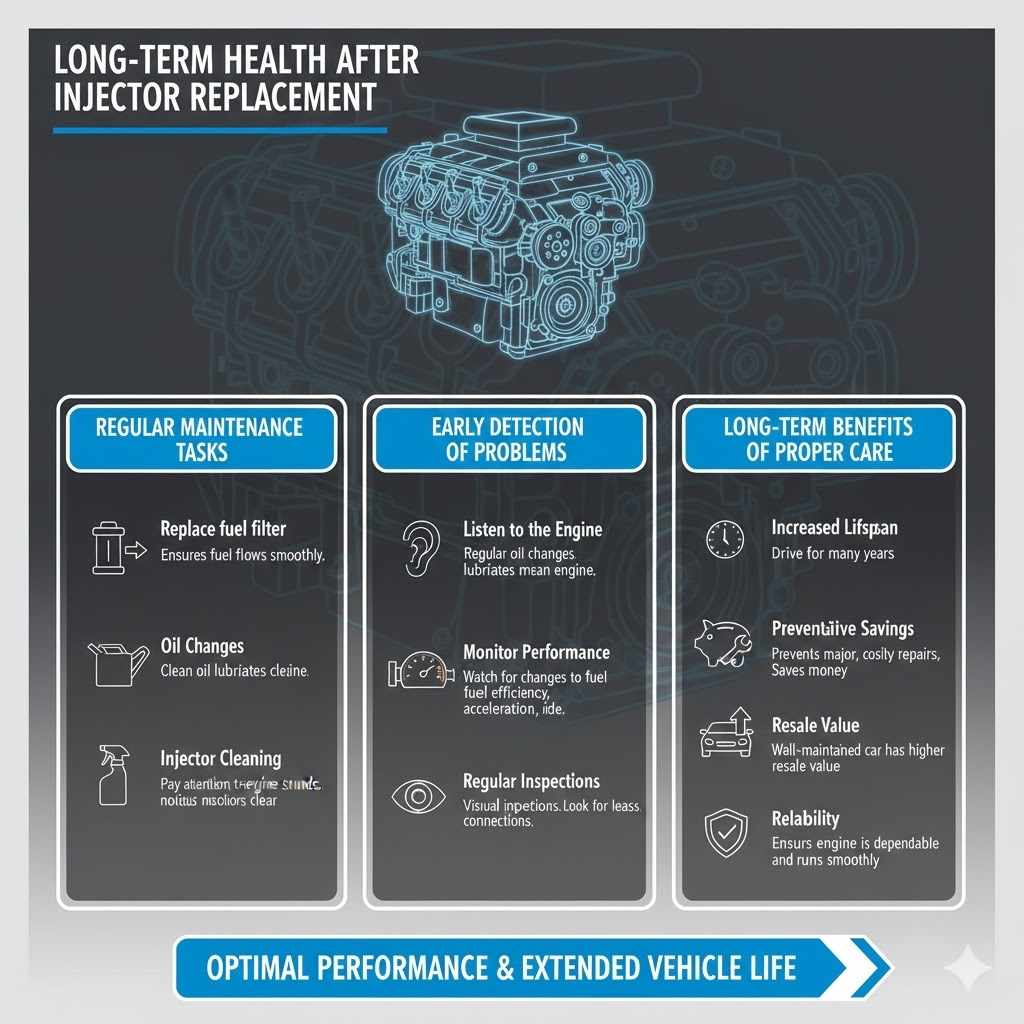
Long-Term Health After Injector Replacement
After your car starts, your efforts shouldn’t end there. There are maintenance and care steps that will keep your car running well. This ensures that the engine stays in good shape for the long run. Proper care helps prevent future problems. Routine checks and maintenance are key to making sure everything is working smoothly. Getting to know the maintenance can keep your car in top shape.
Regular Maintenance Tasks
Regular maintenance is key to keeping your car in good shape after changing fuel injectors. Maintenance helps to catch minor issues. Routine maintenance keeps all the systems running properly. The goal is to make sure everything works and runs at the highest efficiency. Proper maintenance can prevent costly repairs.
- Fuel Filter Replacement: Replace the fuel filter according to your car’s maintenance schedule. A clean filter ensures fuel flows smoothly to the injectors. Replacing the filter at the recommended interval helps prevent clogs.
- Oil Changes: Keep up with regular oil changes. Clean oil lubricates the engine components and reduces wear. You will want to use the correct oil for your specific vehicle type.
- Injector Cleaning: Use fuel injector cleaner occasionally. It will help keep the injectors clear and functioning properly. Cleaner prevents any buildup or issues with the injectors.
Early Detection of Problems
Catching problems early is critical to keeping your car running well. It involves being alert to any changes in your car’s performance or behavior. Early detection involves knowing how to spot potential issues. This can save you time, money, and hassle. Being alert and proactive will make your car last longer.
- Listen to the Engine: Pay close attention to how your engine sounds. Any unusual noises, such as knocking or hissing, could indicate a problem. Changes in sounds often reveal issues.
- Monitor Performance: Monitor your car’s performance. Watch for any changes in fuel efficiency, acceleration, or idle. These changes might indicate problems.
- Regular Inspections: Do regular visual inspections of your engine. Look for leaks, loose connections, or any other signs of trouble. Routine inspections give you a chance to see small problems early.
Long-Term Benefits of Proper Care
Taking proper care of your vehicle has long-term rewards. This includes keeping your car running for years and avoiding expensive repairs. The long-term advantages come from the choices you make in the present. Taking care of your car will keep your car running well, giving you the best return on your investment. Doing the little things will make a big difference.
- Increased Lifespan: Proper maintenance extends your car’s lifespan, letting you drive it for many years. Regular upkeep keeps your car in top condition, adding years to your investment.
- Preventative Savings: Regular maintenance can prevent major problems that can be costly. Addressing small problems can save you from bigger, more expensive ones.
- Resale Value: A well-maintained car has a higher resale value. A car that is running well will always be worth more.
Frequently Asked Questions
Question: What should I do if my car won’t start immediately after changing the fuel injectors?
Answer: First, recheck all connections to the fuel injectors. Then, make sure the fuel pump is running and priming the fuel system. Finally, double-check that you have good spark.
Question: How can I tell if the fuel injectors are the issue?
Answer: If you’ve addressed the fuel pump and spark issues and the car still won’t start, there could be a fuel injector problem. Sometimes, a diagnostic tool can test the fuel injectors.
Question: Is there a specific type of fuel I should use after changing the fuel injectors?
Answer: Use the fuel type recommended for your car. The type is usually listed on the fuel door or in your owner’s manual.
Question: How often should I replace my fuel injectors?
Answer: Fuel injectors usually last a long time, but they can wear out. The lifespan depends on several factors. Replace them if you notice performance issues.
Question: What are the early signs that my fuel injectors are failing?
Answer: You may notice poor fuel economy, rough idling, or difficulty starting the engine. These signs can be associated with bad fuel injectors.
Final Thoughts
You’ve now explored the critical steps on How to Start a Car After Changing Fuel Injectors. From double-checking those electrical connections to carefully priming the fuel system and watching for any unusual engine sounds, each action plays a role in starting your vehicle successfully. You’ve seen how to prepare your car, what to do during the startup, and how to address common starting problems, such as fuel delivery issues or a lack of spark. Also, you’ve learned about the value of regular maintenance and early detection to ensure your car keeps running smoothly and lasts a long time. Now that you’ve got this knowledge, go out there and put it into practice. With a bit of patience and by following these steps, you’ll soon be back on the road!