Best Hoses for Car Washing (2026): We Compared
The best hose for car washing depends on your space and climate: A 50-foot kink-resistant hose is often a good fit for most home washes. Pick the wrong one and you fight kinks, low flow, and frozen coils, which slows rinsing and can drag grit near paint. Below, the comparison is by driveway size, wash frequency, and cold-weather use.
Quick comparison
| Product | Badge | Best for | Price | ||
|---|---|---|---|---|---|
 |
50 ft Expandable Garden Hose – Kink Free Flexible Watertyrellso | Our pick | 50ft · 10-pattern nozzle · expandable | $39.99
Price as of 24 Oct 2026
|
View |
 |
Garden Hose 50FT Non-expandable Heavy Duty, Kink-freeAERIGON | Also great | 50ft · Brass fittings · heavy-duty | $35.99
Price as of 24 Oct 2026
|
View |
The short version: Flexzilla is the safest all-around pick for most home car washers, Eley fits frequent detailers who want premium fittings, and Goodyear suits long reaches and rough storage conditions. The right choice depends less on brand prestige and more on where the hose lives, how often you wash, and how much dragging it will take.
How we chose
This comparison centers on four things that matter during a real wash: kink resistance and hose memory, usable length for sedan-to-SUV reach, fitting material and leak risk, and whether the hose matches cold storage or rough-surface use. We also separate garden hoses from pressure-washer hoses, because those solve different jobs.
Price is one part of the picture. A cheaper hose can cost more in frustration if it coils hard in winter, leaks at the coupling, or forces you to drag a shorter line across concrete and gravel.
What hose length works best?
For most home car washing, 50 feet is the easiest compromise. A 25-foot hose works for apartments, tight wash bays, and very small driveways, while 100 feet is better for large SUVs, vehicles parked far from the spigot, or layouts that force you to move around several obstacles.
Length changes workflow more than many shoppers expect. A shorter hose is easier to coil and store, but it can force you to reposition the car or the hose nozzle more often. A longer hose improves reach, yet it adds drag and storage bulk.
25 feet
A 25-foot hose fits compact wash spaces, apartment parking spots, and small driveways where the spigot sits close to the vehicle. It is the easiest to handle and store, but it can feel restrictive on midsize SUVs or trucks if you need to walk around the vehicle while rinsing.
50 feet
Fifty feet is the most versatile length for sedans, crossovers, and most single-driveway homes. It usually gives enough slack to rinse the front, sides, and rear without moving the hose constantly, while avoiding the extra bulk that comes with a 100-foot line.
100 feet
A 100-foot hose is useful when the car sits far from the water source or when you wash multiple vehicles across a larger property. The tradeoff is weight and storage fatigue. If the hose is also heavy rubber, handling gets harder fast.
Say your sedan sits in a one-car driveway and the spigot is near the garage door. A 25-foot hose may reach the front quarter panels, but you may still need to pull the line across the hood side once or twice. A 50-foot hose gives more room to work around the rear bumper without tugging the coupling.
Flexzilla garden hose: best for most drivers
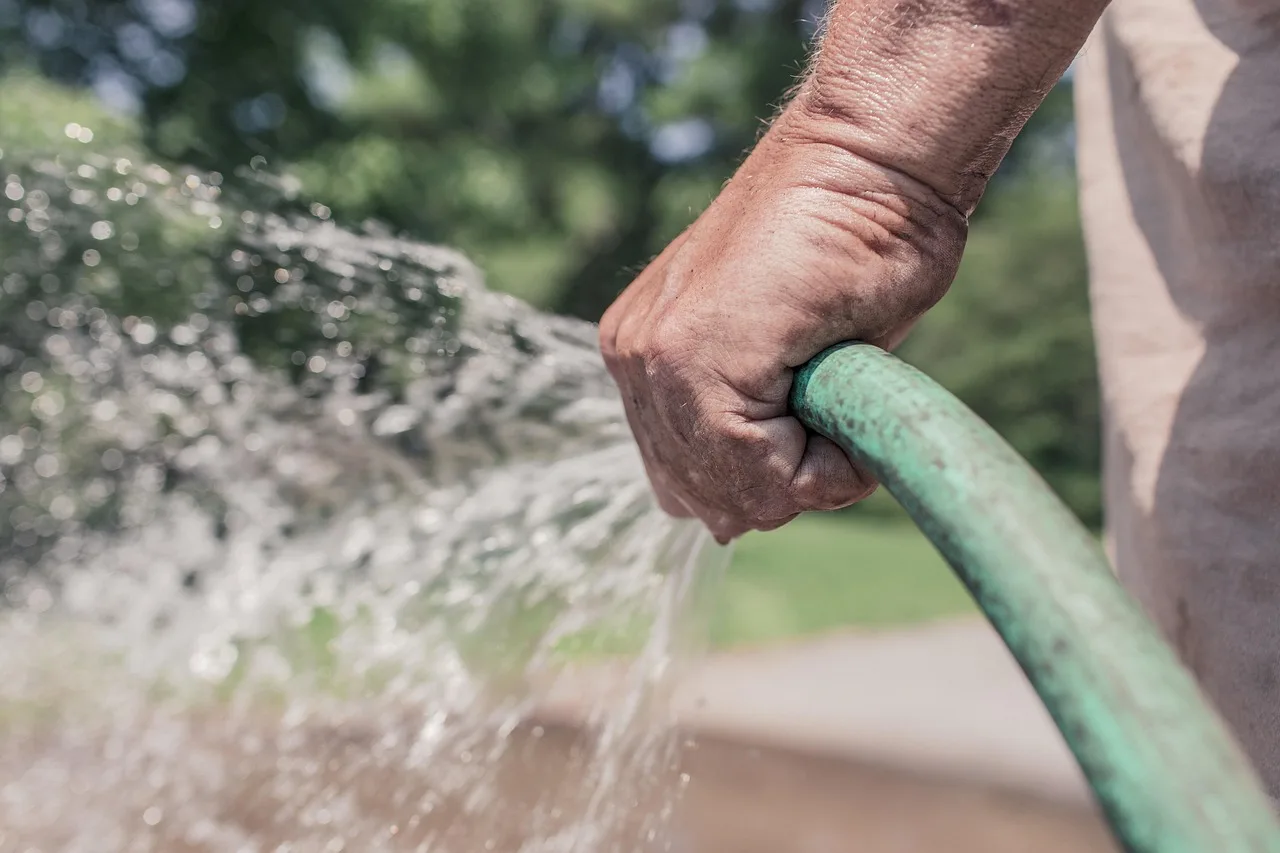
Flexzilla’s 5/8 in. x 50 ft format makes sense for most home car washes because it balances reach, handling, and storage. Its hybrid polymer construction is light, and the hose is described as staying flexible down to -40°F, which helps in cold weather where stiffer hoses tend to fight you at the coil and at the spigot.
The anodized aluminum fittings are a practical middle ground for car washing. They resist corrosion better than plain plastic fittings and keep weight down compared with brass, which matters when the hose is dragged around a driveway or wrapped after every wash.
The drawback is that it is still a general-purpose garden hose, not a specialty detailing hose. It is a strong choice for everyday washing, but buyers who want the most premium fittings and the longest service life for frequent use may prefer Eley.
Why the hybrid polymer build works
Hybrid construction tends to matter most when a hose has to stay movable across a driveway and not fight you with stored coil memory. Flexzilla’s lightweight build and kink resistance reduce the stop-start flow that usually happens when a hose folds back on itself near the wheel or curb.
Where the anodized aluminum fittings help
Aluminum fittings are useful when corrosion and weight are both concerns. They are less bulky than brass, and they are a better fit than plastic when the hose is connected and disconnected often. The tradeoff is that brass still has the edge for long-term durability under heavy use.
Tradeoffs to know before buying
Flexzilla’s 50-foot length is the sweet spot for most garages and driveways, but it may still be short for long side yards or vehicles parked well away from the tap. If you need maximum abrasion resistance on gravel or rough concrete, rubber has an advantage.
Eley garden hose: best for daily detailing
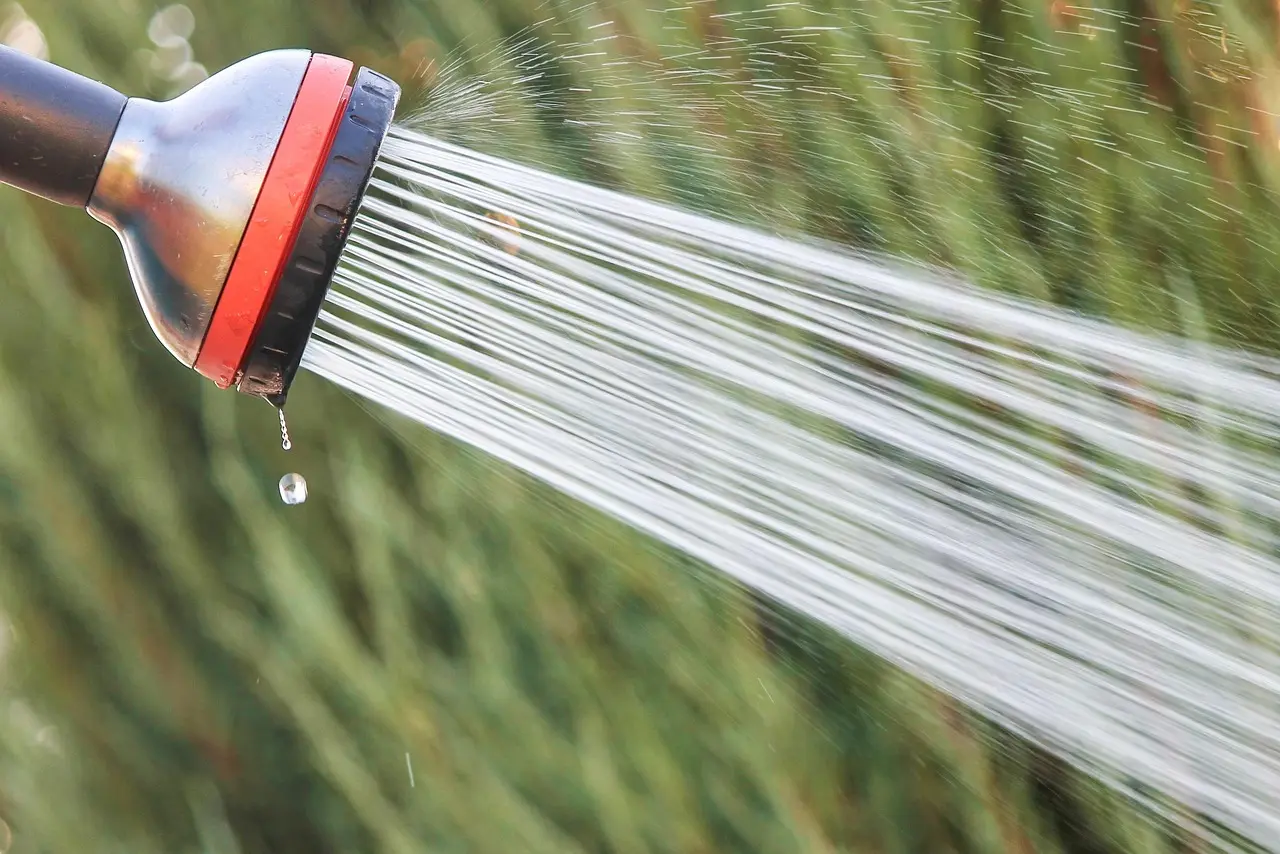
Eley’s 5/8 Inch Polyurethane Garden Hose is the premium pick for frequent detailing, especially if you want a hose that feels controlled, resists kinks, and uses machined brass fittings. The polyurethane shell is paired with a 10-year warranty, which signals a design aimed at long service rather than casual weekend use.
This is the hose to consider when washing often matters more than saving a few dollars. The brass fittings are more leak resistant and more corrosion resistant than plastic, and they usually hold up better than aluminum when the hose is handled repeatedly at the ends.
The drawback is price. That premium position makes most sense if you wash regularly and want a hose that is less likely to feel tired after many coils, uncoils, and driveway scrapes.
Why polyurethane and brass matter here
Polyurethane generally suits frequent use because it keeps the hose supple without relying on an expandable design. For detailing, that matters because you want predictable movement around paint-adjacent panels, not a hose that suddenly contracts or behaves differently as water pressure changes.
What the 10-year warranty signals
A long warranty does not make a hose indestructible, but it usually points to a product aimed at repeated use and longer ownership. For daily or near-daily detailing, that matters more than a low entry price that may be offset by earlier wear at the fittings or the jacket.
Tradeoffs to know before buying: premium hoses can still
Premium hoses can still be awkward in very small storage spaces. If you have a tight apartment closet or only need a quick rinse every few weeks, Eley may be more hose than you need.
Goodyear rubber hose: best for long reaches
Goodyear is positioned as a heavy rubber hose for rough use, and that makes it the strongest match for long reaches, rough-surface storage, and wash areas where abrasion is part of the routine. Rubber construction is usually the safer answer when the hose has to cross concrete edges, rough pads, or gravel more often than it crosses clean pavers.
The brass couplings and heavy build favor durability over ease. That tradeoff is useful when the hose spends time dragged across gritty ground, but it is less pleasant if you value a light hose that coils quickly after every wash.
The downside is weight. For some users, 100 feet of heavy rubber is overkill unless the driveway is long or the vehicle sits far from the water source.
Why the heavy rubber build suits rough surfaces
Rubber is better suited to drag abrasion than many lightweight alternatives. If your hose regularly crosses concrete seams or rough storage areas, the jacket is less likely to feel fragile, and the brass couplings add a sturdier connection point at the ends.
When 100 feet is actually useful
One hundred feet makes sense for larger properties, multiple parking spots, or vehicles that are parked well away from the spigot. It can also help when you do not want to reposition the hose while rinsing wheels, roof, and lower panels on a large SUV.
Tradeoffs to know before buying: that extra length and material
That extra length and material strength come with a handling penalty. If your wash setup is small, 100 feet can feel bulky, and the hose may be more annoying to store than it is useful.
Car wash hose decision matrix
| Pick | Hose type | Length | Fittings | Best for | Avoid if | Expected tradeoff |
|---|---|---|---|---|---|---|
| Flexzilla | Hybrid polymer garden hose | 50 feet | Anodized aluminum | Most home washes, mixed weather, moderate driveway length | You need the most abrasion resistance on rough ground | Light and easy to move, with less heft than rubber |
| Eley | Polyurethane garden hose | Best when paired with a 5/8-inch setup for frequent detailing | Machined brass | Daily detailing, repeat connections, buyers who want premium fittings | You wash only once in a while or want the lowest cost | More expensive, but built for frequent handling |
| Goodyear | Heavy rubber garden hose | 100 feet | Brass couplings | Long reaches, rough concrete, gravel edges, larger properties | You need a light hose for a compact driveway | Heavy and bulkier to coil, but more forgiving on rough surfaces |
Length, fittings, and surface conditions
Length matters because it changes how often you tug the hose across the car and driveway. Fittings matter because a leak at the coupling wastes water and creates drips at the exact place you keep picking up the hose. Surface conditions matter because rough concrete and gravel punish lighter jackets faster.
Picture a weekend wash in a shared apartment bay. A 25-foot hose may be enough if the tap is beside the stall, but a 50-foot hose gives more working room and less hose swapping. In a long driveway, 100 feet can spare you from dragging the line over the car’s path every few minutes.
Pressure washer hose versus garden hose
A pressure-washer hose is a different tool. It is meant for high-pressure use and is rated by PSI, such as the 3200 PSI hose option listed in product data. These hoses often use M22 or quick-connect fittings, and a 25-foot, 1/4-inch hose is common in that setup, which is why reach and maneuverability differ from a garden hose.
For car detailing, a pressure washer hose makes sense when you want the rinse pressure and are already using a pressure washer. For plain washing, a garden hose is easier, gentler, and usually less fussy to manage around the vehicle.
Diameter and flow tradeoffs
Five-eighths inch is the common garden-hose size because it balances flow and handling. A wider hose can improve water delivery, but it also adds weight and stiffness. A smaller line is easier to move, yet it can feel less convenient when you need steady rinse coverage across the car.
Pressure-washer setups often use 3/8-inch hose fittings in the broader system, while the actual hose may be 1/4 inch on some models. That is one reason the category should stay separate from garden hoses when you are choosing a car-washing setup.
Fittings and leak risk
Brass fittings are usually the strongest choice when leak resistance and corrosion resistance matter most. Anodized aluminum is lighter and still practical for car washing. Plastic is the least appealing option for frequent use because repeated connection cycles and thread wear can show up sooner at the ends.
A hose can be flexible and still frustrate you if the coupling weeps or loosens after a few sessions. That is why fittings matter as much as the jacket material.
Kink resistance and hose memory
Low-memory hose designs are easier to work with because they spring back without fighting the direction you uncoil them. Non-expandable hoses are usually the better fit for car washing because they keep their shape and behave predictably at the nozzle.
Expandable hoses are convenient for light tasks, but they are usually a poor fit for regular car washing. They can feel too soft under drag, and they are more likely to become annoying when you pull them around a vehicle or across concrete.
Choose Flexzilla if… / Choose Eley if… / Choose Goodyear if…
Choose Flexzilla if you want one hose that covers most home washes, you live with seasonal temperature swings, and you want light handling without paying a premium for heavy-duty rubber. It is also the sensible choice when your driveway is medium length and you want less fight from the hose at every corner.
Choose Eley if you detail often, care about premium fittings, and want a hose that is aimed at repeated connection cycles. It fits the buyer who values long-term ownership and a cleaner feel over a lower purchase price.
Choose Goodyear if your wash area is long, rough, or awkwardly laid out, and you need reach more than you need a light coil. It is the better answer when abrasion is the main failure mode you are trying to avoid.
Which one should you buy?
Buy Flexzilla if you want the safest all-around choice for most home car washing. Buy Eley if you wash often and want premium fittings with a polyurethane shell. Buy Goodyear if you need reach and rough-surface durability more than you need easy handling.
A common first-timer mistake is buying the longest hose available without checking the driveway layout. That often leaves you with extra weight, more storage fatigue, and no real gain in wash speed. Match the hose to the distance between the spigot and the farthest panel you normally reach.
- Measure the farthest wash point from the spigot.
- Pick 25 feet for tight bays or apartments, 50 feet for most homes, and 100 feet only when the reach is real.
- Choose brass for maximum leak resistance, aluminum for lighter handling, and avoid plastic if you connect and disconnect often.
- Use pressure-washer hose only when you need pressure-washer performance and fittings.
- Skip expandable designs if the hose will be dragged, coiled often, or used in colder weather.
Frequently asked questions
What is the best hose for washing a car?
The best hose for washing a car is the one that matches your driveway length, climate, and wash frequency. For most drivers, a 50-foot hybrid hose is the safest all-around choice because it balances reach, flexibility, and storage. If you detail often, a premium polyurethane hose makes more sense.
What is the best garden hose for car washing?
The best garden hose for car washing is usually a non-expandable 5/8-inch hose with kink resistance and corrosion-resistant fittings. Flexzilla fits that role for most households, while Eley is the better premium choice for frequent use. Goodyear is better when the driveway is rough or long.
Should I buy a 50-foot or 100-foot hose for car washing?
Buy 50 feet for most sedans, crossovers, and typical home driveways. Choose 100 feet only if the car sits far from the spigot, you wash large vehicles often, or you need to cover a bigger property. The extra length adds weight and storage bulk, so avoid it if you do not need the reach.
Is a hybrid hose better than rubber for washing cars?
A hybrid hose is usually better when you want a lighter, easier-to-handle hose for routine washing. Rubber is better when abrasion and rough storage are the main concerns. For most home users, hybrid offers the better balance; for rough concrete, gravel, or long reaches, rubber has the edge.
What hose diameter is best for car washing?
Five-eighths inch is the common garden-hose size because it balances flow and maneuverability. Smaller diameters can be easier to move, but they may be less convenient for longer rinses. Pressure-washer setups are a separate category and often use different hose sizes and fittings.
Are brass fittings better than aluminum or plastic on a car wash hose?
Brass fittings are usually the best for leak resistance and corrosion resistance, especially if you connect the hose often. Anodized aluminum is a good lighter alternative. Plastic is usually the least durable option for frequent car washing, where threads and seals get used over and over.
Can I use a pressure washer hose for car detailing?
Yes, if you are already using a pressure washer and want that type of rinse setup. Pressure-washer hoses are designed for PSI-rated use and often use M22 or quick-connect fittings. They are not a substitute for a simple garden hose when you want easy, low-fuss wash-day movement.
How do I keep a hose from kinking while washing a car?
Use a hose with low-memory, non-expandable construction and avoid sharp bends near the spigot or nozzle. Keep the hose fully uncoiled before use, move it with the wash path instead of yanking it, and choose a length that does not force tight loops around the car or driveway edge.
What is the best hose attachment for washing cars?
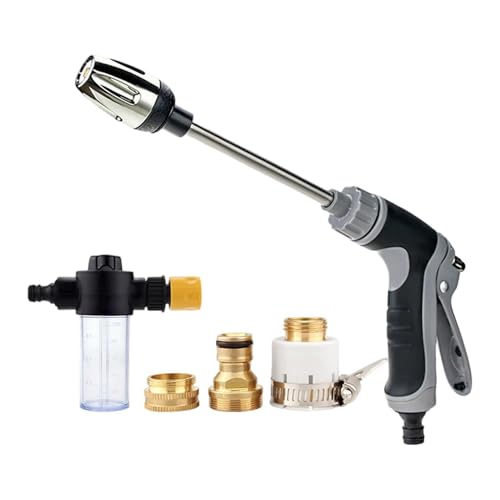
The best attachment is usually a simple spray nozzle or shutoff nozzle that gives you control without adding too much weight at the end of the hose. For pressure-washer users, the right quick-connect setup matters more than a bulky nozzle. Keep the attachment simple and easy to control with wet hands.
Products related to this article
Sponsored / affiliate links. As an Amazon Associate I earn from qualifying purchases. I may earn additional commission from eligible campaigns.