Should You Wax A Car After Ceramic Coating? Do This Instead
It’s a question many car owners ask after investing in a shiny new ceramic coating. You’re proud of that glossy finish. You want to keep it looking its best.
So, the thought pops up: should you wax a car after ceramic coating? It feels like a natural next step, right? Like adding an extra layer of protection.
But here’s the surprising truth. Waxing a car that already has a ceramic coating isn’t just unnecessary; it can actually be counterproductive. It might even hide the very benefits you paid for.
Let’s dive into why this is and, more importantly, what you should be doing instead to keep that ceramic coating looking like a million bucks.
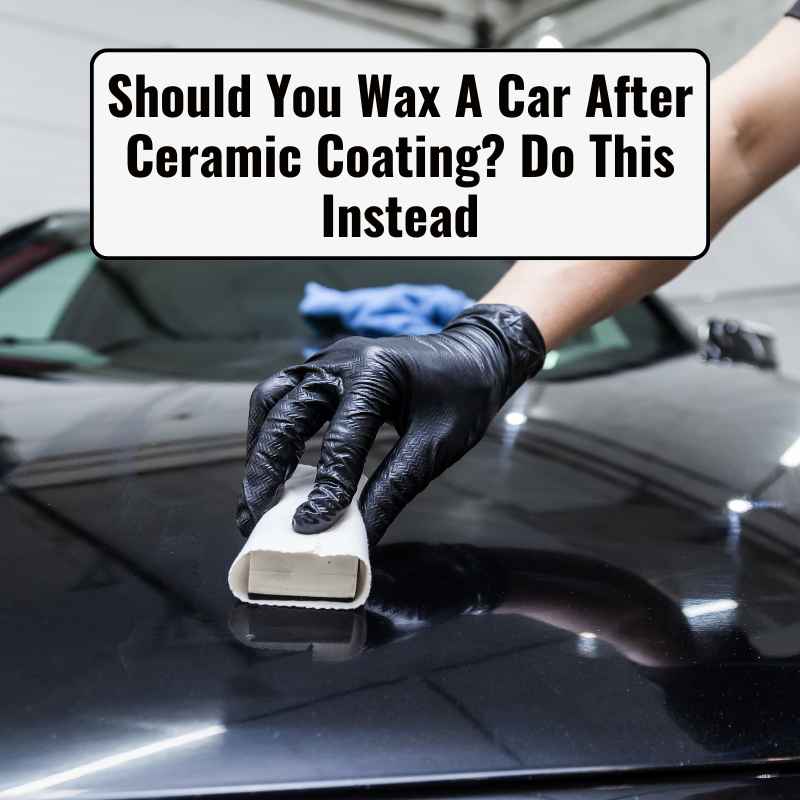
Ceramic coating provides a strong, durable layer of protection. Waxing over it is not recommended. It can interfere with the coating’s hydrophobic properties and reduce its longevity. Focus on proper washing and specialized maintenance products instead.
Understanding Ceramic Coatings and Why Wax Doesn’t Fit
First off, what exactly is a ceramic coating? Think of it as a liquid glass shield for your car’s paint. It chemically bonds to your car’s clear coat.
This creates a hard, protective layer. This layer is much more durable than traditional waxes or sealants.
Ceramic coatings offer amazing benefits. They provide superior gloss. They make washing your car a breeze because dirt and grime slide right off.
They offer protection against UV rays, chemical stains, and minor scratches. They create a super-slick surface. This slickness is what gives them their incredible hydrophobic properties.
Water beads up and rolls away.
Now, let’s talk about wax. Car wax, typically made from carnauba or synthetic polymers, sits on top of your car’s paint. It offers a beautiful shine and some protection.
But it’s a temporary solution. Wax layers are soft. They wear away with washing and environmental exposure.
When you apply wax over a ceramic coating, you’re essentially putting a temporary, softer layer on top of a permanent, harder layer. It’s like putting a thin plastic sheet over a stainless steel countertop. It doesn’t add real value.
It can actually hinder the performance of the ceramic coating.
The main issue is that wax can fill in the microscopic pores of the ceramic coating. This can reduce its ability to repel water. The slickness you love might diminish.
The self-cleaning properties can become less effective. You paid for that advanced protection. You don’t want to cover it up with something less effective.
My Own “Oops” Moment with Waxing
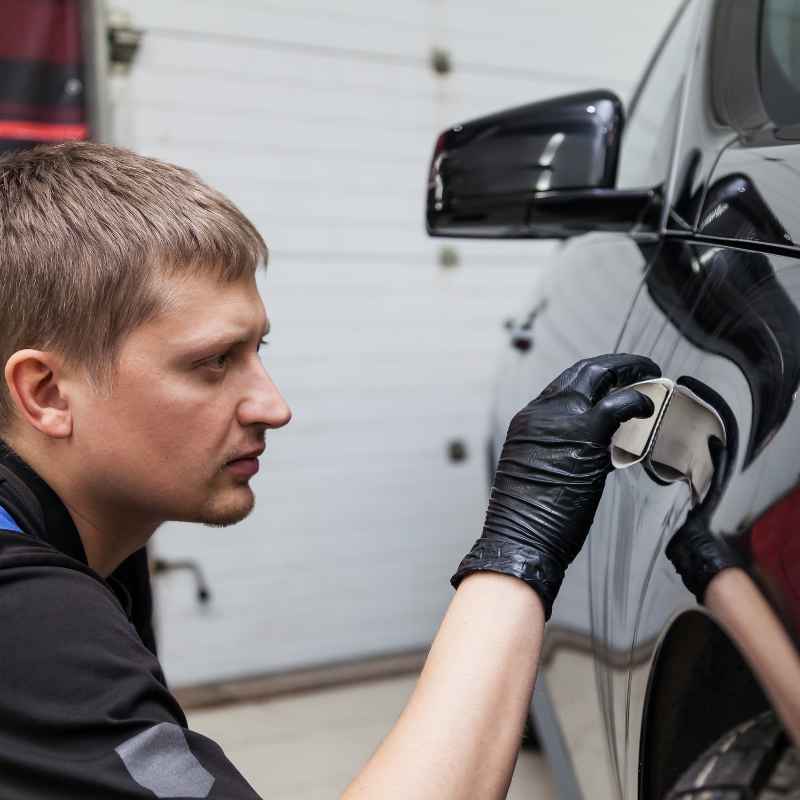
I remember a few years back. I had just detailed a friend’s new car. It had a fresh, top-tier ceramic coating.
It looked incredible. The owner was thrilled. Of course, I was proud too.
Later that week, he called me, sounding a bit worried. “Hey, I saw this new ‘super-shine’ wax at the auto parts store,” he said. “It promises an insane gloss.
I figured if the coating is great, adding more shine would be even better, right? I put a coat on it.”
My heart sank a little. I knew immediately this wasn’t ideal. When he brought the car back, the shine was.
okay. But the water no longer beaded and rolled off the paint with that same aggressive energy. It was sheeting more than beading.
The hydrophobic effect was clearly dulled. He had used a good quality wax, but it was still masking the ceramic’s superpower. We spent the next hour carefully removing the wax.
It was a lesson learned for both of us. The ceramic coating was still there, thankfully. But it took effort to get its full performance back.
That’s when I really hammered home the “no wax on ceramic” rule.
Why Waxing Can Hinder Your Ceramic Coating’s Performance
Let’s break down the “why” more deeply. Ceramic coatings create a surface tension. This is what causes water to bead up.
These beads are small and round. They have less contact with the paint surface. This makes it easier for them to roll off.
As they roll, they pick up dirt and debris. This is the self-cleaning effect.
When you apply wax, you are introducing a different material. This material has its own surface properties. It’s often softer and more porous than the ceramic.
The wax can fill the microscopic imperfections on the ceramic surface. This smooths out the surface in a different way. It makes the water spread out instead of forming tight beads.
It’s like turning a bumpy, water-shedding surface into a flatter, more receptive one. The result? Reduced water beading and less effective self-cleaning.
Think of it like this: your ceramic coating is a high-tech, non-stick pan. Wax is like spraying it with cooking oil before you cook. The oil might make some things slide, but it can also leave a residue.
It can make the pan harder to clean later. The non-stick properties aren’t as good with the oil on top as they are when the pan is clean and dry.
Additionally, waxes break down over time. They can degrade under UV light and harsh weather. When a wax layer breaks down on top of a ceramic coating, it can leave behind a hazy residue.
This residue can be tough to remove without damaging the underlying ceramic. It defeats the purpose of having a long-lasting coating.
The beauty of a ceramic coating is its durability and performance. You want to maintain those qualities. Adding wax is like putting a temporary bandage on a permanent shield.
It doesn’t enhance. It obstructs.
Ceramic Coating vs. Wax: A Quick Look
Ceramic Coating:
- Chemically bonds to paint.
- Forms a hard, durable layer.
- Lasts years.
- Super hydrophobic (water beads strongly).
- Excellent UV and chemical resistance.
- Self-cleaning properties.
Car Wax:
- Sits on top of paint.
- Soft, temporary layer.
- Lasts weeks to months.
- Less hydrophobic (water sheets more).
- Limited UV and chemical resistance.
- Minimal self-cleaning.
So, What Should You Do Instead of Waxing? Proper Care is Key.
The good news is that caring for a ceramic-coated car is actually simpler than you might think. It’s all about proper washing and using the right maintenance products. Forget the wax aisle.
Focus on these steps:
1. Washing is Your Primary Tool
This is the most crucial step. A good wash will maintain the hydrophobic properties and gloss of your coating. Always start by rinsing your car thoroughly.
This removes loose dirt and grit. This prevents them from scratching the paint during washing.
Use a pH-neutral car shampoo. Avoid harsh detergents. These can strip away protective layers, even a ceramic coating over time.
A two-bucket wash method is highly recommended. One bucket for soapy water, and one for rinsing your wash mitt. This prevents transferring dirt back onto the paint.
Use a plush microfiber wash mitt. Gently glide it over the surface. Work from top to bottom.
Rinse the mitt frequently in the clean water bucket. After washing the entire car, rinse thoroughly again. Make sure no soap residue remains.
The drying process is also important. Use high-quality microfiber drying towels. These are super absorbent and soft.
Blot the water or gently drag the towel across the surface. Avoid vigorous rubbing. This can still cause minor scratches.
Some people even use a leaf blower or a dedicated car dryer to blow water off the surface. This avoids any towel contact altogether.
2. Embrace Quality Detailing Sprays and Boosters
This is where you can enhance your ceramic coating’s performance. There are many detailing sprays and ceramic boosters on the market. These products are specifically designed to work with ceramic coatings.
They won’t interfere with its properties. Instead, they can actually boost them.
Ceramic boosters are often sprayable sealants or top coats. You apply them after washing and drying. They add an extra layer of gloss and slickness.
They can also enhance water beading. Think of them as a refresh for your coating. They can make the water bead even more aggressively.
They add a little extra protection against environmental contaminants.
When using these, always follow the product instructions. Typically, you’ll spray a small amount onto a clean microfiber applicator or directly onto a panel. Then, gently spread it out.
Buff off any excess with a clean, dry microfiber towel. It’s a quick process. It adds a noticeable boost to the coating’s appearance and water-repelling abilities.
Some people use quick detailer sprays in between washes. These are great for removing light dust or fingerprints. They add a bit of gloss too.
Just make sure the quick detailer is ceramic-coating safe. Many are, but it’s always good to check the label.
Quick Shine Boosters: Ceramic Coating’s Best Friend
What they are: Sprayable products designed to enhance ceramic coatings.
How they help:
- Boost gloss.
- Enhance water beading.
- Add a slicker feel.
- Provide a light layer of extra protection.
- Make future washes easier.
When to use: After washing and drying, or as needed for a quick refresh.
3. Be Mindful of Contaminants
Bird droppings, bug splatter, tree sap, and tar are enemies of any car finish. On a ceramic coating, they are less likely to bond permanently. But they can still etch the surface if left too long.
Deal with these promptly.
For fresh bird droppings or bug splatter, a quick detailer spray and a soft microfiber towel are usually enough. Spray the area liberally. Let it soak for a minute.
Gently wipe away the mess. For stubborn sap or tar, you might need a dedicated tar and bug remover. Always ensure it’s ceramic-coating safe.
Test it on an inconspicuous area first if you’re unsure.
Regular washing is your first line of defense. If you wash your car consistently, you’ll catch these contaminants before they cause real problems.
4. Avoid Harsh Chemicals and Abrasives
This might seem obvious, but it’s worth repeating. Stay away from abrasive polishes, compounds, and harsh degreasers. These are designed to cut through paint imperfections.
They can also cut through your ceramic coating. Even a mild polish, if used incorrectly, can dull the finish and reduce the coating’s effectiveness.
Stick to pH-neutral soaps for washing. Use dedicated ceramic coating maintenance products. If you have a scratch that a polish would normally fix, you might need to have the ceramic coating itself repaired or reapplied by a professional.
That’s the trade-off for its extreme durability.
Never use abrasive sponges, steel wool, or stiff brushes on your ceramic-coated car. Always use soft, plush microfiber towels and wash mitts.
The Difference Between a Booster and a Wax
It’s easy to confuse ceramic boosters with waxes, especially since they both aim to improve shine and slickness. But their fundamental nature and interaction with your car’s surface are different.
Ceramic Boosters: These products often contain SiO2 (silicon dioxide) or TiO2 (titanium dioxide), the same ingredients found in ceramic coatings. They are designed to bond with or enhance the existing ceramic layer. They don’t add a soft, temporary film like wax.
They reinforce and build upon the ceramic structure. This means they preserve and even improve the hydrophobic properties and longevity of the coating.
Waxes: As we’ve discussed, waxes are typically made from carnauba or synthetic polymers. They create a separate layer on top of whatever is beneath them. This layer is prone to degradation and can obscure the properties of a ceramic coating.
They don’t chemically interact with the ceramic layer; they just sit on top.
So, while both might make your car look shinier, only ceramic boosters work with your ceramic coating. Waxes work against it.
Myths vs. Reality: Waxing Your Ceramic Coating
Myth: Waxing adds extra protection.
Reality: Waxing can reduce the protection of your ceramic coating by hindering its hydrophobic properties.
Myth: Waxing makes the car shinier than ceramic alone.
Reality: A well-maintained ceramic coating provides excellent gloss. Wax can create a hazy layer that dulls the true shine and depth of the ceramic.
Myth: It’s okay to wax occasionally.
Reality: Even occasional waxing can degrade the coating’s performance. It’s best to avoid it altogether and use dedicated maintenance products.
Signs Your Ceramic Coating Needs Attention (Not Wax)
How do you know if your ceramic coating is performing as it should? Look for these signs. They indicate it’s time for proper maintenance, not waxing.
1. Water Behavior
This is the most obvious indicator. If water is no longer beading up into tight, round beads that roll off the surface, your coating’s hydrophobic properties are diminishing. Instead, you might see water sheeting (spreading out in a thin layer) or spotting.
In the beginning, after a wash, water should practically jump off your car. If it clings to the surface and requires a lot of drying effort, something is off. This is a sign that either the coating is breaking down, or a contaminant (like wax, or residue from harsh detergents) is blocking its performance.
2. Dirt Adhesion
One of the biggest perks of ceramic coating is how easily dirt washes off. If you notice that dirt and grime are starting to stick to your car more stubbornly after washing, it could mean the slick surface is compromised. The protective layer might be weakened, or something is interfering with it.
You should be able to rinse most dirt off with just a hose. If you’re having to scrub more vigorously than before, pay attention. This suggests the coating is not performing at its peak.
3. Swirl Marks or Etching
While ceramic coatings offer resistance to minor scratches and etching, they aren’t invincible. If you start seeing fine swirl marks appear after washing, or notice etching from bird droppings or bug splatter that didn’t rinse off easily, it’s a sign that the coating’s protective barrier might be thinning.
This is when you should reach for a ceramic booster or a dedicated coating cleaner, not wax. These products are designed to reinforce the existing coating. They can fill in minor imperfections and restore that protective slickness.
4. Loss of Depth and Clarity
A good ceramic coating gives your paint an incredible depth of shine. The color looks richer, and the gloss is wet-looking. If your car starts to look a bit dull, or the color seems less vibrant, it could be a sign that the coating’s performance is degrading.
Again, this is not a cue to wax.
You need to restore the coating’s natural properties. This is achieved through proper cleaning and the application of maintenance products. These restore the clarity and the inherent gloss of the ceramic itself.
Signs Your Ceramic Coating Needs a Boost, Not a Wax
Water behavior changes: From tight beads to sheeting.
Dirt clings more: Washing becomes harder.
New swirl marks or etching: Surface is more vulnerable.
Dullness or lost depth: Gloss is not as vibrant.
Reduced slickness: Paint doesn’t feel as smooth.
A Note on Professional Ceramic Coating Reapplication
Ceramic coatings are designed to last a long time. We’re talking years, not months. However, nothing lasts forever.
Over time, especially with heavy wear and tear, or if not maintained properly, the coating can eventually wear down. This might happen sooner than you expect if you’re not careful.
If your coating is truly failing – meaning you’ve tried proper maintenance products and it still isn’t performing – it might be time for a professional inspection. A reputable detailer can assess the condition of your coating. They can determine if it needs reapplication.
Typically, before reapplying a ceramic coating, the old coating needs to be fully removed. This usually involves machine polishing. This is why it’s so important not to damage the existing coating with improper products like wax.
The key is preventative care. Regular, proper washing and the use of ceramic boosters will extend the life of your coating significantly. This saves you money and hassle in the long run.
It also ensures you continue to enjoy the benefits you paid for.
The Final Word: Protect Your Investment by Not Waxing
The allure of a quick shine from wax is strong. But when it comes to a ceramic coating, it’s a trap. You’ve invested in advanced protection and an incredible aesthetic.
Don’t undermine it with outdated methods.
Instead of reaching for wax, embrace the simpler, more effective way to care for your ceramic coating. Focus on gentle, pH-neutral washes. Use high-quality microfiber towels.
And, when you want to add that extra pop of gloss or boost water repellency, choose products specifically designed for ceramic coatings. These ceramic boosters and detailing sprays will enhance, not hinder, your coating’s performance.
By understanding how ceramic coatings work and avoiding common mistakes like waxing, you’ll keep your car looking stunning for years to come. It’s about working with the technology, not against it. Enjoy that incredible shine and the ease of maintenance that only a well-cared-for ceramic coating can provide.
Frequently Asked Questions About Waxing and Ceramic Coatings
Can I wax my car if it has a ceramic coating?
No, it is not recommended to wax a car that has a ceramic coating. Waxing can interfere with the hydrophobic properties of the ceramic coating, reduce its self-cleaning capabilities, and potentially diminish its shine and longevity.
Why is waxing bad for ceramic coatings?
Wax is a temporary sealant that sits on top of the paint. When applied over a ceramic coating, it can fill in the microscopic pores, dulling the extreme water beading (hydrophobic effect) and slickness that the ceramic coating provides. It also adds a layer that degrades faster than the ceramic itself.
What should I use instead of wax on a ceramic coated car?
Instead of wax, use products specifically designed for ceramic coatings. This includes pH-neutral car shampoos for washing, dedicated ceramic boosters or spray sealants for enhancing gloss and protection, and ceramic-safe quick detailer sprays for light cleaning between washes.
How often should I wash a ceramic coated car?
Washing your ceramic coated car regularly, ideally every 1-2 weeks, is key to maintaining its performance. This prevents contaminants from bonding and helps keep the hydrophobic properties at their best. Always use proper washing techniques.
Will a ceramic booster harm my ceramic coating?
No, ceramic boosters are formulated to work with existing ceramic coatings. They enhance the coating’s properties, such as gloss and water beading, without causing harm. They essentially reinforce and extend the life and performance of the original coating.
How long does a ceramic coating typically last?
A professionally applied ceramic coating can last anywhere from 2 to 5 years, or even longer, depending on the product quality, application, and most importantly, the maintenance regimen. Proper care is crucial for longevity.
Conclusion
So, should you wax a car after ceramic coating? The clear answer is no. It’s an unnecessary step that can actively harm the performance of your advanced coating.
Focus on proper washing and using specialized ceramic maintenance products. This approach preserves the shine, slickness, and self-cleaning abilities you invested in, ensuring your car looks its best for years to come.
Products related to this article
Sponsored / affiliate links. As an Amazon Associate I earn from qualifying purchases. I may earn additional commission from eligible campaigns.