What Are Automotive Services? Definition, Categories & Careers
Automotive services are the maintenance, repair, diagnostic, and cosmetic-care work — oil changes to ADAS calibration — that keeps cars and trucks safe and running, unless the job is pure DIY. Skipping routine service is a common cause of avoidable breakdowns and can void a warranty. This guide covers what counts as an automotive service, who performs them, and how EV and ADAS work fit in.
Quick Answer
Automotive services are any professional work done on a vehicle to maintain, repair, or improve it — routine care (oil changes, tire rotations), major repairs (engine, brakes, transmission), and specialty work (detailing, ADAS calibration, EV battery service). Dealerships, independent shops, and retail chains like Walmart perform them, often through ASE-certified technicians, the industry’s standard credential.
What Do Automotive Services Include?
Automotive services are the professional maintenance, repair, and enhancement tasks performed on cars, trucks, and other motor vehicles — covering everything from a routine oil change to a multi-thousand-dollar transmission rebuild. The scope spans mechanical work, electrical diagnostics, cosmetic detailing, and, increasingly, the software and sensor calibration that newer vehicles require.
Rather than one uniform job, automotive services break down into several distinct categories, each with a different provider, cost range, and urgency level:
| Category | What It Covers | Example Services |
|---|---|---|
| Preventive maintenance | Scheduled upkeep that prevents failure | Oil changes, tire rotations, fluid top-offs |
| Corrective repair | Fixing something that has already failed | Brake pad replacement, alternator repair, transmission fixes |
| Specialized/technical | High-complexity work needing extra tools or training | ADAS calibration, EV battery diagnostics, transmission rebuilds |
| Cosmetic/detailing | Appearance and interior upkeep | Waxing, upholstery cleaning, paint touch-up |
| Safety & compliance | Required inspections and certifications | Emissions testing, state safety inspections |
| Emergency/roadside | On-demand help away from a shop | Towing, jump-starts, lockout service |
These aren’t just a mechanic’s checklist — they map closely to how the U.S. Bureau of Labor Statistics and industry certifying bodies classify the automotive repair and maintenance trade, a distinction covered in more detail in the section below on who actually performs these services.
Why Automotive Services Matter for Vehicle Longevity
Proper automotive service plays a direct role in how long a vehicle lasts and what it’s worth when you eventually sell it. Four reasons stand out:
- Preventive maintenance: Regular oil and fluid checks keep the engine running smoothly and slow wear on vital components.
- Early problem detection: Routine inspections catch small issues, like a slow brake fluid leak, before they become expensive repairs.
- Optimal performance: Well-maintained vehicles get better fuel efficiency and a safer, smoother ride.
- Resale value: A documented service history is one of the strongest signals to a buyer that a car has been cared for.
Who Provides Automotive Services? Industry Snapshot
Automotive services aren’t delivered by one type of business. They come from new-car dealership service centers, independent repair shops, specialty shops (transmission, body, tire), and retail service centers, most staffed at least partly by ASE-certified technicians.
📊 The U.S. Bureau of Labor Statistics projects about 70,000 automotive service technician and mechanic job openings a year through 2034, with a median annual wage of $49,670 (May 2024). — Source: BLS Occupational Outlook Handbook
“To serve the transportation industry as an independent third party that upholds and promotes high standards of service and repair through the assessment, certification, and credentialing of current and future industry professionals.”
— ASE (National Institute for Automotive Service Excellence), founded 1972
That mission is why ASE certification — not a specific brand or shop — is the credential worth checking first, whichever type of provider you choose.
Routine Maintenance Services
Routine maintenance is the most common category of automotive service: the recurring, scheduled work that prevents small issues from becoming expensive repairs. For a complete category-by-category breakdown of every service type, see our companion guide, Types of Automotive Services.
Oil Changes
Oil changes are the most frequent automotive service, but the old “every 3,000 miles” rule is outdated for most modern vehicles. Manufacturers now typically call for conventional oil changes every 5,000 to 7,500 miles and full synthetic oil every 7,500 to 10,000 miles — some vehicles with oil-life monitoring systems can safely stretch to 15,000 miles. Consumer Reports recommends following your owner’s manual over a generic mileage number, since oil type and driving conditions both change the real interval. Skipping oil changes altogether still risks engine wear and, eventually, failure.
Tire Rotations and Pressure Checks
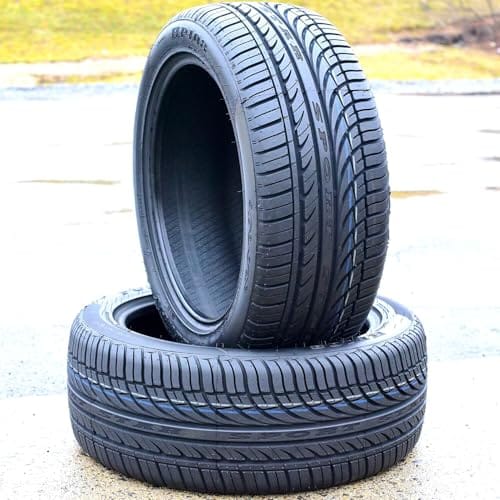
Tires need regular attention to last as long as they should. Rotations distribute wear evenly across all four tires, while pressure checks keep them inflated to the automaker’s recommended PSI. Properly inflated tires improve fuel efficiency and reduce the risk of a blowout.
Fluid Level Refills
Vehicles rely on several fluids beyond engine oil, including brake fluid, transmission fluid, and coolant. Checking and refilling these on schedule helps prevent overheating, brake failure, and transmission damage down the line.
Repair Services
Repair services address problems that have already developed — as opposed to the scheduled work above. This category includes body shops, transmission shops, and general mechanical repair, and it’s where most of the unpredictable cost in vehicle ownership comes from.
Engine Diagnostics
When the check engine light comes on, engine diagnostics use specialized scan tools to identify the specific problem — misfiring, poor fuel efficiency, or stalling — so a technician can make an accurate repair instead of guessing.
Brake System Repairs
Brake system repairs cover pad replacement, brake fluid flushes, and rotor resurfacing. Because the brake system is directly tied to vehicle safety, a thorough inspection typically precedes any repair to confirm exactly what needs attention.
Transmission Issues
Slipping gears, unusual noises, and difficulty shifting all point to transmission problems. Technicians diagnose these with a combination of computer scans and road tests before recommending a fluid service, a partial repair, or a full rebuild.
Advanced and Modern Automotive Services
A separate tier of service exists for drivers who want more than baseline upkeep, or whose vehicle simply requires it. This includes electronic systems calibration (engine control module and airbag sensor adjustments), suspension tuning for handling and ride comfort, and performance upgrades like exhaust, intake, or ECU tuning. Two newer categories now belong here too.
ADAS Calibration After Windshield or Sensor Work
Replacing a windshield used to be purely cosmetic — it isn’t anymore. Nearly 9 out of 10 vehicles built since 2023 mount a forward-facing camera to the windshield glass for advanced driver-assistance systems (ADAS) like lane-keep assist and automatic emergency braking. Swapping that glass shifts the camera’s alignment, so it needs recalibration using static (parked), dynamic (in motion), or dual methods to restore factory accuracy. The same recalibration is often required after a wheel alignment, suspension repair, or bumper replacement, and when the triggering work follows a covered collision claim, the calibration itself is typically included in the insurance payout.
EV and Hybrid High-Voltage Battery Service
Electric and hybrid vehicles add a service category that barely existed a decade ago: high-voltage battery diagnostics and repair, which requires technicians with dedicated EV safety training (beyond standard ASE gasoline-engine certification) to work safely around 400-volt-plus systems. One overlooked wrinkle: interrupting power during high-voltage battery service can also clear a vehicle’s ADAS calibration data, meaning an EV that just had battery work done may need its cameras and sensors recalibrated again before it’s fully roadworthy.
Specialty Automotive Services
Beyond maintenance and repair, specialty automotive services cover personalized work that changes how a vehicle looks or performs.
Custom Body Work
Custom body work involves personalized modifications to a vehicle’s exterior to improve both appearance and, in some cases, aerodynamics.
Paint Services
Paint services range from small touch-ups to a full color change, and typically involve base coat, clear coat, and color-matching to the factory finish.
Vehicle Customizations
Customizations cover everything from installed accessories to performance upgrades and personalized interior or exterior features.
Safety and Emissions Compliance
Safety and emissions services keep a vehicle both legally compliant and safe to drive, and in many states they’re a required condition of registration.
Brake Inspections
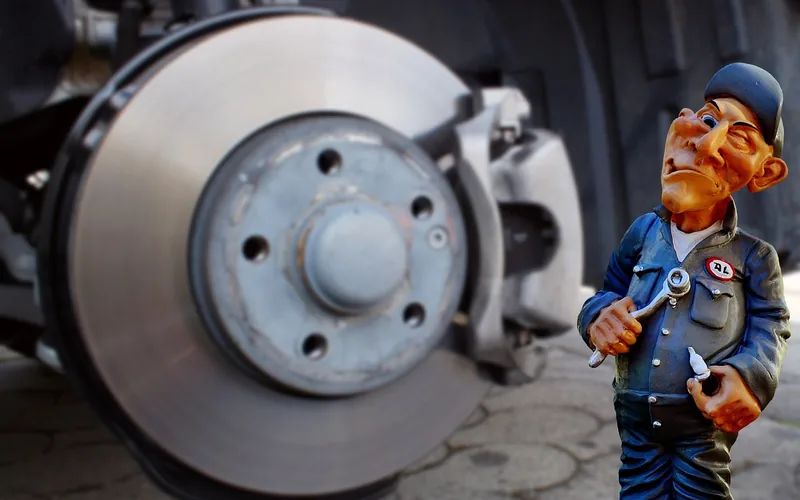
Regular brake inspections check pads, rotors, and lines so that issues are caught and addressed before they compromise stopping distance.
Emissions Testing
Emissions testing measures the pollutants a vehicle releases, confirming it meets the environmental standards set by state or federal regulators.
Safety Certifications
Safety certifications cover inspections that verify a vehicle meets required safety standards, from airbag function to structural integrity.
Detailing and Cosmetic Care
Detailing and cosmetic services maintain a vehicle’s appearance and condition without touching anything mechanical.
Interior Detailing
Interior detailing involves deep cleaning and restoring the cabin, from carpets and seats to dashboard and trim.
Exterior Waxing and Polishing
Waxing and polishing protect a vehicle’s paint from the elements while restoring its shine.
Upholstery Maintenance
Upholstery maintenance covers cleaning and conditioning seats and other fabric or leather surfaces.
Emergency and Roadside Assistance
When something goes wrong away from a shop, emergency and roadside assistance services get a driver back on the road safely.
Towing Services
When a vehicle can’t be fixed on the spot, a tow truck transports it to a repair shop or another location of the owner’s choosing.
Roadside Repairs
Roadside repairs handle quick fixes, like a flat tire or a minor mechanical issue, so a driver can continue without needing a tow.
Jump-Starts and Lockouts
A dead battery or an accidental lockout can both be resolved on the spot with a jump-start or lockout service, saving a trip to the shop.
Choosing the Right Automotive Service Provider
Choosing the right provider matters as much as the service itself. A few factors make the decision easier.
Dealership vs. Independent Shop
Dealership service centers specialize in one manufacturer’s vehicles and stock original parts. Independent shops usually offer lower labor rates and more flexible scheduling. Your vehicle’s warranty terms, service needs, and budget should drive this decision.
Certifications and Qualifications
Look for technicians certified by the National Institute for Automotive Service Excellence (ASE) or a similarly reputable body. Certification confirms a baseline of tested skill and knowledge, not just years on the job.
Retail chains have also become a common option for basic services. Big-box stores like Walmart, Costco, and Sam’s Club all run automotive service centers alongside their retail stores, typically covering tires, batteries, and oil changes rather than major repairs.
Customer Reviews and Feedback
Prioritize providers with consistently positive reviews. Online platforms give a useful window into real customer experiences, response times, and how a shop handles problems when something doesn’t go as planned.
Frequently Asked Questions
What Is the Meaning of Automotive Services?
Automotive services refer to the maintenance, repair, and rental services performed on vehicles such as cars and trucks. This includes body shops, transmission shops, lubrication and emissions centers, tire stores, car washes, auto glass shops, and car rentals. Routine maintenance, major repairs, and fuel station services all fall under this term.
What’s the Difference Between Automotive Services and Auto Repair?
Auto repair is one category within automotive services — the reactive fixes for something that’s already broken, like a failed alternator or a leaking gasket. Automotive services is the broader industry term that also includes routine maintenance, diagnostics, detailing, safety inspections, and roadside assistance, whether or not anything is actually malfunctioning.
What Is the Meaning of Car Service?
Car service refers to maintenance procedures performed on a vehicle at regular intervals or after a set distance traveled. It includes repairs, rentals, and general upkeep, plus services like body shops, transmission shops, tire stores, and car washes.
Who Performs Automotive Services?
Automotive services are performed by ASE-certified technicians at new-car dealerships, independent repair shops, specialty shops (transmission, body, tire), and retail service centers run by chains like Walmart and Costco. The U.S. Bureau of Labor Statistics projects about 70,000 job openings a year in this field, with a median wage of $49,670 (May 2024).
Does “Automotive Services” Include EV and Hybrid Repair?
Yes. As EVs and hybrids have become common, automotive services now include high-voltage battery diagnostics, EV-specific safety certification, and calibration of the driver-assistance sensors that can lose their settings during that work — a category that barely existed a decade ago.
What Should I Look for When Choosing an Automotive Service Provider?
Prioritize ASE-certified technicians, transparent written estimates, and a shop that fits your vehicle’s warranty requirements. Dealerships offer manufacturer-specific expertise, while independent shops and retail chains like Costco or Sam’s Club often cost less for routine work like tires, batteries, and oil changes.
Conclusion
Automotive services cover far more than an oil change — routine maintenance, major repairs, safety inspections, detailing, and now ADAS calibration and EV battery care all fall under the term. Whichever provider you choose, ASE certification is the one credential worth checking first, and our Types of Automotive Services guide covers every category in more depth if you want the full breakdown.
Products related to this article
Sponsored / affiliate links. As an Amazon Associate I earn from qualifying purchases. I may earn additional commission from eligible campaigns.