What Car Rental Companies Do Not Require A Deposit: Essential Guide
The quick answer is: While most major car rental companies require a security deposit, some smaller or regional companies, or specific rental agreements through third-party sites like Kayak or Priceline, might offer rentals without an upfront deposit, often with strict credit requirements. Always check the specific terms and conditions.
Getting a rental car is a fantastic way to explore new places or handle transportation needs. But sometimes, that upfront security deposit can feel like a hurdle, especially if you’re trying to manage your budget carefully. Many people worry about whether they can get a car without having to tie up a significant amount of money. It’s a common concern, and you’re not alone! Thankfully, there are ways to navigate this. This guide will walk you through how to find car rental options that may not require a large security deposit, making your travel planning smoother and more affordable.
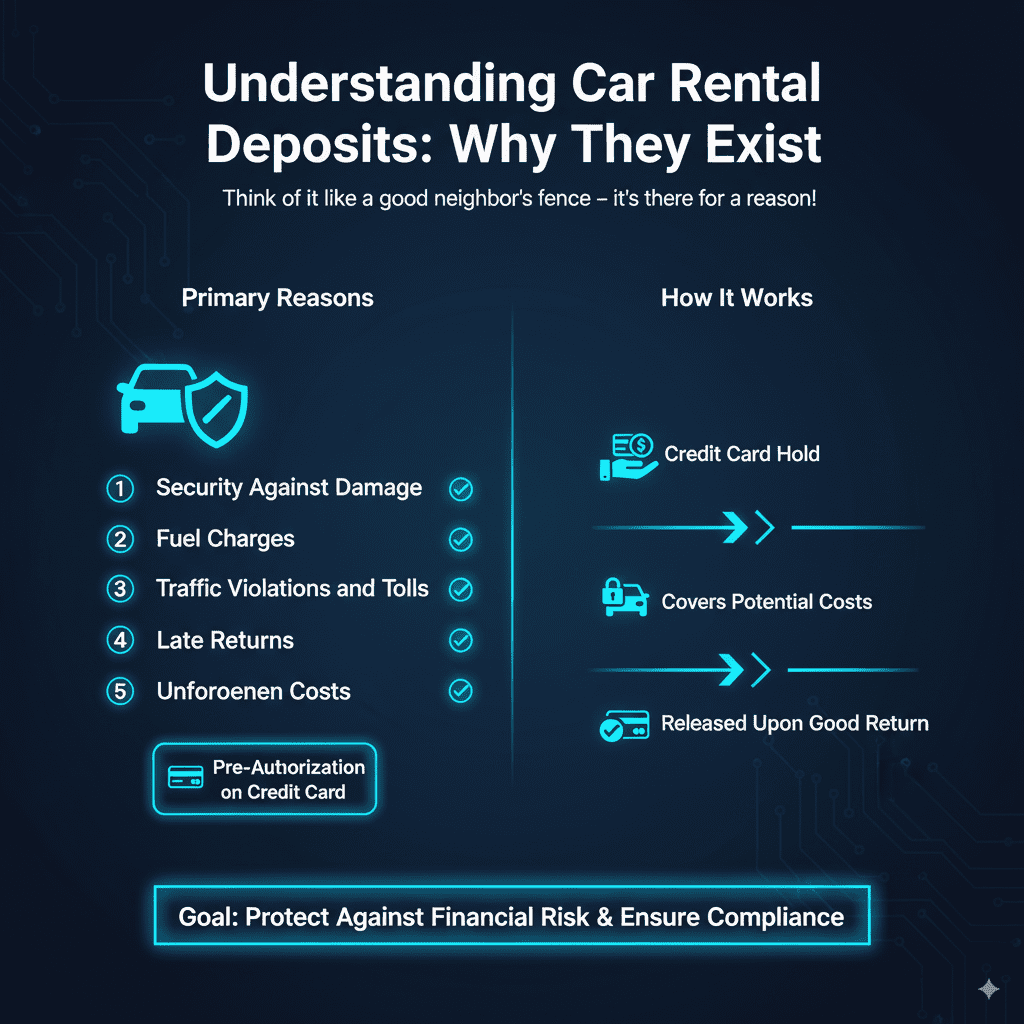
Understanding Car Rental Deposits: Why They Exist
Before we dive into finding companies without deposits, it’s helpful to understand why rental companies ask for them in the first place. Think of a car rental deposit like a good neighbor’s fence – it’s there for a reason, to ensure everything stays in good order!
- Security Against Damage: The primary reason for a deposit is to cover any potential damage that might occur to the rental vehicle while it’s in your care. This can include minor scuffs, major accidents, or even damage from driving on unpaved roads when it’s not allowed.
- Fuel Charges: If you don’t return the car with the same amount of fuel it had at pickup, the deposit can be used to cover the cost of refueling it.
- Traffic Violations and Tolls: Rental companies often charge administrative fees for processing traffic tickets or unpaid tolls incurred during your rental period. The deposit helps ensure these costs can be covered.
- Late Returns: If you happen to return the car later than agreed without prior arrangement, a portion of your deposit might be used to cover the extended rental period or associated fees.
- Unforeseen Costs: Occasionally, there might be other minor charges, like cleaning fees if the car is returned excessively dirty, which the deposit can help to offset.
These deposits are typically placed as a pre-authorization on a credit card, meaning the money isn’t actually charged but is held, preventing you from spending it. It’s released back to your card after you return the car in good condition and settle any outstanding charges.
Companies That Might Not Require a Traditional Deposit (With Caveats)
Finding major rental companies that never require a deposit is quite rare, as the deposit serves as a crucial financial safeguard for them. However, there are specific scenarios and types of rental services where a traditional, upfront deposit might be avoided or significantly reduced. It’s important to understand that “no deposit” often comes with its own set of conditions.
1. Specific Online Travel Agencies (OTAs) and Aggregators
Sometimes, booking your rental car through an online travel agency or a price comparison website can present options with no or lower security deposits. These platforms aggregate deals from various rental companies, and some may have special promotions.
- How it works: These platforms might negotiate partnerships that allow for different deposit structures, especially for promotional periods or for bundled bookings (like flights and hotels).
- What to look for: When searching on sites like Kayak, Priceline, Expedia, or Rentalcars.com, always check the “rental conditions” or “important information” section for each car offer. It will clearly state the deposit policy.
- Important Note: Even if an aggregator advertises “no deposit,” the actual rental company providing the car might still have its own policies that could be revealed later in the booking process. Always read the fine print from the actual rental provider.
2. Smaller or Regional Rental Companies
While the big names like Hertz, Avis, Enterprise, and Budget generally require deposits, you might find smaller, independent, or regional car rental companies that have more flexible policies. These companies often focus on local markets and might have less stringent requirements to attract a broader customer base.
- Where to find them: Search for “car rental near me” or “local car rental [your city]” and explore the results beyond the major brands.
- Potential benefits: They may offer more personalized service and potentially have lower deposit requirements or alternative payment options.
- Considerations: Ensure they are reputable by checking online reviews. Their fleet might be older, and their availability could be more limited than larger companies.
3. Car Sharing and Peer-to-Peer Rentals
Services like Turo operate differently from traditional car rentals. Instead of a large corporate entity, you’re renting from individual car owners. This model often has a different approach to security deposits.
- Turo’s Deposit Policy: Turo has a “Protection Package” system. While they don’t typically take a traditional upfront security deposit, the required protection package fee can vary based on the selected plan and the value of the car. Some plans might have a zero-dollar deductible, but this usually comes with a higher protection package cost. Other plans might have a lower protection cost but a higher potential deductible or out-of-pocket maximum if there’s damage.
- Benefits: You might find a wider variety of vehicles, from economy cars to luxury or classic cars, often at competitive prices.
- What to check: Carefully review the specific protection plan details for the vehicle you’re interested in, including any deductibles or fees that might apply in case of damage or theft. You can find more details on their policies at Turo’s help center for protection plans and deductibles.
4. Renting with a Debit Card (often requires a larger deposit)
While this isn’t strictly about “no deposit,” some people may not have a credit card and seek alternatives. Renting with a debit card often requires a larger security deposit because rental companies see it as a higher risk. However, some locations or specific policies might allow for debit card rentals if you meet certain criteria, which could include a credit check or providing additional identification and a larger deposit. This is still a deposit, but it’s an alternative if a credit card isn’t an option.
How to Minimize or Avoid a Car Rental Deposit
Even when a deposit seems unavoidable, there are strategies you can employ to minimize its impact or potentially get it waived under certain circumstances.
1. Build and Maintain Good Credit
A strong credit score is your best ally. Rental companies use credit checks to gauge your financial reliability. A higher credit score can sometimes lead to a lower security deposit requirement or even a waiver in rare cases for very reputable customers.
- Check your credit report: You are entitled to a free credit report from each of the three major credit bureaus (Equifax, Experian, and TransUnion) once a year via AnnualCreditReport.com.
- Improve your score: Pay bills on time, reduce outstanding debt, and avoid opening too many new credit accounts in a short period.
2. Opt for Basic Insurance Coverage
Rental companies typically offer various insurance packages. If you decline their optional insurance (Collision Damage Waiver – CDW, or Loss Damage Waiver – LDW), the security deposit required might be lower. However, this means you are personally responsible for any damage to the vehicle up to its full value if you don’t have alternative coverage.
Important Consideration: Your personal auto insurance or your credit card’s rental car insurance might already cover damage. Always check your existing policies before your rental to understand what coverage you have and if you can decline the rental company’s insurance. Not all credit cards offer this coverage, and it often only applies when you use that card to rent the car.
3. Book Through Specific Loyalty Programs or Memberships
Some car rental companies have loyalty programs that offer perks to frequent renters. Occasionally, high-tier members might be eligible for reduced or waived deposits on certain rentals. Similarly, memberships like AAA might offer discounts or benefits that could include deposit adjustments.
4. Choose a Cheaper or Smaller Vehicle
A general rule of thumb is that the more expensive or luxurious the car, the higher the security deposit will be. If you opt for an economy or compact car instead of an SUV or a premium sedan, you might find that the required deposit is significantly smaller, or in some rare cases, non-existent for the most basic models.
5. Consider Renting for Longer Durations
While counterintuitive, some rental companies might offer reduced or more flexible deposit policies for longer-term rentals (e.g., a month or more). This is because the risk is spread out over a longer period, and they may have more established client relationships.
The Risks of “No Deposit” Rentals
While the idea of a “no deposit” car rental sounds appealing, it’s crucial to be aware of the potential pitfalls. What seems like a perk can sometimes lead to unexpected costs or inconveniences if not fully understood.
- Higher Rental Rates: Companies that don’t require a deposit might compensate by charging higher daily rental rates or adding other fees.
- Stricter Eligibility Requirements: To mitigate risk, these companies often have more stringent requirements for renters, such as requiring a perfect credit history, proof of return flight tickets, or local employment verification.
- Limited Vehicle Options: The vehicles available without a deposit might be limited to older models or specific categories of cars.
- Hidden Fees: Always watch out for hidden fees that might not be clear upfront. What appears as a deposit-free rental could have additional charges added at the counter.
- Increased Liability: If no deposit is held, and you cause damage or incur fines, the company may still charge your credit card for the full amount, potentially leading to over-limit fees if you don’t have sufficient available credit.
Comparing Rental Companies: A Quick Look
It’s challenging to provide a definitive, always-up-to-date list of companies that never require a deposit, as policies can change and vary by location. However, here’s a general overview of how major players and alternatives approach deposits.
| Rental Company/Service | Typical Deposit Policy | Notes |
|---|---|---|
| Enterprise | Requires a credit card pre-authorization. Deposit amount varies by location and vehicle type. Debit card rentals are accepted at some locations but require a larger deposit and often a credit check. | Focus on credit card deposits. Debit card users face higher scrutiny and larger holds. |
| Hertz | Requires a credit card. Deposit amount typically ranges from $200-$500 USD, depending on the rental location and vehicle class. | Standard for major brands. Credit card required for deposit. |
| Avis | Requires a credit card for a pre-authorization. Deposit amounts can vary significantly by location. | Similar to Hertz and Enterprise; credit card is the primary method for deposits. |
| Budget | Requires a credit card. Deposit is typically around $200-$500 USD. Debit card rentals are available at some locations but with stricter rules and higher deposits. | Credit card preferred. Debit card use is possible but often less convenient. |
| Sixt | Requires a credit card. Deposit can range from a few hundred to over a thousand dollars for premium vehicles. | Known for premium vehicles, often has higher deposit requirements. |
| Turo | No traditional security deposit. Instead, guests choose a protection plan with varying deductibles. The deductible amount acts as the maximum out-of-pocket expense for damage. | Peer-to-peer. Deposit is replaced by potential deductible if damage occurs. |
| Smaller Regional Companies | Policies vary widely. Some may be more flexible, accepting debit cards with lower deposits or no deposits for very short-term rentals with strict verification. | Best to research and call ahead. Offers the most potential for deposit flexibility. |
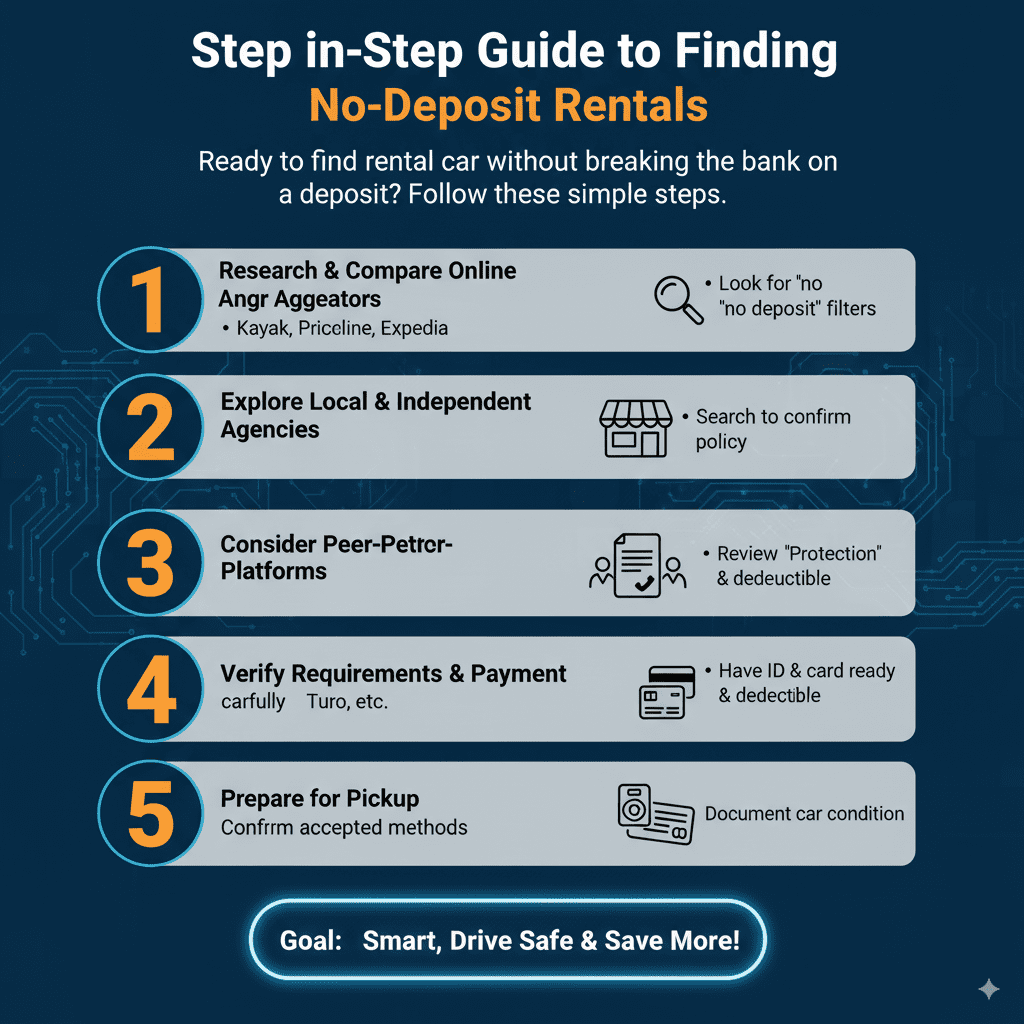
Step-by-Step Guide to Finding No-Deposit Rentals
Ready to find a rental car without breaking the bank on a deposit? Follow these simple steps:
Step 1: Research and Compare Online Aggregators
Start your search on popular travel booking sites that compare multiple rental companies:
- Visit websites like Kayak (Kayak Cars), Priceline, Expedia, or Rentalcars.com.
- Enter your pickup/return dates and locations.
- In the search results, look for filters or specific icons indicating “no deposit” or “low deposit” options. You may need to visit the individual car offer’s details page to find this information.
- Pay close attention to the “rental conditions,” “terms and conditions,” or “important information” section for each listed car. This is where deposit policies are usually stated.
Step 2: Explore Local and Independent Rental Agencies
If online aggregators don’t yield results, broaden your search:
- Use search engines to find “local car rentals” or “independent car rental [city name].”
- Visit the websites of these smaller companies. Look for their FAQ sections or rental policies regarding deposits.
- If information isn’t readily available online, don’t hesitate to call them directly. Ask specifically about their deposit requirements and what payment methods they accept.
Step 3: Consider Peer-to-Peer Rental Platforms
Platforms like Turo offer a different rental experience:
- Sign up for an account on Turo and similar services.
- Browse available vehicles in your desired location.
- Review the “Protection” section for each listing. Understand the cost of the chosen protection plan and its associated deductible. This deductible is your maximum liability, not an upfront payment.
- Compare the total cost (rental rate + protection plan) against traditional rentals with deposits.
Step 4: Verify Requirements and Payment Methods
Once you find a potential rental:
- Read all terms and conditions carefully before booking.
- Confirm the exact deposit amount (if any) and what it covers.
- Ensure you have the correct payment method accepted by the rental company (credit card, debit card, etc.).
- If you’re using a debit card, be prepared for potentially higher deposits, credit checks, or additional identity verification.
Step 5: Prepare for Pickup
On the day of pickup:
- Have your driver’s license and the credit/debit card used for booking ready. The card should ideally be in the primary renter’s name.
- Do a thorough walk-around of the vehicle and document any existing damage with photos or videos before leaving the lot.
- Keep all rental agreement documents with you.
Frequently Asked Questions
Do all car rental companies require a deposit?
No, not all car rental companies strictly require a traditional security deposit. However, most major companies do. Smaller, regional businesses or newer car-sharing platforms might offer options with no or significantly lower upfront holds, but often with stricter eligibility criteria.
Can I rent a car with a debit card without a deposit?
It is very rare to rent a car with a debit card without any form of deposit or hold. Most companies that allow debit card rentals require a larger security deposit than credit card rentals. This is because debit cards are linked directly to your bank account, and companies see it as a higher risk without the credit buffer.
What happens if I don’t have a credit card?
If you don’t have a credit card, you’ll likely need to use a debit card, prepaid card, or cash. Many rental locations, especially major airport ones, have strict policies against using cash for deposits. If using a debit card, be prepared for a larger deposit hold and potentially a credit check. Always call the specific rental location in advance to confirm their accepted payment methods and deposit policies for non-credit card users.