What Causes a Car Air Conditioner Compressor to Fail: Expert Insights
A car’s air conditioner compressor can fail for several reasons. Common issues include wear and tear, lack of maintenance, or a faulty part.
Understanding these causes can help you prevent future problems. When your car’s AC stops working, it can be a real headache. The compressor is a key component that helps cool the air. If it fails, the entire system can be affected.
In this blog post, we’ll explore the common causes behind a compressor failure. Knowing these can save you time and money. Plus, you’ll be better prepared to handle repairs or maintenance. Stay with us as we uncover what leads to these issues and how you can prevent them.
Common Signs Of Ac Compressor Failure
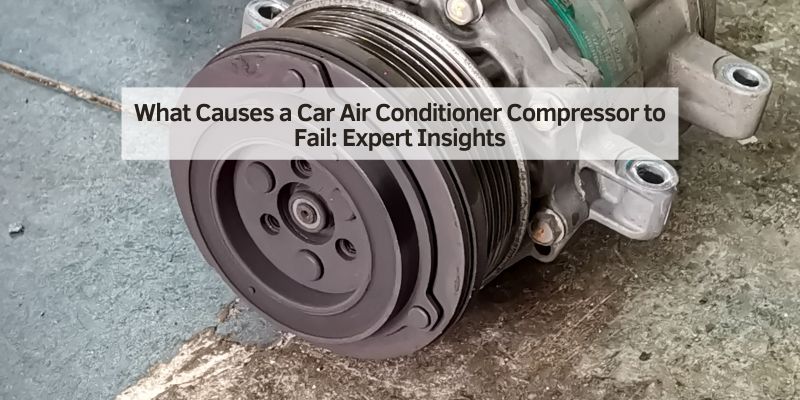
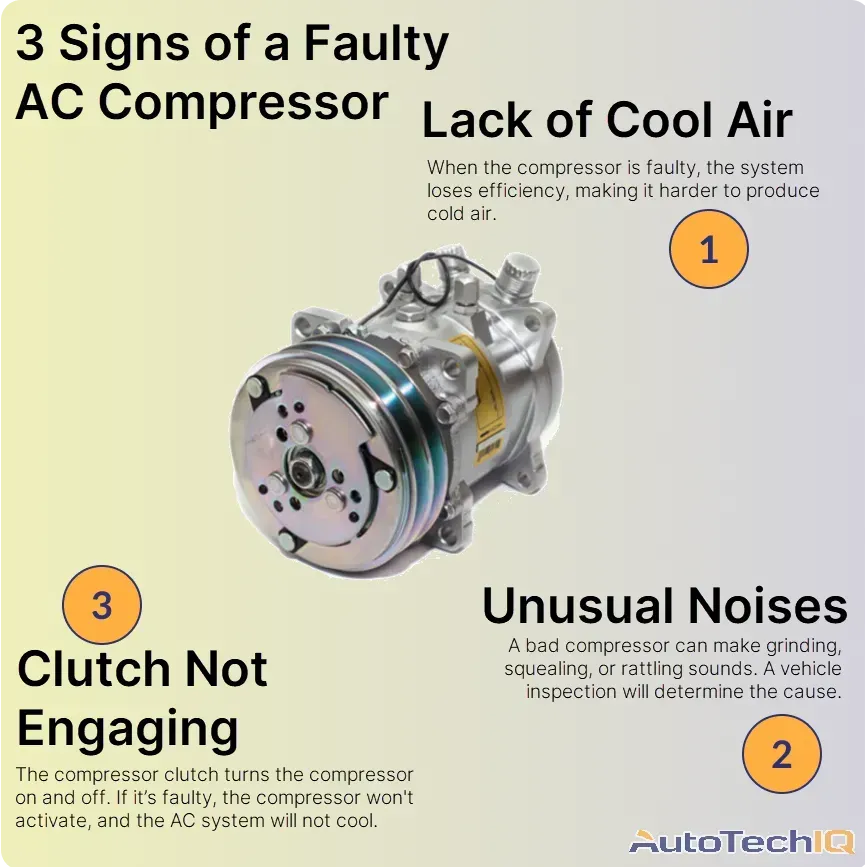
Strange sounds from the car’s AC can mean problems. You might hear a loud clanking or buzzing sound. This noise often comes from the compressor. It usually signals internal damage. Parts inside may be worn out or broken. This is a sign the AC compressor could fail soon.
The car’s AC might not cool like it used to. Airflow feels weak or not as cold. This happens when the compressor is struggling to work. It can’t pump refrigerant properly. This results in warmer air blowing from vents. These signs should not be ignored. They point to a failing compressor.

Credit: www.cutterhonolulumazda.com
Mechanical Issues Leading To Failure
Bearings help the compressor spin smoothly. If bearings wear out, the compressor struggles. This can lead to noisy operation or even a complete breakdown. Bearings get damaged by dirt or lack of oil. Regular checks are important to prevent this. Listen for strange noises from your car’s AC. It’s a sign the bearings might need fixing.
The clutch lets the compressor turn on and off. If the clutch slips or fails, the AC won’t cool. Dirt or wear and tear can cause clutch issues. Sometimes, the clutch won’t engage at all. This means the compressor can’t work. Getting the clutch checked can save you from big problems. Always pay attention to unusual clicking sounds.
Electrical Challenges Impacting Performance
Faulty wiring can stop the air conditioner compressor from working. Wires must be connected properly. If not, they can cause short circuits. This can damage the compressor. Sometimes, wires get old or break. This can cause power loss. The compressor will not get enough electricity. Always check wiring for safety.
Sensors help the compressor know what to do. If sensors fail, the compressor may stop. A sensor might send wrong signals. This confuses the compressor. It may run too much or too little. Sensors must be checked often. Make sure they work well. This keeps the air conditioner efficient.
Refrigerant Concerns And Their Effects
Low refrigerant levels make your car’s air conditioner work harder. This extra effort can lead to compressor failure. The compressor needs refrigerant to function smoothly. Without enough refrigerant, it struggles to maintain pressure. This stress causes parts to wear out quickly. Regular checks can prevent this issue. Keep the refrigerant level optimal. It helps the compressor last longer.
Contaminated refrigerant harms the compressor. Dirt and debris mix with the refrigerant. This mixture damages the compressor’s internal parts. Clean refrigerant keeps the system running properly. Contamination leads to clogs and corrosion. These problems make the compressor fail faster. It’s vital to use pure refrigerant. It ensures the compressor stays healthy. Avoid mixing different types of refrigerant. Mixing can cause more contamination.
Environmental Factors Contributing To Wear
Extreme temperature variations can damage a car’s air conditioner compressor. When the temperature is very hot or cold, the compressor works harder. This extra work causes stress and can lead to failure. Metal parts expand and contract with temperature changes. Over time, this weakens the compressor.
Humidity impacts the compressor’s performance too. High humidity levels mean more moisture in the air. Moisture can cause rust and corrosion on metal parts. Rusty parts can jam and stop working. Compressors have seals that keep moisture out. But old or damaged seals let moisture in. This leads to more problems.
Credit: natrad.com.au
Maintenance Practices To Prevent Failure
Regular inspections keep the car air conditioner working well. Check the system for leaks or damage. A small problem can become big if ignored. Watch for unusual noises and smells. These can mean trouble. Always ensure the belts are tight and not worn out. A loose belt can cause damage.
Refrigerant helps the air conditioner cool the car. If it’s low, the system will not work right. Refill it before it runs out. This keeps the compressor from working too hard. An overworked compressor can break. Always use the right type of refrigerant. Using the wrong type can harm the system.
Expert Tips For Longevity
Choose top-quality parts for your car’s air conditioner. Poor components wear out quickly. They might cause compressor failure. Select items with a strong build. Look for trusted brands. Avoid cheap alternatives. Good components keep the system running smoothly. They ensure long-lasting performance.
Always hire a professional for installation. Experts know the right methods. They prevent mistakes. Incorrect setup leads to problems. It may damage the compressor. Professionals ensure proper fitting. Their work enhances the efficiency of your system. It reduces the chance of failure. Trust skilled hands for the best results.
Repair And Replacement Options
Repairing a car air conditioner compressor can be costly. The price depends on the car model. Sometimes, replacing the compressor is more expensive than repair. Parts and labor add to the final cost. Compare prices before making a decision.
Some people try to fix the compressor themselves. This can save money. Yet, it is risky if you lack skills. Professional services offer more expertise. They ensure the job is done right. Mistakes can lead to more problems. Always think about safety and quality.
Credit: www.autotechiq.com
Frequently Asked Questions
What Is The Most Common Cause Of Car Ac Compressor Failure?
The most common cause of car AC compressor failure is refrigerant loss due to leaks. Leaks can lead to insufficient lubrication, causing the compressor to overheat and fail. Regular maintenance and inspection can help prevent these issues, ensuring the AC system runs smoothly and efficiently.
What Is The Life Expectancy Of A Car Ac Compressor?
A car AC compressor typically lasts 8-12 years or 60,000 to 100,000 miles. Regular maintenance extends its lifespan. Factors like usage, climate, and maintenance affect longevity. Keep the system clean and inspect it regularly for optimal performance.
How Much Does It Cost To Replace A Compressor In A Car Air Conditioner?
Replacing a car air conditioner compressor typically costs between $500 and $1,200. This includes parts and labor. Prices vary based on car model and location. Always get a quote from a trusted mechanic for accurate pricing. Ensure the compressor replacement includes a warranty for peace of mind.
How Does A Car Ac Compressor Get Damaged?
A car AC compressor can get damaged due to refrigerant leaks, electrical issues, or lack of lubrication. Contaminants like dirt and debris can also cause harm. Overheating from excessive use or a faulty cooling fan can lead to damage. Regular maintenance helps prevent compressor failures.
Conclusion
A failing car air conditioner compressor can be frustrating. Regular maintenance helps prevent issues. Check for leaks, strange noises, and poor cooling. Address problems early to avoid costly repairs. Use quality parts for replacements. Keep your car’s system clean and well-maintained.
Understand the symptoms of a failing compressor. This knowledge saves time and money. Reliable cooling is crucial for comfort. Make sure your car’s air conditioner runs smoothly. Stay cool and comfortable on hot days. Protect your investment with proper care.
Enjoy a pleasant driving experience always.