Do Car Repos Get Towed Away? What You Need To Know
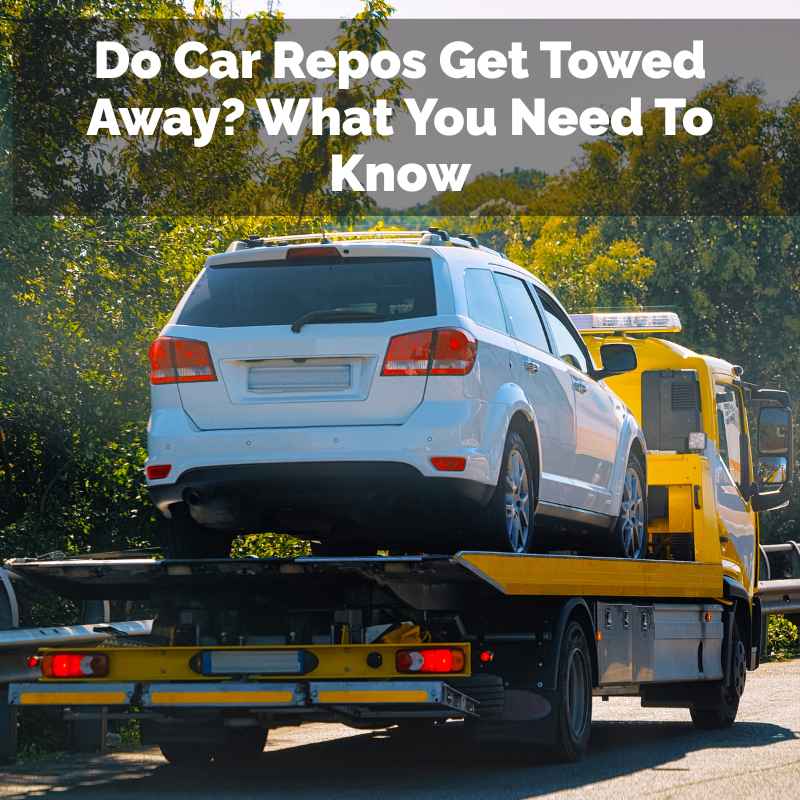
It’s a worrying thought: your car is being repossessed. A big question that pops up right away is, “Will my car be towed away?” The short answer is usually yes. When a lender repossesses a vehicle, they typically tow it. This happens because they need to secure the car. They then usually take it to a holding lot. This process is standard. It’s part of how lenders get their property back.
Yes, when a car is repossessed by a lender, it is almost always towed away. The towing is done to secure the vehicle and move it to a holding facility until it can be sold or otherwise dealt with according to the loan agreement.
What is Car Repossession?
Car repossession is when a lender takes back a vehicle. This happens if the borrower stops making payments on the car loan. The loan agreement gives the lender the right to do this. It’s a way for them to try and get their money back. The process can feel sudden and upsetting. It’s important to understand why it happens. It’s also good to know what steps are usually involved.
When you take out a car loan, the car itself is often used as collateral. This means the car is security for the loan. If you don’t pay, the lender can claim the car. They do this to lessen their financial loss. They want to sell the car to recover the outstanding loan balance. They might also sell it to cover the costs of repossession.
Why Repossession Happens
The main reason for repossession is missed loan payments. Life happens. Sometimes people face job loss, unexpected medical bills, or other financial emergencies. When these events make it impossible to keep up with car payments, default can occur.
Most car loans have a grace period. This is a short time after the due date when you can still pay without penalty. However, if payments are missed for an extended period, the lender will start the repossession process. They usually send notices first. These notices warn you about the impending repossession. They give you a chance to catch up on payments or make other arrangements.
The Repossession Process: Step-by-Step
The steps can vary a little by state and by lender. But there’s a general flow.
First, you miss a payment. Then you miss another. The lender might call you. They will remind you about the missed payment. They will ask when you can pay. If payments continue to be missed, the lender will send a formal notice. This notice is often called a “notice of intent to repossess.” It explains that you are in default. It tells you how much you owe to get back on track. It also states the lender’s right to take the car.
If you don’t respond or make payments, the lender will hire a repossession company. This company is often called a “repo agent” or “repo man.” Their job is to locate your car. Then they will tow it. They usually try to do this quickly and without confrontation. They don’t want to cause a scene or get hurt.
So, Yes, Your Car Will Likely Be Towed
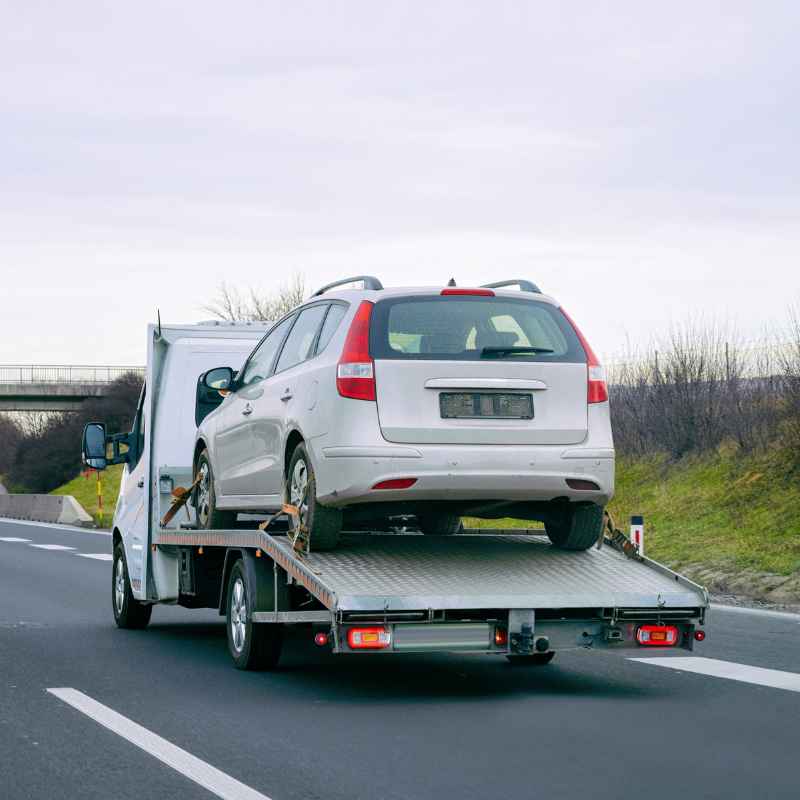
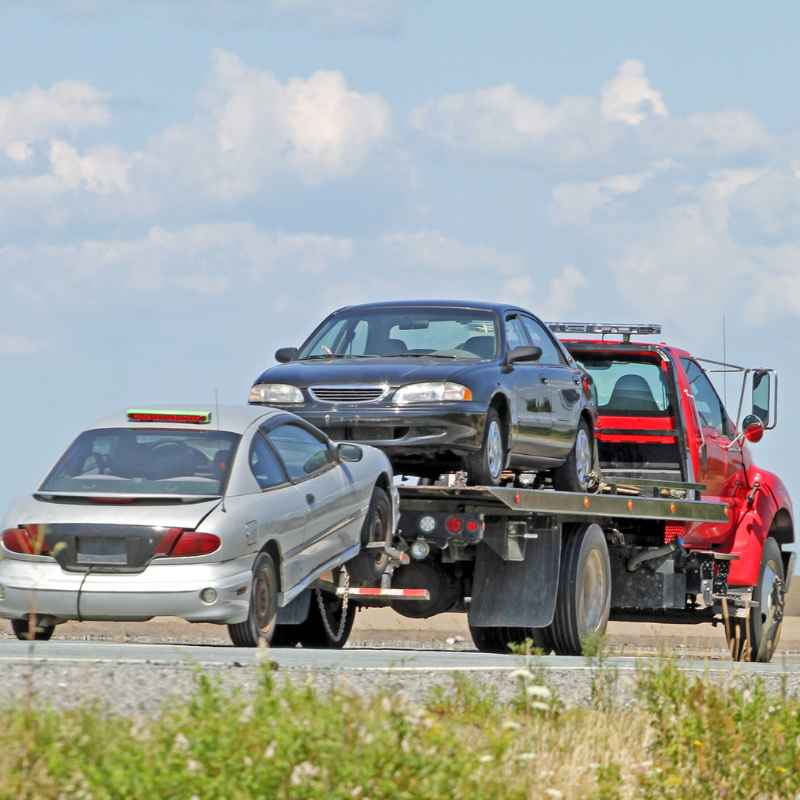
When the repo agent finds your car, they will hook it up to a tow truck. They will then drive it away. It’s important to understand that towing is a core part of repossession. It’s not just an optional extra. The lender needs to get physical control of the vehicle. Towing is the safest and most efficient way to do that.
Imagine you are at the grocery store. You come out, and your car is gone. You might panic. But if it’s a repossession, it means the repo agent has taken it. They won’t just leave it parked. They need to move it.
The car is typically taken to a secure storage facility. This could be a private lot owned by the repossession company. It could also be a lot used by the lender. The car stays there until the lender decides what to do next.
Where Does the Towed Car Go?
After being towed, your car is usually taken to a designated holding lot. This lot is specifically for repossessed vehicles. These lots are meant to be secure. They protect the car from theft or further damage.
The lot is typically fenced. There might be security guards or surveillance cameras. The goal is to keep the car safe. This is important because the lender wants to sell it later. They need it to be in good condition.
You might wonder if you can go to the lot. In most cases, you can’t just walk onto the lot. You’ll need to contact the lender or the repossession company. They will arrange a time for you to potentially retrieve personal belongings. They will also discuss options for getting the car back, if that’s possible.
What Happens to Your Belongings?
When your car is towed, anything inside it is also taken. This includes personal items. Think about your phone charger, sunglasses, or things in the trunk. The law usually requires the repossession company to secure these items. They must keep them safe.
The lender or repo company should notify you about how to retrieve your belongings. They will likely give you a limited time to do this. It’s best to act quickly. If you don’t claim them, the items might be disposed of.
I remember a friend who had her car repossessed. She was so upset. She forgot her favorite jacket was in the back seat. She was worried she’d never see it again. Thankfully, the repo company had it. She was able to pick it up the next day. It was a small comfort in a tough situation.
Can You Get Your Car Back After Repossession?
Sometimes, yes. This is often called “reinstatement” or “redemption.”
Reinstatement means you pay all the missed payments. You also have to cover the repossession costs. These costs include towing fees, storage fees, and any legal fees. If you can do this within a specific timeframe, you might get your car back. The timeframe is set by state law and the loan contract.
Redemption means you pay off the entire remaining loan balance. You also pay all the repossession costs. This is usually a larger amount than reinstatement. It’s the full amount you still owe on the loan, plus all the extra fees.
Both options require you to act fast. You also need to have the money available. It’s a difficult situation, but these are the paths to recovering your vehicle.
What Are the Costs Involved?
Repossession is expensive. The lender isn’t just taking the car back for free. You will be responsible for many of the costs. These costs can add up quickly.
Towing fees: This is the cost to get the car from where it was found to the holding lot.
Storage fees: You pay for each day the car is kept at the storage lot. These fees can be significant over time.
Repossession company fees: The company charges for their services. This includes locating the car and towing it.
Legal fees: If the lender has to hire lawyers, those costs might be passed on to you.
Advertising costs: If the car is sold at auction, there might be costs associated with advertising the sale.
These costs are often added to the amount you owe on the loan. If you don’t pay them, the lender can sue you for the remaining debt.
A Personal Story About Unexpected Costs
My neighbor, bless her heart, got behind on her car payments. She got the notices, but she was overwhelmed. One morning, her car was just gone. She was devastated. A few weeks later, she got a letter from the bank. It wasn’t just the missed payments. The letter listed towing fees, storage fees for over 30 days, and even a fee for them to list the car online for auction. The total she owed was much higher than she ever imagined. She couldn’t afford it, so the bank sold the car. She still owed a lot of money after the sale. It was a harsh lesson.
Repossession & Your Credit Score
Missing payments harms your credit score.
A repossession is a major negative mark.
It stays on your credit report for years.
This makes getting loans harder later.
When Can a Car Be Towed for Repossession?
Repo agents can usually take your car at any time. This includes nights and weekends. They can often take it from public property. This means parking lots, streets, or even your driveway.
There are some restrictions, though. They usually cannot take the car if it’s inside a locked garage. They also cannot enter your home. They cannot commit a breach of the peace. This means they can’t use force, threats, or break into places.
State laws vary on what exactly constitutes a “breach of the peace.” Some states have very strict rules. Others are more lenient. It’s always best if the repo agent acts professionally and legally.
What About Private Property?
Taking a car from private property can be tricky. Many states do not allow repossession companies to enter private property without permission. This is especially true if it means going into a garage or fenced yard. However, if the car is parked in a driveway that is accessible, or on a street in front of your house, they may be able to tow it.
Some lenders might have agreements with property owners. For example, if your car is parked in a shopping mall lot or an apartment complex lot, the repo company might have permission to tow from there. They usually have to follow specific rules set by the property owner.
It’s always best to check your state’s specific laws regarding repossession from private property. Ignorance of the law isn’t a defense.
Normal vs. Concerning Signs
Normal
Missed payment notices.
Calls from the lender.
Seeing a tow truck (if you know it’s coming for repossession).
Concerning
Car disappears without any notice.
Someone trying to force entry to get your car.
Receiving threats about repossession.
Can You Sell Your Car Before Repossession?
Yes, this is often the best option if you know you can’t make payments. Selling the car yourself usually gets you a better price than an auction. It also means you can control the process.
If you sell the car, use the money to pay off the loan. If you sell it for more than you owe, you get the extra money. If you sell it for less, you will still owe the lender the difference (this is called a deficiency balance). You need to talk to your lender before selling. They might have specific requirements. They will want to ensure the loan is paid off.
Selling the car yourself avoids the towing fees and storage fees. It also prevents the negative mark of repossession on your credit report. It’s a proactive step that can save you a lot of trouble.
What Happens After the Car is Sold?
If you can’t reinstate or redeem the car, the lender will sell it. This usually happens at an auction. The auction might be public or private. The lender tries to get the best price possible.
After the sale, the money from the sale is applied to your loan. It covers the outstanding balance. It also covers the repossession costs and any other fees.
If the sale doesn’t cover the full amount owed, you might still owe money. This is the deficiency balance. For example, if you owed $15,000 and the car sold for $10,000, you might owe the remaining $5,000 plus costs. Lenders can sue you to collect this deficiency.
If the sale brings in more than you owe, you are entitled to the surplus money. This is rare, though, because cars often sell for less than the amount owed.
Can You Track Your Car After Repossession?
Generally, no. Once the repo agent has taken your car, it’s hard to track. The repossession company and the lender are not obligated to tell you where the car is going. They will tell you how to get your personal belongings. They will also tell you how to arrange for payments if you want to get the car back.
Some modern cars have GPS tracking. However, this is usually for recovery in case of theft. It’s not typically used to let borrowers track their repossessed cars. The lender controls this information.
What If You Think the Repossession Was Wrongful?
Sometimes, a repossession is done illegally. This could happen if the lender didn’t follow state laws. It could happen if they used force or threats. It could happen if they repossessed the car during a time they weren’t allowed to.
If you believe your car was repossessed wrongly, you have options.
First, review your loan documents carefully.
Second, check your state’s laws about repossession.
Third, contact the lender and explain why you think it was wrongful.
Fourth, consider speaking to a consumer protection lawyer. They can advise you on your rights and next steps.
Gather all documents related to your loan and the repossession. This includes any notices you received. It also includes receipts for payments you made. Evidence is key if you need to dispute the repossession.
Quick Scan: Repossession Process Summary
|
Step 1: Default Missed loan payments. |
Step 2: Notice Lender sends warning letters. |
|
Step 3: Repossession Repo agent locates and tows car. |
Step 4: Storage Car goes to a secure lot. |
|
Step 5: Options Reinstate or redeem the loan. |
Step 6: Sale Lender sells the car if options fail. |
Preventing Repossession: The Best Strategy
The best way to deal with repossession is to avoid it. Staying on top of your loan payments is crucial. Here are some tips:
Always pay on time. If you can’t pay the full amount, try to pay something. Even a partial payment can sometimes prevent default.
Communicate with your lender. If you know you’re going to miss a payment, call them. Explain your situation. They might offer a payment plan or temporary relief.
Budget carefully. Track your income and expenses. Make sure your car payment fits into your budget.
Build an emergency fund. This fund can help you cover unexpected expenses without missing loan payments.
Consider GAP insurance. If your car is totaled or stolen, this insurance can cover the difference between what you owe and what your car is worth.
What to Do If You’re Facing Repossession
If you’re already behind on payments, act fast.
Contact your lender immediately. Be honest about your situation. Ask about your options.
Review your loan contract. Understand your rights and the lender’s rights.
Check your state’s laws. Repossession rules vary by state.
Gather your finances. See if you can afford to catch up on payments or pay off the loan.
Look into selling the car yourself. This might be your best option.
What Does This Mean For You?
Understanding car repossession is important. It’s a serious consequence of not paying a loan. When a car is repossessed, it is almost always towed away. This is standard practice. The car is moved to a secure location.
You have rights and options, even when facing repossession. But these options usually require quick action and financial resources. The best approach is always to avoid default. Staying in touch with your lender is key if you run into financial trouble.
Quick Fixes & Tips
Talk to your lender early: Don’t wait until you’ve missed multiple payments.
Understand your contract: Know the terms of your loan.
Save for emergencies: An emergency fund is your best defense.
Sell before they tow: If you can, selling the car yourself is better.
Keep records: Save all payment receipts and notices from the lender.
Frequent Questions
Will the repo company notify me before they tow my car?
In most cases, no. Repossession companies usually try to surprise you. They want to find the car when it’s most accessible and least likely to be protected. They might send notices before the actual repossession, but they typically don’t call right before they come to tow it.
What happens if my car is towed for reasons other than repossession?
If your car is towed for illegal parking, a broken-down vehicle, or another reason, the process is different. You will usually be contacted by the towing company or the police. You will need to pay towing and storage fees to get your car back. The fees are often set by local ordinances.
Can a lender repossess my car if I only missed one payment?
Generally, lenders allow a grace period. Missing just one payment usually doesn’t trigger immediate repossession. However, if you miss a payment and don’t catch up promptly, the lender can start the process according to the terms of your loan agreement and state law.
How long does a repossession stay on my credit report?
A repossession is a serious negative mark. It typically stays on your credit report for seven years. This will significantly impact your ability to get credit in the future. It can also lead to higher interest rates on loans.
What if I have a co-signer on my car loan?
If you have a co-signer, they are equally responsible for the loan. If you default and the car is repossessed, the lender may go after the co-signer for the deficiency balance. This can strain relationships and affect the co-signer’s credit.
Can I get my car back if it’s already been sold at auction?
No, once the car has been legally sold at auction, you cannot get it back. The sale is final. Your only recourse after a sale is to settle any remaining deficiency balance with the lender.
Conclusion
Dealing with car repossession is stressful. The towing of your vehicle is a standard part of this process. Understanding the steps involved, your rights, and your options can help you navigate this difficult situation. Proactive communication with your lender and careful financial planning are your best defenses against losing your car.
Products related to this article
Sponsored / affiliate links. As an Amazon Associate I earn from qualifying purchases. I may earn additional commission from eligible campaigns.
![iPhone Car Charger,USB C Fast Car Charger[Apple MFi Certified] Apple Car Charging 38W Dual Port CarCharger Cigarette Lighter Adapter 2x3ft PD&QC 3.0 Lightning Cable for iPhone 14/13/12 Pro/11/Airpods](https://m.media-amazon.com/images/I/41XizrssoiL._SL500_.jpg) iPhone Car Charger,USB C Fast Car Charger[Apple MFi Certified] Apple Car Charging 38W Dual Port CarCharger Cigarette Lighter Adapter 2x3ft PD&QC 3.0 Lightning Cable for iPhone 14/13/12 Pro/11/Airpods
iPhone Car Charger,USB C Fast Car Charger[Apple MFi Certified] Apple Car Charging 38W Dual Port CarCharger Cigarette Lighter Adapter 2x3ft PD&QC 3.0 Lightning Cable for iPhone 14/13/12 Pro/11/Airpods Car A/C Repair Kit, 270PCS Rubber O-Ring Seal Kit + 40PCS Car Air Conditioner Valve Core Kit for R12 R134a A/C with Remover & Install Tool+10pcs R134a AC Valve Caps, Fix Refrigeration System