What Causes Mold in Cars? Common Reasons and Solutions
Finding mold in your car can be a real bummer, and figuring out What Causes Mold in Cars? can seem tricky. Don’t worry, it’s a problem many car owners face. This is because cars offer mold an ideal environment. We’ll break down the usual suspects and how they lead to mold growth. You’ll learn the primary causes, plus get step-by-step guidance on how to tackle the problem. Ready to make your car fresh again? Let’s get started!
Common Sources for Mold in Your Vehicle
Mold thrives in specific conditions, and your car can easily provide them. Moisture, darkness, and a food source are all that mold needs to flourish. Understanding the most common sources of mold in your car is the first step in prevention and cleaning. It’s like detective work, identifying the clues that point to the root of the problem. Some sources are obvious, such as a leaky window, while others are more subtle, like condensation from your air conditioning. Once you know the causes, you can stop mold growth. Let’s look at the main reasons.
Moisture Intrusion: The Gateway to Mold
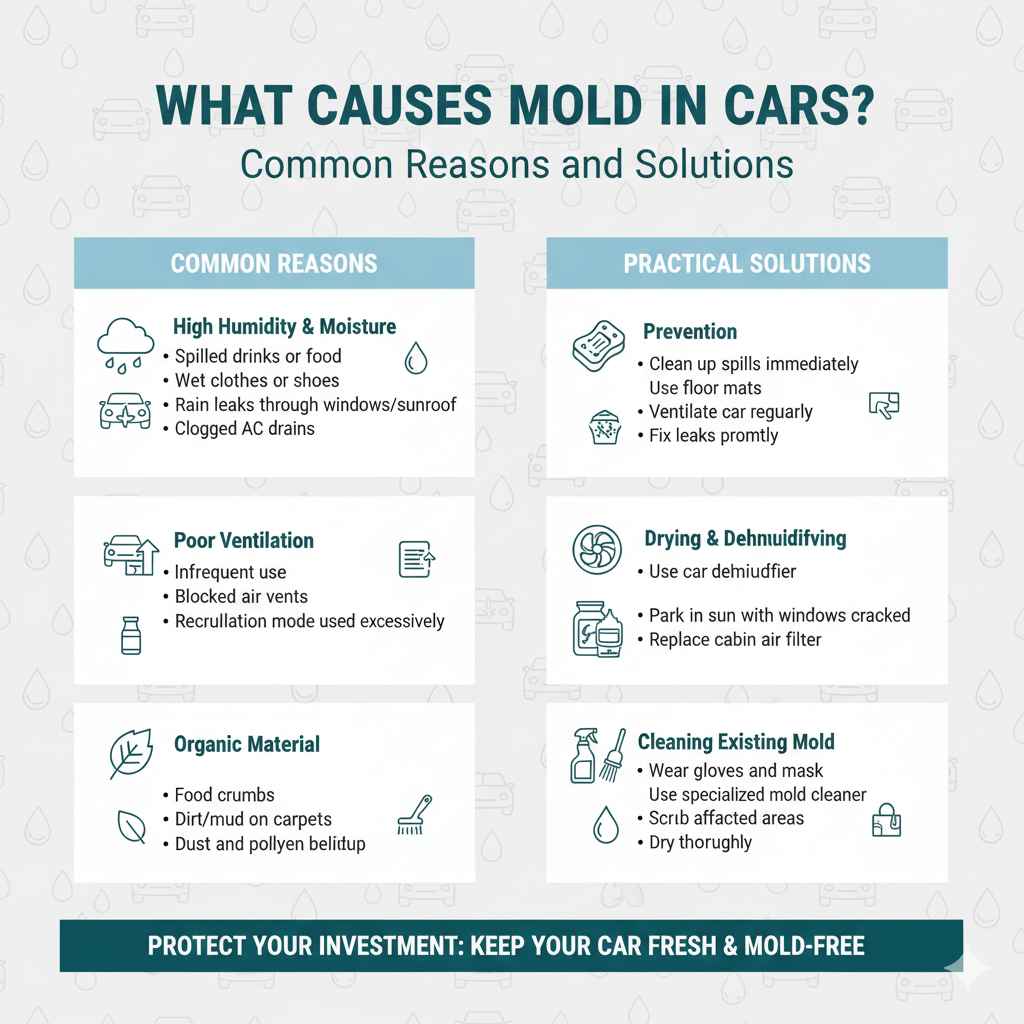
The primary culprit behind mold in cars is moisture. Even small amounts of water can create an environment where mold can start to grow. Moisture can get into your car in a variety of ways, some of which are more difficult to detect than others. Rain, snow, and spills are obvious examples, but even less noticeable sources like condensation can feed mold. Any standing water or prolonged dampness can quickly turn into a mold colony, affecting the car’s interior. Addressing these issues immediately is important to prevent mold development. You should also watch out for potential leaks to protect your car from water damage.
Leaks from Windows and Seals: Windows and door seals are often the first points of entry for water. Over time, these seals can wear down, crack, or become dislodged, letting rain and melting snow inside. A poorly sealed sunroof is another major source.
If you notice water stains, dampness, or a musty odor, inspect all window and door seals carefully. To test the seals, you can try pouring water along the edges and seeing if it leaks inside. Replace any damaged or worn seals immediately to prevent water intrusion. Regular inspection, especially after heavy rain or car washes, can help catch these problems early. You can use silicone spray to maintain the seals.
Clogged Drainage Systems: Many cars have drainage systems designed to channel water away from the interior, such as those in the sunroof and under the windshield. If these drains become clogged with leaves, dirt, or debris, water can back up and overflow into the car’s cabin.
To avoid this, regularly clear the drainage systems. You can use a thin wire or compressed air to clean them. You should locate the drainage points, typically found near the windshield wipers or in the sunroof channels, and check them regularly. This prevents water from accumulating and provides conditions for mold growth. Ignoring blocked drainage can lead to significant water damage and mold.
Flooding and Spills: Flooding from heavy rains or burst pipes, and spills of liquids, like coffee or soda, can introduce significant amounts of moisture. These events can create a breeding ground for mold if not quickly addressed. Even a small spill can lead to mold development.
If you experience any flooding or spills, act fast. Remove all standing water immediately using towels, a wet/dry vacuum, or absorbent materials. Thoroughly clean and dry all affected areas, including carpets, upholstery, and hard surfaces. Make sure to ventilate the car to promote drying. If the water was contaminated with anything besides clean water, clean and disinfect the affected areas.
Humidity and Condensation: Hidden Moisture Makers
Even if your car appears dry, humidity and condensation can still provide enough moisture for mold to grow. Cars are often exposed to temperature changes, leading to condensation, which is a prime factor in mold growth. This is particularly true in humid climates. Understanding and controlling humidity levels can help you prevent mold. Dealing with these hidden sources involves a few simple steps, but they can be very effective in maintaining a clean and mold-free vehicle. Let’s learn about some ways moisture can build up in your car.
Air Conditioning Systems: Your car’s air conditioning system can create condensation inside the vehicle. When the AC is on, it cools the air, and moisture condenses on the evaporator core. This moisture can be a good place for mold to grow if the system isn’t kept clean and maintained.
Regularly cleaning and maintaining your AC system is essential. This can include replacing the cabin air filter, which traps moisture and particles. You can also use AC cleaners designed to eliminate mold and mildew. Running the AC for short periods even in winter can help to dry out the system and prevent mold growth. Make sure to turn off the AC a few minutes before you arrive at your destination. This helps dry out the system and prevents mold.
Interior Ventilation: Poor ventilation traps moisture inside the vehicle. Without adequate airflow, moisture from daily activities, like breathing or wet clothing, remains trapped. This increases humidity and sets the stage for mold.
Improve ventilation by opening windows regularly, especially after rain or when the car is parked for a long time. Make sure air vents are unblocked. Using a dehumidifier in your car, especially during humid periods, can also help. A well-ventilated car environment minimizes moisture and lowers the probability of mold.
Wet Items Left Inside: Items like wet towels, umbrellas, or sports equipment can introduce significant moisture. Leaving these items in the car for extended periods creates a damp environment, perfect for mold.
Never leave wet items inside your car. Always dry them completely before storing them. If you do transport wet items, ensure they are in a sealed container or bag to prevent moisture from escaping. Regularly check your car for any wet items. Making it a habit to remove wet objects can eliminate a common source of mold.
Organic Materials as Food: What Mold Eats
Mold is a type of fungus that feeds on organic materials. The car’s interior provides an array of such food sources. From fabrics and carpets to food spills and leather, these organic substances support mold growth. The type of organic materials can vary greatly, but all provide the nutrition that mold needs to thrive. Knowing what mold feeds on is key to preventing its growth. Here is a more detailed look at the organic materials that sustain mold in cars and some ways to control them.
Fabric and Upholstery: Carpets, seats, and headliners are made of organic materials. These materials are easily damaged by mold because they are porous and absorb moisture. The fibers hold water, creating a damp, dark environment where mold can flourish.
To avoid this, clean fabric and upholstery regularly, removing any spills immediately. Use a mold-resistant fabric cleaner and ensure that the area is thoroughly dry after cleaning. Consider using a fabric protectant to create a barrier against moisture. Regular vacuuming helps to get rid of dust and debris, which can also feed mold growth. The goal is to keep these areas as clean and dry as possible.
Food Spills and Crumbs: Food spills and crumbs are a primary source of nutrients for mold. These spills can seep into carpets, seats, and other crevices, making them difficult to clean thoroughly. Even small crumbs can support mold growth.
Clean up spills immediately and thoroughly. Use appropriate cleaners for the affected surfaces. Regularly vacuum your car, paying close attention to areas where food crumbs may accumulate, such as under seats and in the crevices of the dashboard. Consider the use of seat covers or floor mats to protect the car’s interior from spills and make cleaning easier. Being careful about food consumption in the car minimizes the risk of mold.
Leather and Vinyl: Leather and vinyl can support mold growth. While they are less porous than fabric, they can still absorb moisture and collect organic debris. Leather is particularly susceptible because it is a natural material and provides more nutrients for mold.
Clean leather and vinyl surfaces regularly using appropriate cleaners. Treat leather with a conditioner to maintain its flexibility and resist moisture absorption. Be sure to dry the area fully after cleaning. Regular cleaning and care can protect these materials and prevent mold development.

Identifying and Assessing Mold in Your Car
Spotting and evaluating mold growth in your vehicle is a critical step in addressing the problem. Early detection helps you to take immediate action. This can limit the spread and minimize damage to the car’s interior and your health. Recognizing the signs, locations, and type of mold can help you clean it up. Learning how to properly evaluate the mold problem helps you select the best approach. So, let’s explore how to recognize and assess mold in your car.
Visual Inspection: Finding the Clues
A thorough visual inspection is the first step in identifying mold in your car. Inspect all areas of the car interior for signs of mold. This includes looking at common areas such as the seats, carpets, headliner, and door panels. Be thorough. This helps you identify the extent of the mold infestation. Knowing these areas can aid you in the cleaning process. Let’s look at what to look for.
Common Locations: Mold often starts in areas where moisture is most likely to accumulate. This includes under seats (especially in the back), in the footwells, along window seals, and in the trunk. Other common areas include air vents and the area around the air conditioning system.
Pay close attention to these spots during your inspection. Inspect hidden areas like under floor mats, inside glove compartments, and under the seats. Take the time to remove any items that may be blocking your view, so you can see all of the areas. Identifying these hotspots quickly is the first step.
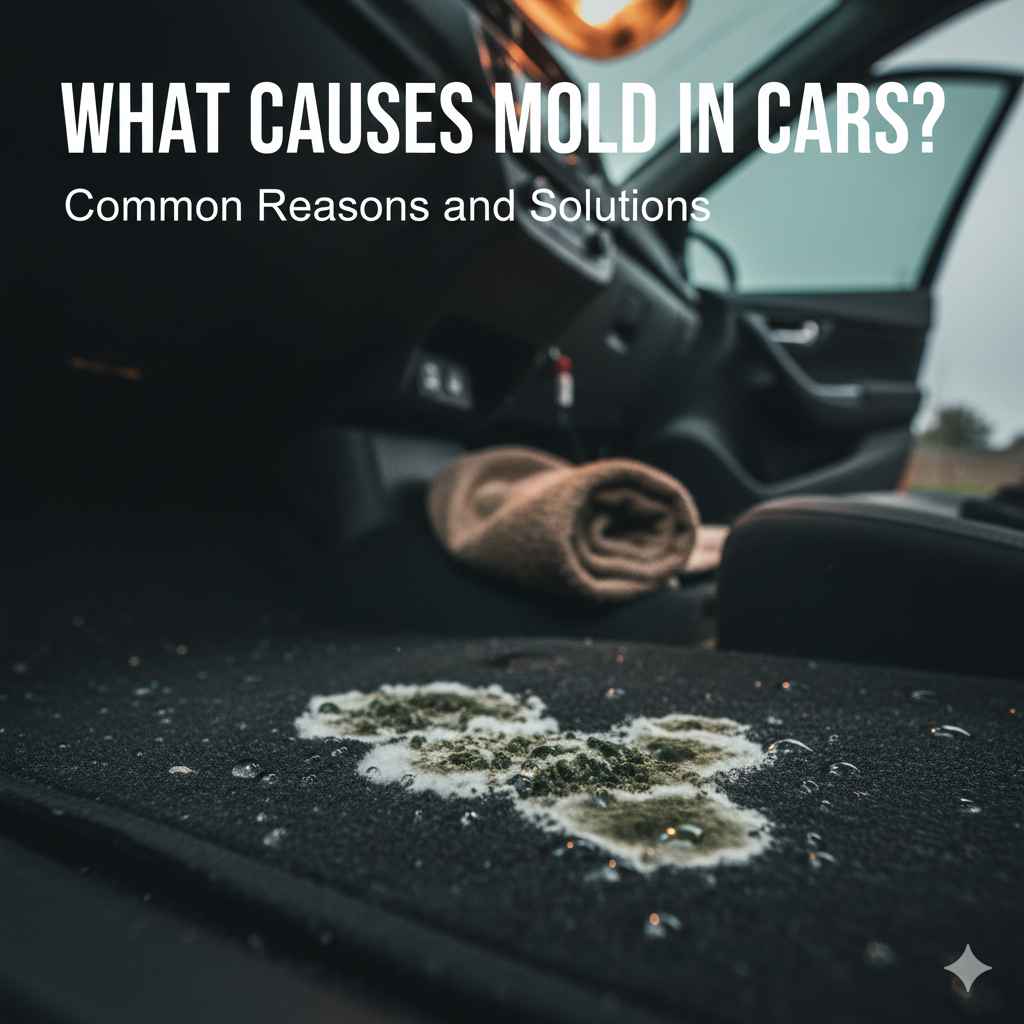
Visual Signs: Mold can appear in different colors, including black, green, white, brown, or even pink. It may look like fuzzy patches, spots, or discoloration on surfaces. Look for any visible growth or staining, as these are strong indications of mold.
Look carefully for small specks or larger patches. Check the surfaces of all materials, including fabric, leather, vinyl, and plastic. Use a flashlight in areas with low visibility. Any unusual discoloration or growth should be checked for the presence of mold. These visual clues are good indicators.
Musty Odor: A musty, earthy, or stale smell is a very common sign of mold. The odor may not always be present, but if you smell a musty odor, it is likely that there is mold growth.
Open the windows and doors to let in fresh air while you inspect. If you detect a musty smell, start by checking the areas where moisture is most likely to collect, such as the floor and under seats. The musty odor is a strong indicator of mold and should be taken seriously. This is often the first sign of mold, and it is important to address the problem immediately.
Health and Safety Considerations
Mold can be a health risk, especially if you have allergies or asthma. Prolonged exposure can lead to respiratory problems, allergic reactions, and other health issues. When inspecting for mold, it’s essential to take safety measures. You should also be aware of the potential health implications to protect yourself and others from exposure. Let’s discuss health and safety precautions.
Personal Protective Equipment (PPE): Always use protective gear when you are dealing with mold. This includes wearing gloves, a face mask or respirator, and eye protection. These precautions prevent you from inhaling mold spores or coming into direct contact with the mold.
Gloves prevent skin contact, and a face mask or respirator prevents inhalation. Eye protection, such as safety glasses or goggles, keeps spores out of your eyes. Proper PPE is important to safeguard your health and prevent the spread of mold spores during cleaning. It is essential to choose the right gear for the job.
Ventilation: Make sure the car is well-ventilated during inspection and cleaning. Open all doors and windows to promote air circulation and reduce the concentration of mold spores in the air. This helps to lessen the health risks associated with mold exposure.
Improve air circulation by using fans. Doing this minimizes the chances of inhaling mold spores, improving your health. A well-ventilated area helps to dissipate the musty smell and provides a safer environment during the inspection and cleaning process.
Health Symptoms and Risks: Mold exposure can cause a range of health issues, including allergic reactions, respiratory problems, and skin irritation. Symptoms can include coughing, sneezing, watery eyes, skin rashes, and headaches. People with allergies, asthma, or weakened immune systems may have more severe reactions.
If you experience any health problems while inspecting or cleaning, stop immediately and seek medical attention. If you suspect that mold is present, get professional advice from an expert. Taking the proper health and safety precautions is essential to reduce any health risks.
Determining the Extent of the Infestation
The extent of mold growth helps you decide the best cleaning approach. Small areas of mold can be dealt with by the owner. Larger, more extensive mold infestations may require professional help. Recognizing the extent helps you choose the right tools and cleaning techniques. The scope of the infestation also influences the amount of time and effort required to remove the mold. Here are some aspects to consider when determining the severity of the mold infestation.
Surface Mold: Surface mold grows on the surface of materials. This is usually the easiest type of mold to remove. Surface mold often appears as discolored spots or patches on the surface of materials like fabric, leather, or plastic.
Surface mold can be cleaned with basic cleaning products and simple tools. If caught early, it can often be handled. Thoroughly cleaning the affected surfaces and drying them completely can get rid of it. If the mold is isolated to a small area, surface mold is less of a problem.
Penetrated Mold: This type of mold has grown deeper into the materials, and can be more difficult to remove. It is often found in porous materials, such as carpets and upholstery. The color can be different as well.
This type of mold requires more effort and different cleaning techniques. You may need to use specialized cleaners and equipment to eliminate the mold. In severe cases, replacing the affected materials may be needed to ensure that the mold is completely removed. This could include replacing carpets or upholstery.
Widespread Mold: Widespread mold covers a large area of the vehicle’s interior. This can make the cleaning process very challenging and may involve professional mold remediation services. This type of infestation is a serious concern, as it often means that the mold has had the time to spread throughout the car.
If you find that mold is widespread, a professional inspection can determine the best course of action. This often includes removing and replacing damaged materials. Widespread mold can be a health hazard and can impact the value of your car. It may require a full-scale cleaning and drying process.
Effective Mold Removal Techniques
Once you’ve identified and assessed the mold in your car, the next step is to remove it. You can select methods and techniques for removing the mold based on the extent of the infestation. It’s important to select the right cleaning products and equipment. You should also ensure that your safety is a priority during the removal process. With the right approach, you can restore your car’s interior. Here’s a look at successful ways to eliminate mold from your car.
Step-by-Step Cleaning Process
Cleaning mold in your car requires a methodical approach to be effective. This can involve several steps, from preparation to cleaning and drying. Following a clear process helps to guarantee the complete elimination of mold. This also prevents its return. This thorough method should give you the best outcomes. Let’s look at the steps.
Preparation: Before you start, gather all the necessary supplies and prepare the vehicle for cleaning. This includes removing any loose items from the car, such as floor mats, seat covers, and personal belongings. This step makes the cleaning process easier and more effective.
Park your car in a well-ventilated area, like outdoors or in a garage with open doors. Put on your protective gear, including gloves, a face mask or respirator, and eye protection. Clear out any items from the car to get to the infected areas. Prepping the car makes it easier and safer to clean the mold.
Cleaning Solutions: Select cleaning solutions that are effective against mold and safe for your car’s interior materials. The cleaning solution you pick depends on the type of mold and surface you are cleaning.
For surface mold, you can use a solution of white vinegar and water, or a commercial mold cleaner. For tough mold, consider using a mold-specific cleaner. Always test any cleaner on a small, hidden area of the surface. Follow the instructions on the product label. Make sure that the cleaner is safe for your vehicle’s materials.
Cleaning: Apply the cleaning solution to the affected areas. Use a scrub brush, sponge, or microfiber cloth to clean the mold. Be sure to scrub the surface until the mold is eliminated.
Start with the least aggressive cleaning method and progressively apply more powerful solutions if needed. Scrub the area thoroughly, removing mold from all surfaces. Pay attention to cracks and crevices, where mold tends to hide. Make sure to rinse the area with clean water if necessary and dry completely.
Drying and Ventilation: After cleaning, the most important step is to completely dry the car’s interior. Mold thrives in moisture. Therefore, drying the surfaces and the air helps to prevent any remaining mold spores from growing.
Use a wet/dry vacuum to remove any excess water. Open all windows and doors to allow for proper ventilation. You can also use fans and a dehumidifier to speed up the drying process. Make sure the car interior is completely dry before reassembling anything. Properly drying the interior is important to prevent mold from returning.
Essential Cleaning Products and Tools
Choosing the correct products and tools helps in removing mold from your car. The type of cleaning agent will depend on the surface you’re cleaning. However, the right equipment can speed up the process and guarantee a more effective cleanup. Let’s learn about some key products and tools.
Cleaning Solutions: A range of cleaners are designed for mold removal. Vinegar is a natural cleaner. Other options include commercial mold cleaners and diluted bleach solutions. Select products safe for your vehicle’s interior materials.
Vinegar and water solutions work well for general cleaning. Always test any cleaning solution on an area of the surface. Commercial mold cleaners can be effective, but always follow the label. Be careful when working with bleach, as it can damage some materials. Choosing the right cleaner is key to effectiveness.
Scrub Brushes, Sponges, and Microfiber Cloths: Use scrub brushes and sponges for scrubbing surfaces. Microfiber cloths are good for wiping surfaces. These tools help apply cleaning solutions and remove mold from surfaces.
A firm scrub brush works well for carpets, upholstery, and other surfaces. Sponges are good for more delicate surfaces, such as leather or vinyl. Microfiber cloths are great for wiping and absorbing. It’s important to use different tools for different areas. This will protect your car’s interior materials.
Protective Gear: Safety glasses, face masks or respirators, and gloves protect you during the cleaning process. These items are important to avoid the inhalation or contact of mold spores.
Wear gloves to prevent skin contact. Use a face mask to prevent inhaling spores. Eye protection, such as safety glasses, is also crucial. Protective gear is essential for the health and safety of the cleaning person. The goal is to protect against any exposure.
Dealing with Persistent Mold
If the mold problem keeps returning or is too severe, there are steps you can take. This could be more advanced cleaning techniques or getting professional help. These methods can help you fully eliminate the mold and restore your car. If the mold keeps returning, it is time to take more drastic measures.
Deep Cleaning Techniques: If basic cleaning techniques do not remove the mold, you may need to use deep cleaning methods. These may involve steam cleaning, ozone treatments, or professional mold removal services.
Steam cleaning helps to eliminate mold from deep within fabrics. An ozone treatment can help get rid of mold and lingering odors. Professional mold removal services have special tools and expertise to eliminate severe mold infestations. These techniques provide a more in-depth clean.
When to Seek Professional Help: If mold is severe, widespread, or keeps returning after cleaning, consider professional help. A professional will have the expertise and equipment needed for complete mold removal. They will also be able to inspect the vehicle and find the root cause of the mold.
The professionals will use specialized cleaning products and techniques. They are trained to identify and eliminate mold. Getting professional help may be the most efficient and effective way to deal with a persistent mold problem. If you’re not sure how to clean it, don’t hesitate to call the pros.
Preventative Measures: After mold removal, it’s important to put preventative measures in place to reduce the chances of mold returning. This includes regularly cleaning and drying the car’s interior, maintaining proper ventilation, and addressing any potential sources of moisture.
You can prevent the growth of mold by controlling humidity, promoting good ventilation, and quickly resolving water leaks or spills. You can also use a dehumidifier. Taking these preventive measures is an ongoing effort. They will help keep your car clean and healthy.
| Cleaning Method | Effectiveness | Best Used For |
|---|---|---|
| Surface Cleaning with Vinegar | Moderate | Small areas of surface mold on non-porous surfaces. |
| Commercial Mold Cleaner | High | Small to moderate mold growth on various surfaces. |
| Steam Cleaning | High | Mold in upholstery, carpets, and difficult-to-reach areas. |
| Ozone Treatment | Moderate to High | Eliminating mold spores and odors from the entire car. |
| Professional Mold Remediation | Very High | Severe, widespread, or recurring mold infestations. |
Preventing Future Mold Growth in Your Vehicle
Stopping mold growth is a continuous process that involves several actions. This includes regular maintenance, dealing with humidity, and fixing any issues that might lead to moisture buildup. You can create an environment that doesn’t permit mold to grow. These precautions help keep your car fresh and clean. Let’s learn about some key strategies.
Regular Cleaning and Maintenance
Keeping your car clean is key to preventing mold. This involves routine cleaning and maintaining different components of your car. These efforts lower the probability of mold growth. It also helps preserve your car’s condition. Consistency in these tasks pays off. That way, you won’t have to deal with mold in the future. Here’s a look at some of the things you can do to keep your car mold-free.
Routine Cleaning: Regular cleaning prevents the accumulation of dirt, debris, and food crumbs. These particles provide a food source for mold. Regular cleaning can also help you find any early signs of moisture.
Vacuum your car weekly, paying special attention to the floor, seats, and any cracks or crevices. Wipe down surfaces, like the dashboard, steering wheel, and door panels. Use appropriate cleaning products for each material to help keep the interior looking its best. Regular cleaning is a cornerstone of mold prevention.
Ventilation and Airflow: Proper airflow inside the vehicle helps lower humidity and prevent mold growth. Make sure your car is well-ventilated, especially after rain or when the car has been closed for extended periods. This aids in preventing moisture buildup.
Open the windows and doors from time to time to let fresh air circulate. Use the car’s ventilation system regularly. Ensure that the air vents are free of obstructions. Good airflow helps lower the moisture that promotes mold. These measures are especially helpful after rain or cleaning.
Maintenance of Key Components: Regular maintenance of certain components of your car prevents mold. This includes the air conditioning system, drainage systems, and seals. These systems can lead to mold if not working correctly.
Get the air conditioning system cleaned and inspected regularly. This includes replacing the cabin air filter. Check and clean the drainage systems under the windshield and sunroof to ensure they are clear of debris. Inspect and replace any worn or damaged door and window seals. This will stop the entry of moisture and prevent mold.
Humidity Control Measures
Controlling humidity is another key step. It helps create an environment that does not permit mold to thrive. There are multiple methods you can use to control the humidity levels in your car. This can include the use of dehumidifiers and desiccants. Humidity can be a hidden driver of mold growth. It’s often linked to condensation and trapped moisture. So, let’s explore the techniques used for humidity control.
Using a Dehumidifier: A dehumidifier removes excess moisture from the air. This helps to reduce humidity levels inside your car. They are good to use in areas with high humidity, such as humid climates or after periods of rain.
Place a small dehumidifier inside the car, especially when the car is not in use. This can capture excess moisture. Check and empty the water collection tank regularly. Using a dehumidifier is a practical way to manage humidity. This reduces the risk of mold.
Desiccant Packs: Desiccant packs absorb moisture from the air. You can place them in your car to control moisture levels. Desiccant packs are good for cars that are not often used.
Put desiccant packs in areas prone to dampness, like under seats or in the trunk. These packs soak up any water vapor, preventing conditions where mold can grow. Check the desiccant packs from time to time. You will need to replace them after they have absorbed moisture. Desiccant packs are a cost-effective method for controlling humidity.
Air Conditioning Usage: The air conditioning system lowers humidity by removing moisture from the air. Using your AC system even during the colder months can help dry out the interior of your car. This prevents mold.
Running the AC for a short time after driving, especially when it’s humid, helps to dry the system and the interior. Make sure to turn off the AC a few minutes before you arrive at your destination. This helps prevent moisture from building up. Regular use of the AC can prevent moisture buildup.
Addressing Potential Moisture Sources
Finding and fixing any sources of moisture is crucial in preventing mold. This involves identifying and addressing leaks, spills, and other areas where moisture can build up. Addressing potential moisture sources will get rid of any environment conducive to mold growth. Let’s look at some steps you can take to make sure your car remains mold-free.
Leak Detection and Repair: Regularly inspect your car for leaks, as even small leaks can cause mold. Check for water stains or dampness in areas like under the seats, in the trunk, and around the windows and doors.
Examine the seals around windows and doors for cracks or damage. Make sure the sunroof drains are free of debris. Repair any leaks right away to keep moisture out. Early detection and quick repair help avoid larger mold problems.
Prompt Response to Spills and Flooding: Act immediately if you experience spills or flooding inside your car. The faster you respond, the better the chances of avoiding mold development. Quick action minimizes any lasting damage.
Remove any standing water by using towels or a wet/dry vacuum. Clean and dry the affected areas completely. Apply an antimicrobial cleaner to prevent mold growth. By acting quickly, you can minimize the risk of mold and keep the car clean.
Proper Storage of Wet Items: Avoid storing wet items, like umbrellas or sports equipment, inside your car for extended periods. Wet items introduce moisture into the car. This provides an environment where mold can grow.
Always dry wet items before storing them. Store them in a separate, ventilated area. If you must transport wet items, put them in a sealed container or bag. Always remove wet items from the car as soon as possible. Preventing the accumulation of moisture helps stop mold.
Frequently Asked Questions
Question: How can I tell if there is mold in my car?
Answer: Check for visual clues like spots or discoloration, especially in areas prone to moisture, such as under seats or in the trunk. The presence of a musty or earthy odor is another key sign of mold.
Question: What’s the best way to remove mold from my car?
Answer: Start with a thorough cleaning process that includes removing any standing water and cleaning surfaces with a suitable mold removal solution. Air dry the car after cleaning.
Question: Can I use bleach to clean mold in my car?
Answer: You can use diluted bleach, but it’s important to test it on a hidden area first. Bleach can damage some materials, so use it with caution and ensure good ventilation.
Question: How do I stop mold from growing again?
Answer: Prevent future mold by regularly cleaning your car, ensuring good ventilation, controlling humidity, and addressing any potential moisture sources, like leaks or spills, immediately.
Question: When should I get professional help for mold removal?
Answer: If the mold is widespread, recurring after cleaning, or if you experience health symptoms, consider getting help from a mold removal professional.
Final Thoughts
Dealing with mold in your car may seem tough, but with the right steps, you can eliminate it and keep your car fresh. The secret is to learn what causes mold. From understanding the sources of moisture to using the correct cleaning methods, you are now equipped to manage this common problem. By identifying the problem and taking decisive action, you can restore your car’s interior
Remember to keep your car clean and well-ventilated, fix leaks, and control humidity. Taking these measures will help prevent mold. Doing so protects your car and supports a healthy environment. By following these suggestions, you can enjoy a clean, fresh, and mold-free ride for many years to come!