What Causes Mold in Cars? Common Reasons and Solutions
Are you wondering about What Causes Mold in Cars? It’s a question many people have, especially when they notice that musty smell. Figuring out why mold grows in your car can seem tricky at first, but don’t worry! This blog post is here to make things easy. We’ll explore the main causes and give you step-by-step guidance. First, we’ll look at the common culprits behind car mold, and then we’ll show you how to tackle them. Let’s get started!
Common Reasons for Mold Growth in Vehicles
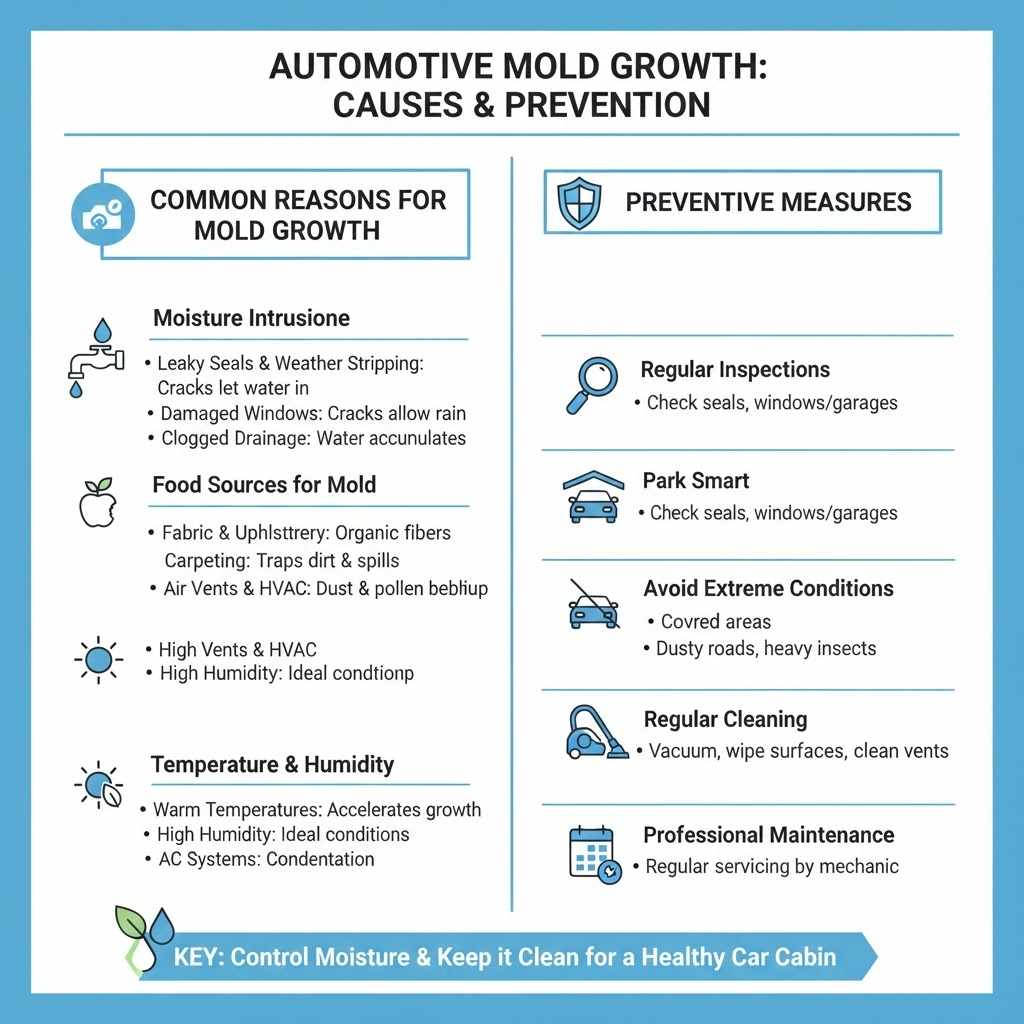
Mold, that unwanted guest, thrives in specific conditions, especially within the enclosed environment of a vehicle. Several factors contribute to its growth, making cars a prime breeding ground. Moisture, the lifeblood of mold, is often the primary trigger. This moisture can seep in through various entry points, from leaky windows and doors to damaged seals and air conditioning systems. Coupled with a food source, such as organic materials like fabric, paper, or food crumbs, and the right temperature, mold quickly establishes itself. Understanding these common reasons is the first step toward preventing and dealing with mold issues.
Moisture Intrusion: The Primary Culprit
Moisture is the single most important factor for mold growth. Cars are frequently exposed to rain, snow, and humidity, creating ideal conditions. Even small leaks, seemingly insignificant, can lead to substantial mold growth over time. Furthermore, condensation, generated by temperature fluctuations inside the car, can provide adequate moisture. For instance, when warm, humid air meets cold surfaces like glass, it condenses, creating water droplets that promote mold growth. Additionally, a spill that isn’t cleaned properly can also turn into a breeding ground for mold. Therefore, controlling moisture is essential for preventing mold.
- Leaky Seals and Weather Stripping: Over time, the rubber seals around windows and doors can degrade, cracking or becoming brittle. These cracks allow rainwater or melted snow to enter the car, creating moist environments. Replacing these seals is crucial to prevent water infiltration.
- Damaged Windows: A cracked or improperly sealed window can let water in, especially during heavy rain or car washes. Even a small crack can lead to significant water accumulation over time.
- Clogged Drainage Systems: Cars have drainage systems, such as those for the sunroof, to channel water away. When these systems become blocked by leaves, dirt, or other debris, water can accumulate inside the car, providing moisture for mold.
The effects of moisture damage in a car can be widespread, from musty odors to visible mold growth on upholstery and carpets. The resulting air quality can then affect the health of those inside the vehicle. The challenge lies in identifying the source of moisture, as it’s not always obvious. The solution begins with regular checks of seals, windows, and drainage systems, along with prompt cleanup of any spills or water exposure to the car. Regularly checking these areas can save you from a major cleanup later. Moreover, parking in a garage or using a car cover can reduce exposure to the elements.
Food Sources for Mold: More Than Meets the Eye
Besides moisture, mold needs a food source to thrive. Your car, with its various materials, offers many opportunities for mold. The upholstery, carpeting, and even the air vents can provide the organic matter mold needs to grow. Food crumbs, spilled drinks, and organic matter from the outside, such as leaves and dirt, can also create a welcoming environment for mold. Addressing food sources is just as important as controlling moisture. Regular cleaning and attention to the car’s interior are essential for preventing mold from taking hold.
- Fabric and Upholstery: These materials are made of organic fibers. These fibers act as a perfect food source for mold, making them prime targets. When these materials become damp, mold can rapidly spread.
- Carpeting: Car carpets can soak up spills and accumulate dirt. The combination of moisture and organic matter in the carpet fibers creates a hospitable environment. Regular vacuuming and cleaning can help minimize mold growth.
- Air Vents and HVAC Systems: These areas can accumulate dust, pollen, and other organic particles. When combined with moisture from condensation, mold can start to develop, spreading mold spores throughout the car.
The inside of your car, from the seats to the carpets and air vents, offers a lot of opportunities for mold to grow. Mold can start from simple things, like a dropped french fry or some spilled coffee. These small amounts of food can be enough for mold to start. Regular cleaning is the key to preventing mold. This means not only cleaning up any spills immediately but also cleaning your car regularly. This includes vacuuming, wiping surfaces, and making sure your car’s ventilation system is working correctly. This simple act of keeping your car clean can greatly reduce the chance of mold.
Temperature and Humidity: The Perfect Climate
Mold thrives in specific environmental conditions, and cars, particularly in certain climates, provide an ideal setting. Temperature and humidity play an essential role. Mold grows best in temperatures between 70 and 90 degrees Fahrenheit (21 to 32 degrees Celsius) and high humidity levels. Therefore, cars left in the sun, especially during humid weather, can become a breeding ground for mold. Understanding these climatic factors and how they relate to the likelihood of mold growth is essential for anyone wanting to keep their car free from mold.
- Warm Temperatures: Heat accelerates mold growth. Cars parked in the sun can reach high temperatures, which helps mold to reproduce rapidly.
- High Humidity: High humidity levels, combined with warm temperatures, create ideal conditions for mold. This is why mold is more common in areas with humid climates.
- Air Conditioning Systems: While designed to cool the car, air conditioning systems can contribute to humidity. Condensation within the system can create a favorable environment.
The interior of a car can act like a greenhouse, especially on a warm day. Sunlight comes in, heating the inside and creating an environment where mold can grow. If your car is in a humid area, this situation gets even worse. It is important to try and park your car somewhere that is sheltered from the sun if you can. Using the air conditioning also impacts the humidity levels, as this can lead to condensation inside the vents. Knowing how temperature and humidity affect mold is essential for preventing it. By managing these conditions, you can significantly reduce the risk of mold growth in your vehicle.
How to Deal with Mold in Cars
Finding mold in your car can be frustrating, but knowing how to deal with it is important. This involves more than just cleaning; it means thoroughly addressing the root causes and preventing mold from returning. This section outlines a comprehensive approach, from identifying the mold to cleaning and preventing its return. By following these steps, you can restore your car’s air quality and protect the health of anyone who rides in it.
Identifying Mold: What to Look For
The first step in dealing with mold is recognizing it. Mold can manifest in various ways, from visible patches to musty smells. Proper identification is important to effectively treat the problem. Looking for these signs can help you identify and address the issue before it spreads. Mold can be found anywhere in your car, but it’s typically found in damp areas or where there is a lot of moisture. It’s often easy to miss mold if you don’t know what to look for, so learning to identify it is a key skill.
-
Visual Inspection:
- Look for visible mold growth. Mold can appear in many colors, from black and green to white and orange.
- Check the usual places, like seats, carpets, headliners, and areas around windows and doors.
-
Smell Test:
- A musty or earthy smell is a major sign of mold.
- If you smell something strange when you get into your car, mold might be the reason.
-
Check for Moisture:
- Look for wet spots or areas that are consistently damp.
- Water leaks or condensation can be an indication of mold problems.
When searching for mold, you must be thorough. Inspect not only the most visible areas, such as the seats and carpets, but also the less obvious ones, like the headliner and the trunk. Examine areas near windows and doors, where leaks often occur. If you suspect mold but can’t see it, pay close attention to the smell. The smell test is often the most revealing early indicator of mold. If you smell something musty or earthy, it’s a strong sign that mold is present. Thorough checks are important because mold can hide in out-of-the-way places.
Cleaning and Removing Mold: Step-by-Step
Once you’ve found mold, the next step is cleaning and removing it. Effective mold removal requires using the right cleaning supplies and a thorough cleaning process. This section provides a detailed, step-by-step guide to cleaning mold from your car. Proper cleaning not only removes the existing mold but also prevents it from returning. Remember that cleaning mold safely is a must to protect yourself and your passengers.
-
Safety First:
Protect yourself by wearing gloves, a mask, and eye protection. Mold spores can irritate your lungs and skin, so it’s best to be safe.
-
Ventilate the Car:
Open all doors and windows to air out the car. This helps reduce the concentration of mold spores in the air while you clean.
-
Vacuum Thoroughly:
Vacuum all affected areas to remove loose mold spores and debris. Use a vacuum cleaner with a HEPA filter to catch spores.
-
Clean the Surfaces:
Use a mold-killing cleaner that is safe for car interiors. You can make your own cleaner with white vinegar and water. Test the cleaner on a small, hidden area first to ensure it does not damage the material.
-
Scrub and Wipe:
Scrub affected areas gently, and then wipe them clean. Focus on removing all traces of mold and mildew.
-
Dry the Car Thoroughly:
Use a fan and leave the doors and windows open to allow the car to dry completely. Moisture is the cause of mold, so ensuring the car is dry is a key step.
-
Treat the HVAC System:
Clean or
Cleaning mold in your car is an involved process, so don’t rush it. Take your time to thoroughly clean all affected areas. For hard-to-reach places, consider using a brush or a tool to reach the mold. For particularly tough mold, you might want to use a more potent cleaner. However, make sure that it’s safe for your car’s interior. After cleaning, it is important to let your car air out. Mold can be stubborn, and repeated cleaning might be necessary. But with patience and care, you can remove mold and return your car to a safe condition.
Preventing Future Mold Growth: Long-Term Solutions
After cleaning up mold, it is important to take steps to prevent it from coming back. This means managing moisture, cleaning regularly, and being proactive about car care. This section provides tips on how to keep your car mold-free. Incorporating these practices into your regular car care routine will help protect your car from mold, and also improve the overall interior health of your vehicle.
- Address Water Leaks: Fix any leaks immediately. Check windows, doors, and sunroof seals regularly. Get them fixed if you see any damage.
- Regular Cleaning: Vacuum your car regularly, especially carpets and upholstery. Clean spills right away to prevent mold from growing.
- Control Humidity: Use a dehumidifier in your car. This can help prevent the buildup of moisture, especially during humid months.
- Ventilation: Make sure your car has good airflow. Open windows or use the air conditioning regularly to help dry out the interior.
- Maintenance: Regularly check and replace your car’s cabin air filter. This will help to prevent mold spores from spreading through the air system.
Keeping your car clean and dry is the best way to prevent mold from growing. Create a routine that suits your needs and also the climate you live in. If you live in a wet or humid area, you might need to clean more often. Regular maintenance and a bit of attention will help you keep your car in top condition. By following these steps, you can stop mold before it starts, and keep the inside of your car fresh and clean. If you see something, deal with it immediately, and stay ahead of any problems.
Advanced Techniques and Professional Assistance
Sometimes, dealing with mold can be more complex. In these cases, it might be necessary to use advanced methods or seek professional help. This section explores these options. Understanding when to use advanced techniques and when to call in professionals can make all the difference in dealing with severe mold problems. The information provided will show you the appropriate steps to take for the best outcomes.
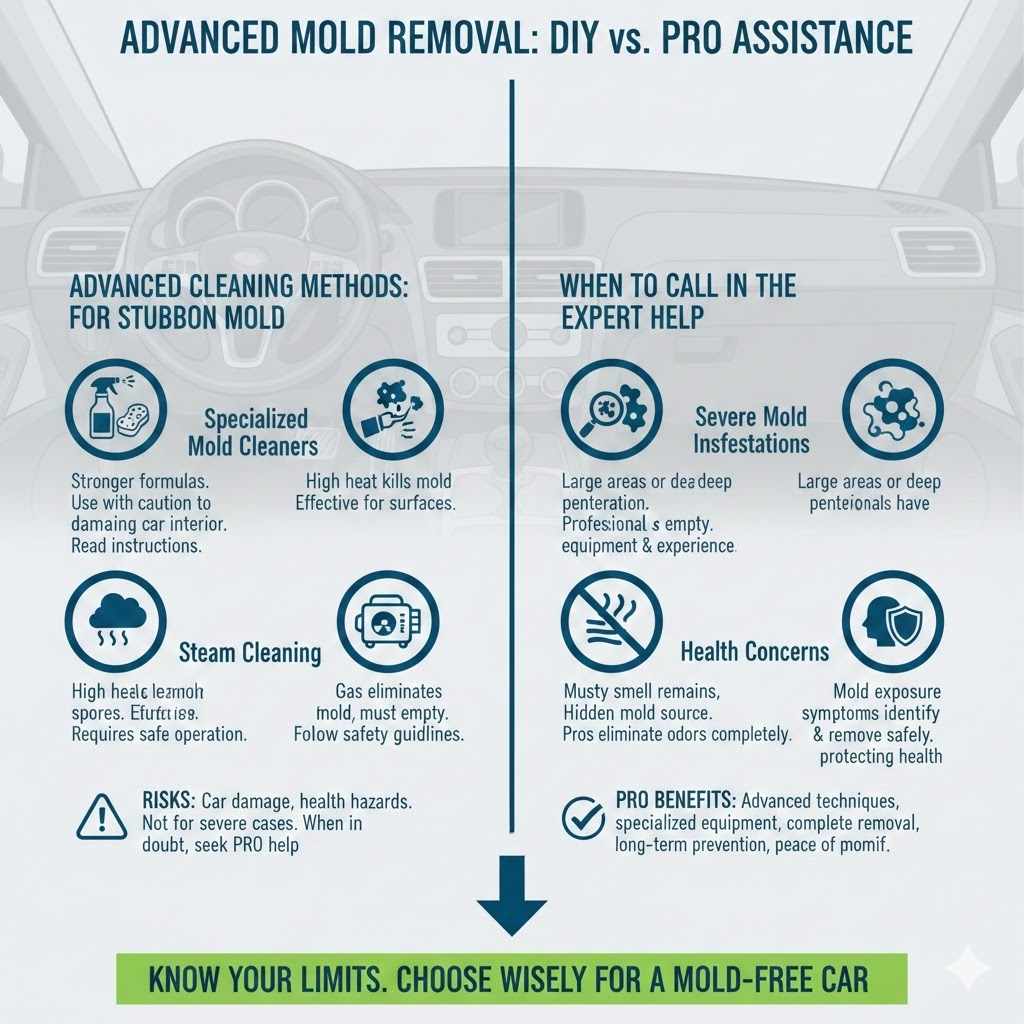
Advanced Cleaning Methods: For Stubborn Mold
If regular cleaning methods don’t get rid of the mold, you may need to use some more advanced approaches. These might include specialized cleaning agents, or methods such as steam cleaning. These advanced techniques can be used to treat more serious mold problems. Remember that with each method, you must be careful to protect your car’s interior and your health. When in doubt, seek professional advice.
-
Specialized Mold Cleaners: There are professional-grade cleaners designed to kill mold and remove stains.
These cleaners are stronger than standard household cleaners. You have to be careful when using them, because some can damage your car’s interior. Always read and follow the instructions carefully.
-
Steam Cleaning: Steam cleaning can be a highly effective way to kill mold and remove it from surfaces.
The high heat kills mold spores. Make sure you know how to operate the steamer safely. If you do not have experience, it’s best to hire a professional.
-
Ozone Treatment: Ozone generators can be used to eliminate mold and odors.
Ozone generators release a gas that kills mold spores. These should only be used in a car that is empty of people and pets. Read the instructions carefully before use and make sure that it is safe to do.
Before you decide to use advanced techniques, be sure to understand the risks. Some cleaning products can damage your car’s interior. Steam cleaners can harm certain fabrics if used incorrectly. Ozone treatment can be hazardous if not used correctly. If you’re not confident in using these methods, or if the mold problem is severe, it’s a smart idea to seek professional help. A professional will have the knowledge and tools needed to deal with the mold problem properly. It is important to know your limits and also choose the correct methods to keep your car safe and mold-free.
When to Call in the Professionals: Expert Help
There are situations when tackling mold by yourself might not be enough. If the mold problem is big or you’re not sure how to fix it, it’s best to call a professional. This section describes when and why professional help is important. Knowing when to get expert help can save you time, money, and stress. It will also make sure that your car is properly treated and restored.
-
Severe Mold Infestations: If the mold covers a large area or has penetrated deeply into materials.
Professionals have the experience and equipment needed to handle serious problems.
-
Persistent Odors: If a musty smell remains after cleaning, it means the mold is still present.
Professionals can find and eliminate hidden mold, and also remove odors completely.
-
Health Concerns: If you or anyone who rides in your car is experiencing health problems from mold exposure.
Professionals can identify mold and remove it safely, protecting health.
Hiring a professional might seem like an added cost, but it can be a smart move. Professionals use advanced techniques and also have experience in dealing with mold. They also have the specialized equipment and cleaning products. A professional also will make sure that the mold is completely removed, preventing it from coming back. If your car has a big mold problem, your health is at risk, or if you’re not sure how to handle it, hiring a professional can give you peace of mind. It’s better to get expert assistance than to risk the problem getting worse.
Frequently Asked Questions
Question: What does mold in a car look like?
Answer: Mold in a car can appear in many colors, including black, green, white, and orange. It often looks like spots or patches on surfaces like seats, carpets, and headliners.
Question: How can I prevent mold from growing in my car?
Answer: Prevent mold by controlling moisture, cleaning spills promptly, ensuring good ventilation, and regular vacuuming. Also, fix any leaks immediately and maintain your car’s air conditioning system.
Question: What do I need to clean mold from my car?
Answer: You’ll need gloves, a mask, and eye protection for safety. Cleaning supplies include a mold-killing cleaner, a vacuum cleaner with a HEPA filter, cloths, and possibly a brush or scrubber.
Question: Can I use bleach to clean mold in my car?
Answer: Bleach can kill mold, but it’s not always the best choice for car interiors. It can damage fabrics and cause discoloration. Always test in an inconspicuous area first or use a cleaner designed for car interiors.
Question: How long does it take for mold to grow in a car?
Answer: Mold can grow in as little as 24 to 48 hours under ideal conditions. Moisture, a food source, and the correct temperature and humidity can encourage rapid growth.
Final Thoughts
Dealing with What Causes Mold in Cars? may seem hard, but it’s a manageable task. Understanding the main causes, from moisture intrusion and food sources to the right temperature and humidity, is the first step. By learning what to look for and following step-by-step cleaning procedures, you can tackle mold problems head-on. Regular checks, cleaning, and maintenance are key to preventing mold. Remember to address leaks, clean spills immediately, and keep your car well-ventilated. When dealing with mold, whether it’s a small patch or a big issue, safety is always important, so protect yourself and your passengers. Keeping your car clean and dry not only prevents mold but also ensures that you and your passengers have a pleasant and healthy driving experience.