What Do Tweeters Do For Car Audio? Sound Quality Explained
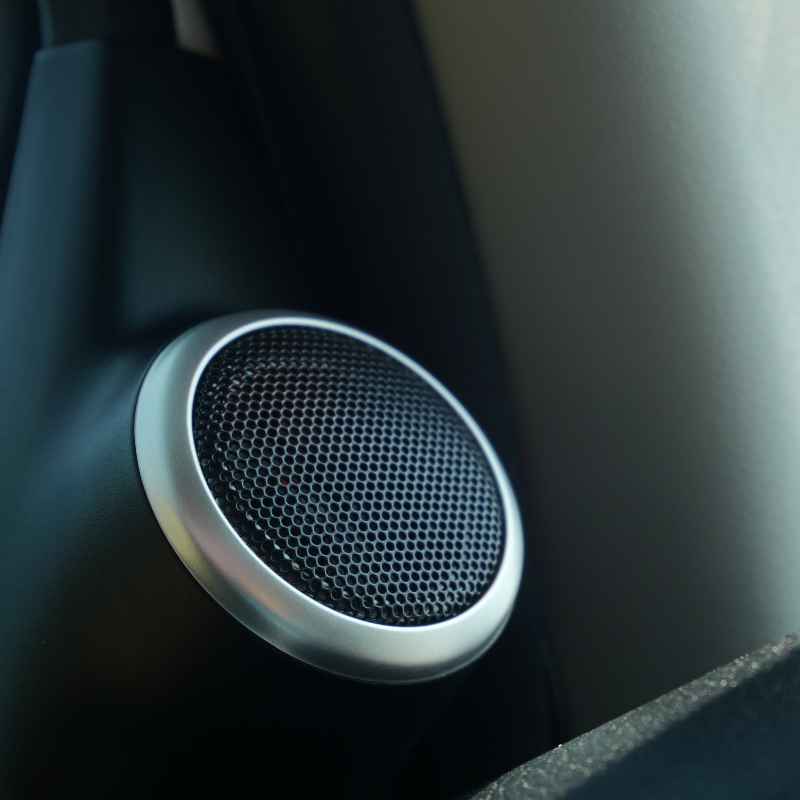
Tweeters are specialized car audio speakers that handle high-frequency sounds. They add clarity, detail, and a sense of spaciousness to your music, making instruments like cymbals, violins, and vocals sound crisp and lifelike. Proper setup is key to enjoying their full benefit.
Understanding the Role of Tweeters in Car Audio
Car audio systems are made of different types of speakers. Each one is built to handle a specific range of sound frequencies. Think of it like a team of singers. You have the deep bass singers, the clear mid-range singers, and the high, bright singers. Tweeters are those high, bright singers. They are designed to produce the highest notes in music.
These high notes are what give music its sparkle and detail. Without good tweeters, your music can sound flat. It might lack that bright, clear quality you hear in live performances. Tweeters make sure those high frequencies are heard as they were meant to be. They help create a fuller, more dynamic soundstage. This means the music feels like it’s happening all around you, not just coming from a few points.
The Sound Spectrum Explained
Sound is measured in frequencies. We use Hertz (Hz) to measure this. Lower numbers mean lower sounds, like a bass drum. Higher numbers mean higher sounds, like a triangle.
Bass (Low Frequencies): This is the thump and rumble. Think of a kick drum or a bass guitar. This range is typically from about 20 Hz to 200 Hz. Woofers are the speakers that handle this sound.
Mid-range (Middle Frequencies): This is where most vocals and many instruments live. Your everyday speech, guitars, and piano notes are here. This range is roughly from 200 Hz to 4,000 Hz (or 4 kHz). Mid-range speakers handle these sounds.
Treble (High Frequencies): This is the crisp, bright, and airy part of sound. Think of the shimmer of a cymbal, the high notes of a flute, or the sibilance in a singer’s voice. This range starts around 4,000 Hz and goes up to 20,000 Hz (or 20 kHz). This is the job of tweeters.
My First Car Audio Upgrade: The Tweeter Revelation
I remember my first car, a hand-me-down sedan with a factory stereo. It was okay for listening to the radio. But when I tried playing my favorite rock albums, something felt wrong. The guitars sounded muddy. The singer’s voice seemed distant. The crash of the cymbals was more of a dull thud. I felt a real pang of disappointment every time I turned up the volume.
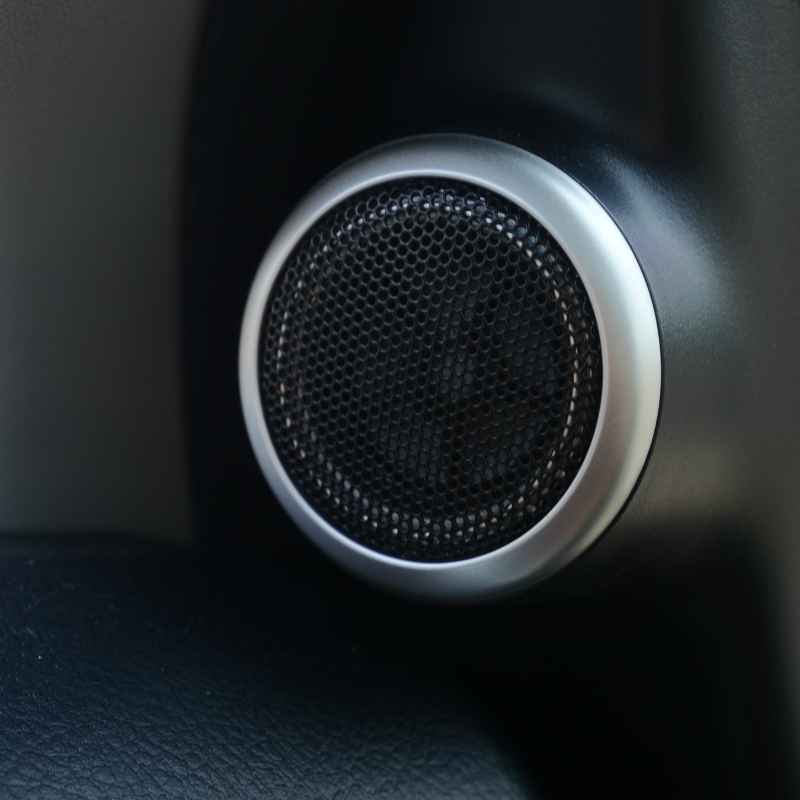
I decided to make my first car audio upgrade. I didn’t have much money. So, I saved up and bought a set of decent aftermarket tweeters. I remember the installer putting them in the corners of my dashboard. It wasn’t a huge, flashy change. But the moment we played the same song again, it was like night and day. Suddenly, the guitars had a bite. The singer’s voice felt like they were right there in the car with me. And those cymbals? They sparkled. It was a small change that made a huge difference. That’s when I truly understood what tweeters could do. It wasn’t just louder; it was clearer. It had detail I never heard before.
Types of Tweeters and Their Sound
Tweeters come in different designs, and each has a slight effect on sound.
- Dome Tweeters: The most common type. They use a soft or hard dome material. Soft domes (silk, fabric) offer a warm, smooth sound. Hard domes (metal, plastic) can be brighter and more detailed.
- Horn Tweeters: These have a horn-shaped waveguide. They are very efficient and loud. They can sound more directional and sometimes harsher if not tuned well.
- Ring Radiator Tweeters: These have a unique design that allows for wider sound dispersion. They often provide very clear and detailed high frequencies.
How Tweeters Add Detail and Clarity
The magic of tweeters lies in their ability to reproduce those high-frequency sounds. These sounds are what give music its texture. They provide the “air” and “sparkle” that makes music sound realistic.
The Impact of High Frequencies
Think about a live concert. You hear the main instruments and voices. But you also hear the little details. The way the guitar strings vibrate. The subtle breath of a singer. The metallic ring of a drumstick hitting a cymbal. These are all high-frequency sounds.
When your car audio system plays these sounds, it creates a more immersive experience. It helps you pinpoint where different instruments are located in the soundstage. This creates a sense of depth and realism. Without tweeters, these details are lost. Music can sound like it’s being played behind a thick curtain.
Why Your Factory System Might Be Lacking
Most factory car stereos are designed to be affordable. They often use basic speakers. These speakers might be “full-range,” meaning they try to play all frequencies. But they usually can’t play the very high notes well. Or they might play them, but with very little clarity.
Manufacturers often limit the high frequencies to protect these basic speakers. They might also deliberately tune the sound to be less bright. This is to avoid complaints about harshness. But it means you’re not hearing the full range of your music. Adding good tweeters bypasses these limitations. They are built specifically for clarity and detail in the treble range.
Common Tweeter Placement and Its Effects
Where you put your tweeters matters a lot. It affects how you hear the sound. The goal is to have them aimed at your ears. This is especially important because high frequencies are very directional.
Popular Tweeter Mounting Spots
Let’s look at common places car owners put their tweeters.
- Dashboard Corners: Often near the windshield. This is a common factory location. It allows for a good soundstage if aimed correctly.
- A-Pillar Mounts: The pillar between your front door and windshield. This allows for precise aiming at the listener. It can create a very direct and clear sound.
- Door Panel Mounts: Sometimes placed in the upper part of the door. This can work but might result in sound coming from lower down.
- Custom Builds: Some enthusiasts create custom pods or mounts to get the perfect angle and position.
Aiming for the Best Soundstage
The “soundstage” is the imaginary space where the music appears to be playing. When tweeters are aimed well, they help create a wide and deep soundstage. This makes it feel like the band is playing in front of you.
If tweeters are pointed too high or too low, the sound can feel off. If they are aimed at the ceiling or the floor, you lose a lot of detail. They might also sound harsh if they are too close to your ears. Finding that sweet spot is key.
Sometimes, you might see tweeters mounted very high up. This is often to get them closer to ear level. It helps them overcome the sound coming from your main door speakers. This is called “time alignment.” It helps the sound from all speakers arrive at your ears at the same time. This is a more advanced setup. But even simple aiming makes a big difference.
What Tweeters Do for Different Music Genres
The impact of tweeters can vary a bit depending on the type of music you listen to.
Rock and Pop Music
In rock, the clarity of electric guitars, the shimmer of cymbals, and the crispness of vocals are very important. Tweeters bring these elements to life. A distorted guitar riff can sound much more aggressive and detailed. Drum solos become more exciting with clear cymbal crashes.
Electronic Dance Music (EDM) and Hip-Hop
While these genres are known for bass, they also have many high-frequency elements. Think of the bright synth lines, hi-hats, and vocal effects. Good tweeters ensure these sounds cut through the mix. They add detail to the rhythmic patterns. This can make the music feel more energetic and precise.
Classical and Jazz
These genres rely heavily on nuance and detail. The subtle bowing of a violin, the breath of a saxophone player, the delicate touch on a piano. Tweeters reveal these fine points. They make the instruments sound more natural and realistic. The overall performance feels more intimate and alive.
Common Tweeter Problems and How to Spot Them
Sometimes, even with tweeters, you might not get the sound you expect. There are a few common reasons why.
Troubleshooting Your Tweeter Sound
Here are common issues and what they might mean.
Myth: Tweeters always sound harsh.
Reality: Harshness often means poor setup or poor quality. Well-designed tweeters sound clear, not painful.
Myth: All tweeters are the same.
Reality: Quality and design vary greatly. Better tweeters offer more clarity and less distortion.
When Tweeters Don’t Sound Right
One common issue is sound that is too harsh or sibilant. “Sibilant” means sounds like ‘s’ and ‘sh’ are overly sharp or piercing. This can happen for a few reasons. The tweeters might be too loud for the system. Or they might be aimed directly at your ears at close range. Cheap tweeters can also naturally produce a harsher sound.
Another problem is when tweeters are wired incorrectly. They might be wired out of phase. This means their sound waves are not matching up with the other speakers. This can cause a loss of bass and a thin, weak sound overall.
Sometimes, the problem isn’t the tweeters themselves. It’s how they are integrated. They need to be crossed over properly. This means the stereo sends only high frequencies to the tweeters. And mid and low frequencies go to other speakers. If this crossover is not set right, tweeters can get too much low sound. This can damage them or make them sound distorted.
Can You Install Tweeters Yourself?
Installing tweeters can be a rewarding DIY project. But it does require some care and basic knowledge.
What You’ll Need
You’ll likely need a few tools. Wire strippers, a screwdriver set, and possibly a drill if you’re making new mounting holes. You’ll also need some speaker wire and connectors. If your new tweeters don’t come with crossover components, you’ll need those too. Crossovers are small circuits that direct the right frequencies to the right speakers.
The Installation Process
First, you’ll need to decide on placement. Many aftermarket tweeters come with surface mounts or flush mounts. Surface mounts can be attached to a dashboard or pillar. Flush mounts go into a hole you cut.
Next, you need to run wires from your stereo or amplifier to the tweeters. This often involves removing trim panels. Be careful not to break any clips. Connect the wires to the tweeters. Make sure you get the positive and negative connections right. It’s also crucial to install the crossover filters. These are usually small boxes that connect between the stereo and the tweeter.
If you’re unsure about any part of the process, it’s always best to consult a professional installer. They have the experience to do it safely and correctly. Getting it wrong can damage your new tweeters or your car’s electrical system.
DIY vs. Professional Installation: A Quick Look
Consider these points when deciding.
DIY Pros:
Save money. Learn a new skill. Control over placement.
DIY Cons:
Can be time-consuming. Risk of damage if done wrong. May not achieve optimal sound without expertise.
Pro Install Pros:
Fast and efficient. Correct wiring and tuning guaranteed. Access to specialized tools and knowledge.
Pro Install Cons:
Higher cost. Less hands-on control.
The Importance of Crossovers
Crossovers are essential for any speaker system with multiple types of speakers. They act as traffic cops for your sound. They make sure the right sound frequencies go to the right speakers.
What a Crossover Does
A tweeter is designed for high frequencies. If it receives low bass frequencies, it can be damaged. It also cannot reproduce bass well, so it will sound distorted and weak. The crossover stops these low frequencies from reaching the tweeter.
Similarly, a woofer is designed for bass. If it tries to play high treble notes, it won’t sound good. It can also be damaged by very high power at high frequencies. The crossover prevents high frequencies from going to the woofer.
Types of Crossovers
Passive Crossovers: These are the most common type. They use coils and capacitors. They are usually included with aftermarket component speaker systems. They are installed in-line with the speaker wire.
Active Crossovers: These are built into amplifiers or head units. They require more complex wiring and setup. They offer more precise control over frequencies.
When you buy new tweeters that are part of a “component system,” they almost always come with passive crossovers. This is the easiest way to ensure proper frequency splitting.
When to Upgrade Your Car Audio Tweeters
You might be wondering if upgrading your tweeters is worth it for you. Here are some signs that it could make a big difference.
Signs Your System Needs Better Tweeters
Music sounds dull or lifeless. You know your favorite songs should have more sparkle.
Vocals are unclear or sound muffled. The singer’s voice doesn’t have crispness.
High-frequency instruments are hard to hear. Think of cymbals, violins, or high piano notes.
Your current speakers are old or damaged. Sometimes, just replacing worn-out speakers helps.
You’ve upgraded your stereo or amplifier. These powerful components can reveal the limits of your factory speakers.
The Future of Car Audio Tweeters
Technology in car audio is always advancing. Tweeter technology is no different. We’re seeing more advanced materials. These materials allow for lighter, stronger diaphragms. This means better response and less distortion.
There’s also a focus on wider dispersion. This means the sound spreads out more evenly. It helps everyone in the car hear great sound, not just the driver. Digital signal processing (DSP) is also playing a bigger role. This allows for very precise tuning of tweeters. It can compensate for placement issues and room acoustics in the car.
Final Thoughts on Tweeter Power
Tweeters are small but mighty. They are the key to unlocking the detailed, clear, and exciting sound that your car audio system is capable of. They bring life to the high notes. They add sparkle to your music. They help create a soundstage that makes you feel like you’re at a live concert.
If you’re looking to improve your car’s sound without a complete overhaul, upgrading your tweeters is a fantastic place to start. It’s an upgrade that offers a noticeable, enjoyable difference. It makes every drive a better listening experience.
Frequently Asked Questions about Car Audio Tweeters
Do tweeters make a big difference in car audio?
Yes, tweeters make a very big difference! They are responsible for the high notes in music. Without good tweeters, music can sound flat and lack detail.
Adding clear tweeters brings sparkle, crispness, and a more realistic sound to your car audio.
Can I connect tweeters directly to my car radio?
Often, yes, but it’s best to use them with a crossover. Most aftermarket tweeters come with a small crossover filter. This filter protects the tweeter from low-frequency sounds that the radio might send.
Connecting without one can damage the tweeter.
What is the best place to install tweeters in a car?
The best place is usually where they can be aimed at your ears. This is often the upper corners of the dashboard or on the A-pillars. Direct aiming is important because high frequencies are directional.
Good aiming creates a better soundstage.
Are component speakers better than coaxial speakers?
Component speakers (which include separate tweeters, mid-range drivers, and crossovers) often offer better sound quality and flexibility in placement. Coaxial speakers have the tweeter mounted in front of the main driver. They are easier to install but placement can be less ideal for the tweeter.
How do I know if my tweeters are working?
You should hear clear, crisp high sounds. Listen to music with cymbals, hi-hats, or clear vocals. If these sound sharp and detailed, your tweeters are likely working.
If they sound muffled or are absent, there might be a wiring or connection issue.
What does “out of phase” mean for tweeters?
When speakers are “out of phase,” their sound waves are not working together. For tweeters, this means they might be wired with reversed polarity (positive connected to negative). This can cause a loss of overall sound quality, a weak bass response, and a distorted soundstage.
Products related to this article
Sponsored / affiliate links. As an Amazon Associate I earn from qualifying purchases. I may earn additional commission from eligible campaigns.