What Do You Need for Car Detailing?
Hey there, fellow car enthusiast! If you’re like me, you love the feeling of sliding into a sparkling clean car that smells fresh and looks like it just rolled off the showroom floor. That’s the magic of car detailing. But where do you start? What do you need for car detailing to get that professional shine at home? I’ve spent years tinkering with my own cars, trying out tools, products, and techniques, and I’m excited to share everything I’ve learned. Whether you’re a beginner or a seasoned detailer, this guide will walk you through every essential item and step to make your car look its absolute best. Let’s dive in and explore what you need to transform your ride into a head-turner!
Why Car Detailing Matters
Before we get into the tools and products, let’s talk about why detailing is worth your time. Detailing isn’t just about making your car look good—it’s about protecting it too. Regular detailing keeps your car’s paint, interior, and components in top shape, which can save you money on repairs down the road. A well-detailed car holds its value better, especially if you plan to sell it later. Plus, there’s something incredibly satisfying about driving a car that’s clean inside and out. It’s like giving your vehicle a spa day, and trust me, it’ll thank you with a longer lifespan and a better driving experience.
The Basics: Understanding Car Detailing
Car detailing is more than just a quick wash. It’s a deep-cleaning process that covers both the exterior and interior of your vehicle. The goal is to restore your car’s appearance and protect it from the elements. Exterior detailing focuses on cleaning, polishing, and protecting the paint, wheels, and glass. Interior detailing tackles the upholstery, dashboard, and those hard-to-reach spots where crumbs and dust love to hide. To do it right, you’ll need a mix of tools, cleaning products, and a bit of elbow grease. Don’t worry—I’ll break it all down for you.
Essential Tools for Car Detailing
Let’s start with the tools. You don’t need a fancy garage setup to detail like a pro, but having the right equipment makes a huge difference. Here’s what I keep in my detailing arsenal.
Buckets and Wash Mitts
Every detail starts with a good wash. I use the two-bucket method—one bucket for soapy water and another with clean water to rinse my mitt. This keeps dirt from scratching the paint. A high-quality microfiber wash mitt is a must. It’s soft, holds tons of suds, and glides over the surface without causing swirls. I recommend getting two or three mitts so you can switch them out as they get dirty.
Pressure Washer or Garden Hose
A pressure washer is a game-changer for rinsing off loose dirt and grime before washing. It’s not mandatory, but it saves time and does a better job than a regular garden hose. If you’re on a budget, a hose with a good nozzle will work fine—just make sure it has adjustable settings for a gentle spray. I learned the hard way that too much pressure can damage paint, so be careful!
Microfiber Towels
Microfiber towels are the backbone of detailing. They’re super absorbent and gentle on surfaces. I use them for drying the car, applying polish, and wiping down the interior. Get a stack of them—20 or more—because you’ll go through them quickly. Look for towels with a high GSM (grams per square meter) for better quality.
Brushes and Applicators
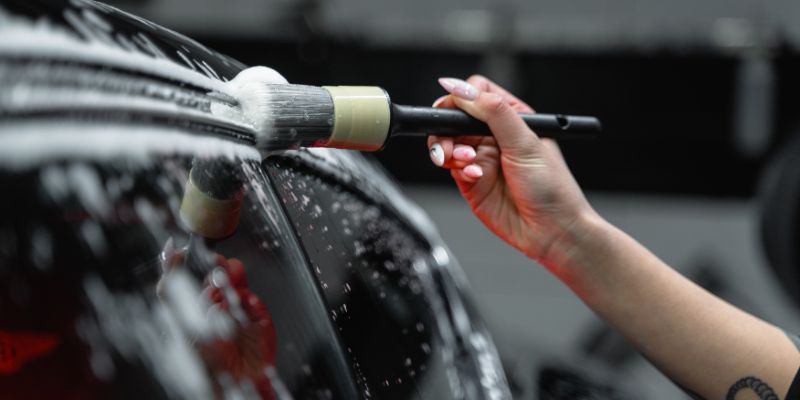
For tight spots like wheel wells, grilles, and interior crevices, brushes are your best friend. I have a set of soft-bristled brushes for wheels and a smaller detail brush for vents and seams. Foam applicators are great for applying wax or tire shine evenly. Keep a variety on hand for different tasks.
Vacuum Cleaner
A good vacuum is essential for interior detailing. I use a shop vac with attachments for getting into tight spaces like under seats. If you want something portable, a cordless handheld vacuum works well for quick cleanups. Just make sure it has enough suction to handle pet hair and dirt.
Clay Bar Kit
A clay bar removes contaminants like tree sap or road tar that washing alone can’t handle. It’s a small, pliable piece of clay that you glide over the paint with a lubricant. My first time using one felt like magic—the paint was so smooth afterward! A clay bar kit usually comes with lubricant, and one bar lasts for several uses.
Must-Have Cleaning Products
Now that we’ve covered tools, let’s talk about the cleaning products that bring the shine. I’ve tried dozens of brands over the years, and these are the essentials that never let me down.
Car Wash Soap
Regular dish soap is too harsh for car paint—it strips away wax and dries out the surface. A dedicated car wash soap is pH-balanced and safe for your vehicle. Look for one that creates lots of suds and rinses cleanly. I like soaps with added gloss enhancers for a little extra sparkle.
Wheel Cleaner
Wheels take a beating from brake dust and road grime. A good wheel cleaner breaks down that gunk without damaging the finish. If your car has alloy or chrome wheels, make sure the cleaner is safe for those surfaces. I spray it on, let it sit for a minute, then scrub with a wheel brush for spotless results.
All-Purpose Cleaner
An all-purpose cleaner (APC) is a versatile product for both interior and exterior detailing. I use it on tires, engine bays, and interior surfaces like plastic and vinyl. Dilute it for lighter tasks or use it full-strength for tough stains. Just test it on a small area first to avoid discoloration.
Glass Cleaner
Streak-free windows are a must for that polished look. A good glass cleaner cuts through smudges and leaves no residue. I prefer ammonia-free formulas because they’re safer for tinted windows. Spray it on a microfiber towel instead of directly on the glass to avoid overspray.
Wax or Sealant
Wax or sealant protects your car’s paint and gives it that glossy finish. Wax is traditional and adds a warm glow, while sealants last longer and are easier to apply. I usually go with a liquid wax for a classic shine, but a spray sealant is great for quick touch-ups. Apply it after washing and drying for the best results.
Interior Protectant
To keep your dashboard and leather seats looking new, use an interior protectant. It adds UV protection and prevents cracking or fading. I like a matte-finish protectant for a natural look, but glossy ones are great if you want a bit of shine. Apply it sparingly to avoid a greasy feel.
Tire Shine
Nothing completes a detail like glossy tires. Tire shine products come in sprays, gels, or foams. I prefer gels because they’re easier to control and last longer. Apply it with a foam applicator for an even coat, and wipe off any excess to avoid sling on your paint.
Specialized Equipment for Next-Level Detailing
If you’re ready to take your detailing to the next level, consider investing in a few specialized tools. These aren’t mandatory, but they make the job easier and give professional results.
Polisher
A dual-action polisher is a fantastic tool for removing scratches and enhancing shine. It’s safer for beginners than a rotary polisher because it’s less likely to burn the paint. I was nervous the first time I used one, but with a little practice, it became my favorite tool for bringing out a mirror-like finish.
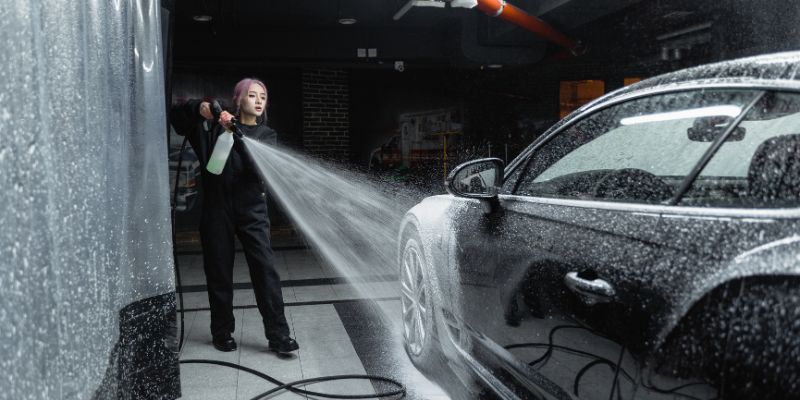
Foam Cannon
A foam cannon attaches to your pressure washer and blankets your car in thick foam. It’s not just fun to use—it helps loosen dirt and reduces the chance of scratches during washing. Pair it with a high-foaming car soap for the best results.
Steam Cleaner
For tough interior stains or hard-to-reach spots, a steam cleaner is a lifesaver. It uses hot steam to lift dirt from upholstery and carpets without harsh chemicals. I’ve used mine to revive seats that I thought were beyond saving. Just be careful not to over-wet delicate materials.
Detailing Supplies Checklist
To make things easier, here’s a quick checklist of everything you’ll need for a full detailing session. I keep this taped to my garage wall to make sure I’m not missing anything before I start.
| Category | Item | Purpose |
|---|---|---|
| Tools | Two buckets with grit guards | Prevents scratches during washing |
| Microfiber wash mitts | Gentle cleaning of paint | |
| Pressure washer or hose | Rinsing off dirt | |
| Microfiber towels (20+) | Drying, polishing, and wiping | |
| Wheel and detail brushes | Cleaning wheels and tight spots | |
| Shop vac or handheld vacuum | Interior cleaning | |
| Clay bar kit | Removing paint contaminants | |
| Cleaning Products | Car wash soap | Safe cleaning of exterior |
| Wheel cleaner | Removes brake dust and grime | |
| All-purpose cleaner | Versatile cleaning for multiple surfaces | |
| Glass cleaner | Streak-free windows | |
| Wax or sealant | Paint protection and shine | |
| Interior protectant | Protects dashboard and upholstery | |
| Tire shine | Glossy tire finish | |
| Optional Equipment | Dual-action polisher | Scratch removal and polishing |
| Foam cannon | Thick foam for easier washing | |
| Steam cleaner | Deep cleaning of interior |
Step-by-Step Detailing Process
Now that you have your tools and products, let’s walk through the detailing process. I’ve broken it down into simple steps that I follow every time I detail my car.
Step 1: Pre-Wash and Rinse
Start by rinsing your car with a pressure washer or hose to remove loose dirt. If you have a foam cannon, apply a layer of foam and let it sit for a minute to loosen grime. Rinse thoroughly to ensure no debris is left before washing.
Step 2: Wash with the Two-Bucket Method
Fill one bucket with car wash soap and water, and the other with plain water. Dip your microfiber mitt in the soapy water, wash a section of the car, then rinse the mitt in the clean water bucket before going back to the soap. Work from top to bottom to avoid spreading dirt.
Step 3: Clay Bar the Paint
After washing, dry the car with microfiber towels. Spray the clay bar lubricant on a small section of the paint and glide the clay bar over it. You’ll feel it grab at first, then smooth out as contaminants are removed. Fold the clay to expose a clean side as needed.
Step 4: Polish (Optional)
If your paint has scratches or swirls, use a dual-action polisher with a polishing pad and compound. Work in small sections, applying light pressure. Wipe off the residue with a microfiber towel. This step takes time but makes a huge difference.
Step 5: Wax or Sealant
Apply wax or sealant with a foam applicator in thin, even layers. Let it haze over (usually 5-10 minutes), then buff it off with a clean microfiber towel. This protects the paint and gives it that deep, glossy shine.
Step 6: Clean the Wheels and Tires
Spray wheel cleaner on your wheels and scrub with a brush. Rinse thoroughly. Apply tire shine with a foam applicator for a polished look. I like to do this step last on the exterior to avoid getting cleaner on the paint.
Step 7: Vacuum the Interior
Vacuum the seats, carpets, and trunk. Use attachments to get into tight spots like between seats. Don’t forget the floor mats—take them out and give them a good shake before vacuuming.
Step 8: Clean Interior Surfaces
Use an all-purpose cleaner and a microfiber towel to wipe down the dashboard, console, and door panels. For leather seats, use a dedicated leather cleaner. A small brush works wonders for vents and buttons.
Step 9: Clean the Glass
Spray glass cleaner on a microfiber towel and wipe down all windows and mirrors. Do the interior first, then the exterior. Check for streaks in different lighting to make sure they’re spotless.
Step 10: Final Touches
Apply interior protectant to the dashboard and seats. Check for any missed spots, and give the car a final walk-around. Step back and admire your work—your car should look amazing!
Tips for Detailing Success
Over the years, I’ve picked up a few tricks that make detailing easier and more effective. Work in a shaded area to avoid soap or wax drying too quickly. Always test products on a small area first, especially on delicate surfaces like leather. Keep your microfiber towels clean—wash them after every use to avoid scratching the paint. And don’t rush! Detailing takes time, but the results are worth it.
Maintaining Your Detail
Once your car is detailed, you’ll want to keep it looking great. Wash it every one to two weeks to prevent dirt buildup. Use a quick-detailer spray between washes to boost shine and remove light dust. Reapply wax or sealant every three months, and touch up tire shine as needed. For the interior, a quick vacuum and wipe-down every month keeps it fresh.
Conclusion
Detailing your car is a labor of love, but with the right tools and products, it’s a rewarding experience. From buckets and microfiber towels to car wash soap and wax, each item plays a role in transforming your vehicle. I’ve spent countless weekends perfecting my detailing routine, and there’s nothing like the feeling of driving a car that looks and feels brand new. Whether you’re detailing for the first time or leveling up your skills, this guide has everything you need to get started. So grab your supplies, put on some music, and give your car the TLC it deserves. You’ll be amazed at the results, and your ride will thank you with every gleaming mile.
FAQs
What’s the difference between car washing and car detailing?
Car washing is a quick surface clean to remove dirt and grime. Detailing is a deeper process that includes washing, polishing, protecting the exterior, and cleaning the interior thoroughly. It’s about restoring and protecting your car’s appearance.
How often should I detail my car?
I recommend a full detail every six months. Between details, regular washes every one to two weeks and quick interior cleanups keep your car looking great. If you live in a harsh climate, you might need to detail more often.
Can I use household products for car detailing?
Some household products, like dish soap or glass cleaner, can work in a pinch, but they’re not ideal. Car-specific products are designed to be gentle on paint and interiors. Using the wrong products can strip wax or damage surfaces.
How long does it take to detail a car?
A full detail can take 4-8 hours, depending on your car’s size and condition. If you’re just doing a basic wash and wax, it might take 2-3 hours. Take your time for the best results.
Do I need a pressure washer for car detailing?
A pressure washer is helpful for rinsing off dirt, but it’s not a must-have. A garden hose with a good nozzle works fine. Just make sure to use gentle pressure to avoid damaging the paint.