What Does a GPS Tracker on a Car Look Like?
Hey there! If you’re wondering what does a GPS tracker on a car look like, I’ve got you covered. I’ve spent time digging into this topic, checking out different devices, and learning how they work. A car GPS tracker can be a small, discreet gadget that blends into your vehicle, or it might be a more obvious device, depending on the type. Let me walk you through everything you need to know about their appearance, how they’re installed, and why they’re so useful.
Types of GPS Trackers for Cars
Let’s start with the basics. GPS trackers come in a few different forms, and each has its own look and purpose. I’ve seen a lot of these devices, and they’re designed to fit different needs. Some are super tiny, while others are a bit bulkier. Here’s a breakdown of the main types you’ll find.
Plug-In GPS Trackers
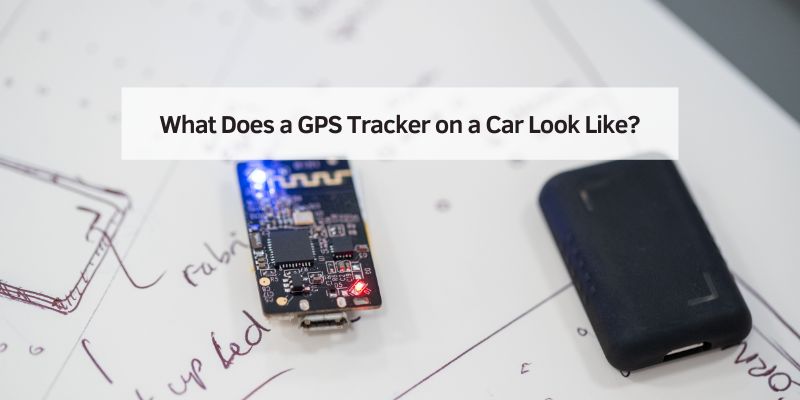
These are some of the most common trackers I’ve come across. They plug right into your car’s OBD-II port, which is usually under the dashboard. They’re small, about the size of a phone charger, and often have a rectangular shape with a plastic casing. Most are black or gray to blend in. You might notice a small LED light blinking on them, showing they’re active. They’re super easy to spot if you know where to look, but they don’t scream “tracker” to a casual observer.
Hardwired GPS Trackers
I’ve installed a few of these myself, and they’re a bit more hidden. Hardwired trackers are wired directly into your car’s electrical system, often behind the dashboard or under the hood. They’re usually small, about the size of a matchbox, and made of durable plastic or metal. Because they’re tucked away, you won’t see them unless you’re looking for them. They’re popular for people who want a stealthy GPS tracker that’s tough to detect.
Magnetic GPS Trackers
These are my favorite for their versatility. Magnetic trackers have strong magnets that let you stick them to metal parts of your car, like under the chassis. They’re typically small, rugged boxes, about the size of a deck of cards. Most have a weatherproof casing since they’re often placed outside the car. I’ve seen them in black or camouflage colors to stay discreet. They’re perfect if you want a portable GPS tracker you can move between vehicles.
Battery-Powered GPS Trackers
If you’re looking for something temporary, battery-powered trackers are a great option. These are standalone devices, often no bigger than a key fob. They can be placed anywhere in the car, like in the glovebox or under a seat. They’re usually lightweight and made of plastic, with a simple design. I’ve noticed some have a button or small screen to show status. They’re easy to hide but need regular charging or battery replacement.
| Type of GPS Tracker | Appearance | Size | Common Placement |
|---|---|---|---|
| Plug-In | Rectangular, plastic, LED light | Phone charger size | OBD-II port (under dashboard) |
| Hardwired | Small, matchbox-sized, plastic/metal | 2-3 inches long | Hidden behind dashboard or under hood |
| Magnetic | Rugged, box-shaped, weatherproof | Deck of cards size | Under chassis or metal surface |
| Battery-Powered | Lightweight, key fob-sized, plastic | 1-2 inches long | Glovebox, under seat, or trunk |
What Do GPS Trackers Look Like Inside a Car?
Now, let’s talk about spotting a GPS tracker inside your vehicle. I’ve looked into this a lot, and it’s not always obvious. Some trackers are designed to be super discreet. If it’s a plug-in model, check your OBD-II port—it’ll look like a small device plugged in where a mechanic might connect a diagnostic tool. Hardwired ones are trickier. You’d need to peek behind the dashboard or under the hood, where they might be taped or secured with a small harness. Hidden GPS trackers are often placed where you wouldn’t think to look, like inside door panels or under floor mats.
One time, I helped a friend find a tracker in their car. We checked the glovebox, under the seats, and even the trunk. We found a tiny battery-powered tracker tucked inside a seat pocket. It was so small, we almost missed it! If you’re searching, use a flashlight and look for anything that seems out of place, like a small box or wires that don’t belong.

What Do GPS Trackers Look Like Outside a Car?
Outside the car, GPS trackers are usually built to withstand the elements. Magnetic GPS trackers are the most common for external use. They’re often rectangular or square, with a tough, weatherproof casing. I’ve seen them attached under the car’s frame or inside wheel wells. They’re designed to blend in, so they might be painted to match the car’s undercarriage. If you’re checking for one, get down low and look for anything that looks like a small, out-of-place box.
I once saw a car tracking device on a coworker’s truck. It was a magnetic model stuck to the underside of the bed. It was black, about 3 inches long, and had a blinking light you could barely see. If you’re suspicious, run your hand along metal surfaces to feel for anything unusual.
Why Do GPS Trackers Look the Way They Do?
You might wonder why these devices are designed this way. From what I’ve learned, it’s all about function and discretion. Vehicle tracking devices need to be small to stay hidden, especially for security purposes. A bulky tracker would be too obvious, and no one wants that. The materials, like plastic or metal, are chosen for durability, especially for real-time GPS trackers that need to work in all weather conditions. LED lights are often included to show the device is powered on, but they’re kept subtle to avoid drawing attention.
I’ve noticed that manufacturers also focus on ease of use. Plug-in trackers, for example, are made to fit standard OBD-II ports so anyone can install them. Magnetic trackers have strong magnets for quick placement. It’s all about balancing practicality with staying under the radar.
How to Spot a Hidden GPS Tracker
If you’re worried someone might have placed a GPS tracker on your car, I’ve got some tips. First, check the obvious spots: the OBD-II port, under seats, and in the glovebox. For hidden trackers, you’ll need to dig deeper. Look for loose wires or small devices taped to surfaces. I once found a tracker behind a car’s fuse box—it was tiny, but the wires gave it away.
You can also use a bug detector, which picks up the radio signals that GPS trackers use to transmit data. These gadgets aren’t foolproof, but they’ve helped me locate trackers before. If you’re really concerned, take your car to a mechanic who can do a thorough sweep. It’s peace of mind worth having.
Why Use a GPS Tracker on a Car?
You might be thinking, why bother with a car GPS tracker? I’ve used them for a few reasons. They’re great for keeping tabs on your vehicle, especially if you’re worried about theft. Real-time tracking lets you see exactly where your car is at any moment. I’ve also used trackers to monitor my teen driver—knowing they’re safe is a huge relief. Businesses use them too, to track fleet vehicles and make sure drivers are on route.
Another cool thing? Some trackers, like those with geofencing, alert you if your car leaves a certain area. I set one up for my car when I parked it at the airport. If it moved, I’d get a notification. Pretty handy, right?
Choosing the Right GPS Tracker for Your Car
Picking a GPS tracker can feel overwhelming with so many options. I’ve tried a few, and here’s what I’ve learned. If you want something simple, go for a plug-in tracker. They’re affordable and easy to set up. For more security, a hardwired tracker is better since it’s harder to remove. If you need flexibility, a magnetic tracker is perfect because you can move it between cars.
Think about what features you need. Do you want real-time tracking or just occasional updates? Some trackers offer apps to monitor your car from your phone, which I find super convenient. Also, check if the tracker needs a subscription for data—it’s a common cost.

Common Features of GPS Trackers
Most GPS trackers come with features that make them super useful. I’ve played around with a few, and here’s what you’ll typically find. Real-time tracking is standard, showing your car’s location on a map. Many have geofencing, which I mentioned earlier. Some even track speed or driving habits, which is great for parents or fleet managers.
Battery life varies. Plug-in trackers draw power from the car, so they don’t need charging. Battery-powered trackers, on the other hand, might last a few weeks or months. Magnetic trackers often have rechargeable batteries. I always check the battery life before buying—it’s a game-changer.
Conclusion
So, there you have it—everything I’ve learned about what a GPS tracker on a car looks like. Whether it’s a tiny plug-in device in the OBD-II port, a hidden hardwired unit, or a rugged magnetic box under your car, these gadgets are designed to be discreet and functional. They come in all shapes and sizes, but they all do one thing: keep your vehicle safe and trackable. I love the peace of mind they offer, whether I’m protecting my car from theft or keeping an eye on my teen’s driving. If you’re thinking about getting a car GPS tracker, I hope this guide helps you pick the right one. Trust me, once you try one, you’ll wonder how you ever went without it!
Frequently Asked Questions
What is the smallest GPS tracker for a car?
The smallest trackers are usually battery-powered GPS trackers, about the size of a key fob. They’re easy to hide in places like the glovebox or under a seat.
Can I install a GPS tracker myself?
Yes, most plug-in GPS trackers are super easy to install—just plug them into the OBD-II port. Hardwired ones might need a professional, but I’ve done it with basic tools.
How do I know if there’s a GPS tracker on my car?
Check common spots like the OBD-II port, under seats, or under the car. A bug detector can help find hidden GPS trackers by picking up their signals.
Do all GPS trackers need a subscription?
Not all, but many real-time GPS trackers require a subscription for data. Check the product details before buying to avoid surprises.
Can a GPS tracker stop my car from being stolen?
It won’t stop a theft, but a car tracking device can help you locate your vehicle quickly, making recovery much easier.