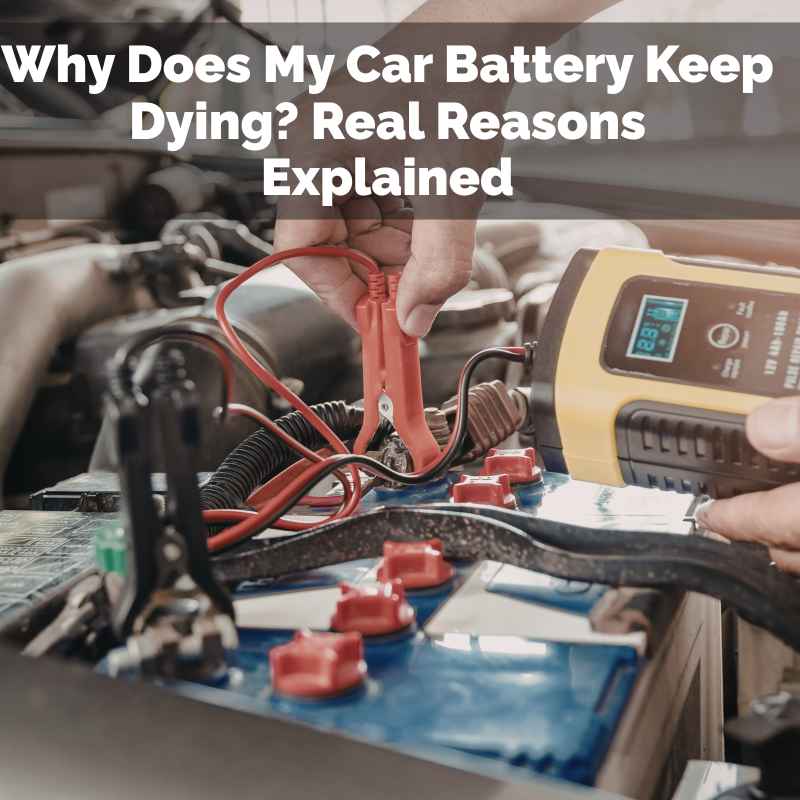
Why Does My Car Battery Keep Dying? Real Reasons Explained
This happens more often than people think. There are several reasons why a car battery might keep dying. Some are easy fixes.
Others point to bigger problems. We’ll go through them step-by-step. You’ll learn why this happens and what you can do about it.
There are several common reasons a car battery keeps dying. These include parasitic battery drain, a failing alternator, old or damaged battery cells, cold weather affecting battery performance, loose or corroded battery terminals, or simply leaving lights or accessories on. Identifying the specific cause is key to preventing future issues.
Understanding Why Your Car Battery Dies Repeatedly
Your car’s battery is like its heart. It stores power. This power starts the engine.
It also runs the car’s electronics. Things like your radio, lights, and dashboard go dark when the battery is weak. A healthy battery should last several years.
When it dies often, something is out of balance.
We need to look at what uses power. We also need to see how power is put back. The car engine is the main power source when it’s running.
It turns a part called the alternator. The alternator makes electricity. This electricity charges the battery.
It also powers the car’s systems.
When the engine is off, the battery is on its own. It powers things like your clock. It also keeps your car’s computer memory.
A tiny bit of power draw is normal. But too much drain can kill a battery overnight. Let’s explore the main culprits one by one.
My Own Dead Battery Drama
I remember one winter. It was freezing outside. I had a long day at work.
I got to my car, ready to go home. I put the key in, turned it, and… silence. Just a weak, dying hum.
My heart sank. This wasn’t the first time it had happened that week. I felt a wave of panic.
It was dark, cold, and I was miles from home.
I popped the hood, even though I wasn’t sure what I was looking for. I wiggled the battery cables. They seemed tight.
I saw a faint glow from the dashboard. Was a light still on? I checked everywhere.
Dome light, glove box light, trunk light. Everything seemed off. It turned out to be a faulty door switch.
It made the car think a door was always open. The interior light would come on dimly, then go off. But the switch itself was bad, so it kept the system awake.
This small thing was draining my battery little by little each night. It was a silly problem, but a costly lesson. It taught me to look for the small things first.
Common Causes of Battery Drain
Parasitic Drain: This is when something in your car uses power even when the engine is off. Small amounts are normal. Too much is a problem.
It’s like a slow leak in a water pipe. It empties the tank over time.
Faulty Components: Sometimes a part of your car breaks. It might stay “on” when it shouldn’t. This could be a light, a sensor, or even a computer module.
These parts can hog battery power.
The Alternator’s Role: Is It Keeping Your Battery Charged?
The alternator is crucial. It’s like a tiny power plant for your car. When the engine runs, the alternator spins.
It makes electricity. This electricity does two big jobs. It powers your car’s systems.
And it recharges the battery. Think of it as a generator.
If your alternator isn’t working right, your battery won’t get charged. It might start the car. But as you drive, the battery doesn’t get replenished.
Eventually, it will die. This is a common reason for repeated battery failure. You might notice dim headlights.
Or your dashboard warning lights flicker. These are signs the alternator is struggling.
Sometimes, the alternator is weak. It can’t produce enough power. Other times, it stops working completely.
A mechanic can test your alternator. They will check how much voltage it’s putting out. This test is quick.
It can save you a lot of battery trouble.
Alternator Check: Quick Facts
What it does: Generates electricity to run car systems and charge the battery.
Signs of trouble: Dim lights, flickering dashboard, battery warning light, dying battery.
How it’s tested: A mechanic uses a voltmeter to check output voltage.
The Battery Itself: Age and Health Matter
Car batteries don’t last forever. They have a lifespan. Most last about 3 to 5 years.
As a battery ages, its ability to hold a charge decreases. The internal plates can get worn down. They might develop sulfation.
This is like a coating that blocks power.
If your battery is old, it might simply be worn out. It can’t hold enough power anymore. Even if the alternator is charging it, it discharges too quickly.
You might notice slow engine cranks. Or the battery might die after only a few months of use. This means it’s time for a new one.
Sometimes, a battery can have a bad cell. This is a problem inside the battery. It can happen even with a newer battery.
A bad cell means the battery’s overall capacity is reduced. This can lead to it dying unexpectedly. A battery load test can check its health.
It shows if it can still deliver the power needed.
Battery Health Indicators
Age: Over 3-5 years is a common replacement time.
Cranking Speed: Slow engine starts are a warning.
Load Test: A mechanic can test its ability to deliver power.
Cold Weather’s Impact on Your Car Battery
Winter can be tough on car batteries. Cold temperatures slow down the chemical reactions inside the battery. This means it can’t produce as much power.
At the same time, your engine needs more power to start when it’s cold. The oil is thicker.
So, in cold weather, your battery is weaker. But your car demands more from it. This combination can lead to a dead battery.
If your battery is already a bit old or weak, the cold will push it over the edge. It might work fine in the summer. But it will fail when the temperature drops.
Freezing temperatures can also damage a battery. If a battery is very low on charge, the water inside can freeze. This can crack the battery case.
A cracked battery is dangerous. It can leak acid. Always try to keep your battery charged, especially before winter hits.
Winter Battery Care Tips
Keep it Charged: Use a battery tender if your car sits for long periods.
Check Terminals: Clean and tight connections are vital.
Consider Age: Replace old batteries before winter.
Loose or Corroded Battery Terminals: The Connection Problem
Your car battery has two terminals. These are where the cables connect. These connections need to be clean and tight.
Corrosion can build up on the terminals. This looks like a white or bluish powder. It’s actually a type of salt.
It blocks the flow of electricity.
If the terminals are corroded, the battery might not get enough power. Or, it might not be able to send its power out effectively. This can cause all sorts of strange electrical issues.
It can make the car hard to start. It might even cause the battery to die. Loose terminals can also cause this.
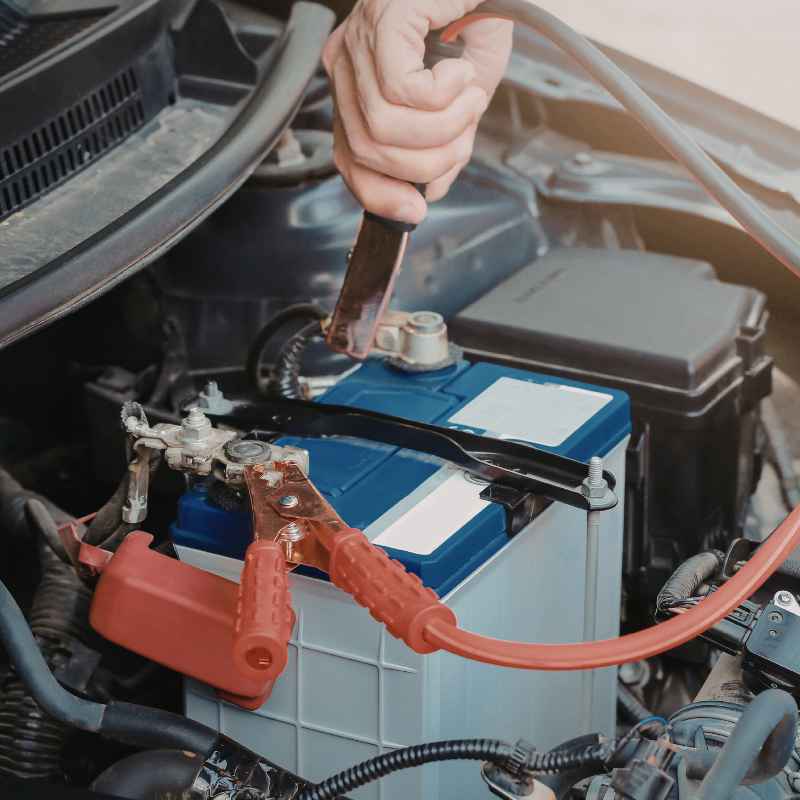
Cleaning battery terminals is a simple fix. You can use a wire brush. Or a special battery terminal cleaning tool.
Baking soda and water can also help dissolve corrosion. Make sure the connections are snug after cleaning. This ensures good electrical contact.
Terminal Maintenance Checklist
Visual Check: Look for white or bluish powder (corrosion).
Clean: Use a wire brush or cleaner.
Tighten: Ensure cable clamps are snug.
The “Left On” Problem: Simple Mistakes, Big Consequences
This is the most common mistake people make. You forget to turn off your headlights. Or the interior dome light.
Maybe you leave a phone charger plugged in. Or the radio on. These things use battery power.
If the engine isn’t running, the alternator isn’t recharging the battery.
Even small things can drain a battery. A tiny light left on can drain it overnight. A brighter light can do it faster.
This is why it’s important to do a quick walk-around. Check all lights before you lock your car. Make sure all doors are fully closed.
This ensures interior lights turn off.
Modern cars have features to help. Many lights and radios turn off automatically. But these systems can sometimes fail.
Or you might be dealing with older car models. Always be mindful of what’s drawing power. It’s the easiest problem to avoid.
Quick Light Check Guide
Headlights: Ensure they are off.
Interior Lights: Check dome and map lights.
Dashboard: Make sure no accessory lights are on.
Trunk/Hood Lights: These can be forgotten.
In-Depth Look at Parasitic Battery Drain
Parasitic drain is a sneaky problem. It’s when your car’s electrical system draws power from the battery when the key is out of the ignition. A small amount of drain is normal.
Your car’s computer needs power to remember settings. The clock needs power. Keyless entry systems use a little power too.
This normal drain is usually very low. It’s often measured in milliamps. A healthy battery can easily handle this for weeks.
But if a component malfunctions, it can draw much more power. This is when you have a problem. A faulty relay might stay stuck “on.” A short circuit can create a constant draw.
Diagnosing parasitic drain can be tricky. It often requires special tools. A mechanic will use a multimeter.
They place it between the battery and the cable. They measure the current flow. If the reading is too high, they start disconnecting fuses one by one.
When the reading drops, they know which circuit is causing the drain.
The goal is to find the guilty component. Sometimes it’s obvious, like a stuck-on fan. Other times, it’s a hidden computer glitch.
Fixing parasitic drain is important. It prevents unexpected dead batteries. It also protects your battery from being constantly depleted.
Real-World Scenarios: When Does This Happen?
Picture this: You park your car at the airport. You’re gone for a week. You come back, and the car won’t start.
This is a classic scenario for parasitic drain. Your battery was slowly losing power. It couldn’t handle the long downtime.
Another common situation is after car repairs. Sometimes, a new part is installed. Or a repair is made.
But a wire isn’t reconnected properly. Or a faulty new part is installed. This can create a new, higher drain.
You might not notice it right away.
Think about older cars. They have simpler electronics. But they can also have worn-out wiring.
Corrosion in the wiring harness can cause shorts. This leads to unexpected power drains. Newer cars have more complex computer systems.
A glitch in one of these systems can also cause drain.
In hot climates, batteries can also degrade faster. Heat accelerates the chemical reactions that wear out a battery. So, a battery that might last 5 years in a cooler climate might only last 3 years in Arizona.
This means age and environment play a big role.
What This Means for You: Knowing When to Worry
If your car battery dies once, it might be a fluke. Maybe you left the lights on by accident. Or it was a particularly cold night.
If it happens again a week later, it’s time to investigate. Repeatedly needing jump-starts is a clear sign something is wrong.
Listen to your car. Does it crank slower than usual? Are your headlights dim?
Do warning lights flicker on the dashboard? These are all clues. They suggest the battery isn’t getting enough power.
Or it can’t hold enough power.
Don’t ignore the problem. A dying battery can leave you stranded. It can also be a sign of a bigger issue.
Like a failing alternator. Or a significant electrical problem. It’s always better to check it out sooner rather than later.
Simple Checks You Can Do
- Check the battery’s age. Most batteries have a sticker with the installation date.
- Inspect the battery terminals for corrosion.
- Ensure battery cables are tight.
- Check all lights are off when you leave the car.
- Listen to the engine crank. Is it slower than normal?
Quick Fixes and Tips to Keep Your Battery Alive
Sometimes, the fix is simple. If you find corroded terminals, clean them. Use a wire brush.
A little baking soda and water paste can help. Rinse with clean water. Make sure the connections are tight.
If your battery is old, say over 4 years, consider replacing it. A new battery can prevent future headaches. Especially before winter or a long trip.
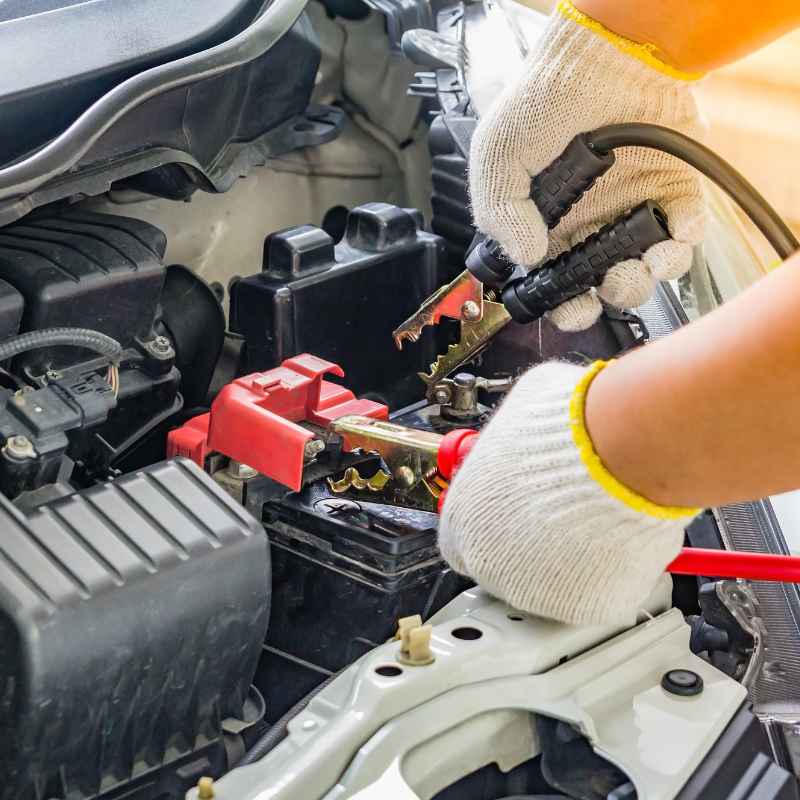
If you suspect a parasitic drain, but can’t find it, a mechanic can help. They have the tools to test for it. It’s worth the cost to avoid being stranded.
Consider a battery tender. If your car sits for long periods, a tender keeps the battery charged. This is especially helpful for classic cars or seasonal vehicles.
Battery Maintenance Cheat Sheet
Regular Checks: Inspect terminals and cables every few months.
Cleanliness: Keep battery top clean from dirt and debris.
Avoid Deep Discharges: Try not to drain the battery completely.
Proper Charging: Use a suitable charger or tender.
Frequently Asked Questions About Dying Car Batteries
How often should I test my car battery?
It’s a good idea to have your car battery tested once a year. Many auto parts stores offer this service for free. Especially before extreme weather seasons like winter or summer.
Can a bad starter motor cause my battery to keep dying?
A bad starter motor itself doesn’t usually cause a battery to die repeatedly. However, a faulty starter can draw a lot of power from the battery when you try to crank the engine. If the starter is failing, it might drain the battery excessively during each start attempt.
My car is only a year old, why would the battery die?
Even new cars can have battery issues. It could be a parasitic drain from a faulty electronic component or a manufacturing defect in the battery itself. It’s also possible you left something on accidentally, or experienced an unusual drain.
How long can I leave my car parked before the battery dies?
This varies greatly. A healthy, modern car battery might hold a charge for 2-4 weeks without any draw. However, if there’s a parasitic drain, or the battery is older, it could die in just a few days or even overnight.
What is a “deep cycle” battery vs. a car battery?
Car batteries are designed for a quick burst of power to start the engine. This is called a “cranking” battery. Deep cycle batteries, like those in RVs or boats, are made to provide a steady amount of power for a long time.
They are built to handle being discharged more deeply.
Can a phone charger left plugged in drain my battery?
Yes, a phone charger can draw power from your battery. Most modern chargers draw very little when no phone is connected. However, some older or faulty chargers might draw more.
It’s a good habit to unplug them when not in use.
Final Thoughts on Battery Woes
Dealing with a dying car battery is frustrating. But understanding the common reasons can help. From simple things like leaving lights on to more complex issues like parasitic drain.
By checking your battery regularly and being mindful of your car’s electrical use, you can often prevent these problems.
If you’re unsure, don’t hesitate to seek help. A qualified mechanic can diagnose the issue. They can ensure your car’s electrical system is working as it should.
Keeping your battery healthy means a more reliable car. It also means fewer stressful moments.
Products related to this article
Sponsored / affiliate links. As an Amazon Associate I earn from qualifying purchases. I may earn additional commission from eligible campaigns.