What Does Cargo Mean On A Plane: Essential Guide
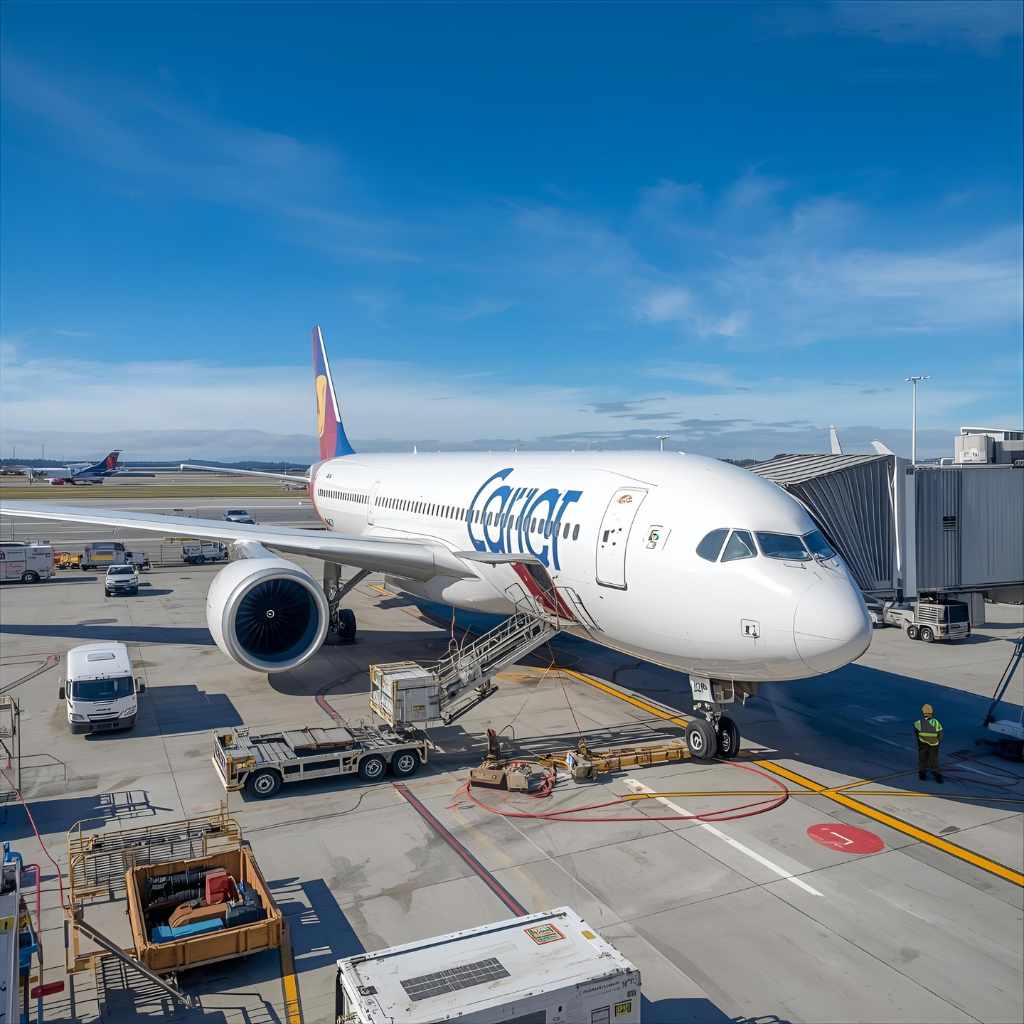
Cargo on a plane simply means freight—any goods, materials, or mail transported in the aircraft’s belly or dedicated cargo compartment, separate from passenger luggage. It’s essential for global trade, moving everything from perishable food to car parts. This guide breaks down how air cargo works simply.
Ever wondered what happens to all the stuff that isn’t luggage on a flight? Whether you’re driving a family car or just flying occasionally, the world moves because of air cargo. Seeing “Cargo” signage at an airport can feel confusing, especially when you link planes only to people. Don’t worry! Understanding what this means is easier than changing a flat tire. We will break down the world of air freight using simple terms. You’ll learn exactly what cargo is, how it travels safely, and why it is so important to our daily lives. Let’s get your questions answered clearly and confidently!
The Big Picture: What Exactly Is Air Cargo?
Think of an airplane as having two main jobs: carrying people and carrying things. When we talk about air cargo, we are talking about those “things.” It is the professional term for anything that is flying that isn’t a passenger or a necessary part of the flight crew or aircraft itself.
For everyday drivers, it’s like the difference between carrying groceries in your backseat (passenger luggage) and hauling a huge shipment of new tires to a dealership (cargo). Cargo is business, logistics, and essential global movement.
Passenger Aircraft Cargo vs. Dedicated Freighter Cargo
Not all planes carry cargo the same way. The way cargo travels heavily depends on the type of plane making the journey. This is important because it affects speed and capacity.
1. Belly Cargo (Passenger Aircraft)
Most of what we see flying belongs in this category. If you fly from Chicago to Miami tomorrow, the luggage of every passenger goes underneath the floor. But next to that luggage, there is space—usually in specialized containers—for commercial goods. This is called “belly cargo,” sometimes referred to by the technical term “lower deck cargo.”
- What it carries: Express mail, electronics, high-value perishables (like fresh flowers or medicine), and general consumer goods.
- Why it’s used: It’s efficient. The airline doesn’t need to dedicate an entire flight just for freight, they utilize space that would otherwise be empty.
2. Freighter Cargo (Dedicated Cargo Aircraft)
These planes look a bit like regular planes, but they are built purely for moving large volumes of freight. Think of them as the semi-trucks of the sky. They have massive doors, often on the side or the tail, allowing huge items to be loaded.
- What it carries: Oversized machinery, race cars, live animals, massive amounts of regular cargo, or when speed is the absolute top priority, especially on long international routes.
- Key Feature: These planes are designed to handle heavy, bulky, or unusual shipments that won’t fit under a typical passenger jet.
Understanding the Cargo Compartment
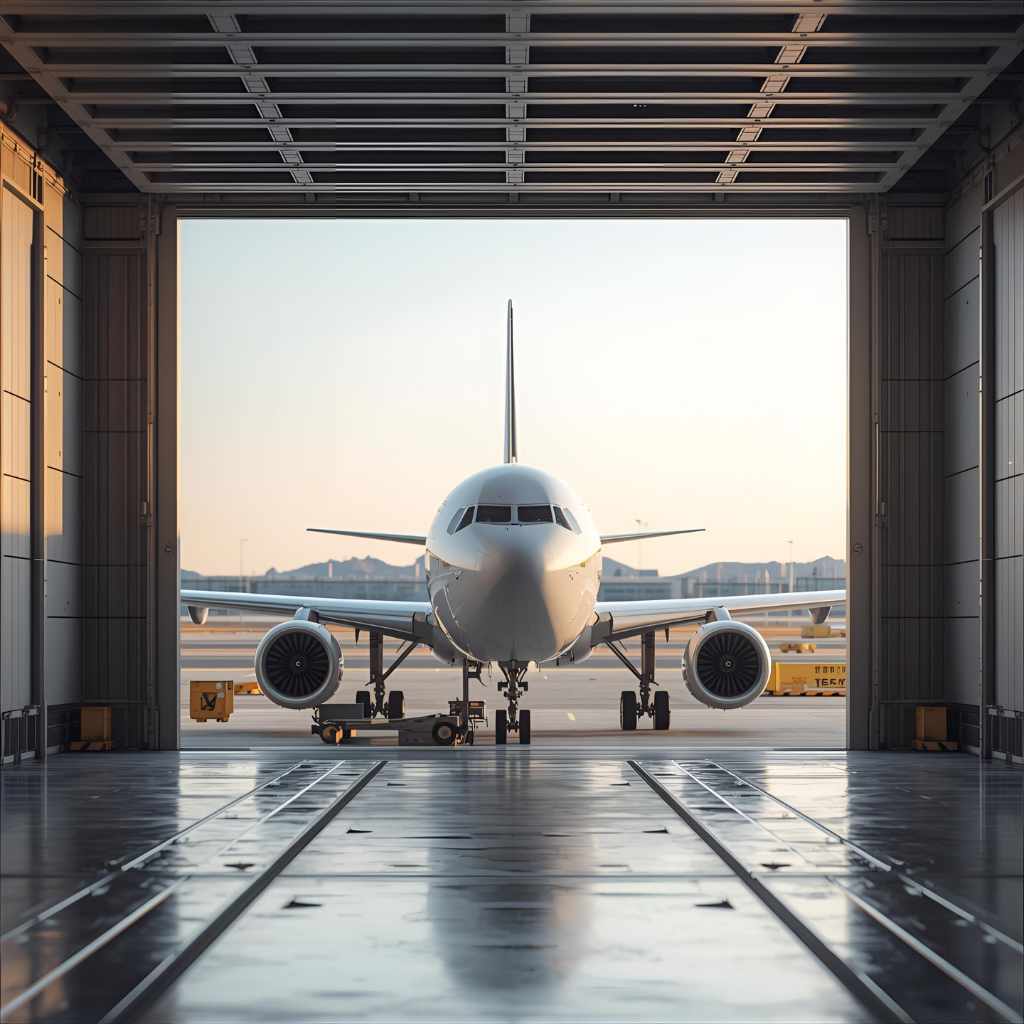
Just like you organize space in your garage or trunk, airplane cargo bays must be meticulously organized for safety and efficiency. Unlike throwing bags into the back of your SUV, air cargo requires strict procedures.
Main Deck vs. Lower Deck
A dedicated freighter aircraft has two main cargo levels, just like a passenger plane:
- Main Deck: This is the upper level, where the pilots sit. On a freighter, this entire area is for cargo, often loaded using specialized roller systems.
- Lower Deck (Belly): This area is standardized to fit under the fuselage curvature, carrying built-in Unit Load Devices (ULDs).
Unit Load Devices (ULDs): The Building Blocks of Air Cargo
You wouldn’t drive without proper tires, right? Airlines wouldn’t ship without ULDs. These are standardized metal or composite containers and pallets used to consolidate smaller packages into one massive, aircraft-friendly unit. This speeds up loading and unloading immensely and helps secure the freight.
If you look closely at the cargo hold of a major freighter, you’ll see these ULDs fitted together like giant Lego blocks. They are designed to lock securely into the floor systems of the aircraft.
Common Types of ULDs
Airlines use specific codes for these containers, but for our basic guide, think of them by their shape and use:
| ULD Type | Primary Use | Key Feature |
|---|---|---|
| Pallet (e.g., PMC, PFA) | Securing general goods and boxes | Flat base, secured with a cargo net |
| Container (e.g., PAG, AKH) | Protecting fragile or high-value items | Hard-sided, full enclosure |
| Specialty Containers | Temperature-sensitive or live animals | Insulated or climate-controlled |
The People Behind the Freight: Who Handles Cargo?
Moving cargo isn’t just grabbing a box and walking it onto the plane. It involves a complex team that handles everything from customs paperwork to making sure a vaccine stays perfectly cold.
Freight Forwarders
These are the logistics experts—they are like a specialized travel agent, but for boxes instead of people. If you’re a small business wanting to ship your handmade belts to Europe, you call a freight forwarder. They coordinate with airlines, handle the documentation, and find the fastest, most cost-effective route for your shipment.
Ground Handling Agents
Once the shipment arrives at the airport facility, ground handlers take over. They are responsible for:
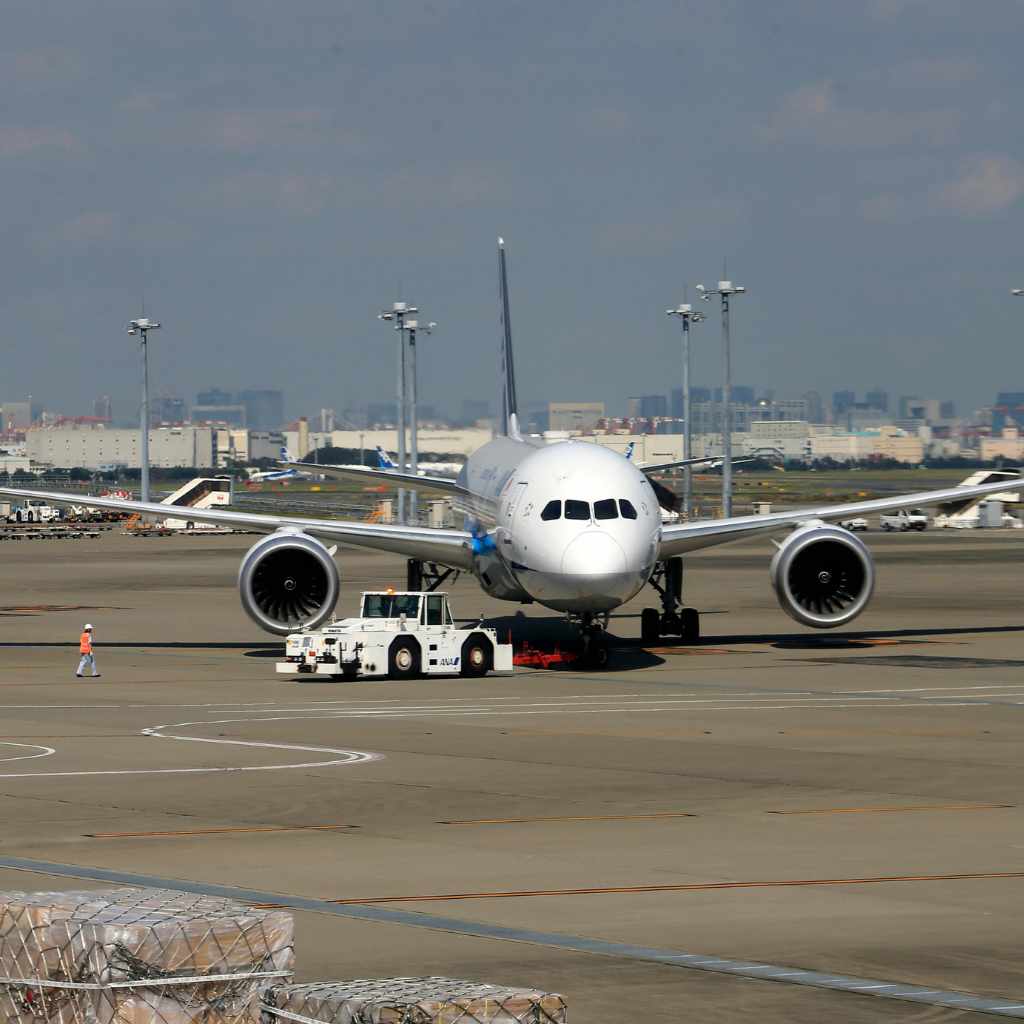
- Offloading and loading the ULDs onto specialized carts.
- Operating the massive high-lift loaders to raise the containers to the aircraft door level.
- Ensuring the weight distribution on the aircraft is correct for safe takeoff and landing.
Regulatory Bodies
Because cargo can contain anything—from electronics that might spark to medical supplies that need temperature control—safety regulations are extremely strict. Governing bodies ensure compliance.
For example, the Federal Aviation Administration (FAA) in the U.S. sets safety standards for how cargo is loaded, secured, and documented to prevent shifting during flight, which could cause a serious imbalance.
The Cargo Journey: From Sender to Receiver
If you’re learning what cargo means, you’ll want to know the process. It looks simple, but it’s highly choreographed. We’ll walk through the steps for a typical international shipment.
Step 1: Booking and Documentation
The shipper (sender) confirms the shipment details (weight, dimensions, contents) with the freight forwarder. Critical paperwork, like the Air Waybill (AWB), is prepared. The AWB is the contract between the shipper and the carrier, detailing the goods and destination.
Step 2: Preparation at the Origin Warehouse
The actual goods arrive at the freight forwarder’s warehouse or the airline’s cargo terminal. Here, staff consolidate smaller shipments into ULDs. Security screening happens here—all cargo must be screened for explosives or prohibited items, similar to passenger security, but tailored for freight.
Step 3: Loading and Weight & Balance
This is where the real skill comes in. Specialized equipment lifts the ULDs into the aircraft belly or main deck. The aircraft loadmaster uses software to calculate the exact placement of every ULD. Correct weight and balance are essential for safe flight handling, especially since cargo weight can change drastically between flights.
Safety Tip: Improperly secured cargo can shift during takeoff or turbulence, potentially damaging the aircraft structure or causing a loss of control. This step is non-negotiable.
Step 4: Transit and Customs
The flight takes off and lands at the destination airport. Before the cargo can leave the airport facility, it usually needs to clear customs according to the destination country’s rules. This involves paying duties or proving necessary import licenses.
Step 5: Delivery and Final Release
Once customs clear the shipment, the ground handlers move the ULDs to the outbound storage area. The consignee (receiver) or their agent picks up the cargo, often after breaking down the ULD back into individual shipments. The loop is closed!
Why Air Cargo is Crucial for Modern Life (Even If You Drive)
As a driver, you might not think about planes much, but air cargo underpins huge parts of the automotive and general economy we rely on daily.
Speed and Perishability
If a critical engine component breaks down in a factory overseas, waiting two weeks by ship isn’t an option. Air cargo delivers that replacement part overnight, preventing costly factory shutdowns. Similarly, life-saving medications, organs for transplant, and perishable foods rely entirely on air transport to maintain their integrity.
High-Value, Low-Volume Goods
Many modern items are small but incredibly valuable—think advanced smartphones, microchips, or expensive jewelry. Shipping these by sea is too slow and carries too high a risk of theft or damage from long exposure to saltwater conditions. Air cargo offers speed and high security.
Supporting Just-In-Time Manufacturing
Many auto assembly plants operate on a “Just-In-Time” (JIT) system. This means they only keep minimal inventory on hand, expecting supplies (like microchips or specialized braking systems) to arrive exactly when they are needed. Air cargo makes this high-efficiency model possible.
Understanding Cargo Classifications: Not Everything Flies Equally
When dealing with shipments, you will often hear about “classifications.” These rules exist to manage risk and maintain safety. Think of it like categorizing different types of loads for your truck—some require special handling.
Dangerous Goods (DG)
This is the most critical category. Any material that poses a risk during flight must be declared, packaged, labeled, and documented precisely according to international standards (like those set by the International Civil Aviation Organization, or ICAO). Examples include:
- Lithium Batteries (very common but highly regulated).
- Flammable liquids (paints, certain aerosols).
- Corrosives or pressurized gases.
Rule of Thumb: Never attempt to ship a Dangerous Good without professional declaration; it can lead to massive fines and severe safety risks.
Valuable Cargo (VAL)
Certain high-value items get extra security, often requiring movement in specialized, reinforced containers and constant physical surveillance at the cargo terminal.
Pharmaceuticals (PHI)
This category focuses on temperature control. Vaccines, insulin, and certain biologics must be kept within a narrow temperature range (often between 2°C and 8°C). They travel in specialized active or passive temperature-controlled containers, often prioritized next to the aircraft hull if moved on a passenger flight.
Air Cargo vs. Ocean Freight: A Quick Comparison
Since most goods travel by sea, understanding why air cargo exists means comparing it to its slower cousin. For drivers used to the reliability of road transport, this comparison helps frame the value of air freight.
| Factor | Air Cargo | Ocean Freight (Shipping) |
|---|---|---|
| Speed | Very Fast (Hours to Days) | Slow (Weeks to Months) |
| Cost | High (Premium Pricing) | Low (Economical for Bulk) |
| Volume/Weight Limit | Lower limits; restricted by aircraft size | Extremely high; can carry massive loads |
| Ideal For | Perishables, high-value, urgent parts | Commodities, bulky goods, low-value inventory |
Practical Tips for Understanding Air Cargo Documentation
As a driver or a small business owner, you might interact with cargo documentation. Knowing these terms helps you speak the industry language:
- Shipper’s Declaration for Dangerous Goods: Required if the cargo falls under DG regulations. Must be signed by certified personnel.
- Air Waybill (AWB): The contract receipt. It includes tracking numbers and routing instructions.
- Customs Invoice: Details the commercial value of the goods for taxation purposes upon entry into a country.
- Master Air Waybill (MAWB) vs. House Air Waybill (HAWB): A MAWB is issued by the airline to the forwarder. A HAWB is issued by the forwarder to the actual shipper, containing details of the individual packages consolidated under the MAWB. Tracking your specific package often requires the HAWB number.
Frequently Asked Questions (FAQ) About Air Cargo
Q1: Is the cargo hold on a passenger plane safe for my items?
Yes, absolutely. Passenger aircraft cargo holds are highly regulated. They are pressurized, temperature controlled (to an extent), and equipped with fire suppression systems. Items are secured in ULDs to prevent shifting.
Q2: How do I track my cargo shipment?
You track cargo using the Air Waybill (AWB) number provided by the shipper or freight forwarder. You usually track this via the airline’s dedicated cargo tracking portal, which often provides status updates like “Processed at Origin” or “In Transit.”
Q3: Can I ship car parts as air cargo?
Yes, but shipping automotive parts often requires special attention. Any part containing residual fluids (like brake fluid or oil), used batteries, or pressurized components (like airbags) must be classified, declared, and packed as Dangerous Goods (DG), which adds cost and complexity.
Q4: What is the most common cargo transported by plane?
Globally, the most common categories by weight and volume include electronics, machinery parts, pharmaceuticals, and high-value processed consumer goods. Fresh produce and flowers also make up a massive, time-sensitive segment.
Q5: Does air cargo go through security checks like passenger luggage?
Yes, but differently. All cargo must undergo rigorous security screening, often involving X-ray machinery, explosive trace detection, or physical inspection. This is mandated by international aviation security programs to prevent unlawful interference.
Q6: Why is air cargo so much more expensive than shipping by truck or ship?
Air cargo is expensive because speed and direct routing require massive fuel consumption and specialized, high-maintenance planes. You are paying a premium for the time saved and the specialized handling required for high-value, time-sensitive freight.
Q7: What is the difference between “freight” and “cargo”?
In everyday use, they mean the same thing—goods being transported. Technically, “freight” often refers to goods carried by land or water (like a truckload), while “cargo” is the standardized term specifically used for goods transported by air or sea carriers.
Conclusion: Confidence in the Clouds
We hope this deep dive into “what does cargo mean on a plane” has cleared the air for you. Cargo is the invisible engine of our modern economy, ensuring that critical components, vital medicines, and the latest technology arrive where they are needed, precisely when they are needed.
Whether you are watching a massive freighter take off, or just wondering about that extra space under your seat on your next trip, remember that air cargo is a highly technical, incredibly safe, and rigidly regulated system. Knowing the difference between belly cargo and freighter operations, and understanding the importance of ULDs and documentation, gives you a much fuller picture of how aviation works.
Just like maintaining your car requires understanding its parts and procedures, understanding air logistics means appreciating the complex network keeping global trade moving. You now have the foundational knowledge to grasp this essential part of modern travel and commerce. Keep learning, stay safe on the road and in the skies!