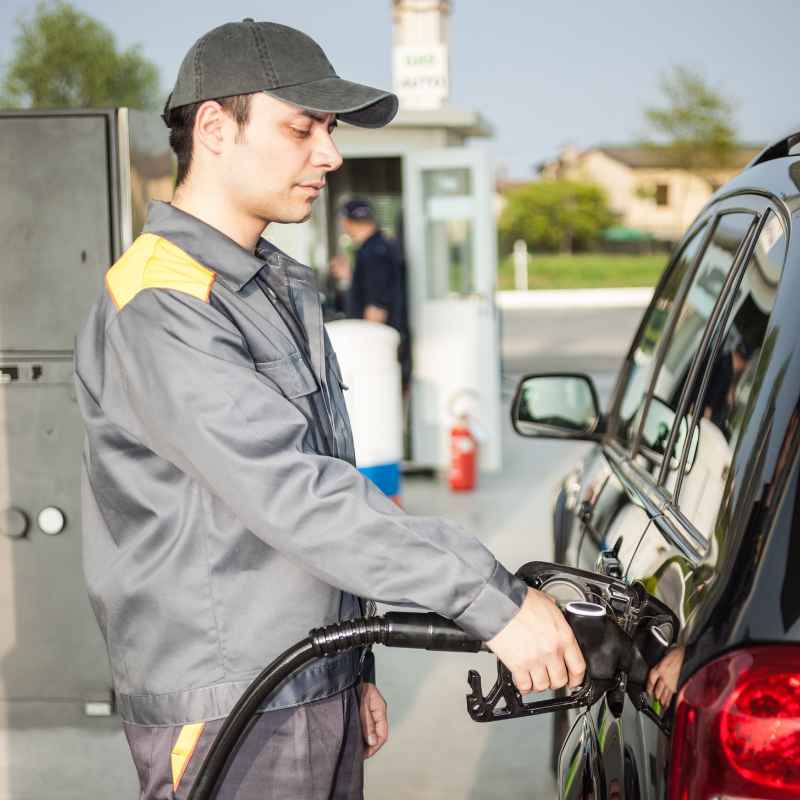
What If You Put Regular Gas In A Premium Car? Risks
If you put regular gas in a car designed for premium fuel, you might notice issues like knocking or reduced performance. While a single mistake is unlikely to cause permanent damage, repeated use of lower-octane fuel can harm your engine over time. It’s best to stick to the recommended fuel type — see our related guide, Can I Put Premium Gas in My Honda Accord? Real Dyno Numbers.
Understanding Octane Ratings and Your Car
Let’s talk about what makes gas different. It’s all about the octane rating. Think of octane as a fuel’s ability to resist “knocking” or “pinging.” This knocking sound happens when the fuel-air mix in your engine’s cylinder burns too early.
It’s not a good thing for your engine.
Cars built for premium fuel have higher compression ratios. This means they squeeze the fuel-air mix much tighter. This tight squeeze needs fuel that can handle it.
It needs fuel that won’t ignite on its own too soon. That’s where higher octane, like 91 or 93, comes in. It’s more stable under pressure.
Regular gas typically has an octane rating of 87. Mid-grade might be 89 or 90. Premium is usually 91 or higher.
Using a lower octane than recommended is like asking a thin glass to hold a lot of pressure. It might hold for a bit, but it’s risky.
Octane: What It Does
Resists Knocking: Higher octane fuel is less likely to ignite under pressure. This prevents the damaging “ping” sound.
Engine Needs: Performance engines need higher octane. They compress the fuel mix more intensely.
Fuel Grade Differences: 87 is regular. 91+ is premium. Mid-grades are in between — and gasoline is only one of several fuel types cars can run on.
Your car’s engine computer, often called the ECU (Engine Control Unit), plays a big role. Modern cars have sensors that can detect knocking. If the ECU senses knocking, it tries to adjust things.
It can change the spark timing. This is to prevent damage. But this adjustment comes at a cost.
Performance drops. Fuel efficiency can also suffer.
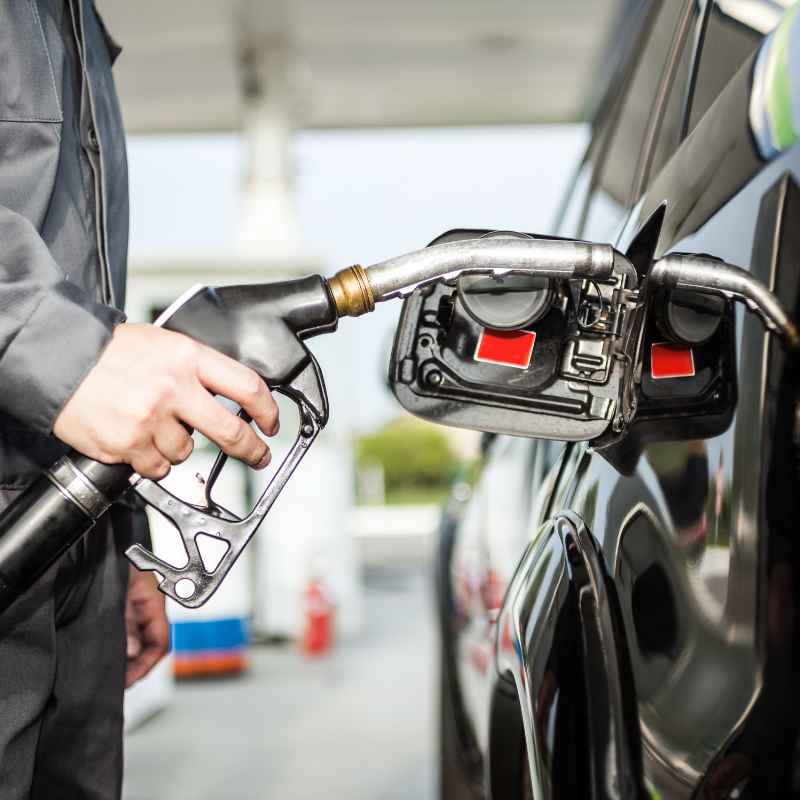
My Own Close Call at the Pump
I remember this one time vividly. It was a sweltering August afternoon in Phoenix. My old reliable sedan had a sticker on the gas cap: “Premium Unleaded Only.” I was on my way to a client meeting across town.
Traffic was brutal. My fuel light had just blinked on, and the needle was hovering near empty. The next gas station had premium, but it was almost 50 cents more per gallon.
My budget was tight that month. I figured, “Just this once. How much harm can it really do?”
I nervously filled up with regular 87 octane. As I pulled back onto the highway, I felt a slight hesitation. Then, a subtle, almost musical pinging sound when I accelerated.
My stomach dropped. I started to panic a little. Was I already doing damage?
The car felt sluggish. It was like it was working harder but going nowhere fast. The rest of the drive was a tense ballet of watching the engine light and listening for any new, scary noises.
That day taught me a valuable lesson about respecting my car’s needs.
The Immediate Effects of Using Regular Gas
So, what happens right away if you make the switch? It really depends on your car. Some cars are smarter than others.
They have advanced knock sensors and ECUs. These systems can detect the lower octane fuel.
The engine control unit will try to compensate. It adjusts the ignition timing. It might retard the spark.
This means the spark plug fires a little later. This prevents the fuel from igniting too soon. This is good for avoiding immediate damage.
But it’s not ideal for performance.
You might notice a few things:
- Knocking or Pinging: This is the most common sign. You’ll hear a light tapping or rattling sound. It happens when you accelerate or go uphill.
-
Reduced Power: Your car might feel less responsive.
Acceleration could be slower. It won’t have that “peppy” feel.
- Lower Fuel Economy: The engine might burn fuel less efficiently. You might find yourself needing to fill up sooner.
Quick Scan: What to Expect
| Sign | Likelihood | Why |
| Knocking/Pinging | Medium to High | Fuel ignites too early under pressure. |
| Loss of Power | High | ECU adjusts timing to prevent knock. |
| Check Engine Light | Low to Medium | Severe or persistent knock can trigger it. |
| Bad Fuel Economy | Medium | Engine works harder to compensate. |
In most modern cars, the check engine light might not come on immediately. This is because the car’s computer is designed to handle minor variations. However, if the knocking is severe or persistent, the ECU might eventually detect a problem and illuminate the check engine light.
This is your car’s way of telling you something is wrong. It’s a signal that the fuel you’re using isn’t optimal for its performance. Ignoring this light can lead to more serious issues down the road.
Why Some Cars Can Handle Lower Octane
Not all cars are created equal when it comes to fuel needs. Some cars are specifically designed to run on regular gas. These cars have lower compression ratios.
They don’t need fuel that can withstand extreme pressure.
Their engines are built to use regular fuel efficiently. They won’t exhibit the same negative effects. Their ECUs are programmed for 87 octane.
They don’t have the same sophisticated knock sensors working overtime to adjust for lower-than-required fuel.
Many economy cars, sedans, and SUVs fall into this category. Their primary goal is fuel efficiency and reliable daily driving. They aren’t built for high performance.
Thus, they don’t require the robustness of premium fuel.
Regular vs. Premium: Engine Design
Regular Gas Cars:
- Lower compression ratio.
- Designed for 87 octane fuel.
- Less sensitive to fuel variations.
- Often focus on efficiency and reliability.
Premium Gas Cars:
- Higher compression ratio.
- Require 91+ octane fuel for optimal performance.
- Use advanced sensors to detect and adjust for fuel quality.
- Built for higher performance and power.
Even if your car’s manual says “premium recommended,” it might sometimes specify “or higher.” This means that while premium is best, regular might be acceptable in a pinch, but with some compromises. However, if it says “premium required,” that’s a stronger indication that you should avoid lower grades.
The Long-Term Risks of Consistent Regular Gas Use
Using regular gas once in a blue moon in a premium car is usually not a catastrophe. The ECU’s ability to compensate is quite advanced. However, making this a habit is where real problems can start.
This is the scenario that worries mechanics the most.
Here’s what can happen over time:
Engine Knocking and Detonation
The most significant risk is continued engine knocking. When the ECU can no longer fully compensate for the low octane fuel, detonation can occur. This is a more violent and damaging form of combustion.
It’s like uncontrolled explosions happening inside your cylinders.
This detonation can cause:
- Piston Damage: The extreme pressure can crack or melt pistons.
- Connecting Rod Damage: The shock can bend or break connecting rods.
- Head Gasket Failure: The heat and pressure can blow the head gasket.
These are serious, expensive repairs. They can often lead to engine replacement. The Consumer Reports organization has often highlighted the importance of following manufacturer recommendations for fuel type.
Carbon Buildup
When engines run with less-than-ideal fuel, especially if the ECU is constantly adjusting timing, it can lead to increased carbon deposits. These deposits can form on pistons, valves, and combustion chambers.
Over time, these deposits can:
- Reduce Compression: They take up space that should be filled with the fuel-air mix.
- Cause Hot Spots: They can glow red and ignite the fuel mixture prematurely. This leads back to knocking.
- Impair Valve Sealing: Valves might not seat properly, leading to leaks and loss of power.
Cleaning these deposits requires special procedures, sometimes involving professional intake valve cleaning services.
Contrast: Normal vs. Concerning Fuel Use
Normal Fuel Use:
- Using the manufacturer-recommended octane rating.
- Occasional fill-up with a slightly lower grade in an emergency, followed by a return to recommended fuel.
- Car runs smoothly with no abnormal noises or performance issues.
Concerning Fuel Use:
- Repeatedly using regular gas in a premium-required vehicle.
- Noticeable knocking, pinging, or hesitation.
- Consistent reduction in power or fuel economy.
- Check engine light is illuminated.
- Car feels “unhappy” or rough running.
The U.S. Environmental Protection Agency (EPA) provides guidelines on fuel quality and emissions. While they don’t dictate octane use for specific cars, their overall mission is to ensure engines run cleanly and efficiently.
Using the wrong fuel goes against this principle.
Impact on Catalytic Converters
A poorly running engine, especially one experiencing detonation, can send unburned fuel into the exhaust system. This can overheat and damage the catalytic converter. The catalytic converter is an expensive emissions control device.
If it gets damaged, your car will:
- Fail Emissions Tests: Many states require emissions testing.
- Produce More Pollution: The converter’s job is to reduce harmful emissions.
- Potentially Cause Performance Issues: A clogged converter can restrict exhaust flow.
Repairing or replacing a catalytic converter can cost hundreds, even thousands, of dollars.
What the Manufacturer’s Manual Really Means
The information in your car’s owner’s manual is not just a suggestion. It’s a carefully determined set of requirements based on extensive engineering and testing. Manufacturers specify the octane rating for a reason.
It ensures their engines perform as designed. It also ensures their longevity and emissions compliance.
When a manual says “Premium Unleaded Fuel Required,” it means the engine is calibrated for it. Using anything less can lead to the issues we’ve discussed. The engine might not be able to protect itself effectively from detonation.
If the manual says “Premium Unleaded Recommended,” it offers a bit more flexibility. This often applies to cars that are higher performance but have a robust engine management system. In these cases, using regular gas might result in a noticeable dip in performance or fuel economy.
But the risk of immediate, severe damage is lower than in a “required” scenario. The engine can likely manage the lower octane better.
Understanding Your Manual’s Fuel Advice
“Premium Required”:
- Meaning: Your engine is engineered for this octane.
- Risk of Regular: High chance of knocking, performance loss, and long-term damage.
- Action: Always use premium.
“Premium Recommended”:
- Meaning: Premium offers best performance and efficiency. Regular might be usable.
- Risk of Regular: Likely performance drop, possible slight decrease in efficiency. Lower risk of immediate damage.
- Action: Use premium when possible. Regular is an option with known trade-offs.
It’s important to remember that even with “recommended,” consistently using regular gas might still lead to issues over tens of thousands of miles. The engine is simply not operating in its optimal window.
What to Do If You’ve Already Used Regular Gas
So, you’ve made the mistake. You put regular gas in your premium car. What’s the first thing you should do?
Don’t panic. For most modern cars, a single instance is unlikely to cause irreversible harm.
Here’s a practical approach:
1. Stop Driving If You Hear Knocking
If you hear significant or persistent knocking or pinging, it’s best to stop driving if possible. Pull over safely. The stress on the engine is not worth the inconvenience of being stranded.
2. Don’t Add More Regular Gas
If you realize your mistake before the tank is empty, the best course of action is to avoid adding more regular gas. You don’t want to dilute the premium fuel further.
3. Fill Up With Premium
The most straightforward solution is to fill the rest of the tank with the correct premium fuel as soon as you can. The higher octane fuel will mix with the lower octane fuel. This raises the overall octane rating of the fuel in your tank.
The engine’s computer can then better manage combustion.
You might still experience some minor pinging or reduced performance until the tank is mostly used up. But this significantly reduces the risk of long-term damage.
Immediate Action Plan
Scenario: You just filled with regular by mistake.
Step 1: Assess the Sounds. Listen for knocking or pinging.
Step 2: If Knocking is Loud: Pull over safely and stop the engine. Call for roadside assistance if needed.
Step 3: If Knocking is Mild or Absent: Drive gently. Avoid hard acceleration. Go to a reputable gas station.
Step 4: Refill with Premium. Fill the tank with the recommended premium fuel.
Step 5: Drive Normally. The engine should return to normal operation as the mixed fuel is used.
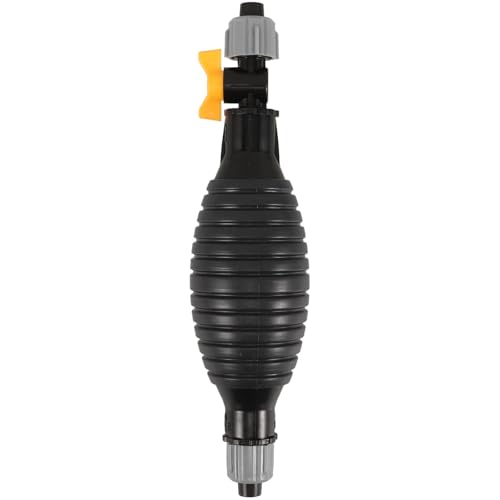
In extreme cases, if your car has a very large fuel tank and you only put a small amount of regular gas in, you might consider siphoning out the mixed fuel. However, this is rarely necessary and can be messy. Filling up with premium is usually sufficient.
When to Consult a Mechanic
While one mistake is usually fine, there are times when you should seek professional help. If you’ve been consistently using the wrong fuel, or if you’ve noticed concerning symptoms, a mechanic can help.
You should see a mechanic if:
- The Check Engine Light is On: This indicates a detected fault in the engine management system.
- Persistent Knocking or Pinging: If the sound doesn’t go away even after filling with premium.
- Significant Power Loss: If your car feels noticeably sluggish even under normal driving conditions.
- Rough Idling or Stalling: If the engine shakes or stops unexpectedly.
- Unusual Smells: Burning smells can indicate overheating or exhaust leaks.
A mechanic can scan your car’s computer for error codes. They can perform a diagnostic test. This will tell them exactly what’s going on.
They can check for issues like detonation damage, carbon buildup, or sensor malfunctions. They can advise on the best course of action, whether it’s a fuel system cleaning or more extensive repairs.
Seek Professional Help If:
You See the Check Engine Light.
Knocking Persists After Using Premium.
Car Has Lost Significant Power.
Engine Idles Roughly or Stalls.
You Notice Strange Smells.
You Have Been Consistently Using the Wrong Fuel.
The experience of a qualified mechanic is invaluable. They see these issues regularly. They know how to diagnose and fix them efficiently.
Don’t hesitate to get their expert opinion if you’re unsure.
Alternatives to Premium Fuel (If You’re Desperate)
In some very rare, emergency situations, drivers might consider fuel additives. There are octane booster products available. These are liquids you add to your gas tank to increase the octane rating.
However, these should be treated with extreme caution.
- Effectiveness Varies: Not all octane boosters work equally well. Some are more effective than others.
- Potential Side Effects: Some additives can potentially cause issues with fuel system components if used excessively or if they contain harsh chemicals.
- Not a Long-Term Solution: They are a temporary fix, not a substitute for the correct fuel.
The U.S. Auto Club (USAC) and other automotive organizations generally advise against relying on aftermarket additives. They recommend sticking to the fuel grades recommended by the vehicle manufacturer.
If you are in a true emergency where no premium fuel is available and your car is “premium required,” and you absolutely must drive, an octane booster might be a last resort. But it’s far better to avoid this situation entirely. Plan your routes and fuel stops, especially on long trips.
The Cost Difference: Is It Worth the Risk?
Let’s talk about the money. The price difference between regular and premium gas can be significant. On average, premium can be 40 to 70 cents more per gallon.
Over a full tank, this adds up.
For example, if a full tank is 15 gallons, and premium is 50 cents more:
15 gallons * $0.50/gallon = $7.50 more per tank.
Over a year, if you fill up twice a month, that’s an extra $180. While that’s a noticeable amount, it pales in comparison to potential repair costs.
Cost Comparison: Regular vs. Premium
Assumption:
- Tank Size: 15 Gallons
- Price Difference: $0.50 per Gallon
- Fill-ups per Month: 2
Cost Difference per Tank: $7.50
Cost Difference per Year: $180.00
Potential Engine Repair Cost: $2,000 – $7,000+ (for significant damage)
Consider the cost of repairing a damaged engine, a blown head gasket, or a failed catalytic converter. These repairs can easily run into the thousands of dollars. The relatively small savings at the pump by using regular gas become insignificant when faced with major mechanical failure.
The long-term health of your engine is more valuable than short-term savings. Respecting your car’s fuel requirements is a crucial part of responsible car ownership. It saves you money and headaches in the long run.
What This Means for Your Car’s Future
Making the right fuel choice is an investment in your car’s future. When you consistently use the recommended octane, you’re ensuring that the engine components work as they were designed.
This means:
- Optimal Performance: Your car will deliver the power and responsiveness it was built for.
- Better Fuel Efficiency: A well-tuned engine running on the correct fuel is more efficient.
- Reduced Wear and Tear: Key components like pistons, valves, and spark plugs experience less stress.
- Cleaner Emissions: The engine burns fuel more completely, reducing harmful exhaust output.
- Longevity: Your engine is likely to last longer with fewer major repair needs.
Conversely, consistently using the wrong fuel creates a cascade of negative effects. It’s like giving a marathon runner the wrong kind of food before a big race. They might finish, but they won’t perform well and could injure themselves.
Quick Tips for Fueling Your Car
Here are some simple reminders to keep your car happy:
- Always Check Your Manual: The definitive source is your owner’s manual.
- Look at the Gas Cap: Many cars have a sticker indicating the required octane.
- When in Doubt, Go Premium: If you’re unsure or it says “recommended,” premium is the safer bet.
- Plan Your Route: Especially on road trips, know where you can find premium fuel stations.
- Don’t Chase Cheaper Gas: The small savings are rarely worth the risk.
- Trust Your Car’s Sensors: If you hear knocking or the check engine light comes on, pay attention.
Your car’s fuel system is designed with specific tolerances. Adhering to these requirements is the best way to ensure its health and performance for years to come.
Frequent Questions About Gas Octane
Can putting regular gas in a premium car break it immediately?
No, usually not immediately. Modern cars have systems that try to prevent damage by adjusting engine timing. However, repeated use of lower octane fuel can cause serious problems over time.
What is the main difference between regular and premium gas?
The main difference is the octane rating. Premium gas has a higher octane number (usually 91 or 93) which means it’s more resistant to “knocking” or premature detonation under high pressure. Regular gas has a lower octane rating (usually 87).
Will my car run differently on regular gas if it requires premium?
Yes, likely. You might notice reduced power, slower acceleration, and potentially worse fuel economy. Your car’s computer will try to adjust, but it can’t fully make up for the lower octane.
Is it okay to mix regular and premium gas?
Mixing gas will result in an octane rating somewhere between the two. If you accidentally put regular gas in a premium car, filling the rest of the tank with premium is the best way to raise the octane and reduce risk.
How do I know if my car needs premium gas?
Check your car’s owner’s manual. Most vehicles also have a sticker inside the fuel filler door or on the gas cap itself that specifies the minimum octane rating required or recommended.
What if my car says “premium fuel recommended” but not “required”?
If premium is recommended but not required, your car can likely run on regular gas. However, you may experience a slight decrease in performance and fuel efficiency. Using premium will allow the engine to operate at its optimal level.
Final Thoughts on Fuel Choice
Choosing the right fuel for your car is more than just a suggestion; it’s a vital part of maintaining its health and performance. While the temptation to save a few dollars at the pump by using regular gas in a premium-required vehicle is understandable, the potential long-term consequences are significant. Engine damage, reduced lifespan, and costly repairs can quickly outweigh any short-term savings.
Always refer to your owner’s manual and heed its recommendations to keep your car running smoothly and reliably for years to come.
Sponsored / affiliate links. As an Amazon Associate I earn from qualifying purchases. I may earn additional commission from eligible campaigns.
Products related to this article