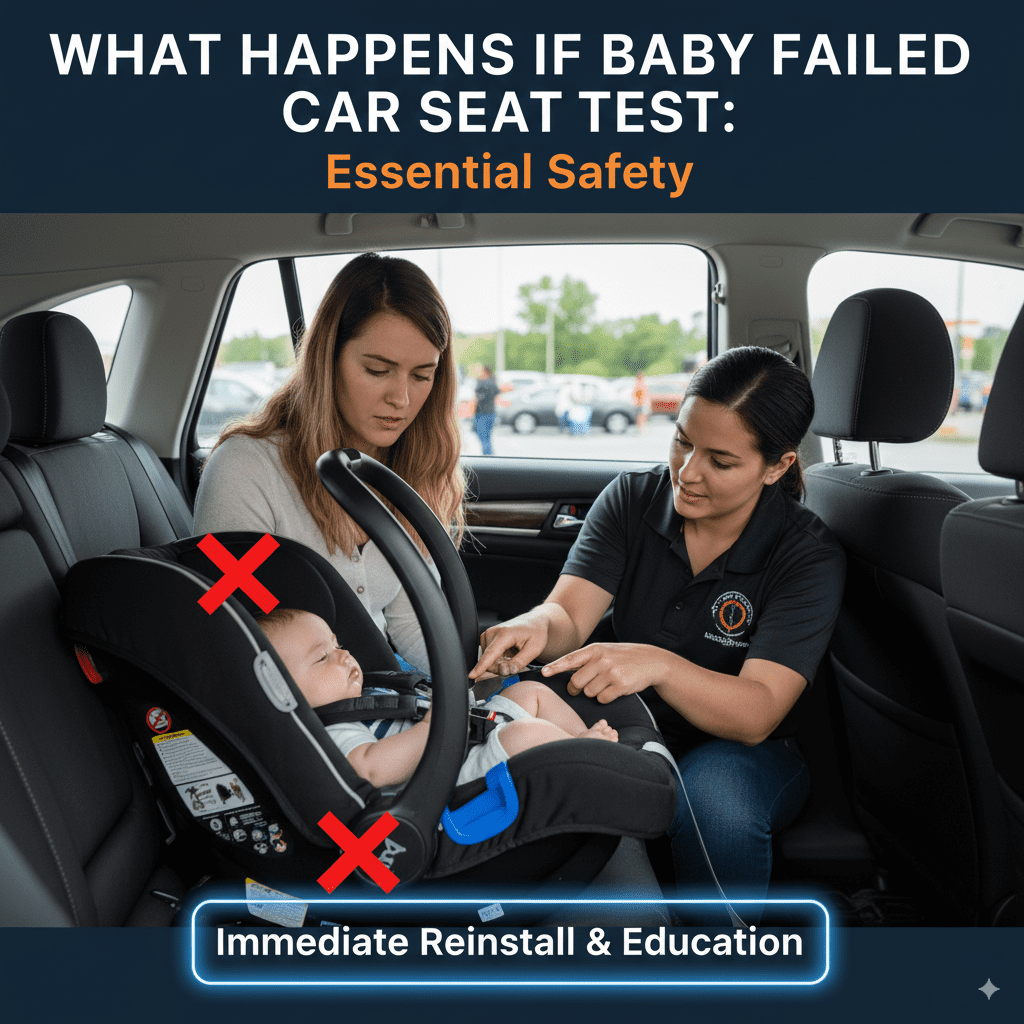
What Happens If Baby Failed Car Seat Test: Essential Safety
Failed car seat tests mean your child’s safety is compromised. It indicates the seat may not provide adequate protection in a crash, requiring immediate action to find a compliant, safe alternative. Child safety is paramount, so understanding test failures and next steps is crucial for every parent.
Navigating the world of car seats can feel overwhelming, especially when you hear about “failed car seat tests.” What does that even mean for your little one? It’s a common worry for many parents, and it’s completely understandable. You want to know your baby is protected during every drive. This might seem like scary news, but it’s actually an opportunity to ensure you’re using the safest possible option. We’re here to break down exactly what a car seat test failure signifies and what you absolutely need to do. Get ready to gain clarity and confidence in keeping your precious cargo safe on the road.
Understanding Car Seat Testing and Failures
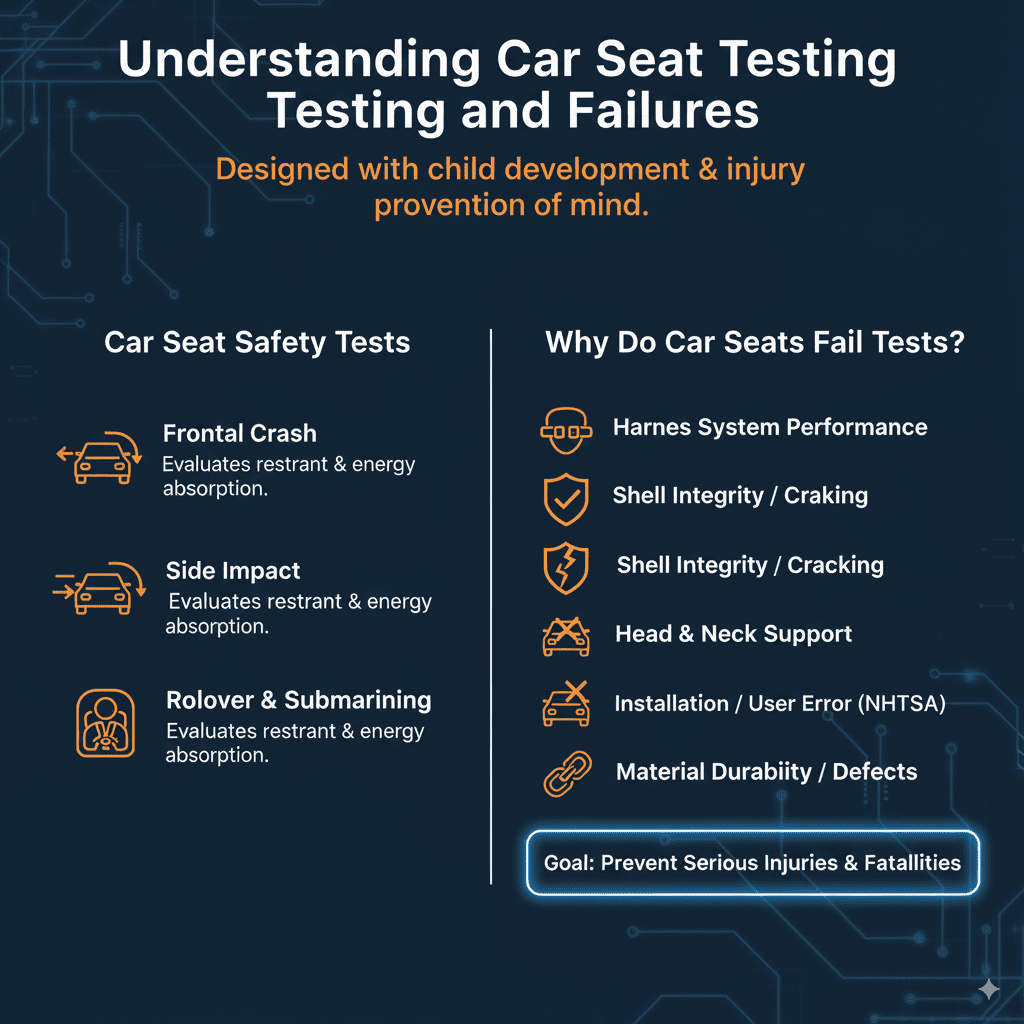
Car seats are rigorously tested to ensure they protect children in the event of a car accident. These tests simulate various crash scenarios, from head-on collisions to side impacts, and evaluate how well the car seat restrains the child and absorbs energy. The primary goal is to prevent serious injuries or fatalities by keeping the child securely in place and minimizing the forces they experience.
When a car seat “fails” a test, it doesn’t necessarily mean it’s completely useless or dangerous for all children in all situations. Instead, it means the seat did not meet certain performance benchmarks set by safety organizations or regulatory bodies. These benchmarks are designed with child development and injury prevention in mind. A failure can occur for a variety of reasons, and understanding these helps parents make informed decisions.
Why Do Car Seats Fail Tests?
Car seat failures aren’t usually about a seat being fundamentally “bad,” but rather not meeting specific, complex criteria under simulated extreme conditions. Here are common reasons a car seat might not perform as expected in safety tests:
- Harness System Performance: The harness is the primary way a child is secured. If the straps don’t stay at the correct tension, don’t prevent the child from submarining (sliding down into the seat), or if the buckle releases inappropriately during testing, it’s a failure point.
- Shell Integrity: The main body of the car seat, the shell, is designed to absorb crash forces. If the shell cracks, breaks, or deforms excessively during impact, it’s a significant safety concern.
- Head and Neck Support: Especially crucial for infants, the seat must support the head and neck properly to prevent injury. If the head is allowed to move too far forward or to the side, it can be dangerous.
- Side Impact Protection: Modern car seats often have enhanced side impact protection features (like deep wings or specialized padding). If these don’t perform as intended to shield the child from side-impact forces, the seat may fail.
- Ease of Installation and Adjustment: While not always a “crash test” failure, seats that are exceptionally difficult for parents to install correctly or adjust for their child may be flagged. Incorrect installation is a leading cause of car seat failures in real-world use. The National Highway Traffic Safety Administration (NHTSA) emphasizes proper installation as critical for safety.
- Material Durability: Components like the LATCH connectors, straps, buckles, and even the plastic of the shell need to withstand extreme forces. If materials degrade or fail under stress, it’s a failure.
- Conformity to Standards: Sometimes, a seat may fail because it doesn’t perfectly match the exact specifications or manufacturing standards required, even if its performance in a crash seems adequate.
What Does “Failed Car Seat Test” Really Mean for You?
It’s important to understand that the information you might hear about a “failed test” often comes from independent consumer organizations or specific regulatory bodies, not necessarily a universal recall from the manufacturer. These tests are often more stringent or focused on specific scenarios than the minimum federal safety requirements.
If a car seat you own, or are considering buying, has been cited for failing a specific test:
- It’s a Warning Sign: It suggests there might be areas where the seat doesn’t perform optimally according to rigorous testing protocols.
- Not Necessarily a Recall: A test failure doesn’t automatically mean the manufacturer has issued a recall. Recalls happen when a defect poses a significant safety risk and is officially mandated.
- Focus on Manufacturer Information: The most reliable source of information about a specific car seat’s safety performance and any potential issues is the manufacturer itself and official safety agencies like NHTSA.
What Happens If My Baby’s Car Seat Failed a Test?
If you discover that the car seat you are using has failed a specific safety test, the most critical and immediate action is to prioritize your child’s safety. This means not continuing to use the seat if there’s a known significant deficiency, and actively seeking a replacement that meets current safety standards.
Step 1: Gather Information and Verify
First, stay calm and identify exactly what “failure” you’re seeing. Is it from a major consumer testing organization? Is it related to a specific component or a general performance issue? Is there a recall associated with it?
Look for:
- Manufacturer’s Website: Check for any alerts, bulletins, or recall information.
- NHTSA Website: Use their Recall Lookup tool to see if your specific car seat model and serial number are part of a recall. You can enter your VIN or car seat’s model year.
- Consumer Testing Reports: If the information comes from a consumer group, read their full report to understand the context of the failure.
Step 2: Assess the Risk
Not all test failures are created equal. Some might relate to minor issues, while others highlight critical safety concerns.
- Critical Failures: These usually involve the harness, structural integrity of the shell, or side impact protection that could lead to serious injury. If your seat had a failure in these areas, you should stop using it immediately.
- Minor Failures: These might relate to ease of installation or how well a specific accessory functions, which might be less critical but still worth noting.
Step 3: Stop Using the Car Seat (If Necessary)
If the failure is critical, particularly if it relates to the restraint system or the structural integrity of the seat in a crash scenario, you should stop using that car seat immediately. Continuing to use a seat with a known critical flaw puts your child at unnecessary risk. This also applies if there’s an active recall on your seat and you haven’t addressed it yet.
Step 4: Contact the Manufacturer
Reach out to the car seat manufacturer directly. They are obligated to address recalls and may have solutions or replacement options for seats that have documented critical failures, even if not officially recalled yet. Be prepared to provide the model number, serial number, and proof of purchase (if possible).
Step 5: Explore Replacement Options
If your car seat needs to be replaced due to a failure or recall, you’ll need to find a new one. This is a critical moment to ensure you choose a seat that is:
- Certified: Ensure it meets all current federal safety standards (e.g., FMVSS 213 in the US).
- Appropriate for Your Child: Consider your child’s age, weight, and height.
- Properly Installable: Research ease of installation for your vehicle.
- From Reputable Brands: Stick to well-known brands with good safety records.
Look for car seats that have performed well in independent safety tests and are known for reliability. Websites of consumer advocacy groups and government safety organizations can be valuable resources for comparisons.
Common Car Seat Safety Concerns and Solutions
Beyond specific test failures, parents often encounter other issues that compromise car seat safety. Addressing these proactively is just as important as dealing with a known test failure.
Harness Height and Fit
The harness straps must be at the correct height for your child. For rear-facing seats, the straps should be at or below the child’s shoulders. For forward-facing seats, they should be at or above the child’s shoulders. The chest clip should be at armpit level.
Solution: Regularly check your child’s harness fit. As your baby grows, you will need to move the harness straps to the next slot. Consult your car seat manual for specific instructions.
Recline Angle
The recline angle is crucial, especially for newborns, to keep their airway open. If a seat is too upright in rear-facing mode, a baby’s chin can slump to their chest, obstructing breathing. Most car seats have a built-in indicator to help achieve the correct recline angle.
Solution: Always check the recline indicator on your car seat. If it’s difficult to achieve the correct angle in your vehicle, you might need to use a rolled towel or pool noodle under the base (check your car seat manual and vehicle owner’s manual for approved methods and specific instructions, as per NHTSA guidelines).
Installation Tightness
A car seat is only as safe as its installation. The seat should not move more than one inch side-to-side or front-to-back at the belt path (where the seat belt or LATCH strap is routed) when you give it a firm tug.
Solution: Read both your car seat manual and your vehicle owner’s manual thoroughly. Use the LATCH system or the vehicle’s seat belt correctly. Consider getting your installation checked by a certified Child Passenger Safety Technician (CPST). You can find one near you through NHTSA’s Child Car Seat Inspection Station Locator.
Expired Car Seats
Car seats have an expiration date, typically 6 to 10 years from the date of manufacture. This is because the plastic components can degrade over time, and safety standards evolve. An expired car seat may not perform as intended in a crash.
Solution: Check the expiration date on your car seat, usually found on a sticker on the seat’s base or shell. If it’s expired, you must replace it.
Third-Party Modifications
Adding aftermarket products not approved by the manufacturer, such as non-approved strap covers, harness clips, or head positioners, can interfere with the car seat’s original safety performance and may void warranties or even lead to a failure in a crash.
Solution: Only use accessories that are specifically approved by the car seat manufacturer for your model. Avoid any items that need to be attached through or around the harness system.
Comparing Car Seat Test Results: What to Look For
When researching car seats, you’ll encounter various test results. Understanding them empowers you to make the best choice. The most authoritative and consumer-focused safety test data in the US often comes from independent organizations that conduct their own rigorous testing beyond minimum federal standards.
Here’s a simplified look at what different types of tests might emphasize:
| Test Type/Focus | What it Evaluates | Why it Matters to You | Where to Find Info (Examples) |
|---|---|---|---|
| Federal Safety Standards (FMVSS 213) | Minimum safety requirements for crashworthiness, flame resistance, and restraint systems. This is the baseline for legal sale in the US. | Ensures the seat meets basic legal safety performance. All seats sold legally must pass these. | NHTSA government regulations. |
| Independent Consumer Organization Tests | More in-depth crash testing, often including side-impact scenarios, ease of use, and restraint effectiveness beyond federal minimums. They may assign ratings like “Good,” “Best/Recommended,” or “Poor.” | Helps identify seats that perform significantly better than others in a wider range of crash simulations. Best for finding top performers. | Consumer Reports, ADAC (Europe, but often influential). |
| Manufacturer’s Internal Testing | Tests conducted by the company to ensure their seats meet federal standards and their own quality controls. | Confirms the seat meets legal requirements for production. Not typically publicly detailed beyond meeting standards. | Manufacturer’s product statements and manuals. |
| Side-Impact Specific Tests | Focuses specifically on how well the seat protects the child’s head and body during side collisions, which are common and particularly dangerous. | Crucial for protecting your child in a very common type of accident. | Often highlighted in reports from independent consumer groups. |
When a car seat is flagged for failing a test by a reputable consumer group, pay close attention to the specifics of the failure. For example, a seat might receive a “Poor” rating for ease of installation but a “Good” rating for crash protection. Understanding these nuances helps you decide if the seat is still a viable option for your family or if you need to look elsewhere.
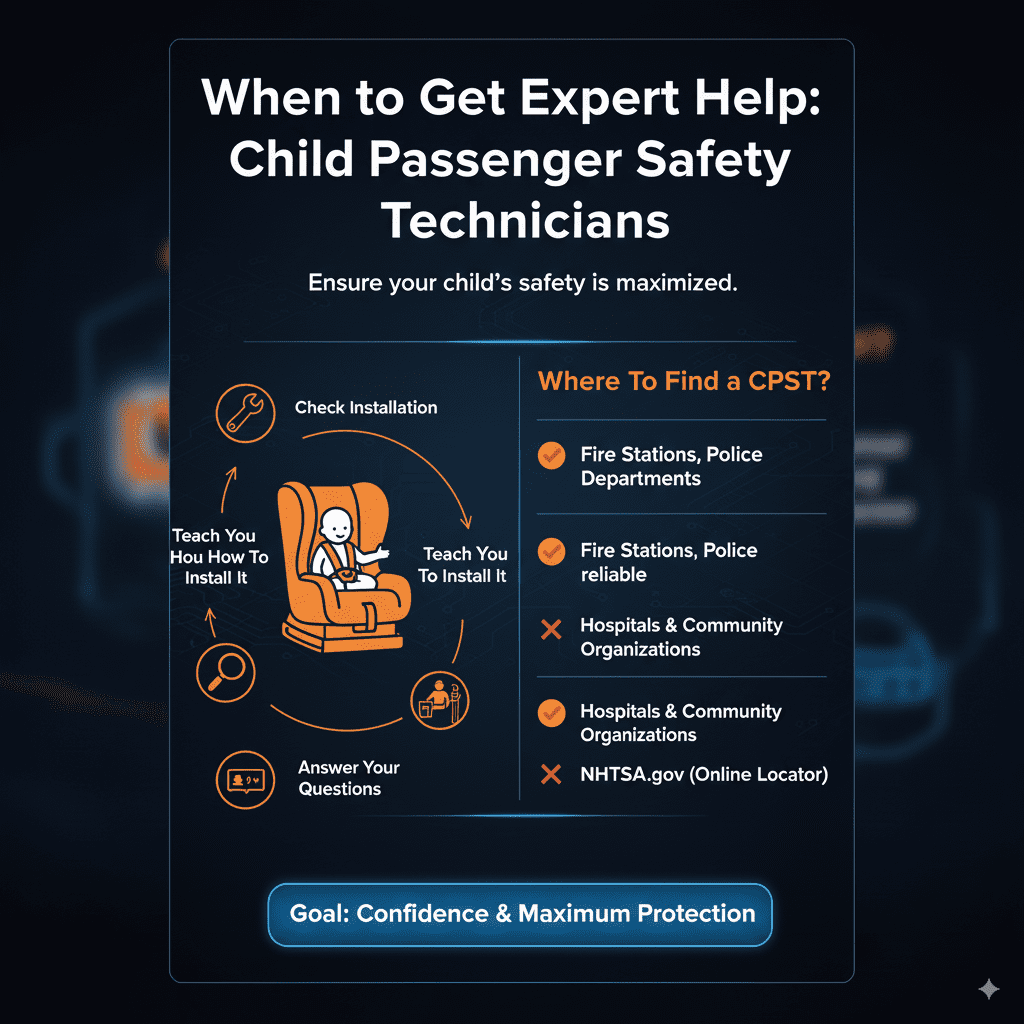
When to Get Expert Help: Child Passenger Safety Technicians
Even with the best intentions and thorough reading of manuals, car seat installation and use can be tricky. Incorrect installation is a major reason why car seats don’t perform as well as they should in a real crash. This is where a certified Child Passenger Safety Technician (CPST) can be invaluable.
A CPST can:
- Check your installation: They will ensure your seat is installed correctly for your vehicle and child.
- Teach you how to install it: They provide hands-on guidance so you can confidently do it yourself.
- Answer your questions: They can clarify any doubts you have about using your specific car seat or booster seat.
- Help with harness adjustments: They can demonstrate how to get the perfect fit for your growing child.
Finding a CPST is easier than you might think. Many fire stations, police departments, hospitals, and community organizations have trained technicians. As mentioned earlier, NHTSA’s website is a great resource for locating a qualified professional near you.
Frequently Asked Questions About Failed Car Seat Tests
Q1: My car seat has an expired date. What happens if I keep using it?
A1: Using an expired car seat is unsafe. The materials can break down over time, reducing its ability to protect your child in a crash. You must replace it with a new, unexpired car seat.
Q2: What’s the difference between a car seat recall and a test failure?
A2: A recall is a mandatory safety alert from the manufacturer or government (like NHTSA) because of a defect that poses an unreasonable risk. A test failure is often from an independent organization’s rigorous testing and may not be a mandatory recall, but it’s still a signal of potential safety performance issues.
Q3: Can I buy a used car seat that has been tested?
A3: It’s generally not recommended to buy used car seats unless you know their complete history, especially if they are past their expiration date, have been in a crash, or have missing parts or instruction manuals. Even if “tested,” unknown history can compromise safety.
Q4: What should I do if I can’t afford a new car seat?
A4: If your current seat is unsafe or expired and you need a replacement, look for community programs, car seat safety checks, or non-profit organizations that may offer assistance or discounted seats. Contact your local health department or child safety advocates; they often know about resources.
Q5: Does a “good” rating in a consumer test guarantee my child’s safety?
A5: While good ratings from reputable testing organizations are excellent indicators of superior performance, no car seat can guarantee absolute safety. Correct installation and proper usage of the seat are equally critical. Always follow the manufacturer’s instructions and ensure a snug fit for your child.
Q6: Where can I find reliable information about car seat safety standards?
A6: The National Highway Traffic Safety Administration (NHTSA) is the primary source for U.S. vehicle and car seat safety standards. Their website, nhtsa.gov, offers extensive information on regulations, recalls, and safe usage practices.
Conclusion
Understanding what happens if a baby’s car seat fails a test is vital for ensuring your child’s safety on every journey. While the thought of a test failure can be concerning, it’s essential to view it as an important alert!