What Is a Mass Air Flow Sensor in a Car?
Hey there, car enthusiasts! If you’ve ever popped the hood of your car and wondered about the small parts working together to keep your engine purring, you’re in for a treat today. I’ve spent years tinkering with cars, reading manuals, and diving into the nitty-gritty of automotive tech. One component that always fascinated me is the mass air flow sensor, or MAF sensor for short. It’s a small but mighty part of your car’s engine system. So, grab a coffee, sit back, and let’s chat about what a mass air flow sensor is, why it matters, and how it keeps your car running smoothly.
In this article, I’ll break down everything you need to know about the mass air flow sensor in a car. We’ll explore what it does, how it works, why it’s important, and what happens when it goes bad. I’ll also share some tips on maintenance and troubleshooting based on my own experiences. Whether you’re a gearhead or just someone curious about your vehicle, this guide is for you. Let’s dive in!
What Exactly Is a Mass Air Flow Sensor?
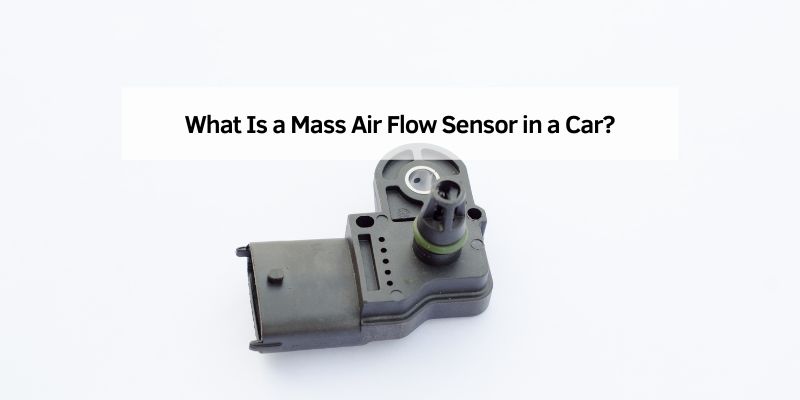
Picture this: your car’s engine is like a hungry beast, and it needs the perfect mix of air and fuel to run efficiently. That’s where the mass air flow sensor comes in. It’s a small device, usually found in the air intake system, that measures how much air is flowing into your engine. Think of it as a gatekeeper that tells your car’s computer exactly how much air is coming in so it can adjust the fuel delivery.
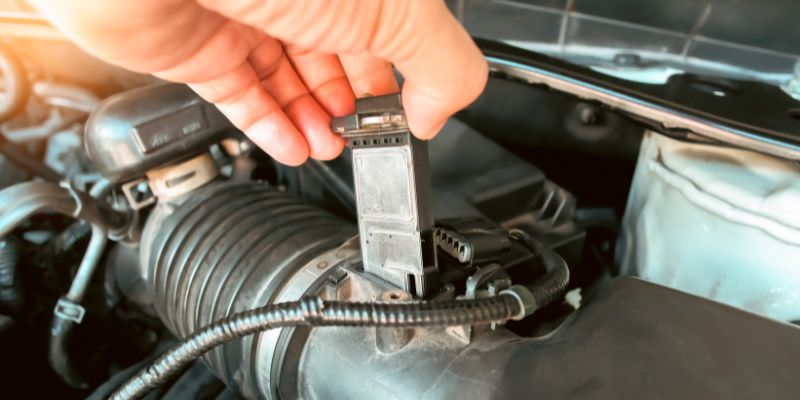
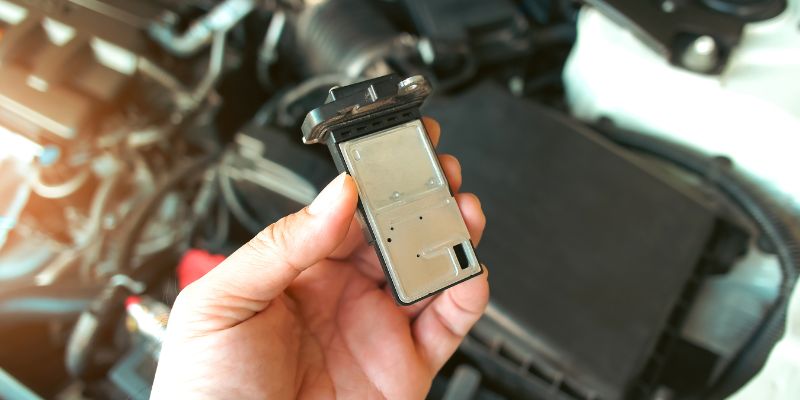
The MAF sensor is typically a small, rectangular component with a wire or film inside. It sits between your air filter and the engine’s throttle body. I remember the first time I spotted one in my old sedan—it looked so unassuming, but it plays a huge role. By measuring the volume and density of the incoming air, it helps your car maintain the right air-to-fuel ratio. Too much air, and your engine runs lean. Too little, and it runs rich. Either way, your car won’t perform at its best without a properly functioning MAF sensor.
How Does a Mass Air Flow Sensor Work?
Now, let’s get into the nuts and bolts of how this little sensor does its job. There are two main types of MAF sensors: hot wire and hot film. I’ve worked with both, and while they’re slightly different, they operate on the same principle. The sensor has a heated element—either a wire or a film—that stays at a constant temperature. As air flows over it, the element cools down. The sensor measures how much electrical current is needed to keep the element hot, and that tells it how much air is passing through.
This information gets sent to the engine control unit (ECU), which is like the brain of your car. The ECU uses the data to calculate how much fuel to inject into the engine. It’s a delicate balance, and the MAF sensor is at the heart of it. I’ve always been amazed at how such a simple concept—measuring airflow—can have such a big impact on performance. Whether you’re cruising down the highway or flooring it at a stoplight, the MAF sensor is working hard to keep things running smoothly.
Why Is the Mass Air Flow Sensor So Important?
You might be wondering why this small sensor gets so much attention. Well, let me tell you, it’s a big deal. Without the MAF sensor, your car’s engine wouldn’t know how much fuel to mix with the air. This could lead to all sorts of problems, from poor fuel economy to sluggish performance. I learned this the hard way when my old truck started acting up. It was hesitating during acceleration, and the gas mileage was terrible. After some digging, I found out the MAF sensor was dirty, throwing everything off.
The MAF sensor also helps reduce emissions. By ensuring the right air-to-fuel ratio, it helps your engine burn fuel more efficiently, which means fewer harmful gases coming out of your tailpipe. In today’s world, where environmental concerns are front and center, this is a big plus. Plus, a well-functioning MAF sensor keeps your car running smoothly, saving you money on gas and repairs in the long run.
Signs of a Faulty Mass Air Flow Sensor
So, how do you know if your MAF sensor is on the fritz? I’ve seen my fair share of bad sensors, and the symptoms are usually pretty clear. Here are some common signs to watch out for:
- Check Engine Light: This is often the first clue. Your car’s computer will detect a problem with the MAF sensor and light up the dashboard. I always recommend getting a diagnostic scan to confirm the issue.
- Poor Acceleration: If your car feels sluggish or hesitates when you press the gas, the MAF sensor could be to blame. I noticed this in my sedan when it felt like it was struggling to keep up.
- Rough Idling: Does your engine shake or sputter when you’re at a stoplight? A faulty MAF sensor might be messing with the air-to-fuel mix.
- Bad Fuel Economy: If you’re filling up the tank more often than usual, the sensor could be sending incorrect data, causing your engine to burn more fuel.
- Black Smoke from Exhaust: This is a sign your engine is running too rich, meaning too much fuel is being injected. I saw this once on a friend’s car, and sure enough, the MAF sensor was the culprit.
If you notice any of these issues, it’s worth checking the MAF sensor. A quick inspection or cleaning might save you from bigger headaches down the road.
How to Diagnose a Problem with Your MAF Sensor
Diagnosing a MAF sensor issue isn’t as hard as it sounds. I’ve done it myself a few times, and with a little know-how, you can too. Start by checking for that check engine light. If it’s on, use an OBD-II scanner to read the trouble codes. Codes like P0100, P0101, P0102, or P0103 often point to MAF sensor problems.
Next, take a look at the sensor itself. Pop the hood and locate it in the air intake system. It’s usually held in place with a couple of screws. Make sure the sensor and its wiring are clean and secure. I once found a loose connector that was causing all sorts of issues—tightening it up fixed the problem in minutes.
You can also test the sensor with a multimeter to check its voltage output, but this requires some technical know-how. If you’re not comfortable doing this, a mechanic can run a full diagnostic. In my experience, it’s worth spending a little to get an accurate diagnosis rather than guessing and replacing parts unnecessarily.
Cleaning vs. Replacing a Mass Air Flow Sensor
Here’s a question I get a lot: can you clean a MAF sensor, or do you need to replace it? The good news is, cleaning often does the trick. Over time, dirt, dust, and oil can build up on the sensor’s wire or film, throwing off its readings. I’ve cleaned a few sensors myself, and it’s a simple process.
To clean it, you’ll need a can of MAF sensor cleaner, which you can find at any auto parts store. Never use regular household cleaners—they can damage the sensor. Remove the sensor from the air intake, spray the cleaner on the sensing element, and let it dry completely before reinstalling. I usually do this every 30,000 miles or so as part of regular maintenance.
If cleaning doesn’t fix the issue, you might need to replace the sensor. A new MAF sensor can cost anywhere from $50 to $300, depending on your car’s make and model. I replaced one on my truck a few years back, and it was a straightforward swap that took about 15 minutes. Just make sure to buy a quality sensor—cheap knockoffs can cause more problems than they solve.
How to Maintain Your Mass Air Flow Sensor
Prevention is better than a cure, right? Keeping your MAF sensor in good shape is all about regular maintenance. Here are some tips I’ve picked up over the years:
- Replace Your Air Filter Regularly: A dirty air filter lets contaminants sneak into the air intake, which can clog the MAF sensor. I swap out my air filter every 12,000 to 15,000 miles, or more often if I’m driving in dusty conditions.
- Check for Leaks: Make sure there are no cracks or leaks in the air intake system. Even a small hole can let unfiltered air in, which can mess with the sensor.
- Use Quality Fuel: Poor-quality gas can leave deposits that affect the sensor. I always stick to reputable gas stations to avoid issues.
- Clean Periodically: As I mentioned earlier, a quick cleaning every now and then can keep the sensor working like new.
By staying on top of these simple tasks, you can extend the life of your MAF sensor and avoid costly repairs.
Mass Air Flow Sensor vs. Other Sensors
To give you a clearer picture, let’s compare the MAF sensor to other sensors in your car. I’ve often been asked how it’s different from, say, a MAP sensor or an oxygen sensor. Here’s a quick breakdown:
| Sensor | Function | Location |
|---|---|---|
| Mass Air Flow (MAF) | Measures the volume and density of air entering the engine | Between air filter and throttle body |
| Manifold Absolute Pressure (MAP) | Measures air pressure in the intake manifold to estimate airflow | In the intake manifold |
| Oxygen (O2) | Monitors the proportion of oxygen in the exhaust to adjust fuel mixture | In the exhaust system |
The MAF sensor is unique because it directly measures airflow, while the MAP sensor estimates it based on pressure. Some cars use both for better accuracy, but most modern vehicles rely on the MAF sensor. I’ve worked on older cars that used MAP sensors instead, and let me tell you, the MAF system is a lot more precise.
Common Myths About Mass Air Flow Sensors
Over the years, I’ve heard some wild myths about MAF sensors. Let’s clear up a few:
-
Myth: You Don’t Need a MAF Sensor in Modern Cars
Not true! Most modern cars rely on MAF sensors for optimal performance. Some high-performance vehicles might use other systems, but for the average car, the MAF sensor is essential. -
Myth: Cleaning a MAF Sensor Will Ruin It
As long as you use the right cleaner and follow the instructions, cleaning is safe and effective. I’ve done it dozens of times without a hitch. -
Myth: A Faulty MAF Sensor Always Triggers a Check Engine Light
Not always. Sometimes, the symptoms are subtle, like reduced fuel economy or slight hesitation, without tripping the light. That’s why it’s good to know the signs.
Busting these myths has saved me and my friends from wasting time and money on unnecessary repairs.
When to Seek Professional Help
While I love getting my hands dirty, there are times when it’s best to let a professional handle things. If you’ve tried cleaning the MAF sensor and the problems persist, or if you’re not comfortable doing diagnostics yourself, take your car to a trusted mechanic. They can run advanced tests to confirm whether the sensor is the issue or if something else, like a vacuum leak or bad fuel injector, is causing trouble.
I once spent hours trying to diagnose a rough idle, only to realize it wasn’t the MAF sensor but a clogged fuel filter. A mechanic would’ve spotted it right away. If you’re in doubt, it’s worth the peace of mind to get an expert opinion.
Conclusion
Well, there you have it—everything I’ve learned about mass air flow sensors from years of tinkering, researching, and fixing cars. This little device might not look like much, but it’s a powerhouse when it comes to keeping your engine running smoothly. From measuring airflow to helping your car save fuel and reduce emissions, the MAF sensor is a true unsung hero under the hood. By understanding how it works, spotting the signs of trouble, and keeping up with maintenance, you can keep your car in top shape and avoid costly repairs.
I hope this guide has been as fun to read as it was for me to write. Next time you’re driving, take a moment to appreciate the MAF sensor working behind the scenes. Got any questions or experiences with your car’s MAF sensor? Let me know in the comments on The Daily Automotive—I’d love to hear your stories!
FAQs
What Happens If I Ignore a Faulty Mass Air Flow Sensor?
Ignoring a bad MAF sensor can lead to bigger problems. Your car might run poorly, burn more fuel, or even damage the engine over time. I’ve seen engines misfire or develop carbon buildup because of a faulty sensor. It’s best to address the issue early to save money and hassle.
Can I Drive My Car with a Bad Mass Air Flow Sensor?
You can, but it’s not a good idea. A bad MAF sensor can cause poor performance, stalling, or even engine damage in extreme cases. I once limped my car to a shop with a failing sensor, but it was a rough ride. Get it fixed as soon as you can.
How Often Should I Clean My Mass Air Flow Sensor?
It depends on your driving conditions, but I recommend cleaning it every 30,000 miles or so. If you drive in dusty areas or notice performance issues, you might need to clean it more often. Regular air filter changes help keep it clean, too.
Can a Mass Air Flow Sensor Affect My Car’s Transmission?
Not directly, but a bad MAF sensor can make your engine run poorly, which might feel like transmission issues. For example, hesitation or surging can mimic shifting problems. I thought my truck had a transmission issue once, but it was just the MAF sensor acting up.
Is Replacing a Mass Air Flow Sensor Expensive?
The cost varies. A new sensor can range from $50 to $300, plus labor if you go to a mechanic. I’ve replaced them myself for under $100, but professional installation might add $50 to $150. Shop around for a good deal, but don’t skimp on quality.