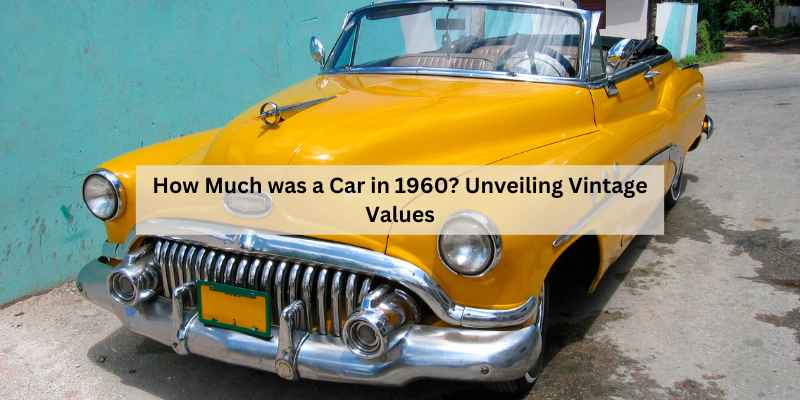
How Much Was a Car in 1960? Average Price & Model Costs
A new car in 1960 averaged about $2,600 — a Ford Falcon started around $1,975, while a loaded Chevrolet Impala convertible ran closer to $2,847. That same $2,600 car would cost roughly $28,000-$29,000 in today’s dollars once adjusted for inflation, far below the $49,220 average transaction price new cars command in 2026. This guide covers real 1960 model prices, what a 1960s dollar was actually worth, and how that compares to buying a new car today.
Vintage Wheels And Wallets
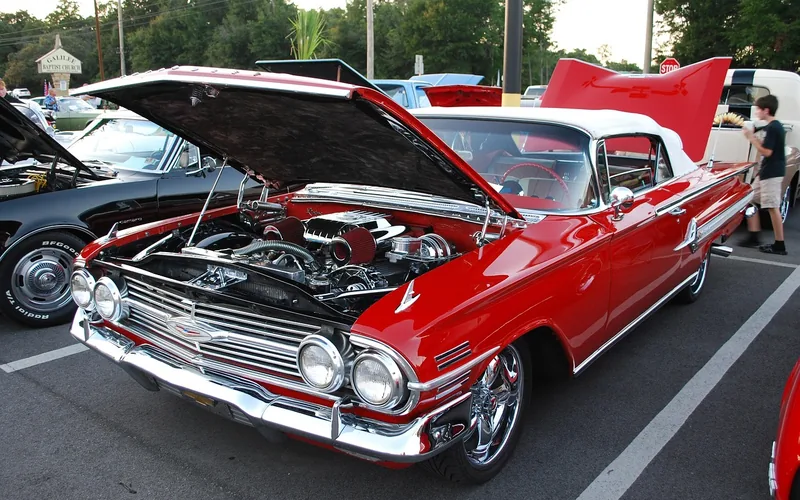
1960 was a unique time for car buyers, with prices spanning economy to full-size models. The Ford Falcon and Volkswagen Beetle led the budget end, while a fully-loaded Chevrolet Impala convertible sat near the top of the mainstream market — note the Ford Mustang didn’t exist yet in 1960; it wouldn’t arrive until 1964.
Many families saved money to buy a car, since financing options were limited and cash was often required. Median family income was around $5,600, making a $2,600 car a genuinely large purchase for most households.
| Car Model | Price (1960) |
|---|---|
| Ford Falcon | ~$1,975 |
| Chevrolet Impala Convertible | ~$2,847 |
| Volkswagen Beetle Deluxe Sedan | ~$1,565 |
The Cost Factor
The cost of a car in 1960 was about $2,600 on average. Adjusted for inflation using CPI data, that same $2,600 is equivalent to about $28,600 in today’s dollars — but the actual average new car price in 2026 is $49,220, nearly 75% higher than inflation alone would predict.
That gap exists because cars have gotten genuinely more complex — mandatory safety features, emissions equipment, driver-assistance tech, and infotainment systems all add cost that a simple inflation calculator doesn’t account for. A note on models: the Ford Mustang didn’t exist in 1960 (it launched in 1964), so it isn’t a valid 1960-to-today comparison — the table below uses cars that were actually sold in 1960.
| 1960 Model | 1960 Price | Inflation-Adjusted (CPI) |
|---|---|---|
| Ford Falcon | ~$1,975 | ~$21,700 |
| Chevrolet Impala (base sedan) | ~$2,590 | ~$28,450 |
Iconic Cars Of The 1960s
The muscle car craze that defined the decade actually started a few years after 1960 — the Ford Mustang arrived in 1964 and the Chevrolet Camaro in 1966. In 1960 itself, the models people were actually buying looked more like this:
| 1960 Model | Body Style | Starting Price |
|---|---|---|
| Ford Falcon | Compact sedan | ~$1,975 |
| Chevrolet Impala 4-Door Sedan | Full-size sedan | ~$2,590 |
| Chevrolet Impala Sport Coupe | 2-door hardtop | ~$2,597 |
| Chevrolet Impala Convertible | Convertible | ~$2,847 |
During this time, European luxury imports also gained attention. Brands like Mercedes-Benz and Jaguar offered elegance and comfort. Their vehicles featured advanced technology and superior craftsmanship. Many people dreamed of owning these luxurious cars.
Best 1960 Impala Collector’s Pick
Motormax 1:18 1960 Chevrolet Impala Convertible Diecast
A detailed 1:18 scale replica of the actual top-selling 1960 Impala convertible covered in this article.
- Best for: collectors and fans of 1960s American full-size cars
- Why we picked it: accurate body lines and trim details for the real $2,847 convertible
- Main drawback: 1:18 scale is larger — needs more display shelf space than 1:24 models
Compare more 1960s car collectibles and reference guides
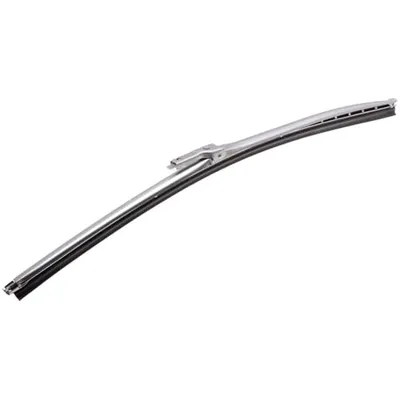
 Option 1 1PCS Front Windshield Wiper Blade for Ford Falcon for Ford Falcon
|
 Option 2 Cars of the 1960s: High Performance and Muscle
|
 Option 3 Standard Catalog of American Cars 1946-1975
|
As an Amazon Associate we earn from qualifying purchases.
Purchasing Power Of The 1960s Dollar
The purchasing power of the dollar in the 1960s was quite different from today. In 1960, median family income was around $5,600. A new car typically cost about $2,600 — roughly 46% of a year’s income.
Many families saved for their auto purchases, since financing options were limited back then — most buyers paid cash or used short-term loans, making a car a significant financial commitment rather than a routine monthly payment.
Today, both incomes and car prices have grown, but not at the same pace. That gap is easier to see side by side:
| Year | Median Household Income | Average New Car Price | Share of Income |
|---|---|---|---|
| 1960 | $5,600 | $2,600 | 46% |
| 2026 | $83,730 | $49,220 | ~59% |
📊 A new car now costs a bigger share of median household income than it did in 1960 — Source: U.S. Census Bureau, Income in the United States: 2024 and Kelley Blue Book, May 2026
Dealership Dynamics
During the 1960s, car dealerships used unique sales tactics, often focused on building customer relationships and offering test drives to showcase vehicles. Promotional events were common, and TV/radio advertising increased interest in new models. See how personal car ownership became popular in the US in the decades leading up to this dealership boom.
| Financing Option | Description |
|---|---|
| Cash Payments | Many buyers paid upfront for their cars. |
| Installment Plans | The most common consumer option — buyers paid in monthly installments over 24-36 months. |
| Leasing | Available but mostly used by businesses for fleet vehicles and tax deductions, not yet a mainstream retail consumer option. |
Installment financing made cars more accessible to average families — people could own a vehicle without huge upfront costs.
Marketing Motors
In the 1960s, advertising trends changed how cars were sold. Television ads became popular, showing cars in exciting ways that made people want to buy new models. Auto shows played a big role too — companies displayed their latest cars at events that attracted large crowds eager to see new designs and features.
Promotions and giveaways were common at these shows, and car companies used these tactics to boost sales. Overall, marketing in the 1960s leaned heavily on entertainment and excitement to sell cars — a very different approach from today’s data-driven, online-first car shopping.
Cultural Influence On Value
Celebrity endorsements played a big role in car culture during the 1960s. Stars like Elvis Presley and Steve McQueen were closely tied to popular models, and their influence made certain cars more desirable. Fans wanted to drive the same cars as their idols — the same effect that keeps well-known movie cars valuable today, like the real Bonnie and Clyde getaway car.
Cars also found a home in movies set in this era, like American Graffiti (set in 1962). These films created a strong connection between cars and youth culture, feeding the same collector nostalgia that drives interest in far older vehicles too, from the first cars built in the 1800s to the 1960s models covered here.
Collectible Status And Current Values
The collectible status of genuine 1960 model-year cars has grown significantly. Restoration quality, rarity, and original parts all drive value — buyers pay a real premium for cars in documented original condition over a re-created one.
| 1960 Model | Recent Auction Price | Year Sold |
|---|---|---|
| Chevrolet Corvette C1 | $115,500 | 2026 (Barrett-Jackson) |
Auction records like this show how much a genuine 1960 Corvette — built when only 10,261 units left the factory that model year — has appreciated well beyond its original sticker price. Market demand for these true 1960-model cars keeps rising, though 1960s icons that arrived a few years later, like the Ford Mustang (1964) or Plymouth Barracuda (1964), often command even higher premiums today.
Frequently Asked Questions
How Much Did Cars Cost In The 1960s?
In the 1960s, the average cost of a new car was around $2,600. Prices varied based on the make and model. Luxury cars could cost much more, while economy models were cheaper. This period saw significant growth in the automotive industry, influencing car prices.
What Factors Influenced Car Prices In 1960?
Several factors influenced car prices in 1960. Economic conditions played a major role, along with manufacturing costs. Demand for new models also affected pricing. Additionally, advancements in technology and design contributed to the overall cost of vehicles during that decade.
What Were Popular Car Models In 1960?
Some popular car models in 1960 included the Chevrolet Impala, Ford Falcon, and Volkswagen Beetle. These models stood out due to their distinctive designs and features. Each offered unique qualities that attracted different buyers. Many of these cars became icons of the era.
How Did Inflation Affect Car Prices Since 1960?
Inflation alone would put a 1960 car’s $2,600 price around $28,600 today, but the actual average new car price in 2026 is $49,220 — about 75% higher than inflation predicts, driven by mandatory safety equipment, emissions systems, and modern technology that didn’t exist in 1960.
Conclusion
Cars in 1960 averaged $2,600 — a fraction of 2026’s $49,220 average, even after accounting for inflation. Curious how much further back the story goes? See when the first car was ever made for the full pricing history from the very beginning of the automobile.
Products related to this article
Sponsored / affiliate links. As an Amazon Associate I earn from qualifying purchases. I may earn additional commission from eligible campaigns.