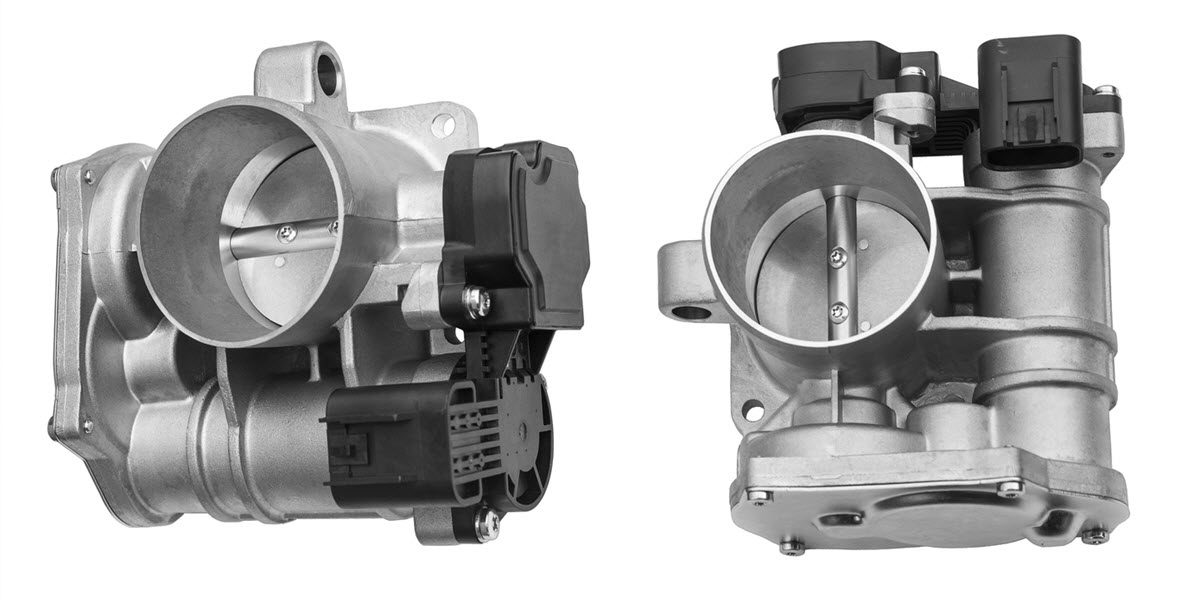
What Is a TPS Sensor in a Car? Function, Location & Bad Signs
A TPS (Throttle Position Sensor) tells your car’s computer exactly how far you’ve pressed the gas pedal, so the engine can send the right mix of air and fuel. It’s mounted directly on the throttle body, right along the air intake path between the air filter and the engine. When it fails, you’ll typically notice sluggish acceleration, an erratic idle, or a check engine light — not a car that won’t start at all. Below is what the sensor does, where to find it, the most common failure signs, and how much a replacement costs.
Quick Answer:
A TPS sensor (Throttle Position Sensor) measures how far the throttle is open and sends that reading to the engine computer so it can adjust the air-fuel mixture. It’s mounted on the throttle body near the air intake. A failing TPS causes jerky acceleration, rough idle, or stalling, and a replacement sensor typically costs $50-$200 including labor.
TPS Sensor Basics
The TPS sensor helps measure the throttle position in cars. It tells the engine how much air is coming in. This helps the car run smoothly. When you press the gas pedal, the TPS sensor sends signals. These signals go to the car’s computer. The computer adjusts fuel and air mixture. This makes the car go faster or slower.
Sometimes the TPS sensor can fail. If it fails, the car might jerk or stall. It can also cause problems with fuel economy. A mechanic can check the sensor. They can replace it if needed. Keeping the TPS sensor in good shape is important. It helps the car run well.
Where Is the TPS Sensor Located?
The TPS sensor is mounted directly on the throttle body, which sits along the air intake path between the air filter box and the engine’s intake manifold. Follow the air intake duct from the air filter toward the engine, and you’ll reach the throttle body assembly — the sensor is a small, rectangular or circular unit attached to the side of it, right on the throttle shaft.
On older vehicles, the TPS is often a physical potentiometer in direct contact with the throttle shaft. Modern cars with electronic throttle control (drive-by-wire) typically use a contactless Hall-effect sensor instead, which wears out less often but can still fail from wiring or connector issues.
Function And Role
The TPS sensor is vital in a car. It tells the engine computer the position of the throttle. The throttle controls the air going into the engine. More air means more power. Less air means less power. The sensor sends signals to adjust fuel and air mix. This helps in smooth driving. It makes sure the car runs efficiently. If the sensor fails, the car might run rough. It might stall or lose power. Fixing it is important for safety.
A faulty TPS sensor can cause engine light to turn on. The car might jerk while driving. It might also have trouble starting. Regular checks can prevent problems. Replacing a bad sensor can improve car performance. It helps in better fuel economy. Always ensure the sensor is working well. It plays a key role in the car’s performance.
Common Symptoms Of Failure
A TPS sensor in a car monitors the throttle position. Common failure symptoms include rough idling, poor acceleration, and engine stalling. Drivers might also notice inconsistent speed control and increased fuel consumption. Early detection can prevent further engine issues.
Engine Performance Issues
The TPS sensor helps control the engine’s power. If it’s faulty, the engine may lose power. The car might jerk or stall suddenly. Fuel use can also increase, wasting gas.
Erratic Idle Speed
A bad TPS sensor can cause the engine’s idle speed to be uneven. The car may idle too high or too low. This can make driving uncomfortable. The car might even stop at traffic lights.
Transmission Shifting Problems
The TPS sensor can affect how the car changes gears. If it’s not working, the car might shift gears too late. This can cause the car to jerk during driving. It makes the ride rough and less smooth.
Causes Of TPS Sensor Failure
A TPS sensor in a car measures the throttle position. Dirt, corrosion, or wiring issues often cause TPS sensor failure. These problems can lead to incorrect readings, affecting engine performance and fuel efficiency. Regular maintenance helps prevent these issues, ensuring smooth vehicle operation.
Wear And Tear
TPS sensors in cars face wear and tear over time. Parts can become old and worn. Moving parts may break down. This is common in cars with high mileage. Regular checks help catch these issues early.
Electrical Issues
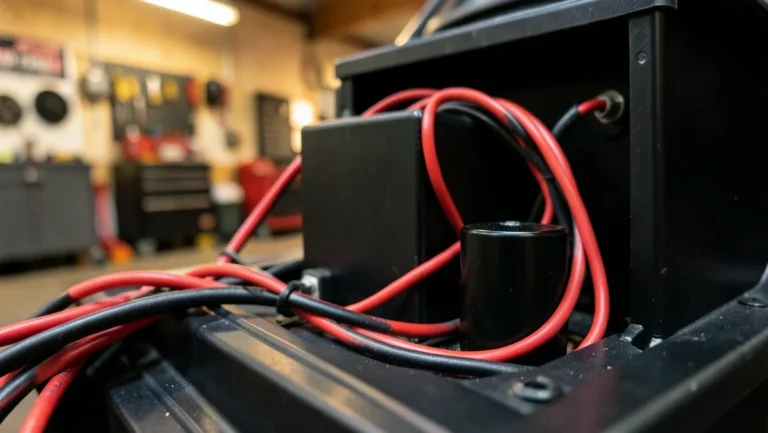
Electrical problems can cause sensor failure. Wires may become loose or damaged. This stops the sensor from working. Corrosion on connectors can also be a problem. Checking the wiring regularly can prevent failure.
Contamination And Dirt
Dirt and dust can get inside the sensor. This causes it to malfunction. Oil leaks can also cause contamination. Keeping the engine area clean helps prevent this. Regular cleaning is important for sensor health.
Testing And Diagnosis
Our Pick: Best Tool for Diagnosing a TPS Sensor
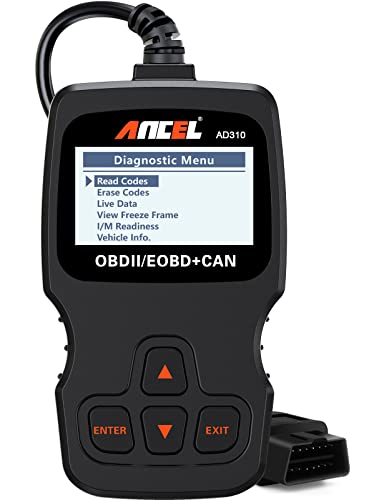
ANCEL AD310 OBD2 Scanner
Best for: Pulling the exact error code a bad TPS sensor triggers, instead of guessing at symptoms.
Why we picked it: Plugs into any 1996+ vehicle’s OBD2 port and reads/clears codes without a trip to the shop.
Main drawback: Only reads codes — you’ll still need a multimeter to confirm the sensor’s actual voltage output.
View Our Pick on Amazon
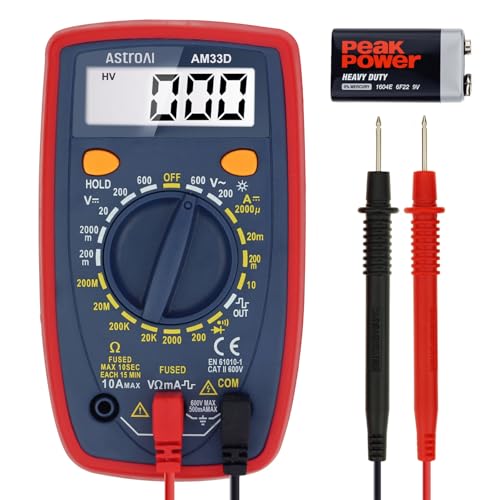 AstroAI Digital Multimeter Confirms whether the sensor’s voltage output is within spec as you move the throttle. Check on Amazon |
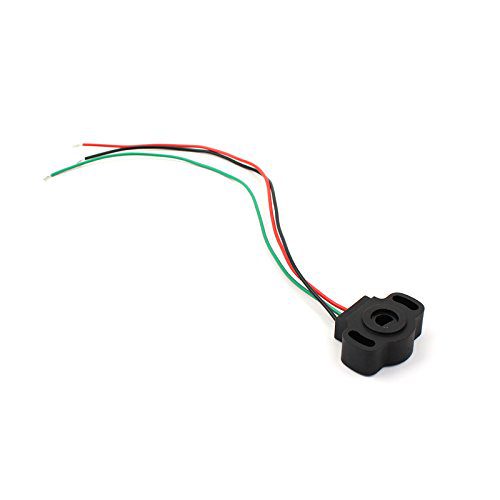 Speedmaster Universal TPS A universal EFI throttle position sensor for replacing a confirmed bad unit. Check on Amazon |
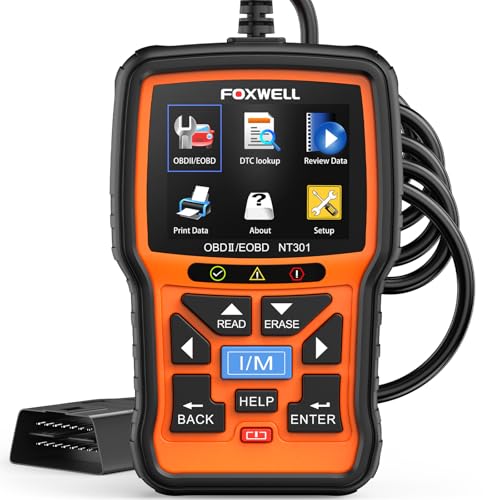 FOXWELL NT301 A step up with live data streaming to watch TPS readings change in real time. Check on Amazon |
A multimeter is a tool to check electrical parts. It helps measure voltage and resistance. Connect the multimeter to the TPS sensor. Check the voltage changes while moving the throttle. Proper readings ensure the sensor is working well. If the numbers are odd, the sensor may be bad.
Cars have onboard diagnostic tools. These tools show error codes. They help find sensor problems. Plug the tool into the car’s port. Read the codes it shows. Each code tells about a different issue. A bad TPS sensor will have a specific code.
Sometimes, a mechanic is needed. A mechanic has special tools. They know how to check sensors. They can give a clear diagnosis. Their tests are more accurate. If unsure, a professional can help. They ensure the car runs safely.
Replacement And Maintenance
A TPS sensor, or throttle position sensor, measures the position of the car’s throttle valve. Accurate readings ensure proper engine performance and fuel efficiency. Regular checks and timely replacement of faulty sensors help maintain smooth vehicle operation.
Choosing The Right Sensor
Picking the right sensor is important. Check your car model first. Each car needs a specific sensor. Use the car manual for help. Look for trusted brands. They last longer. A good sensor keeps your car running well. Avoid cheap sensors. They break easily.
Installation Steps
- Turn off the car and open the hood.
- Find the old sensor near the throttle body.
- Remove its wires, then gently unscrew the old sensor.
- Place the new sensor and screw it in tightly.
- Connect the wires again.
- Start the car and make sure everything works right.
Regular Maintenance Tips
Keep the sensor clean. Dust can cause problems. Check the wires often. Replace them if broken. Listen for strange noises. They can mean trouble. Always use a clean cloth. Dirt can damage parts. Inspect the sensor every six months. This keeps it in good shape.
Impact On Vehicle Performance
The TPS sensor plays a big role in how cars perform. It tells the car’s computer about the throttle position. This helps the engine get the right amount of fuel. A well-working TPS sensor means better fuel efficiency and smoother rides. Cars might feel jerky if the sensor is bad. Drivers may notice poor acceleration too.
A malfunctioning TPS sensor can cause engine problems. It may lead to stalling or idling issues. Fuel consumption might increase. This can cost more money. Regular checks of the TPS sensor are important. It ensures the car runs smoothly. Keeping the sensor clean helps too. This maintains good performance.
Tips For Longevity
Regular check-ups keep the TPS sensor working well. Mechanics check for dirt and damage. They make sure the sensor is connected properly. This helps catch problems early. A good sensor keeps your car running smoothly. It also helps save on fuel.
A clean throttle body is important. Dirt can make the sensor act up. Use a soft cloth to wipe away grime. This helps the TPS sensor work its best. Avoid using harsh chemicals. They can harm the sensor. Regular cleaning keeps your car happy.
Frequently Asked Questions
What Does A TPS Sensor Do?
A TPS sensor monitors the throttle position in a car’s engine. It sends data to the engine control unit (ECU). This helps in adjusting air-fuel mixture and ignition timing. Proper functioning ensures smooth acceleration and engine performance.
How Do You Know If A TPS Sensor Is Bad?
A faulty TPS sensor causes erratic acceleration or deceleration. It may also trigger the check engine light. You might experience stalling or poor fuel efficiency. Regular diagnostic checks can help identify issues.
Can A Car Run Without A TPS Sensor?
A car can technically run without a TPS sensor but will face performance issues. The engine may misfire or stall frequently. Fuel efficiency will decrease and acceleration will be inconsistent. It’s best to replace a faulty sensor promptly.
How Is A TPS Sensor Replaced?
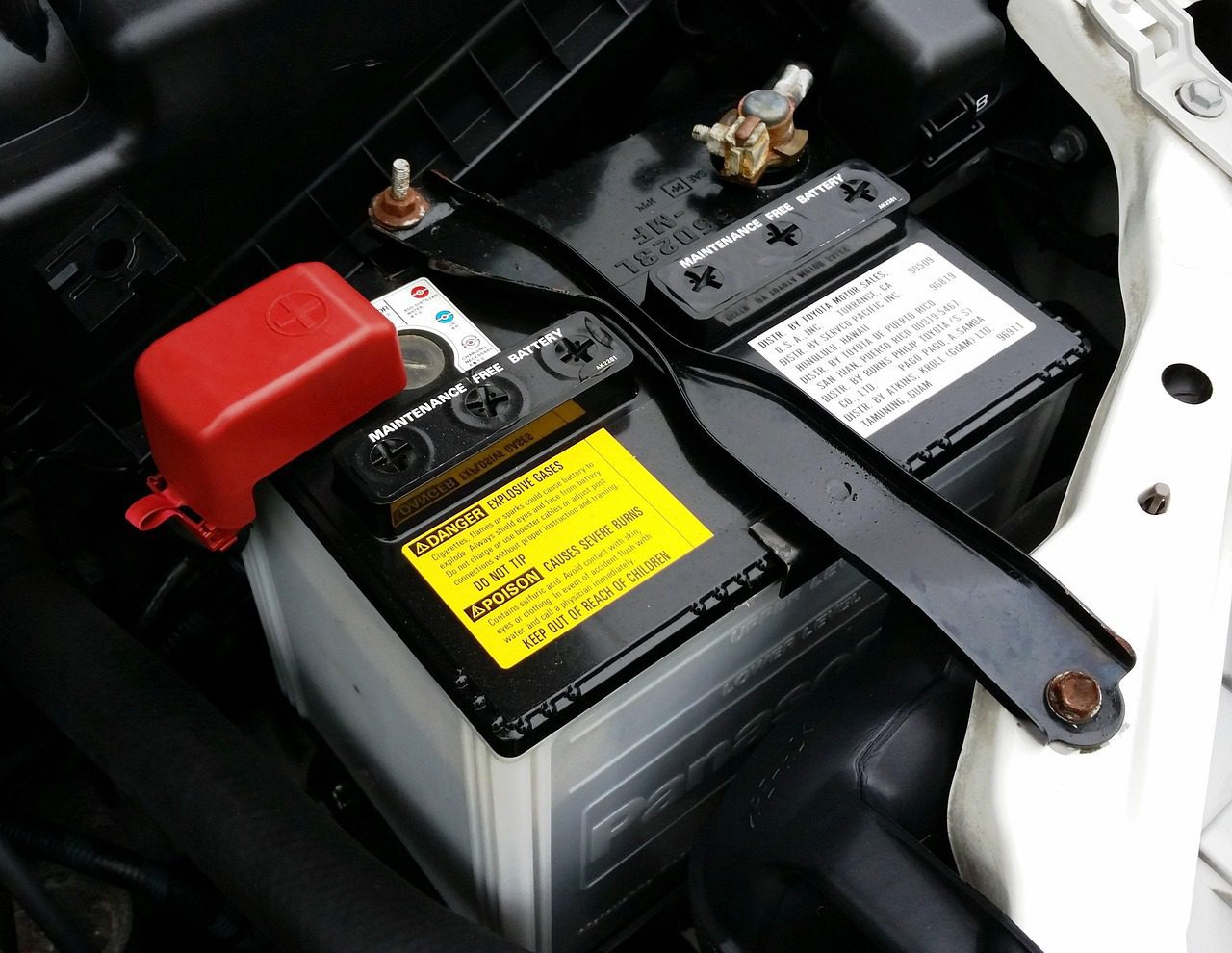
Replacing a TPS sensor involves disconnecting the battery and sensor harness. Remove the faulty sensor and install a new one. Ensure connections are secure. It’s advised to consult a professional mechanic for accurate installation.
Conclusion
Understanding the TPS sensor in your car is crucial. It ensures smooth acceleration and optimal engine performance. Regular checks can prevent unexpected issues. A faulty sensor may lead to poor fuel economy. You can notice erratic idling and stalling. Address sensor problems early.
It saves time and money on repairs. Reliable sensors contribute to a safer drive. Keep your car’s sensor in good condition. This maintains your vehicle’s efficiency. So, pay attention to any signs of trouble. Your car will thank you with a smoother ride.
Products related to this article
Sponsored / affiliate links. As an Amazon Associate I earn from qualifying purchases. I may earn additional commission from eligible campaigns.