What Is the Car Seat Law in Pennsylvania?
Hey there! If you’re a parent, guardian, or caregiver in Pennsylvania, you’ve probably wondered about the rules for keeping kids safe in the car. I know I have. When I first became a parent, I was overwhelmed trying to figure out what kind of car seat my little one needed and how long they had to use it. The laws can feel like a maze, but they’re there to protect our kids, so it’s worth taking the time to understand them. In this article, I’m going to walk you through everything you need to know about Pennsylvania’s car seat laws. I’ve done the research, read the regulations, and even chatted with a certified child passenger safety technician to make sure I’ve got this right. Let’s dive in and make sense of it all together.
Why Car Seat Laws Matter
Car seats aren’t just a hassle or an extra expense. They’re lifesavers. I learned this the hard way when a friend told me about a minor fender-bender that could’ve been so much worse if her toddler wasn’t properly strapped into a car seat. In Pennsylvania, car accidents are a leading cause of injury for kids, and the right car seat can make all the difference. The state’s laws are designed to keep children safe by ensuring they’re in the right kind of seat for their age, size, and weight. These rules aren’t just suggestions—they’re mandatory, and not following them can lead to fines. More importantly, they’re about protecting our kids from harm.
Pennsylvania’s Car Seat Laws: The Basics
Let me break this down for you. Pennsylvania’s car seat laws are based on a child’s age, height, and weight. The rules apply to anyone driving a passenger car, truck, or motor home in the state. Whether you’re a parent, grandparent, or just giving a friend’s kid a ride, you’re responsible for making sure they’re properly restrained. Here’s the gist:
- Kids under 2 years old must be in a rear-facing car seat.
- Kids under 4 years old need to be in a child safety seat (either rear-facing or forward-facing, depending on their size).
- Kids from 4 to 8 years old must use a booster seat.
- Kids 8 and older (or those over 57 inches tall or 80 pounds) can use a regular seat belt, but only if it fits properly.
These rules apply no matter where the child is sitting in the vehicle—even in the cargo area of a van or truck. But for maximum safety, the back seat is always the best spot for kids.
Rear-Facing Car Seats: Birth to Age 2
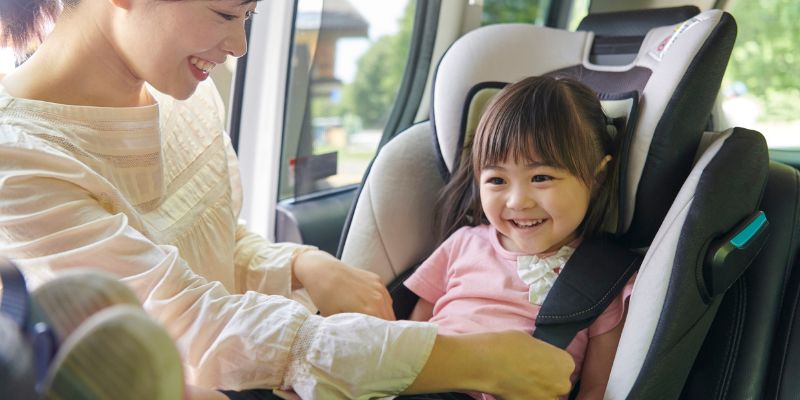
When my daughter was born, I was surprised to learn how important rear-facing car seats are. Pennsylvania law says that all kids under 2 years old must be in a rear-facing car seat until they outgrow the seat’s height or weight limits. These limits are set by the car seat manufacturer, so you’ll need to check the manual. Most rear-facing seats can handle kids up to 35 or 40 pounds, and some even go higher.
Why rear-facing? It’s all about protecting a baby’s fragile head, neck, and spine. In a crash, a rear-facing seat cradles the child and spreads the force of the impact across their back. This is way safer than a forward-facing seat for little ones. I remember being tempted to turn my daughter’s seat around as soon as she hit her first birthday, but the experts I talked to said to keep her rear-facing as long as possible. The American Academy of Pediatrics agrees—it’s the safest way to ride.
If your child is under 2 but has outgrown their rear-facing seat (say, they’re super tall or heavy for their age), you can move them to a forward-facing seat with a harness. But honestly, try to keep them rear-facing until they hit those maximum limits. It’s worth it.
Forward-Facing Car Seats: Ages 2 to 4
Once your child outgrows their rear-facing seat, it’s time for a forward-facing car seat with a harness. In Pennsylvania, kids under 4 years old must be in some kind of child safety seat, and for most kids between 2 and 4, that means a forward-facing one. These seats use a five-point harness to keep your child secure, and they’re designed to fit kids up to about 40 or 65 pounds, depending on the model.
I found this stage a bit tricky when I was figuring it out. You have to make sure the harness is snug and positioned correctly—right at or above the shoulders. And the seat needs to be tightly installed in your car, either with the seat belt or the LATCH system (those little anchors in the back seat). I learned from a technician that you should only be able to move the seat an inch or so side-to-side when it’s properly installed. If it wiggles more than that, it’s not secure enough.
One tip I wish I’d known earlier: don’t rush to move your child out of the forward-facing seat. Even if they’re 4 years old, keep them in that harness as long as they fit within the seat’s height and weight limits. It’s much safer than jumping to a booster seat too soon.
Booster Seats: Ages 4 to 8
When my son turned 4, I thought he was ready for a “big kid” seat belt, but I was wrong. Pennsylvania law requires kids from 4 to 8 years old to use a booster seat unless they’re over 57 inches tall or 80 pounds. Booster seats are a game-changer because they lift your child up so the car’s seat belt fits properly across their hips, chest, and shoulder. Without a booster, the seat belt can ride up on a child’s stomach or neck, which can cause serious injuries in a crash.
There are two types of booster seats: high-back and backless. I went with a high-back booster for my son because it gave him extra head and neck support, which felt safer for long drives. Backless boosters are okay too, but they’re better for older kids or cars with high seat backs. The key is to make sure the lap belt sits low on the hips and the shoulder belt crosses the middle of the chest and shoulder—not the neck or face.
I also learned that booster seats need a lap and shoulder belt. Lap-only belts aren’t safe for boosters, so if your car only has lap belts in certain spots, don’t use a booster there. And always put the booster in the back seat—it’s the safest place for kids under 13.
Seat Belts: Ages 8 and Up
Once kids hit 8 years old, or if they’re taller than 57 inches or weigh more than 80 pounds, they can usually transition to a regular seat belt. But here’s the catch: the seat belt has to fit properly. I tested this with my daughter by having her sit all the way back in the seat. Her knees should bend naturally at the edge, the lap belt should rest low on her hips, and the shoulder belt should cross her chest and shoulder without touching her neck. If the belt doesn’t fit right, she needs to stay in a booster seat, even if she’s older than 8.
Pennsylvania also has a rule that kids between 8 and 13 should ride in the back seat whenever possible. I get it—sometimes kids beg to sit up front to feel grown-up. But airbags in the front seat can be dangerous for smaller kids, so it’s best to keep them in the back until they’re at least 13.
For teens under 18, there’s another rule: if they’re driving, they can’t have more passengers than there are seat belts in the car. This is to prevent overcrowding, which can be a distraction and a safety hazard. I always remind my teenage nephew to double-check that everyone’s buckled up before he hits the road.
Where Should Kids Sit in the Car?
One thing I kept hearing from safety experts is that the back seat is the safest place for kids. Pennsylvania doesn’t have a law that requires kids to sit in the back, but it’s strongly recommended for anyone under 13. Why? Airbags in the front seat are designed for adults, and they can hit a child’s head or chest with enough force to cause serious injury. I made it a rule in my family: no kids in the front seat until they’re teenagers.
If you have more than one kid, figuring out where to put their car seats can feel like a puzzle. When I had both a newborn and a toddler, I put the newborn’s rear-facing seat in the middle of the back seat (it’s often the safest spot) and the toddler’s forward-facing seat on one side. If you’re not sure what’s safest for your car, check your vehicle’s manual or talk to a technician. They can help you find the best setup.
Installing Car Seats: Tips for Getting It Right
Installing a car seat can be a headache—I’ve been there. When I first tried, I thought I had it secure, but it was wobbling all over the place. Here’s what I learned after getting some help:
- Read the manuals. Both the car seat manual and your vehicle’s manual have specific instructions. They’re boring but worth reading.
- Use the right system. Most car seats can be installed with either the seat belt or the LATCH system. LATCH is easier for some seats, but you can’t use it for kids over a certain weight (usually around 40 pounds). Check your manuals to be sure.
- Get it tight. The seat shouldn’t move more than an inch side-to-side or front-to-back when you tug on it.
- Check the angle. Rear-facing seats need to be at the right angle (usually 30–45 degrees) to keep your baby’s airway open. Most seats have a built-in angle indicator.
- Don’t reuse old seats. If a car seat is expired, damaged, or has been in a crash, it might not be safe. I always check the expiration date (usually printed on the seat) before using a hand-me-down.
If you’re struggling, Pennsylvania has tons of car seat fitting stations where certified technicians can help. I took my car to one, and it was a game-changer. They showed me exactly what I was doing wrong and even let me practice installing the seat myself.
Penalties for Breaking the Law
Okay, let’s talk about what happens if you don’t follow these rules. In Pennsylvania, not using the right car seat or booster is a primary offense for kids under 4. That means police can pull you over just for that. The fine is $75, plus court costs, a $45 surcharge, and $10 each for the EMS Fund and administrative costs. It adds up fast—think $150 or more per kid.
For kids 4 to 8, it’s also a primary offense, with the same fines. But here’s a cool loophole: if you get a ticket and then show proof that you bought or borrowed an appropriate car seat, the fine might be dismissed. I heard about a friend who got a ticket, ran out to buy a booster seat, and got the fine dropped by showing the receipt in court. Still, it’s better to get it right from the start.
For seat belt violations (like not buckling up kids 8 and older), the fine is $10, plus those same extra costs. It’s not just about the money, though—unrestrained kids are at much higher risk of injury or worse in a crash.
Car Seat Safety Beyond the Law
The law is the minimum, but I’ve learned that going above and beyond can keep kids even safer. Here are some extra tips I picked up:
- Keep kids in each stage as long as possible. Don’t rush to move from rear-facing to forward-facing or from a booster to a seat belt. The longer they stay in the more protective option, the better.
- Register your car seat. Manufacturers send out recall notices if there’s a problem. I registered my car seats online in about five minutes.
- Avoid used seats unless you know their history. A seat that’s been in a crash might look fine but could be compromised.
- Check for recalls. The National Highway Traffic Safety Administration (NHTSA) has a website where you can look up your car seat’s model number to make sure it’s safe.
- Get a professional check. Even if you think you’ve installed the seat correctly, a technician can spot things you might miss.
Car Seat Loan Programs in Pennsylvania
If buying a car seat feels out of reach, Pennsylvania has your back. Many counties offer car seat loan programs for families who need help. These programs provide infant seats, convertible seats, and boosters, often for free or a small fee. I found one near me through the Pennsylvania Department of Transportation’s website, and it was a lifesaver when I needed a second seat for my mom’s car. Hospitals are also required to tell new parents about these programs, so ask before you leave the hospital with your newborn.
Choosing the Right Car Seat
Picking a car seat can feel overwhelming with all the options out there. I spent hours researching before buying my first one. Here’s what I learned to look for:
- Check the weight and height limits. Make sure the seat fits your child now and will last as they grow.
- Look for ease of use. The NHTSA rates car seats on how easy they are to install and use. I found their Car Seat Finder tool super helpful.
- Make sure it fits your car. Not all seats work in every vehicle. Check the manufacturer’s website or try the seat in your car before buying.
- Consider convertible seats. These can switch from rear-facing to forward-facing, so you don’t have to buy a new seat as your kid grows.
Here’s a quick table to help you choose:
| Age Group | Car Seat Type | Key Features |
|---|---|---|
| Birth to 2 years | Rear-facing car seat | 5-point harness, fits up to 35–40 lbs |
| 2 to 4 years | Forward-facing car seat | 5-point harness, fits up to 40–65 lbs |
| 4 to 8 years | Booster seat | Uses vehicle’s lap/shoulder belt, high-back or backless |
| 8+ years (or 57”/80 lbs) | Seat belt | Must fit properly across hips, chest, shoulder |
Common Mistakes to Avoid
I’ve made my share of mistakes with car seats, and I’ve seen others do the same. Here are some common slip-ups to watch out for:
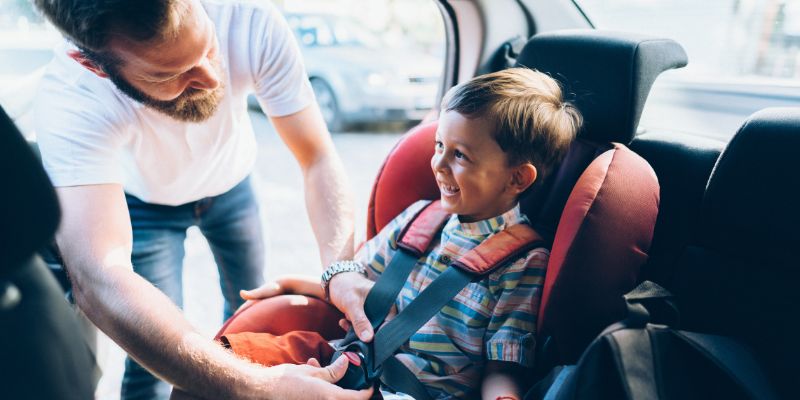
- Loose harnesses. The straps should be snug enough that you can’t pinch any slack.
- Wrong angle for rear-facing seats. If the seat is too upright, it can mess with your baby’s breathing.
- Using the wrong seat for your car. Some seats don’t work well in smaller cars or with certain seat belt systems.
- Not tightening the seat enough. I learned to put my knee in the seat and pull the belt tight to get a secure fit.
- Letting kids sit up front too soon. Keep them in the back seat until they’re at least 13.
Conclusion
Phew, that was a lot, but I hope it’s helped you understand Pennsylvania’s car seat laws as well as I do now. When I started this journey, I was just a nervous parent trying to keep my kids safe. Now, I feel confident knowing exactly what the law requires and how to go beyond it to protect my little ones. These rules—rear-facing until at least 2, child safety seats until 4, boosters until 8, and seat belts after that—are all about giving our kids the best chance in a crash. It’s not just about avoiding fines (though those can sting); it’s about peace of mind. So, take the time to pick the right seat, install it correctly, and maybe even get it checked by a professional. Your kids are worth it, and I know you’ve got this.
FAQs
What happens if I don’t follow Pennsylvania’s car seat laws?
If you don’t use the right car seat or booster for a child under 8, you could face a fine of $75, plus court costs, a $45 surcharge, and $10 each for the EMS Fund and administrative costs. For kids under 4, it’s a primary offense, so police can pull you over just for that. You might be able to get the fine dismissed if you show proof of getting the right seat.
Can my child sit in the front seat in Pennsylvania?
There’s no law banning kids from the front seat, but Pennsylvania strongly recommends keeping kids under 13 in the back seat. Airbags can be dangerous for smaller kids, so it’s safer to keep them in the back until they’re teenagers.
How do I know if my car seat is installed correctly?
A properly installed car seat shouldn’t move more than an inch side-to-side or front-to-back when you tug on it. Check your car seat and vehicle manuals for instructions, and consider visiting a fitting station for a professional check. Pennsylvania has many stations with certified technicians who can help.
Are there programs to help me get a car seat if I can’t afford one?
Yes! Pennsylvania has car seat loan programs in many counties that provide free or low-cost seats. Check with your local hospital or the Pennsylvania Department of Transportation’s website to find one near you.
When can my child stop using a booster seat?
In Pennsylvania, kids need a booster seat until they’re 8 years old, unless they’re over 57 inches tall or 80 pounds. Even then, make sure the seat belt fits properly—lap belt on the hips, shoulder belt across the chest—before ditching the booster.