What is the Fastest Way to Warm Up an Engine? Pro Tips
Have you ever wondered, What is the Fastest Way to Warm Up an Engine? Pro Tips are often sought after, especially when you’re new to driving or just want to take good care of your car. It can seem a bit tricky because you don’t want to harm your engine but also need to get going.
Don’t worry, it’s simpler than you might think. We’ll walk through easy steps to warm up your engine the right way, making sure it runs smoothly. Let’s find out how to do it best.
Understanding Engine Warm-Up
Warming up your engine might seem like a simple task, but it involves a few key concepts that help keep your vehicle in good shape. When an engine is cold, its parts haven’t expanded to their optimal size, and the oil hasn’t reached all the places it needs to be. This can cause more wear and tear if you immediately drive hard.
Understanding why this process is important helps appreciate the best methods.
The Importance of Cold Starts
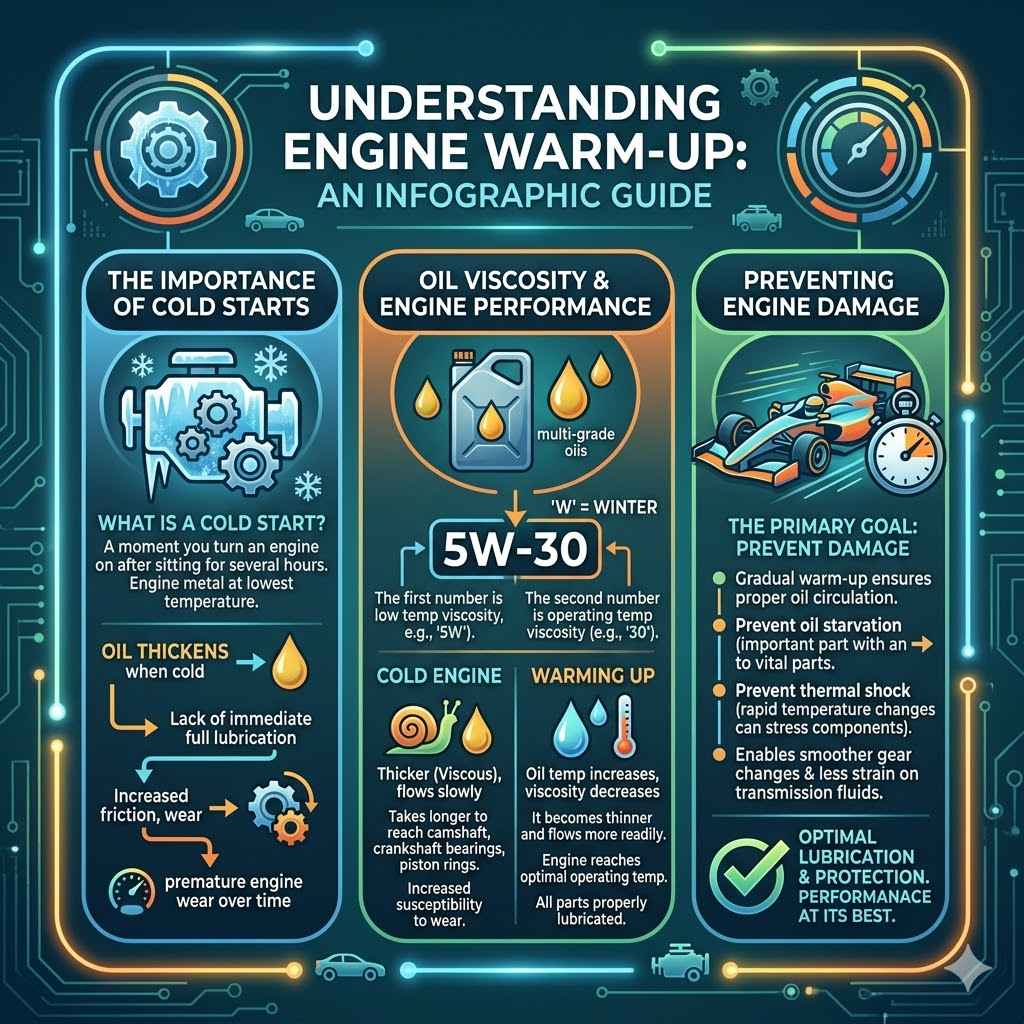
A cold start refers to the moment you first turn your engine on after it has been sitting for a significant period, usually several hours. During this time, the engine’s metal components are at their lowest temperature. The oil, which lubricates and cools the engine, tends to thicken when cold and may not flow as freely.
This means that for the first few moments, the engine’s internal parts are not as well-protected.
This lack of immediate, full lubrication can lead to increased friction. Friction between moving parts generates heat and wear. If you were to immediately rev the engine high or drive at high speeds under these conditions, you would be asking those parts to work harder with less protection.
Over time, this can contribute to premature engine wear and a shorter lifespan for your vehicle.
Oil Viscosity and Engine Performance
Oil viscosity is a measure of how thick or resistant to flow a fluid is. In an engine, oil needs to be thin enough to flow easily through small passages when cold but thick enough to maintain a protective film between moving parts when hot. This is why multi-grade oils, like 5W-30, are used.
The ‘W’ stands for ‘winter,’ and the first number indicates the oil’s viscosity at low temperatures, while the second number indicates its viscosity at operating temperatures.
When an engine is cold, the oil is more viscous, meaning it’s thicker and flows more slowly. This slower flow means it takes longer for the oil to reach critical engine components like the camshaft, crankshaft bearings, and piston rings. During this period, these parts are more susceptible to wear because the protective oil film is not yet fully established.
As the engine warms up, the oil’s temperature increases, causing its viscosity to decrease. It becomes thinner and flows more readily. This allows the oil to circulate more effectively throughout the engine, providing optimal lubrication and cooling to all moving parts.
The engine then reaches its optimal operating temperature, where all components are properly lubricated and protected, and performance is at its best.
Preventing Engine Damage
The primary goal of warming up an engine is to prevent damage. Driving a cold engine hard is like asking a marathon runner to sprint the first mile without stretching. It’s not ideal and can cause strain.
By allowing the engine to warm up gradually, you ensure that the oil circulates properly and that the engine components reach their normal operating temperatures and dimensions.
This gradual warm-up helps to prevent issues such as oil starvation, where vital parts don’t get enough lubrication, and thermal shock, where rapid temperature changes can stress engine components. It also helps other fluids, like transmission fluid, reach their optimal operating temperatures, ensuring smoother gear changes and less strain on the transmission.
What is the Fastest Way to Warm Up an Engine? Pro Tips
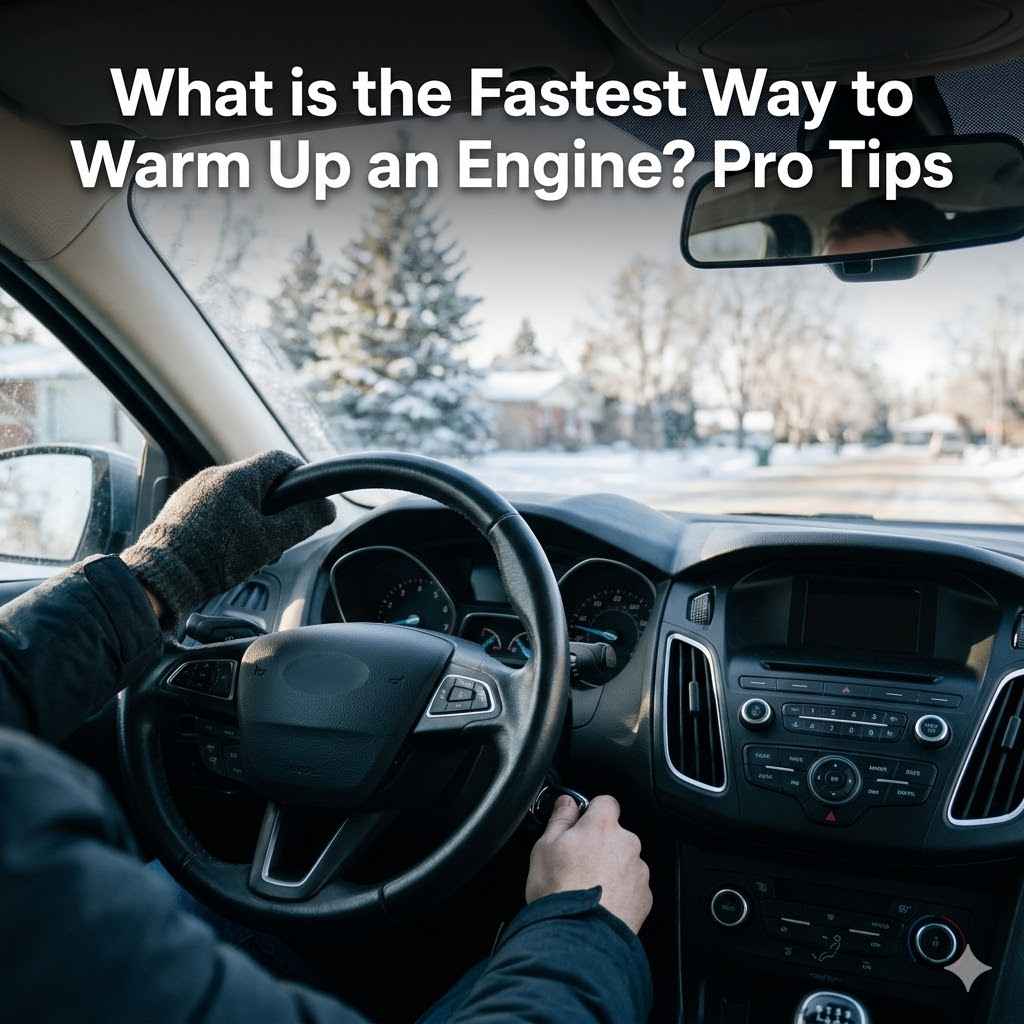
When you ask, What is the Fastest Way to Warm Up an Engine? Pro Tips come into play to get your car ready efficiently and safely. The goal isn’t just to make the engine hot, but to get it to its normal working temperature smoothly.
Modern vehicles are designed to warm up relatively quickly, and the best methods focus on gentle operation rather than prolonged idling.
The Modern Approach to Engine Warm-Up
In the past, it was common practice to let your car idle for many minutes, especially in cold weather, before driving. This was partly due to older engine designs and less sophisticated lubrication systems. However, modern vehicles, equipped with advanced fuel injection and lubrication technologies, have changed this approach.
The primary recommendation from most manufacturers today is to drive gently for the first few miles.
This doesn’t mean you should immediately accelerate aggressively or push your engine to its limits. Instead, it means starting your drive with light acceleration and avoiding high engine RPMs. As you drive, the engine’s natural combustion process generates heat, and the movement of the vehicle helps circulate the oil more effectively than stationary idling.
This method warms the engine and its components more uniformly and efficiently.
Driving Gently Is Key
The most effective and fastest way to warm up your engine, according to most automotive experts and manufacturers, is to drive it gently. This means starting your car and then immediately driving off, but with a light foot on the accelerator. Avoid hard acceleration and high engine speeds (RPMs) for the first few miles.
Let the engine’s natural operating cycle bring it up to temperature as you drive at normal, modest speeds.
This gentle driving approach allows the engine to reach its optimal operating temperature more quickly and efficiently than prolonged idling. It also ensures that the transmission fluid and other drivetrain components also get a chance to warm up properly, leading to smoother operation overall.
Consider this scenario: You start your car on a cold morning. Instead of letting it sit and idle for 10 minutes, you put it in gear and drive off, but you accelerate very slowly. You keep your speed moderate and avoid sudden bursts of acceleration.
Within a few minutes of driving, you’ll notice the temperature gauge moving towards the middle, indicating the engine is warming up.
Why Excessive Idling Can Be Detrimental
While letting your car idle for a minute or two on a very cold day might be acceptable, prolonged idling is generally not recommended. Modern engines are designed to warm up more efficiently while driving. Idling for extended periods can actually lead to incomplete combustion, which can result in unburned fuel entering the exhaust system.
This can potentially damage the catalytic converter over time.
Furthermore, idling doesn’t circulate the oil as effectively as driving does. The oil needs to be pumped under pressure to all the moving parts, and this happens more effectively when the engine is under a light load while driving. Extended idling can also lead to a buildup of moisture and acids in the engine oil, as the oil doesn’t reach the higher temperatures needed to evaporate these contaminants.
Some studies have shown that idling an engine for too long can waste fuel and contribute to increased emissions without providing any significant benefit to the engine’s longevity. For instance, a study by the U.S. Department of Energy suggested that turning off and restarting your engine is more fuel-efficient than idling for more than 10 seconds.
The Role of Engine Temperature Gauge
Your car’s temperature gauge is a crucial indicator of how well your engine is warming up. When you first start your car, the needle will be at its lowest point. As the engine begins to produce heat and the coolant circulates, the needle will gradually move towards the center of the gauge.
The “normal” operating temperature is usually indicated by the middle position of the gauge.
Once the temperature gauge reaches this normal operating zone, it signifies that your engine’s critical components have expanded to their designed tolerances and that the oil is at an optimal viscosity for lubrication. At this point, you can begin to drive your vehicle more normally, without the need for excessive caution regarding acceleration or engine speed.
Monitoring this gauge will help you understand when your car is ready for more spirited driving. It provides immediate feedback on the engine’s internal state. If the needle goes beyond the normal zone and into the hot area, it indicates a potential cooling system problem that needs immediate attention.
Advanced Techniques and Considerations
Beyond the basic principle of driving gently, there are other factors and techniques that can influence engine warm-up time and efficiency. These include the type of oil used, the ambient temperature, and specific driving conditions. Understanding these can help you optimize the process even further.
Choosing the Right Engine Oil
The type of engine oil you use can significantly impact how quickly and effectively your engine warms up, especially in colder climates. As mentioned earlier, multi-grade oils are designed to perform well across a range of temperatures. However, selecting an oil with a lower “W” number can offer benefits in very cold conditions.
For example, if your car’s manual recommends 5W-30, using a 0W-30 or even a 0W-20 oil (if compatible with your engine) might allow the oil to flow more freely at extremely low temperatures. This means that lubrication will reach critical engine parts faster after a cold start, reducing the time spent with suboptimal protection. Always consult your vehicle’s owner’s manual for the recommended oil viscosity grades.
Synthetic vs. Conventional Oil
Synthetic oils generally offer superior performance compared to conventional mineral oils, especially in extreme temperatures. They are engineered to have a more stable viscosity index, meaning they are less prone to thickening in the cold and breaking down in the heat.
This superior cold-flow property of synthetic oils means they can provide better lubrication during the initial moments of a cold start. The engine parts are therefore protected faster, and the overall wear associated with cold starts can be reduced. Many modern vehicles are designed to take advantage of synthetic oils, and using them can contribute to the longevity of your engine.
Impact of Ambient Temperature
The outside temperature plays a major role in how long it takes for your engine to warm up. On a freezing winter morning, it will take considerably longer for the engine and its oil to reach their optimal operating temperatures compared to a mild spring day. The colder the environment, the thicker the oil will be, and the more time it will take to circulate properly.
In extremely cold weather, you might need to be even more patient with your gentle driving approach. Allow an extra minute or two of very light driving before gradually increasing your speed and acceleration. The goal remains the same: to let the engine warm up naturally without causing undue stress.
For example, a car tested in -10°F (-23°C) weather might take twice as long for its engine oil to reach optimal temperature compared to the same car tested in 50°F (10°C) weather. This highlights the importance of adjusting your warm-up routine based on the prevailing climate conditions.
Pre-heating Systems (Block Heaters)
For those living in regions with extremely cold winters, engine block heaters are a popular and effective solution. A block heater is an electrical device that heats the engine coolant in the engine block. It’s plugged into a standard electrical outlet, typically overnight.
By pre-heating the engine coolant, the block heater warms the engine block and the oil within it. This significantly reduces the amount of time the engine needs to warm up after starting. When you start a pre-heated engine, the oil is already warmer and flows more freely, providing immediate lubrication.
This not only reduces engine wear but also helps the cabin heater start producing warm air much sooner, improving driver comfort.
Using a block heater is one of the most proactive ways to ensure your engine starts and warms up efficiently in frigid temperatures. It’s a common practice in many colder climates, and statistics show a noticeable reduction in engine wear and fuel consumption during the initial startup phase when a block heater is used.
Understanding Your Vehicle’s Manual
Your vehicle’s owner’s manual is the ultimate guide to its specific needs and recommendations. Manufacturers spend a lot of time testing their vehicles under various conditions and provide guidance based on these findings. It’s essential to consult your manual for the most accurate information regarding engine warm-up procedures for your particular make and model.
The manual will specify the recommended engine oil, any particular warm-up instructions for cold weather, and the expected operating temperature range for your engine. Adhering to these guidelines will help ensure the longevity and optimal performance of your vehicle.
Sample Scenarios and Best Practices
To better illustrate how to apply these principles, let’s look at a couple of common driving situations and how to handle engine warm-up effectively. These scenarios will show the difference between good and less-than-ideal practices.
Scenario 1: The Cold Winter Morning
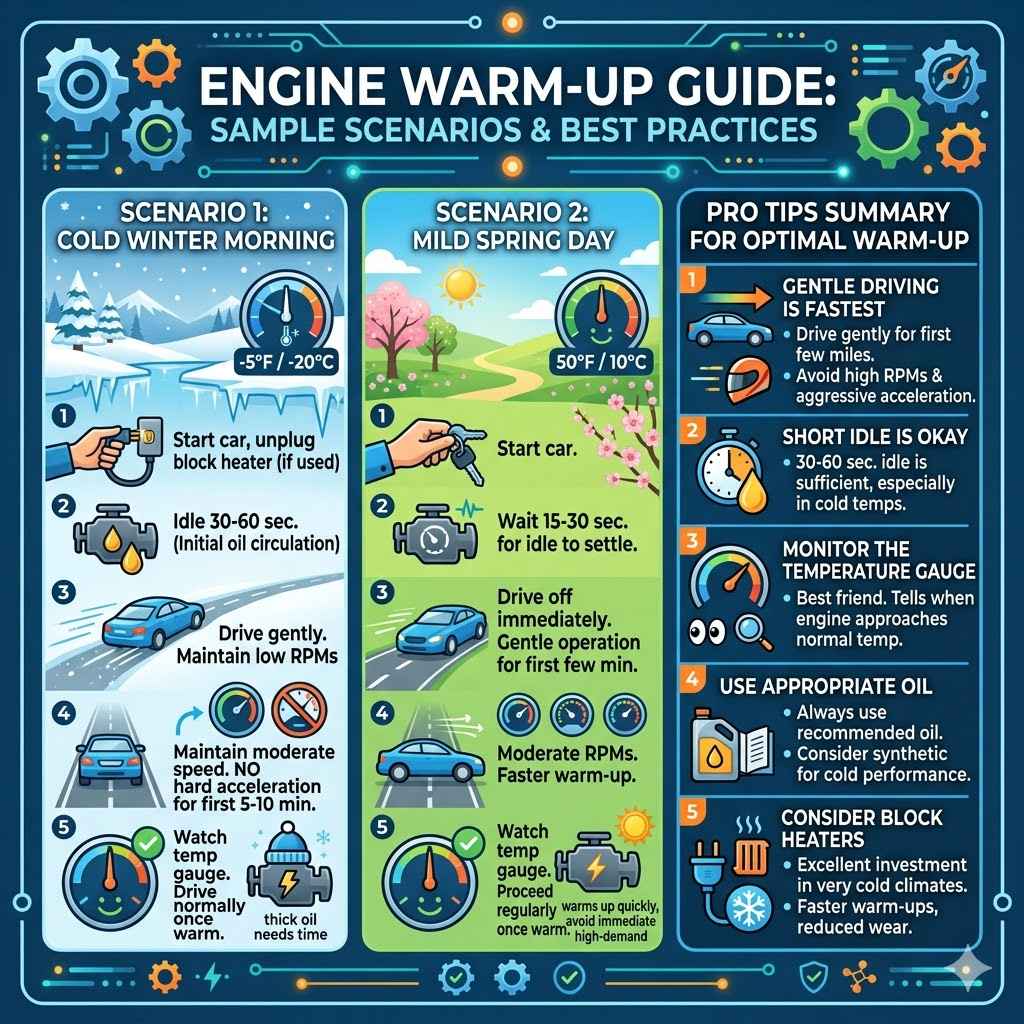
It’s a frigid Monday morning, and the temperature outside is -5°F (-20°C). You need to drive to work.
- Start your car. If you have a block heater, unplug it first.
- Allow the engine to run for about 30-60 seconds, just enough for the initial oil circulation and to let the idle settle slightly.
- Gently engage your gear and drive off. Your acceleration should be very light, and you should keep your engine RPMs low.
- Maintain a moderate speed for the first 5-10 minutes of your drive. Avoid hard acceleration or high speeds.
- Watch your temperature gauge. Once it reaches its normal operating position, you can begin to drive more normally.
This approach ensures that the thick winter oil has a chance to circulate, and the engine components begin to warm up evenly as you drive, minimizing wear and tear.
Scenario 2: A Mild Spring Day Drive
It’s a pleasant spring morning, around 50°F (10°C), and you need to pick up some groceries.
- Start your car.
- Wait about 15-30 seconds for the idle to stabilize.
- Drive off immediately, but again, with light acceleration.
- Keep your engine RPMs moderate for the first few minutes of driving.
- Once the temperature gauge indicates the engine is warm, you can proceed with your regular driving.
On a milder day, the engine will warm up much faster. The key is still to avoid immediate high-demand driving. Gentle operation for the first few minutes is sufficient to ensure all parts are properly lubricated and at operating temperature.
Pro Tips Summary for Optimal Warm-Up
- Gentle Driving is Fastest: The quickest way to warm up your engine is by driving it gently for the first few miles. Avoid high RPMs and aggressive acceleration.
- Short Idle is Okay: Letting the engine idle for about 30-60 seconds is usually sufficient, especially in colder temperatures, to ensure oil circulation before you start moving.
- Monitor the Temperature Gauge: This gauge is your best friend. It tells you when your engine is approaching its normal operating temperature.
- Use Appropriate Oil: Always use the engine oil recommended in your owner’s manual. Consider synthetic oils for better cold-weather performance.
- Consider Block Heaters: In very cold climates, a block heater is an excellent investment for faster warm-ups and reduced engine wear.
These simple tips will help you keep your engine in great condition and ensure it performs reliably, no matter the weather.
Frequently Asked Questions
Question: How long should I idle my car in the cold?
Answer: For modern cars, idling for 30-60 seconds is usually enough. After that, driving gently is the fastest and best way to warm up the engine.
Question: Can driving a cold engine cause permanent damage?
Answer: While a single instance of driving a cold engine hard is unlikely to cause permanent damage, consistently doing so can lead to increased wear and tear over time.
Question: Is it better to use synthetic or conventional oil for cold weather?
Answer: Synthetic oil generally performs better in cold weather because it stays thinner and flows more easily at low temperatures, providing better lubrication faster.
Question: Do I need to warm up my engine if I live in a warm climate?
Answer: Yes, even in warm climates, it’s a good idea to drive gently for the first few minutes. The engine and oil still need to reach their optimal operating temperatures for best performance and lubrication.
Question: What does the ‘W’ in engine oil mean?
Answer: The ‘W’ in engine oil grades like 5W-30 stands for ‘winter.’ It indicates the oil’s viscosity (thickness) at cold temperatures.
Wrap Up
The fastest way to warm up an engine is by driving it gently for the first few miles after starting. This allows the oil to circulate effectively and the engine components to reach their normal operating temperatures smoothly. Monitoring your temperature gauge and using the right oil are key practices.