What Is the Legal Tint for Car Windows? A Complete Guide
Hey there! I’m thrilled you’re here to chat about something that’s both practical and a bit stylish: what is the legal tint for car windows? A few years ago, I decided to tint the windows on my SUV to keep it cooler and add some privacy. But let me tell you, figuring out the legal limits was like navigating a maze! I dove into state laws, spoke with tint shops, and even received a warning from a cop once (oops!). Now, I’ve got the scoop on what’s allowed and how to stay on the right side of the law.
Let’s sit down together, and I’ll break it all down for you in a way that’s easy to follow. Whether you’re tinting for looks, comfort, or safety, I’ll help you understand the rules across the U.S. By the end, you’ll know exactly what’s legal for your car windows and how to avoid trouble. Ready? Let’s roll!
What Is Window Tint and Why Do People Use It?
Let’s start with the basics. Window tint is a thin film applied to your car’s windows to make them darker. I got my SUV tinted, and it’s like putting sunglasses on your car. The tint blocks some sunlight, making the inside cooler and more comfortable. It also cuts glare, which is a lifesaver when driving into the sunset.
I learned people tint their windows for a few reasons. First, it adds privacy. Nobody can peek into my car to see my groceries or my kid’s toys. Second, it protects the interior. My leather seats haven’t faded because the tint blocks UV rays. Third, it can improve safety. If a window breaks, the tint holds the glass together, reducing shards. For me, tinting was about comfort and style, but it’s got practical perks too.
How Is Window Tint Measured?
When I started shopping for tint, I kept hearing terms like “20% tint” or “VLT.” It was confusing at first. VLT stands for Visible Light Transmission, and it’s how tint is measured. It tells you how much light passes through the window. A 20% VLT means only 20% of light gets through, so the window looks pretty dark. A 50% VLT lets in half the light, so it’s lighter.
I used a tint meter at a shop to check my SUV’s windows. Lower VLT numbers mean a darker tint, but they’re not always legal. Each state has rules about VLT percentages, which I’ll explain soon. Knowing this helped me pick a tint that looked good but followed the law.
Why Are There Laws for Window Tint?
I used to wonder why cops care so much about tinted windows. When I got that warning, the officer explained it. Tint laws exist for safety and security. If windows are too dark, drivers might not see clearly, especially at night. I noticed my tinted windows made it harder to spot pedestrians in the dark, so I got his point.
For police, dark tints can be a safety issue, too. Officers need to see inside a car during a stop to check for threats. My friend, a cop, said they’re more cautious with heavily tinted cars because they can’t see who’s inside. Tint laws balance driver privacy with public safety, and I learned the hard way to respect them.
How Do Tint Laws Vary Across the U.S.?
Here’s where things get tricky. Tint laws aren’t the same everywhere in the U.S. Each state sets its own rules, and they can be super different. When I moved from Ohio to Florida, I had to check if my SUV’s tint was still legal. Some states are strict, like California, while others, like Texas, are more lenient.
The laws usually cover a few things: the VLT percentage for each window, whether front or back windows have different rules, and if certain vehicles, like SUVs or vans, get exceptions. I found out most states are tougher on front windows because they affect driver visibility. Rear windows often have fewer restrictions. I’ll break down some examples next to give you a clearer picture.
Common State Tint Laws
I spent hours researching state laws, and let me tell you, they’re all over the place. Here’s what I learned about a few states to give you an idea:
- California: Front side windows must allow at least 70% VLT. Rear side and back windows can be any color. I had to lighten my front windows when I visited California to avoid a ticket.
- Texas: Front side windows need 25% VLT or more. Rear windows can be darker, but you need side mirrors. My SUV’s 20% front tint was too dark for Texas, so I got a warning there.
- Florida: Front side windows must have 28% VLT or higher. Rear windows can be 15% or darker. My tint was legal in Florida, which was a relief.
- New York: All side windows need at least 70% VLT. Rear windows can be darker if you have mirrors. New York’s strict rules surprised me.
- Ohio: Front side windows need 50% VLT or more. Rear windows can be any darkness. My tint worked fine in Ohio, where I started.
These are just examples, and laws can change. I always check the state’s Department of Motor Vehicles website before tinting or traveling. Here’s a table to compare a few states:
| State | Front Side VLT | Rear Side VLT | Back Window VLT | Notes |
|---|---|---|---|---|
| California | 70% | Any | Any | Strict on front windows |
| Texas | 25% | Any | Any | Side mirrors required |
| Florida | 28% | 15% | 15% | Moderate restrictions |
| New York | 70% | 70% | Any | Very strict |
| Ohio | 50% | Any | Any | Lenient on rear windows |
What About Windshields and Other Windows?
I was surprised to learn that windshields have their own rules. Most states don’t allow tint on the entire windshield because it blocks the driver’s view. In Ohio, I could tint the top 5 inches of my windshield, called the AS-1 line. Florida allowed 6 inches. This strip helps with glare but keeps the rest clear.
Front-side windows are usually the strictest, as I mentioned. Rear side windows and the back window often have more freedom. For example, my SUV’s rear windows are 5% VLT—super dark—but that’s legal in most states as long as I have side mirrors. If you drive a van or SUV, you might get extra leeway for rear windows since they’re not critical for driving.
Medical Exemptions for Darker Tints
I have a friend with a skin condition who needs darker tints to block UV rays. She showed me a doctor’s note that let her get a medical exemption. Many states, like California and Florida, allow darker tints if you have a medical reason, like light sensitivity or lupus. I looked into it for Ohio, and you need a signed affidavit from a doctor.
The process varies. In Florida, I saw my friend carry a certificate in her car to show cops. Exemptions usually apply to side windows, not windshields, and you still need to meet some VLT limits. If you think you qualify, check with your state’s DMV and doctor. It’s a great option for those who need it.
How Are Tint Laws Enforced?
I learned the hard way how police enforce tint laws. When I got pulled over in Texas, the officer used a tint meter to check my front windows. It’s a small device that measures VLT by shining light through the glass. My 20% tint was too dark for Texas’s 25% rule, so I got a warning and had to fix it.
Cops often check tint during routine stops, like for speeding. In some states, like California, they’re super strict and might ticket you just for tint. Penalties vary—fines can be $25 to $200, and you might have to remove the tint. In Ohio, I paid a $50 fine once for a too-dark windshield strip. If you get a ticket, you can usually fix the tint and show proof to avoid the fine.
How to Choose Legal Window Tint
Picking the right tint was a big decision for me. I wanted it dark enough for privacy, but legal to avoid hassle. Here’s how I did it:
- Check State Laws: I looked up Ohio’s rules on the DMV website. Front windows needed 50% VLT, so I chose 50% for a safe bet.
- Visit a Tint Shop: I went to a local shop and asked for legal tint options. They showed me samples to see the darkness.
- Test VLT: The shop used a tint meter to confirm the film met state rules. It gave me peace of mind.
- Consider Quality: I picked a high-quality ceramic tint that blocks heat better than cheap dye-based films. It cost $300 but was worth it.
- Keep Records: The shop gave me a receipt showing the VLT. I keep it in my glovebox in case I get stopped.
I recommend talking to a pro tint shop—they know the laws and can guide you. It’s better than guessing and getting a ticket.
DIY vs. Professional Tinting
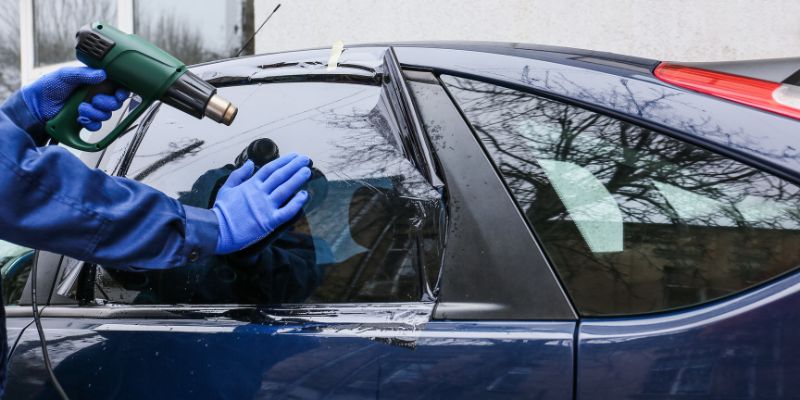
I thought about tinting my windows myself to save money. I watched some YouTube videos, but it looked tough. Here’s what I learned about DIY versus pro tinting:
-
DIY Tinting:
- Pros: Cheap—kits cost $20-$100. I tried it on a small window for practice.
- Cons: Hard to get right. My practice window had bubbles and wrinkles. It’s also easy to pick an illegal tint by mistake.
-
Professional Tinting:
- Pros: Looks perfect and meets legal standards. My SUV’s tint is flawless, and the shop guaranteed it.
- Cons: Costs $150-$500, depending on the car and tint type. It was pricier but worth it for me.
I went pro because I didn’t want to mess up or break the law. If you’re handy and patient, DIY might work for small windows, but pros are best for a full car.
Costs of Window Tinting
Money was a big factor for me. Tinting costs depend on the car, tint type, and shop. Here’s what I found in the U.S.:
- Basic Dye-Based Tint: $100-$200 for a sedan. It’s cheap but fades faster. I avoided this.
- Ceramic Tint: $300-$500 for a sedan. It blocks more heat and lasts longer. I paid $350 for my SUV.
- SUVs or Trucks: $200-$600, since they have more windows. My five-window SUV was on the higher end.
- Windshield Strip: $50-$100. I paid $75 for a legal strip.
- Fixing Illegal Tint: $100-$300 to remove and re-tint. I spent $150 to lighten my front windows.
I got quotes from three shops to find a fair price. Higher-quality tints cost more but save you from redoing them later.
Common Mistakes to Avoid
I made a few slip-ups when I started, so let me save you some trouble:
- Ignoring State Laws: I assumed my Ohio tint was fine everywhere. Check laws before traveling.
- Buying Cheap Tint: I tried a $30 DIY kit, and it peeled in a month. Spend more for quality.
- Not Checking VLT: I didn’t test my tint’s VLT at first and got a ticket. Always confirm it’s legal.
- Skipping Side Mirrors: Some states require mirrors with dark rear tints. I added them to be safe.
- Tinting the Whole Windshield: I saw a friend get fined for this. Stick to the AS-1 line.
Avoiding these kept my tint legal and hassle-free.
Benefits of Legal Window Tint
Getting a legal tint was one of the best things I did for my SUV. It keeps the car cooler, so I use less AC and save gas. My kids don’t squint in the backseat, and my interior looks brand-new. Plus, I feel safer knowing my tint won’t get me pulled over. It’s a win for comfort, style, and peace of mind.
Environmental Impact of Window Tint
Tinting isn’t just about looks—it’s eco-friendly too. By blocking heat, my SUV stays cooler, so I run the AC less. That saves fuel and cuts emissions. High-quality tints last years, reducing waste from replacements. I feel good knowing my tint helps the planet a little while keeping me comfortable.
What to Do If You Get a Tint Ticket
Getting a tint ticket stinks, but it’s fixable. When I got mine, I went to a shop to lighten my front windows. I showed the receipt to the court, and they dropped the fine. Some states let you remove the tint entirely, but I prefer re-tinting to keep the benefits. Act fast—most states give you 10-30 days to fix it. If you’re unsure, call the issuing officer or court for guidance.
Why I Love My Legal Window Tint
Tinting my SUV was a game-changer. It looks sleek, stays cool, and keeps my family comfortable. After figuring out the legal limits, I drive without worrying about tickets. I love knowing my tint is safe, stylish, and eco-friendly. Every trip feels better with that perfect balance of privacy and clarity.
Wrapping It Up
So, what is the legal tint for car windows? It depends on where you live, but it’s all about the VLT percentage and state rules. I went from confused about my SUV’s tint to confident by checking laws, picking quality film, and working with pros. Whether you’re in California with its strict 70% VLT or Ohio with a more relaxed 50%, you can find a legal tint that looks great and keeps you safe. Check your state’s DMV, choose a reputable shop, and enjoy the ride without worry. Your car will thank you, and you’ll love the cool, private vibe. So, grab those tint samples, make a plan, and hit the road in style!
FAQs
What does VLT mean for window tint?
VLT is Visible Light Transmission. It shows how much light passes through your windows. I chose 50% VLT for my SUV’s front windows to meet Ohio’s law.
Is it illegal to tint my windshield?
Most states only allow a small strip at the top, like 5-6 inches. I tinted my SUV’s top 5 inches in Ohio, which is legal.
How much does legal window tinting cost?
It’s $100-$500, depending on the car and tint type. I paid $350 for ceramic tint on my SUV, and it’s held up great.
Can I get a ticket for illegal tint?
Yes, fines are $25-$200, and you might have to remove the tint. I got a $50 fine in Ohio but fixed it to avoid more trouble.
Are there exemptions for darker tints?
Some states allow darker tints for medical reasons, like UV sensitivity. My friend in Florida got an exemption with a doctor’s note.