What Kind of Car is It: Discover Your Perfect Ride Today!
Have you ever spotted a car and instantly wondered, “What kind of car is it?” Maybe it caught your eye with its shape, color, or sound.
Knowing the type of car you’re looking at can tell you a lot about its performance, style, and even status. You’ll discover simple ways to identify different kinds of cars quickly and confidently. By the end, you’ll impress your friends and make smarter choices next time you shop or chat about cars.
Ready to become a car expert? Let’s dive in!
Car Types At A Glance
Cars come in many types. Each has unique features and uses. Knowing the main types helps you choose the right one. Here is a quick look at popular car types.
Sedans And Their Comfort
Sedans are classic passenger cars. They offer a smooth and quiet ride. These cars have four doors and a separate trunk. Ideal for families and daily commuting. They provide good fuel efficiency and comfort.
Suvs For Adventure
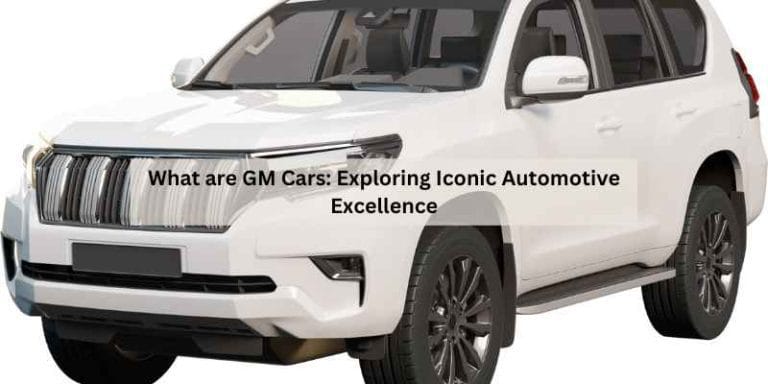
SUVs are larger and stronger than sedans. They handle rough roads and bad weather well. Many SUVs offer all-wheel drive for better traction. Great for outdoor trips and carrying extra gear. They have spacious interiors and higher seating.
Trucks And Their Power
Trucks are built to carry heavy loads. They have a strong engine and large cargo bed. Perfect for work tasks and towing trailers. Trucks often come with four-wheel drive. They combine power with durability for tough jobs.
Electric And Hybrid Options
Electric cars use batteries instead of gas engines. They produce no tailpipe emissions and save fuel costs. Hybrids mix a gas engine with an electric motor. Both types help reduce pollution and fuel use. They offer a quiet and smooth driving experience.
Sports Cars For Speed Lovers
Sports cars focus on speed and performance. They have powerful engines and sleek designs. These cars offer quick acceleration and sharp handling. Usually smaller and less practical for families. Made for drivers who enjoy fast, thrilling rides.
Matching Cars To Lifestyles
Choosing the right car depends on your daily life and needs. Different cars fit different lifestyles. A car that suits a city worker might not work for a family or an off-road lover. Understanding your lifestyle helps pick a car that makes life easier and more fun.
City Commuters’ Favorites
City drivers need cars that are small and easy to park. Fuel efficiency matters to save money. Cars with smooth handling make driving in traffic less stressful. Compact cars and hybrids are popular choices. They fit well in tight spots and reduce fuel costs.
Family-friendly Vehicles
Families require space and safety. Large SUVs and minivans often meet these needs. Roomy seats and storage help carry kids and gear. Safety features like airbags and stability control are important. These cars make family trips comfortable and secure.
Off-road Enthusiasts’ Picks
Off-road lovers look for strong and durable vehicles. Trucks and SUVs with four-wheel drive are common. High ground clearance helps on rough paths. Cars with tough tires and skid plates protect from damage. These vehicles handle dirt, mud, and rocks well.
Budget-friendly Choices
Budget buyers want cars that cost less but last long. Small sedans and hatchbacks often fit this need. Low maintenance and good gas mileage save money. Reliable brands with good resale value are smart picks. These cars offer good value for everyday use.

Key Features To Consider
Choosing the right car means knowing what features matter most. These features affect your daily drive and long-term satisfaction. Focus on key aspects that fit your needs and lifestyle. Here are important features to consider before making a decision.
Fuel Efficiency Matters
Fuel efficiency saves money and reduces trips to the gas station. Cars with good mileage use less fuel per mile. This helps the environment by lowering emissions. Check the miles per gallon (MPG) rating for city and highway driving. Smaller engines or hybrid models often offer better fuel economy.
Safety Technologies
Safety features protect you and your passengers. Look for airbags, anti-lock brakes, and electronic stability control. Advanced systems include lane departure warnings and automatic emergency braking. These can prevent accidents or lessen injury severity. Choose a car with strong crash test ratings for peace of mind.
Performance Specs
Performance affects how the car drives and handles. Consider engine power, torque, and acceleration. A smooth transmission improves driving comfort. Suspension quality impacts ride stability and comfort. Think about the type of driving you do most before deciding on specs.
Tech And Comfort Add-ons
Modern cars offer tech features that make trips easier and more fun. Look for touchscreen displays, Bluetooth connectivity, and USB ports. Comfort features include adjustable seats, climate control, and quiet cabins. These add-ons improve the overall driving experience.
Test Driving Tips
Test driving a car is one of the most important steps before buying. It helps you understand how the car feels and performs. Use these tips to get the most from your test drive. Pay close attention to key details. Your experience will guide your decision.
What To Look For On The Road
Notice how the car responds to different surfaces. Check for unusual noises or vibrations. Watch how smoothly it accelerates and brakes. Test it on hills and curves. This shows the car’s power and control.
Evaluating Handling And Comfort
Feel how easy it is to steer the car. Is it stable when turning? Notice the suspension – does it absorb bumps well? Check the seats for comfort and support. Comfort affects your driving experience, especially on long trips.
Assessing Visibility And Controls
Look around to see if you have clear views in all directions. Check blind spots carefully. Test all controls like lights, wipers, and indicators. Make sure they are easy to reach and use. Good visibility and controls increase safety and ease.
Buying New Vs. Used
Choosing between a new or used car can feel tricky. Both options have clear benefits and some downsides. Understanding these helps you make the best choice for your needs and budget.
Pros And Cons Of New Cars
New cars come with the latest features and technology. They have full warranties and require less maintenance initially. Buying new means you get a car with no previous owners. The downside is the higher price and fast depreciation. New cars lose value quickly in the first few years. Insurance costs can also be higher for new vehicles.
Advantages Of Used Vehicles
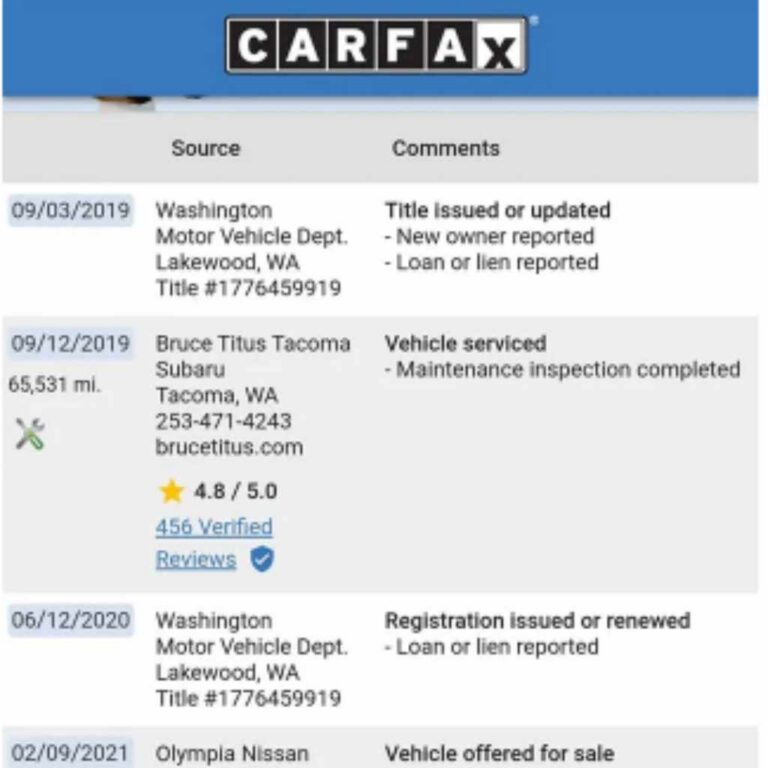
Used cars cost less upfront and often have slower depreciation. You can find good models that are only a few years old. This saves money on insurance and registration fees. Some used cars may need more repairs or lack the newest features. Checking the vehicle history is important to avoid hidden problems.
Certified Pre-owned Benefits
Certified Pre-Owned (CPO) cars offer a middle ground. They are used cars inspected by the dealer or manufacturer. CPO vehicles come with a warranty and often include roadside assistance. Buyers get a car in good condition with some new car benefits. Prices are higher than regular used cars but lower than new ones.

Frequently Asked Questions
What Are The Main Types Of Cars Available?
Cars mainly include sedans, SUVs, hatchbacks, coupes, and convertibles. Each type offers different features, sizes, and uses. Sedans are popular for comfort and efficiency. SUVs provide more space and off-road capability. Hatchbacks are compact and practical. Coupes focus on style, while convertibles offer open-air driving.
How To Identify A Car’s Make And Model?
Look for badges on the front, rear, or sides of the car. The make is the manufacturer’s name, like Toyota or Ford. The model is the specific car type, such as Camry or Mustang. Check the vehicle registration or manual for exact details.
What Factors Determine A Car’s Classification?
Car classification depends on size, body style, engine type, and purpose. Common classes include compact, mid-size, full-size, and luxury. Performance features and fuel type also affect classification. Understanding these helps buyers choose the right car for their needs.
Why Is Knowing The Car Type Important?
Knowing the car type helps in making informed buying decisions. It affects insurance rates, maintenance costs, and fuel efficiency. It also guides you to select a car that fits your lifestyle and driving needs. Proper identification ensures safety and satisfaction.
Conclusion
Choosing the right car depends on your needs and style. Think about what matters most: size, fuel, or comfort. Every car offers something different. Take time to compare features and prices. Test drives help you feel the car better. Remember, the best car fits your life well.
Keep your budget in mind while deciding. Simple steps lead to smart choices. Drive safe and enjoy your journey!