Does Vinyl Wrap Ruin Car Paint? Truth Revealed Here
It’s totally understandable to feel that way. Your car’s paint is a big part of its appeal and value. The idea of damaging it, even for a temporary change, can be a real deal-breaker.
We’re going to break down exactly what happens when you wrap a car and how it interacts with the paint underneath.
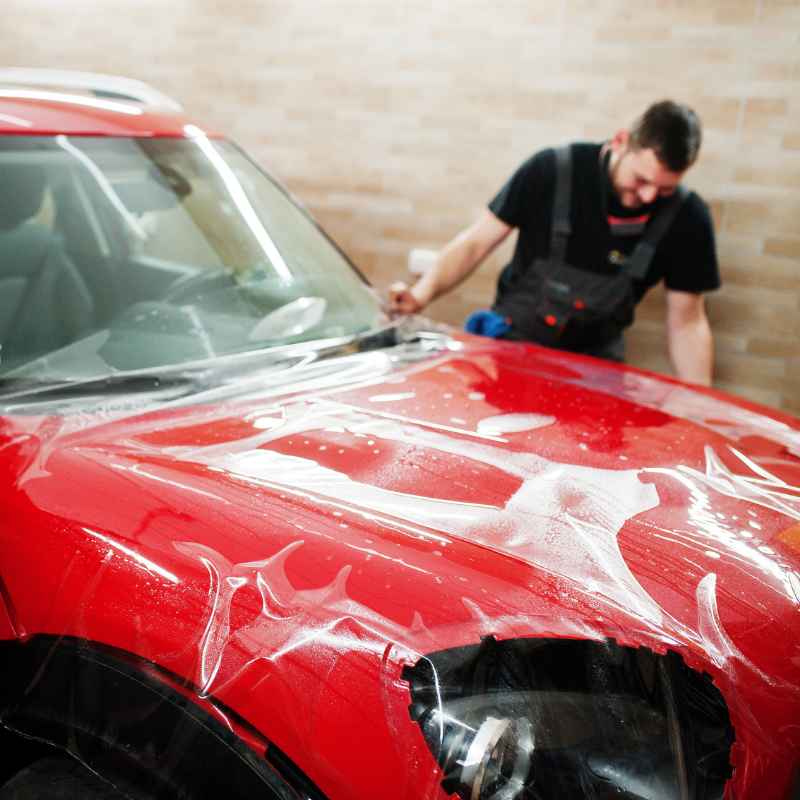
The honest answer is: vinyl wrap can damage car paint, but it usually doesn’t if done correctly and removed carefully. Factors like paint condition, wrap quality, application, and removal process all play a huge role in the outcome.
Understanding Vinyl Wrap and Car Paint
Let’s start with the basics. What exactly is vinyl wrap? Think of it like a large, high-tech sticker.
It’s a flexible vinyl material with an adhesive backing. It’s designed to stick onto the exterior surfaces of your car.
The purpose is usually aesthetic. People use it to change their car’s color, add custom graphics, or give it a matte, satin, or even chrome finish. It’s a popular alternative to traditional paint jobs because it’s often less expensive and reversible — see our related guide, What Does the Color of Your Car Say About You?.
Now, how does this affect your car’s original paint? The adhesive is the key player here. It’s what allows the vinyl to stick.
When the wrap is applied, the adhesive creates a bond with the paint surface.
The goal is for this bond to be strong enough to hold the wrap in place, even with weather, dirt, and normal wear and tear. But it shouldn’t be so strong that it pulls paint off when you want to remove it.
This is where the nuance comes in. It’s not a simple yes or no answer. Many things can influence whether that bond becomes a problem.
My Own Vinyl Wrap Journey: A Little Scare
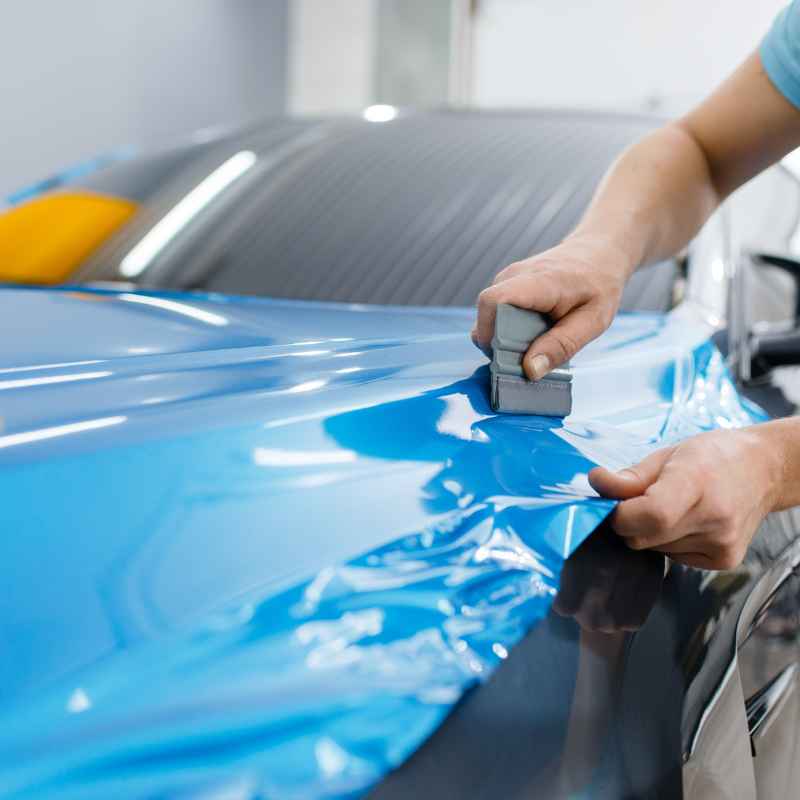
I remember when I first wrapped my old sedan. It was a bright metallic blue, and I was thrilled. I’d done tons of research, or so I thought.
I picked a reputable shop. The application looked flawless. For about two years, my car looked amazing, way better than its original fading red paint.
Then, the itch to change things up again hit. I decided to go back to the original paint. I went back to the same shop.
They started peeling the wrap off. As they worked, I saw a few small spots where the paint looked… different. It was slightly duller in those areas.
My stomach dropped. I thought, “This is it. It’s ruined.”
The installer assured me it was probably just some adhesive residue and maybe a slight fading from sun exposure underneath the wrap, which is normal. He spent extra time cleaning and polishing the paint. Honestly, after they were done, you could barely tell anything had happened.
But that moment of panic stuck with me. It taught me that the removal is just as critical as the application.
Factors Affecting Paint Damage
It’s not just about the vinyl itself. A lot of things contribute to the final outcome. Let’s break them down:
1. The Condition of Your Car’s Original Paint
This is perhaps the MOST important factor. If your car’s paint is already damaged, old, or has been repainted poorly, wrapping it is riskier.
- Original Factory Paint: This is generally the strongest. It’s applied in controlled conditions and is very durable. Wrapping a car with good, original factory paint is usually safe.
- Repainted Surfaces: If your car has been repainted (perhaps after an accident), the quality of that repaint matters. Poorly prepped surfaces or incompatible paint types can lead to the wrap’s adhesive pulling off the new paint.
- Faded or Oxidized Paint: Paint that is old, chalky, or oxidizing has lost some of its integrity. The adhesive might bond too strongly to these weakened outer layers, causing them to peel away with the wrap.
- Peeling Clear Coat: If your clear coat is already starting to flake or bubble, the wrap will absolutely pull it off when removed.
Think of it like putting tape on old, peeling wallpaper. The tape might come off cleanly, but it will also take pieces of the wallpaper with it.
2. Quality of the Vinyl Wrap Material
Not all vinyl is created equal. There’s a huge difference between cheap, off-brand wraps and premium automotive-grade vinyl.
- Premium Vinyls: These are made with higher quality adhesives. They are designed to be conformable and durable. More importantly, they are engineered for cleaner removal, often leaving little to no residue. Brands like 3M, Avery Dennison, and KPMF are known for this.
- Economy Wraps: Cheaper vinyls can have aggressive or brittle adhesives. They might be harder to install smoothly. When it’s time for removal, these adhesives are more likely to harden, break down, or stick too tenaciously to the paint.
You get what you pay for. Investing in a good quality wrap material is an investment in protecting your paint.
3. The Application Process
How the wrap is installed is critical. This is where professional experience shines.
- Proper Surface Prep: Before any wrap goes on, the car must be meticulously cleaned and decontaminated. Any dirt, wax, or oils can interfere with the adhesive.
- Heat and Tension: Wraps need to be heated and stretched to conform to the car’s curves. If this is done incorrectly, it can stress the vinyl. This stress can sometimes transfer to the paint or create weak spots.
- Sharp Edges and Creases: Professional installers know how to wrap edges cleanly and avoid trapping air bubbles. Improperly wrapped edges can lift, allowing moisture and dirt underneath, which can degrade both the wrap and the paint over time.
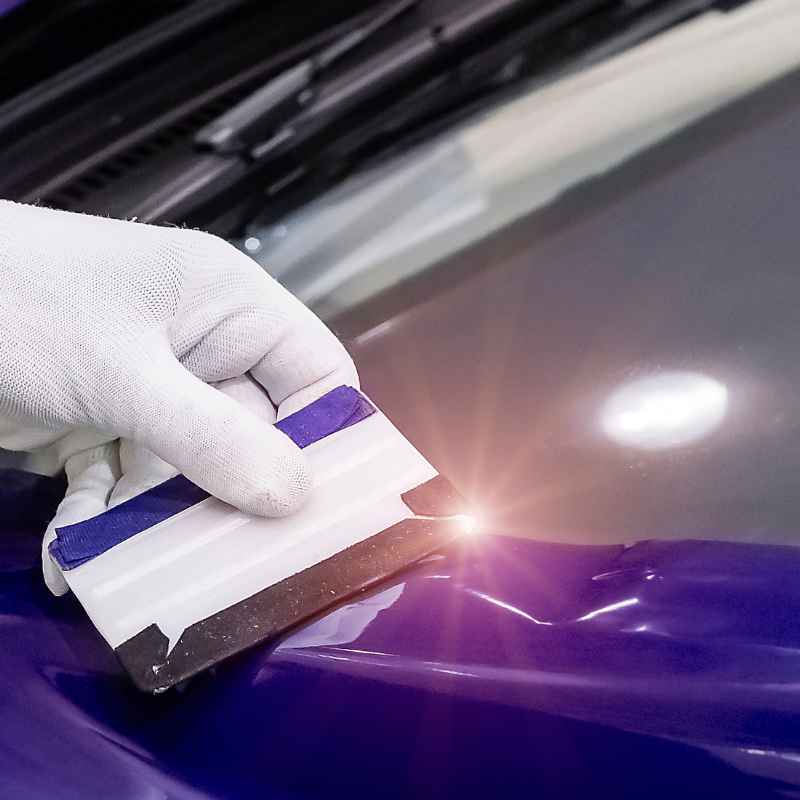
- Using the Right Tools: Specific squeegees, heat guns, and cutting tools are used. Using the wrong tool or technique can scratch paint or apply too much pressure.
A skilled installer understands the properties of both the vinyl and the paint. They know how to achieve a smooth, long-lasting finish without compromising the car’s surface.
4. The Time It’s Left On
While vinyl wraps are designed to be long-lasting, leaving them on indefinitely can increase the risk of issues.
- UV Degradation: Over several years, prolonged sun exposure can cause the vinyl to degrade. The adhesive might become brittle or bond more permanently to the paint.
- Environmental Exposure: Constant exposure to dirt, bird droppings, sap, and harsh car washes can wear down the protective top layer of the vinyl. This can make the adhesive more vulnerable to the elements.
Most reputable wrap manufacturers suggest a lifespan of 5-10 years for premium wraps, depending on care and climate. Exceeding this significantly can increase the chances of a problematic removal.
5. The Removal Process
This is where many problems occur, especially if the wrap has been on for a long time or was applied by someone less experienced. Heat is crucial here.
- Gentle Heating: The wrap needs to be gently heated to soften the adhesive. This makes it more pliable and easier to peel away cleanly.
- Slow and Steady: Rushing the removal is a common mistake. Pulling too fast or at the wrong angle can cause the adhesive to tear the paint.
- Proper Tools: Like installation, removal requires specific tools, like plastic razor blades for stubborn spots, and good lighting.
- Adhesive Removers: Sometimes, specific, paint-safe adhesive removers are needed. Using harsh chemicals can damage paint.
If the wrap was installed poorly, or if the paint underneath is weak, removing it can be a delicate operation. A professional installer will know how to navigate these challenges.
Vinyl Wrap vs. Traditional Paint: A Quick Look
Vinyl Wrap:
- Pros: Reversible, wide range of colors/finishes, protects original paint, often cheaper than custom paint.
- Cons: Can be damaged by scratches/dings, lifespan is limited, removal needs care, not all wraps are equal.
Traditional Paint:
- Pros: More permanent, generally more durable against minor scratches, can be touched up.
- Cons: Expensive for custom work, irreversible, repainting can decrease value if not done perfectly.
When Can Vinyl Wrap Damage Car Paint?
So, we’ve touched on what makes it risky. Let’s be direct about the situations where damage is more likely:
1. Poor Quality Paint
We covered this, but it’s worth repeating. If your car’s paint is already failing – think clear coat peeling like a sunburn, or paint chipping off – the wrap’s adhesive will likely pull it away. It’s like trying to stick a band-aid onto blistered skin; it just won’t end well.
2. Previous Poor Repaints
Cars that have been involved in accidents and then repainted by less-than-ideal body shops are prime candidates for problems. Sometimes, the new paint doesn’t adhere well to the old primer or metal. When you apply the pressure and adhesive of a vinyl wrap, and then try to remove it, that weak bond can snap.
3. Aggressive or Old Adhesives
Some vinyl wraps, especially older ones or very cheap ones, use adhesives that harden over time or are just too strong. When you try to peel these off, they can behave like super glue, taking chunks of your car’s paint with them.
4. Improper Installation & Removal
This is a big one. An installer who rushes the job, doesn’t use enough heat, or pulls too hard during removal can cause damage. Similarly, if you try to remove it yourself without the right knowledge or tools, you risk scratching or pulling paint.
5. Extreme Environmental Exposure
While wraps protect against minor things, leaving a car in extremely harsh sunlight for many years without proper care can degrade both the wrap and the underlying paint. Think of regions with brutal UV rays year-round. The wrap might become brittle, and the paint underneath could be more susceptible to the adhesive bonding too strongly.
6. Tricky Surfaces
Some areas of a car are inherently trickier to wrap and unwrap. These include emblems, trim pieces, and deep panel lines. If these areas are handled carelessly during application or removal, the paint can be nicked or pulled.
Common Paint Issues That Cause Wrap Problems
Issue: Clear Coat Peeling (like sunburn)
Why it’s a problem: The clear coat is the outer protective layer. If it’s failing, it offers a weak surface for the adhesive. Removal will lift the peeling clear coat.
Issue: Chipped Paint
Why it’s a problem: Areas where paint is already missing or loose will be exacerbated by the wrap’s adhesive and removal process.
Issue: Improperly Adhered Repaint
Why it’s a problem: If the new paint doesn’t stick well to the original surface, the wrap can act like a decal that pulls the entire layer off.
The Good News: When Vinyl Wrap is Safe
Now, let’s flip the script. For most people, vinyl wrap is a perfectly safe and effective way to change their car’s look. Here’s why:
1. Factory-Quality Paint is Robust
Modern car manufacturers spend a lot on paint technology. The factory finish on your car is designed to withstand a lot. It’s cured properly and applied uniformly.
This kind of paint provides an excellent surface for vinyl wrap.
When a high-quality wrap is applied to a car with good factory paint by a skilled professional, the adhesive bonds to the paint’s surface without compromising its integrity. The removal process, using controlled heat, allows the adhesive to release cleanly.
2. Premium Vinyl and Adhesives
As mentioned, the quality of the vinyl matters immensely. Top-tier brands use advanced adhesives. These are formulated to have a strong initial tack for adhesion but also to become less aggressive over time, making them easier to remove without residue or damage.
These premium vinyls are also more conformable, meaning they stretch and mold to the car’s shape without undue stress. This smooth, even application is less likely to create pressure points that could affect the paint.
3. Professional Application and Removal
This cannot be stressed enough. A good wrap shop is worth its weight in gold. They have the experience and tools to:
- Thoroughly clean and prep the surface.
- Apply the vinyl with the correct tension and heat.
- Carefully trim edges without cutting into paint.
- Use controlled heat and techniques for a clean removal.
- Clean up any minor adhesive residue left behind.
They understand the chemical properties of the adhesive and how heat affects it. They also know how to spot potential issues with your paint before they even start wrapping.
4. It Acts as a Protective Layer
This is a huge benefit many people overlook. The vinyl wrap actually acts as a shield for your original paint. It protects against:
- Minor Scratches: The wrap can absorb light scratches that might otherwise damage your paint.
- Rock Chips: On highways, small stones can chip paint. The wrap can prevent many of these.
- UV Rays: It blocks a significant amount of UV radiation, preventing fading and oxidation of the paint underneath.
- Environmental Contaminants: Bird droppings, tree sap, and road grime are harsh. The wrap takes the brunt of it.
When the wrap is eventually removed (after years, ideally), your original paint underneath can look as good as the day you applied the wrap, sometimes even better because it was protected.
Benefits of Using Vinyl Wrap
Aesthetic Variety: Access to colors, finishes (matte, satin, gloss, chrome, carbon fiber) not easily achievable with paint.
Cost-Effective: Often less expensive than a high-quality custom paint job.
Protection: Shields original paint from UV rays, minor scratches, and environmental damage.
Reversibility: Allows you to change your mind or return to the original color/finish.
Quick Transformation: Can change the look of a car relatively quickly.
What to Look For Before Wrapping
Before you commit to a vinyl wrap, it’s wise to do a quick assessment of your car’s paint. This is your due diligence.
1. Inspect the Paint Closely
In good lighting, walk around your car. Look for:
- Any areas where the clear coat is peeling or bubbling.
- Significant paint chips or deep scratches.
- Areas that look like they were repainted and the finish is uneven or has orange peel texture.
- Any signs of rust.
If you see any of these, you need to address them before wrapping. A professional installer will likely point these out and may refuse to wrap those areas or recommend paint repair first.
2. Ask About the Vinyl and Adhesive
Don’t be afraid to ask the installer about the brands they use. Reputable shops will use well-known, quality brands. Ask them about the adhesive type and its removability.
They should be able to explain how it’s designed to come off cleanly.
3. Get References and See Examples
A good shop will have a portfolio of their work. Look for examples of cars they’ve wrapped and, crucially, cars they’ve unwrapped. Seeing a car returned to its original paint after a wrap is the best testimony.
4. Understand the Warranty and Process
What kind of warranty do they offer on the wrap? More importantly, what is their process for removal? Do they offer paint correction services if there’s minor residue?
Knowing this upfront sets expectations.
Pre-Wrap Paint Health Check
Checklist Item: Clear Coat Integrity
Action: Inspect for peeling, bubbling, or haziness. If found, repair needed before wrapping.
Checklist Item: Paint Finish Quality
Action: Look for signs of poor repainting (orange peel, runs). Discuss with installer.
Checklist Item: Surface Imperfections
Action: Note any chips, deep scratches, or rust. These need addressing first.
My Personal Rule of Thumb
Based on my experience and what I’ve learned, my personal rule of thumb is this: If the car has good, original factory paint, or has been professionally repainted with high-quality materials and techniques, then vinyl wrap is generally safe and a great option. If the paint is old, failing, or was repainted poorly, then you are definitely taking a risk.
It’s always about managing risk. The vast majority of people wrap their cars without any paint issues. The horror stories you hear are often linked to one or more of the factors we’ve discussed.
What This Means For You
So, what’s the takeaway here? It’s not as simple as saying “yes” or “no.” It’s a nuanced situation.
When Wrapping is Likely Safe:
- Your car has its original factory paint in good condition.
- The car has been professionally repainted with high-quality materials.
- You are using a premium, reputable vinyl wrap brand.
- You are working with a skilled and experienced wrap installer.
- You plan to remove the wrap within its recommended lifespan (typically 5-10 years).
- The removal process is done carefully with proper heating techniques.
When Wrapping Might Be Risky:
- Your car’s paint is old, faded, or the clear coat is peeling.
- The car has been repainted, and the quality of that repaint is questionable.
- You are using a very cheap, low-quality vinyl wrap.
- The installer is inexperienced or uses improper techniques.
- The wrap is left on for an excessive amount of time (e.g., 15+ years).
- You attempt removal without proper knowledge or tools.
Ultimately, the decision rests on understanding the condition of your current paint and choosing reputable professionals and materials. If you do your homework, the chances of a negative outcome are very low.
Vinyl Wrap: Normal vs. Concerning Signs
Normal Finding: Slight adhesive residue after removal.
What to do: Usually cleans off with a dedicated automotive adhesive remover or clay bar. A good installer handles this.
Concerning Sign: Paint lifting or peeling off with the wrap.
What to do: This indicates a pre-existing paint issue. Stop removal and consult a paint specialist. The wrap likely revealed an underlying problem.
Normal Finding: A slight dulling in a spot if the wrap was damaged for a long time.
What to do: Often fixable with paint polishing. This is usually minor and not “ruined” paint.
Concerning Sign: Deep gouges or scratches in the paint from removal tools.
What to do: This is installer error. May require professional paint repair.
Quick Tips for a Safe Wrap Experience
If you’re moving forward with a wrap, here are some simple tips to help ensure a positive outcome:
- Choose Your Installer Wisely: Look for shops with excellent reviews, a solid portfolio, and experienced technicians. Ask for references and check their social media for before/after shots, especially of removals.
- Invest in Quality Vinyl: Don’t cut corners on the wrap material. Premium brands offer better durability, conformability, and, most importantly, cleaner removal.
- Be Honest About Your Paint’s History: If your car has been repainted, tell your installer. If you know it had bodywork, mention it. Transparency helps them assess risks.
- Inspect Your Car First: Do the paint inspection we talked about. Get any major issues fixed before the wrap goes on.
- Follow Care Instructions: Proper care (gentle washing, avoiding harsh chemicals, parking out of direct sun when possible) will extend the life of the wrap and make removal easier.
- Plan for Removal: Think about removal from the start. When the time comes, either go back to the same professional installer or hire someone experienced in wrap removal.
- Don’t Rush Removal: If you decide to DIY the removal, watch plenty of tutorials, use a heat gun gently, and pull slowly at a sharp angle. If it feels like it’s resisting too much, stop and reassess.
Frequently Asked Questions
Can vinyl wrap hide existing paint imperfections?
Vinyl wrap can hide very minor imperfections like swirl marks or very light scratches. However, it will not hide deeper scratches, rock chips, dents, or peeling clear coat. In fact, it might make them more noticeable or cause issues during removal if the underlying paint is weak.
How long does a vinyl wrap typically last?
A high-quality vinyl wrap from a reputable brand, when properly cared for, can last anywhere from 5 to 10 years. Factors like climate, sun exposure, and washing frequency can affect this lifespan.
Is it harder to wash a car with a vinyl wrap?
No, washing a wrapped car is usually quite simple. Hand washing with a mild soap and water is best. Automatic car washes can be used, but it’s advisable to avoid brushes that could potentially snag the wrap edges.
Pressure washers should be used with caution and from a distance.
What happens if I leave a vinyl wrap on too long?
Leaving a wrap on for an extended period (well beyond its recommended lifespan, often over 10-12 years) increases the risk of the adhesive hardening or bonding too strongly to the paint. This can make removal more difficult and potentially lead to paint damage if not handled with extreme care and heat.
Can vinyl wrap cause paint fading?
Vinyl wrap itself protects your paint from UV fading. However, if the wrap is removed unevenly or after a very long time, you might notice a slight difference in hue between the wrapped areas and any uncovered areas (like door jambs). This is usually minor and often due to the wrap having shielded the paint from sunlight.
Is it better to wrap or paint my car for a color change?
It depends on your goals. Wrapping is generally cheaper, reversible, and faster. It also protects your original paint.
Painting is more permanent and can offer a deeper gloss. For a temporary change or to protect original paint, wrapping is often better. For a completely custom, permanent finish and potentially higher resale value (if done perfectly), painting might be the choice.
The Final Word on Vinyl Wrap and Car Paint
So, does vinyl wrap ruin car paint? The short answer is: it doesn’t have to. When applied correctly to a healthy paint surface using quality materials and removed with care, vinyl wrap is a fantastic way to customize your vehicle and protect its original finish.
The key is to approach it with knowledge and realistic expectations. Understand your car’s paint condition, choose your professionals wisely, and invest in good materials. Do that, and you can enjoy a stunning new look for years to come, with your original paint safe and sound underneath.
Products related to this article
Sponsored / affiliate links. As an Amazon Associate I earn from qualifying purchases. I may earn additional commission from eligible campaigns.