When to Go to a Forward-Facing Car Seat: A Comprehensive Guide
Hey there! If you’re wondering when to switch your child to a forward-facing car seat, you’re in the right place. As a parent, I’ve been through this myself, and let me tell you, it’s a big decision! When my little one was growing up, I spent hours researching car seats to make sure I was keeping them safe.
The question of when to go forward-facing can feel overwhelming, especially with all the guidelines and opinions out there. But don’t worry—I’m here to share everything I’ve learned from my own experience, conversations with pediatricians, and digging into safety standards. In this guide, I’ll walk you through when to make the switch, why it matters, and how to do it safely. Let’s dive in and make this as clear as possible!
Why Car Seat Safety Matters So Much
When I first became a parent, I didn’t realize how critical car seats are. Car accidents are a leading cause of injury for kids, and a properly used car seat can make all the difference. I remember feeling a bit paranoid every time I buckled my child in, wondering if I was doing it right. The truth is, car seats reduce the risk of injury by up to 71% for infants and 54% for toddlers. That’s huge!
The decision to move to a forward-facing car seat is a big one because it affects how safe your child is in the car. Keeping them in the right car seat for their age, weight, and height is key. I learned this the hard way when I almost switched my kid too early, thinking they were “big enough.” Spoiler alert: it’s not just about size. Let’s break it down.
Rear-Facing vs. Forward-Facing: What’s the Difference?
When I started looking into car seats, I was confused about why rear-facing was such a big deal. Here’s what I found out. Rear-facing car seats cradle your child’s head, neck, and spine in a crash. They spread the force of the impact across the whole body, which is super important for little ones whose bones are still developing.
Forward-facing car seats, on the other hand, use a harness to hold your child in place. They’re great for older kids, but in a crash, the force is more focused on the shoulders and chest. That’s why experts say to keep kids rear-facing as long as possible—it’s safer for their fragile bodies. I stuck with rear-facing for my child until they hit the maximum weight limit for their seat, and I’m glad I did.
When Should You Switch to a Forward-Facing Car Seat?
This is the million-dollar question! When I was figuring this out, I learned that the American Academy of Pediatrics (AAP) has clear guidelines. They recommend keeping kids rear-facing until they reach the maximum weight or height limit of their rear-facing car seat. For most kids, this is around age 2 or older.
Here’s what I go by:
- Weight and Height Limits: Check your car seat’s manual. Most rear-facing seats go up to 40-50 pounds or 40-43 inches. My child’s seat had a 40-pound limit, so we waited until they hit that mark.
- Age: The AAP says at least 2 years old, but older is better. I kept my kid rear-facing until they were almost 3 because they were still comfortable and within the seat’s limits.
- Development: Kids need strong neck and trunk muscles to handle forward-facing. I noticed my child was sitting up confidently and had good head control before we switched.
Every child is different, so don’t rush it. I talked to my pediatrician to make sure I was making the right call, and I suggest you do the same.
Why Wait as Long as Possible to Go Forward-Facing?
I’ll be honest—when my child started complaining about their legs being cramped in the rear-facing seat, I was tempted to switch early. But then I learned why waiting is so important. Rear-facing is up to five times safer for young kids in a crash. Their heads are heavy compared to their bodies, and their spines aren’t fully developed. Rear-facing seats protect them better by supporting their whole body.
I also found out that kids’ legs are more flexible than we think. My kid would cross their legs or bend them, and they were fine. The risk of leg injuries in rear-facing seats is super low compared to the risk of head or neck injuries in forward-facing seats. That convinced me to stick with rear-facing longer.

Types of Car Seats and When to Use Them
When I was shopping for car seats, I was overwhelmed by the options. Here’s a quick rundown of the types and when to use them:
- Rear-Facing Only (Infant Seats): These are for newborns up to about 1 year or 20-35 pounds. I used one for my baby until they outgrew the weight limit.
- Convertible Car Seats: These can switch from rear-facing to forward-facing. I got one of these for my toddler, and it lasted years.
- All-in-One Seats: These go from rear-facing to forward-facing to booster. They’re pricier but super versatile.
- Forward-Facing with Harness: These are for kids who’ve outgrown rear-facing but aren’t ready for a booster, usually 2-5 years old.
- Booster Seats: For older kids (around 4-8 years) who are too big for a harness but not ready for just a seat belt.
Here’s a table to make it clearer:
| Car Seat Type | Age Range | Weight/Height Range | Rear or Forward-Facing? |
|---|---|---|---|
| Rear-Facing Only | 0-1 year | Up to 20-35 lbs | Rear-Facing |
| Convertible | 0-5 years | Up to 40-50 lbs (rear-facing) | Both |
| All-in-One | 0-8+ years | Up to 40-50 lbs (rear-facing) | Both, then Booster |
| Forward-Facing with Harness | 2-5 years | 22-65 lbs | Forward-Facing |
| Booster | 4-8 years | 40-100 lbs | Forward-Facing |
I stuck with a convertible seat because it gave me flexibility to keep my child rear-facing longer and then switch to forward-facing when they were ready.
How to Know If Your Child Is Ready for Forward-Facing
Deciding when to switch was nerve-wracking for me. I didn’t want to move too soon, but I also didn’t want my kid to be uncomfortable. Here’s how I figured it out:
- Check the Limits: Look at your car seat’s weight and height limits for rear-facing. My seat had a sticker on the side with all the info.
- Watch Their Growth: I measured my child’s height and weight regularly. When they got close to the rear-facing limits, I started planning the switch.
- Comfort and Behavior: If your child seems cramped or fussy, check if they’re still within the seat’s limits. My kid was fine with bent legs, but I made sure they had enough room to be comfy.
- Talk to Experts: I asked my pediatrician and a car seat technician at a local safety event. They gave me great advice on timing.
If you’re unsure, err on the side of caution and keep them rear-facing. I found that waiting a little longer gave me peace of mind.
How to Safely Transition to a Forward-Facing Car Seat
When I finally decided to switch my child to forward-facing, I wanted to make sure I did it right. Here’s what I learned:
Choose the Right Car Seat
Make sure your forward-facing seat has a five-point harness. I picked a convertible seat that could stay forward-facing until my child was ready for a booster. Check the weight and height limits—most go up to 65 pounds or 49 inches.
Install It Correctly
This was the part that stressed me out the most! A poorly installed car seat isn’t safe. I used the LATCH system in my car, but you can also use the seat belt. Follow the car seat manual and your car’s manual step-by-step. I double-checked that the seat didn’t move more than an inch side-to-side when I tugged it.
Adjust the Harness
The harness should be snug, with no slack. I made sure the straps were at or above my child’s shoulders for forward-facing. The chest clip should be at armpit level. I always do the “pinch test”—if I can pinch the strap, it’s too loose.
Use the Tether
Most forward-facing seats have a top tether that anchors to your car. This was a game-changer for me—it keeps the seat from tipping forward in a crash. My car had a tether anchor behind the seat, and I made sure it was tight.
Test the Setup
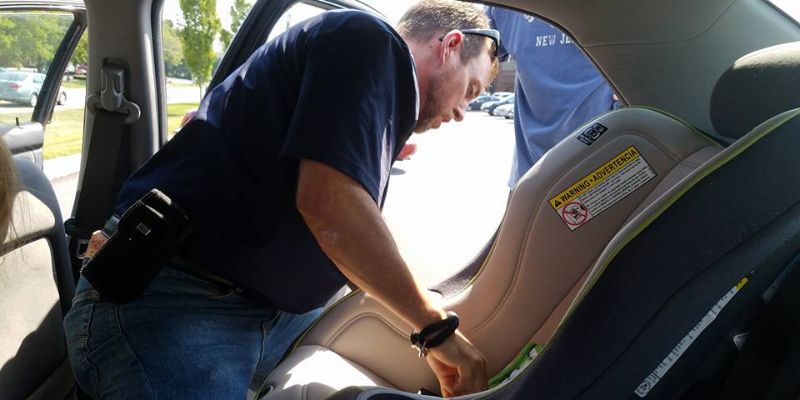
Before driving, I put my child in the seat and checked everything. I even had a certified car seat technician at a local fire station look it over. They caught a small mistake I made with the tether, and I was so grateful!
Common Mistakes to Avoid When Switching
I made a few mistakes when I first switched to forward-facing, so let me save you some trouble:
- Switching Too Early: I almost moved my kid at 1 because they seemed “big.” Thank goodness I waited—2 or older is much safer.
- Loose Installation: My first install was wobbly. I had to re-read the manual and tighten everything properly.
- Wrong Harness Position: The straps need to be at or above the shoulders for forward-facing. I had them too low at first.
- Skipping the Tether: I didn’t realize how important the top tether was until a technician pointed it out. Don’t skip it!
Where to Get Help with Car Seat Installation
If you’re like me, you might feel overwhelmed installing a forward-facing seat. I found some great resources:
- Car Seat Technicians: Many fire stations or hospitals offer free car seat checks. I went to one, and it was so helpful.
- Online Videos: The car seat manufacturer’s website often has installation videos. I watched one for my seat to get it right.
- Local Safety Events: My town hosts car seat safety days where technicians check your setup. Look for these in your area.
Car Seat Laws in the USA
Car seat laws vary by state, which surprised me when I moved to a new state. In most states, kids must be in a car seat until at least age 4 or 40 pounds, but some require rear-facing until age 2. I checked my state’s laws online to make sure I was compliant. For example, California requires rear-facing until age 2 unless the child is over 40 pounds or 40 inches.
Always check your state’s rules, but following the AAP’s guidelines (rear-facing until the seat’s limits) is usually stricter and safer.
How to Keep Your Child Comfortable in a Forward-Facing Seat
Once I switched my child to forward-facing, I wanted to make sure they were happy. Here’s what worked:
- Padding and Support: Some seats come with extra padding. I added a seat protector to keep things comfy.
- Entertainment: I keep a few toys or a tablet holder for long drives. It keeps my kid from getting fussy.
- Adjust the Angle: Forward-facing seats often have a recline option. I adjusted it slightly for comfort without compromising safety.
The Next Step: When to Move to a Booster Seat
After forward-facing, the next step is a booster seat. I started thinking about this when my child hit 4 years old and 40 pounds. Boosters are for kids who’ve outgrown the forward-facing harness but aren’t ready for a seat belt alone. Most experts say to wait until at least 4-5 years old and 40-50 pounds. I’m still using a forward-facing seat, but I’m keeping an eye on my kid’s growth for the next transition.
The Importance of Regular Car Seat Checks
Even after switching to forward-facing, I check my car seat regularly. Kids grow fast, and seats can loosen over time. I make sure the harness fits snugly and the seat is secure. I also replace the seat if it’s been in a crash, even a minor one. My local fire station offers free checks every few months, so I stop by to make sure everything’s good.
Why I Love Convertible Car Seats
I can’t say enough about convertible car seats. They’ve been a lifesaver for me. They’re pricier upfront, but they grow with your child from rear-facing to forward-facing (and sometimes to booster). I didn’t have to buy multiple seats, which saved me money and hassle. Plus, they’re built to last, so I feel confident in their safety.
Conclusion
Figuring out when to switch to a forward-facing car seat was a big moment for me as a parent. It’s not just about following rules—it’s about keeping your child as safe as possible. By waiting until my kid hit the rear-facing seat’s limits, choosing the right forward-facing seat, and installing it correctly, I felt so much better about our car rides. I hope this guide has given you the confidence to make the switch at the right time for your child. It’s a journey, but with a little research and care, you’ll keep your little one safe and happy on the road. Here’s to safe travels and peace of mind!
FAQs
When should I switch my child to a forward-facing car seat?
Switch when your child reaches the maximum weight or height limit of their rear-facing seat, usually around 2 years or older. Check the seat’s manual for specifics.
Is it safe to switch to forward-facing before age 2?
It’s not recommended. Rear-facing is safer for kids under 2 because it better protects their head, neck, and spine in a crash.
How do I know if my car seat is installed correctly?
The seat shouldn’t move more than an inch side-to-side. Use the LATCH system or seat belt, and check the manual. A car seat technician can help, too.
Can my child’s legs be bent in a rear-facing seat?
Yes, kids are flexible! Bent or crossed legs are fine and don’t mean they need to switch to forward-facing.
What’s the difference between a convertible and an all-in-one car seat?
Convertible seats go from rear-facing to forward-facing. All-in-one seats do that plus convert to a booster, lasting longer as your child grows.
Do I need to use the top tether for a forward-facing seat?
Yes! The top tether keeps the seat from tipping forward in a crash. Always use it for forward-facing seats.
When should I move from a forward-facing seat to a booster?
Wait until your child outgrows the forward-facing harness, usually around 4-5 years and 40-50 pounds. Check the seat’s limits.
Where can I get help with car seat installation?
Visit a local fire station, hospital, or car seat safety event. Many offer free checks by certified technicians.