When Were Automatic Cars Made: Essential History
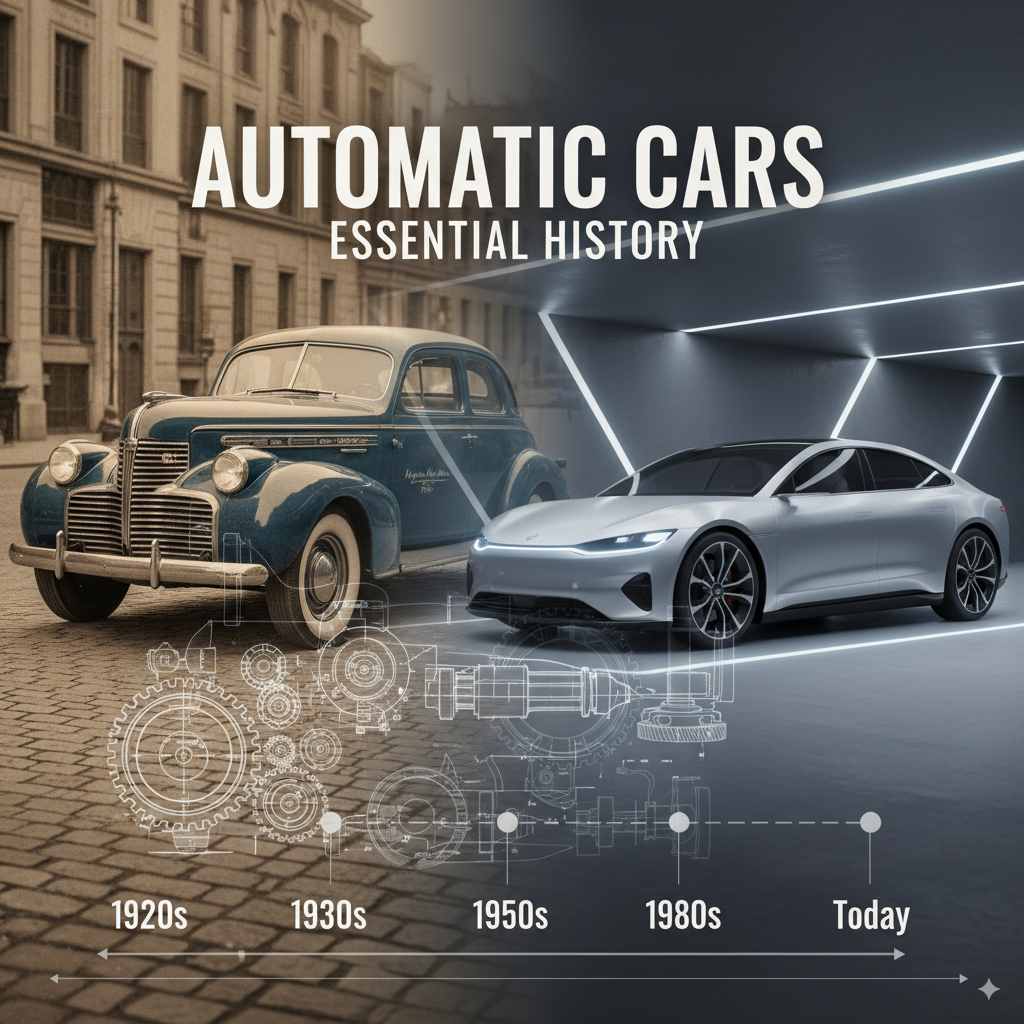
Automatic cars weren’t invented overnight! The journey to cars that shift gears for you began in the early 20th century with several key innovations. Early prototypes and gradual improvements led to the first commercially successful automatic transmissions becoming available in the late 1930s and truly taking off by the 1950s.
Ever wondered about that magic in your car that shifts gears without you touching a clutch? It’s easy to take automatic transmissions for granted these days, with nearly every new car offering one. But this technology didn’t just appear out of nowhere! For many drivers, understanding a bit of automotive history can be fascinating, especially when it relates to something so central to our driving experience. If you’ve ever paused at a red light and thought, “How does this car even know when to change gears?” you’re not alone. This article will take you on a journey through time to explore when automatic cars were actually made, from their earliest whispers of invention to the smooth, effortless rides we enjoy today. Let’s dive into the essential history and discover the brilliant minds and milestones that made getting rid of the clutch pedal a reality!
Early Attempts and Innovations
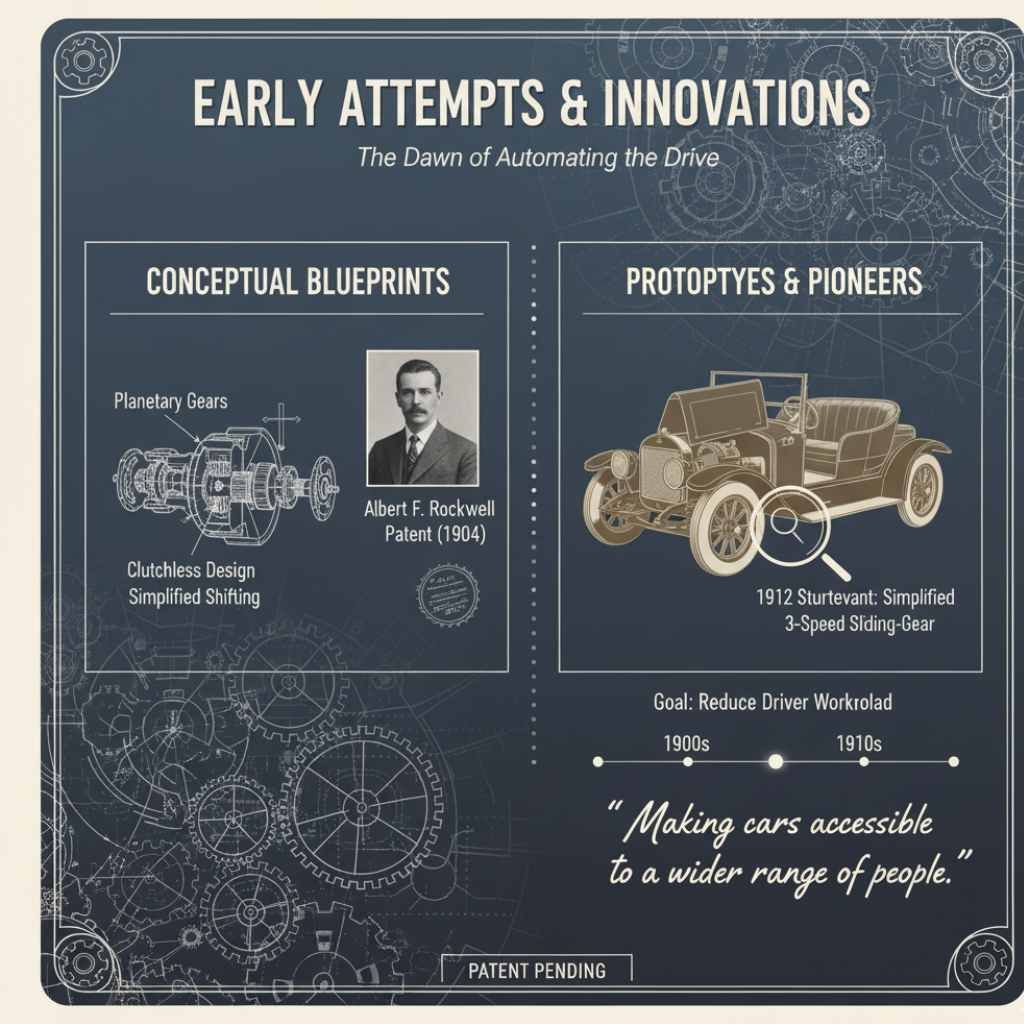
The concept of a car that could drive itself, or at least manage its gears without constant driver input, was a dream for many motoring pioneers. The earliest ideas focused on creating systems that could automatically adjust the car’s gearing based on speed and engine load. This wasn’t just about convenience; it was about making cars more accessible to a wider range of people, including those who found manual shifting difficult.
The Dawn of Automating the Drive
Long before true automatic transmissions existed, inventors experimented with various forms of clutchless operation and simplified gear changing. These early efforts, while not fully automatic in the modern sense, laid crucial groundwork. They explored different mechanisms that could reduce the driver’s workload and improve the driving experience, even if only slightly. The goal was always to make driving smoother and easier.
Early Patents and Prototypes
Interestingly, the idea of an automatic transmission dates back quite far. As early as 1904, inventor Albert F. Rockwell filed a patent for an early type of two-speed planetary transmission. While this wasn’t a fully automatic system, it was a significant step towards simplifying gear changes. Another notable mention is the 1912 Sturtevant, which offered a simplified three-speed sliding-gear transmission that was easier to operate than many contemporaries.
These early designs often involved complex mechanical systems and weren’t always reliable or efficient. However, they represented a crucial phase of innovation, pushing the boundaries of what was thought possible in automotive engineering. The dream was to create a car that could think for itself, at least when it came to selecting the right gear.
The First Truly Automatic Transmissions
The leap from simplified manual gearboxes to a system that genuinely changed gears automatically was a monumental one. This era saw the development of transmissions that used hydraulic pressure and planetary gear sets to achieve seamless gear changes, adapting to driving conditions without human intervention.
General Motors and the Hydra-Matic
The real breakthrough came in the 1930s with General Motors. They are widely credited with developing the first mass-produced, fully automatic transmission. This groundbreaking technology was called the “Hydra-Matic” and was introduced by Oldsmobile in 1939. Before this, “automatic” often meant semi-automatic systems that still required some driver input, like pressing a clutch pedal for certain shifts.
The Hydra-Matic transmission used a fluid coupling (a torque converter) and a planetary gear system. This allowed for smooth, automatic changes through four forward gears. It was a revolutionary concept that significantly enhanced driver comfort and ease of operation. While initially expensive and optional, it marked the beginning of the end for widespread manual transmissions.
The impact of the Hydra-Matic was profound. It offered a driving experience that was far more relaxing and accessible. Drivers no longer had to worry about coordinated use of the clutch, brake, and gas pedal, especially in stop-and-go traffic. This innovation was a massive step forward in making driving a pleasure for more people.
Other Early Contenders
While GM’s Hydra-Matic is often cited as the first, other manufacturers were also working on similar technologies around the same time. Chrysler introduced its “Fluid Drive” in 1939, which was a vacuum-assisted semi-automatic transmission. It used a fluid coupling, but still required the driver to shift gears manually, albeit with a less abrupt engagement.
Ford also experimented with automatic transmissions, notably their “Ford-O-Matic” which debuted in 1951. This was a more conventional three-speed automatic, similar in principle to GM’s later designs, and played a significant role in popularizing the automatic transmission in the post-war era.
The Post-War Boom and Wider Adoption
Following World War II, the automotive industry experienced rapid growth. Consumer demand for comfort and convenience surged, and automatic transmissions became a highly sought-after feature. What was once a luxury option began to transition into standard equipment on many vehicles.
Technological Advancements in the 1950s
The 1950s were a golden age for automatic transmission development. Engineers refined the designs, making them more reliable, efficient, and affordable. The torque converter became more sophisticated, and improved valve bodies allowed for smoother and more responsive gear changes. Three-speed automatics became increasingly common, and by the end of the decade, four-speed units started appearing.
Companies like Borg-Warner also played a significant role by developing and supplying transmissions to various car manufacturers. This competition and technological advancement drove down costs and improved performance, making automatics accessible to the average car buyer. The drive for convenience was a powerful market force.
Making Cars Accessible to More Drivers
The widespread availability of automatic transmissions had a profound social impact. It made driving much easier for a broader segment of the population, including older drivers, those with physical limitations, and people who simply preferred not to deal with the complexities of a manual clutch. This democratization of driving significantly contributed to the rise of car ownership and suburban lifestyles in the mid-20th century.
The Competition Between Manuals and Automatics
For decades, there was a clear distinction and often a debate between manual and automatic transmissions. Manuals were typically seen as more fuel-efficient and offering better performance, while automatics were favored for their ease of use. Car manufacturers often offered both options, catering to different driver preferences and budgets.
However, the continuous improvements in automatic transmission technology, especially in the late 20th and early 21st centuries with the advent of electronic controls and more gears, have narrowed this gap. Modern automatics are often as, or even more, fuel-efficient than their manual counterparts, and their performance can be exceptional.
The Evolution Accelerates: Modern Automatics
The journey didn’t stop in the 1950s. The latter half of the 20th century and the beginning of the 21st century saw rapid advancements that transformed automatic transmissions into the sophisticated systems we have today.
The Rise of Electronic Control
One of the most significant advancements was the integration of electronics. Early automatics relied on purely hydraulic and mechanical systems. However, the introduction of electronic control units (ECUs) allowed transmissions to “talk” to the engine. This meant gear changes could be optimized not just for smooth shifting, but also for fuel economy and performance based on real-time driving data.
This began in earnest in the 1980s, and by the 1990s, electronic automatic transmissions were becoming commonplace. These systems allowed for more precise control over shift points, line pressure, and torque converter lock-up, leading to significant improvements in driveability and efficiency compared to older hydraulic-only designs.
More Gears Mean Better Efficiency
The number of gears in automatic transmissions has steadily increased. Early automatics had two or three speeds. By the 1970s and 80s, four-speed automatics were standard. The 1990s saw the introduction of five-speed and six-speed transmissions, and today, it’s not uncommon to find vehicles with eight, nine, or even ten-speed automatic transmissions.
Having more gears allows the engine to operate within its most efficient RPM range more of the time. This directly translates to better fuel economy and reduced emissions. The seamlessness of these modern transmissions also contributes to a very smooth and quiet driving experience. You can explore the specific benefits of modern gearbox technologies on resources like the National Highway Traffic Safety Administration (NHTSA), which discusses fuel economy standards impacting vehicle design.
Other Automatic Transmission Types
Beyond the traditional hydraulic automatic, other types of transmissions have emerged, often blurring the lines with “automatic” operation:
- Continuously Variable Transmissions (CVTs): These transmissions don’t have fixed gears. Instead, they use a belt or chain running between two variable-diameter pulleys to provide an infinite range of gear ratios. This results in exceptionally smooth acceleration and can be very fuel-efficient.
- Dual-Clutch Transmissions (DCTs): Often referred to as semi-automatics, DCTs have two separate clutches for odd and even gears. While they can be shifted manually, they operate automatically and are known for their extremely fast and crisp shifts, often found in performance vehicles.
These innovations continue to push the envelope, making cars more adaptable, efficient, and enjoyable to drive. The pursuit of effortless motoring, which began with early attempts at gear automation, is still very much alive.
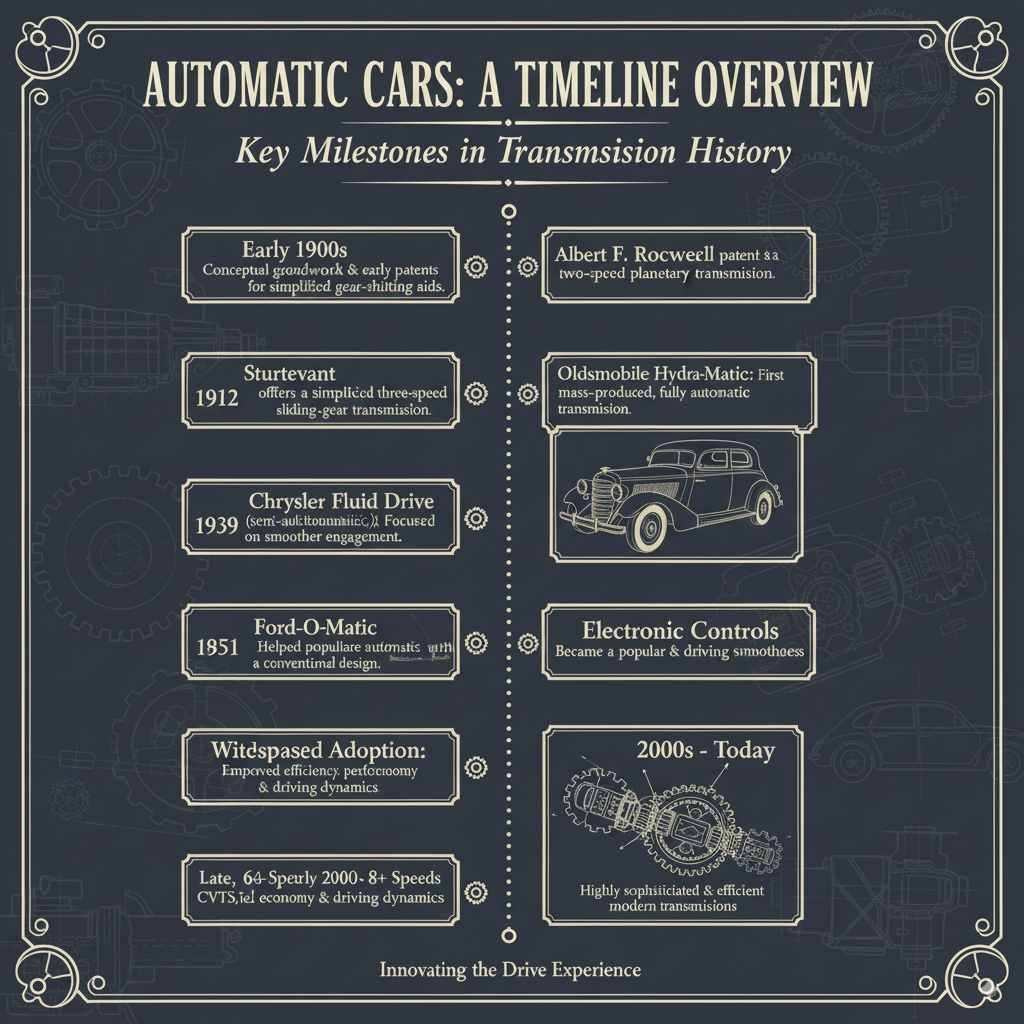
When Were Automatic Cars Made: Timeline Overview
To help solidify the key moments, here’s a look at the major milestones in the development of automatic cars:
| Year(s) | Key Development | Significance |
|---|---|---|
| Early 1900s | Early patents for gear-shifting aids and two-speed transmissions. | Conceptual groundwork and initial attempts at simplifying gear changes. |
| 1904 | Albert F. Rockwell patent for a two-speed planetary transmission. | An early step towards automatic gear selection. |
| 1912 | Sturtevant offers a simplified three-speed sliding-gear transmission. | Easier manual operation, reducing driver effort. |
| 1939 | Oldsmobile introduces the Hydra-Matic. | The first mass-produced, fully automatic transmission. A true revolution. |
| 1939 | Chrysler introduces Fluid Drive (semi-automatic). | An alternative focusing on smoother engagement with a fluid coupling. |
| 1951 | Ford introduces the Ford-O-Matic. | Helped popularize automatics with a more conventional design. |
| 1950s | Widespread adoption and refinement of automatic transmissions. | Became a popular and accessible feature, driving industry change. |
| 1980s onwards | Integration of electronic controls into automatic transmissions. | Greatly improved efficiency, performance, and smoothness. |
| Late 1990s/Early 2000s | Introduction of 5-speed, 6-speed automatics. | Further enhanced fuel economy and driving dynamics. |
| 2000s-Present | Development of CVTs, DCTs, and 8+ speed automatics. | Modern era of highly efficient, powerful, and sophisticated transmissions. |
Frequently Asked Questions About Automatic Car History
What is the difference between a manual and an automatic transmission?
A manual transmission requires the driver to select gears using a clutch pedal and a gear shifter. An automatic transmission, on the other hand, shifts gears on its own, freeing the driver from clutch operation and gear selection. Modern automatics use complex systems of hydraulics, electronics, and gears to adapt to driving conditions.
Why did automatic transmissions become so popular?
Automatics became popular primarily because they made driving significantly easier and more comfortable. The elimination of the clutch and manual shifting, especially in traffic, reduced driver fatigue and made cars accessible to a wider audience. This convenience factor has been a major driver of their dominance.
Was the Hydra-Matic the only type of automatic transmission ever made?
No, the Hydra-Matic was the first mass-produced fully automatic transmission. Many other types and designs have been developed since then, including torque converter automatics, continuously variable transmissions (CVTs), and dual-clutch transmissions (DCTs), each with its own unique engineering. However, the Hydra-Matic was a foundational innovation.
Are modern automatic cars really “automatic”?
Yes, modern automatic cars operate automatically. While some advanced automatics, like Dual-Clutch Transmissions (DCTs), offer manual modes for performance driving, their default operation is fully automatic, managing gear changes without driver input. Continuously Variable Transmissions (CVTs) also operate automatically but achieve this through an infinite range of ratios rather than fixed gears.
Who invented the automatic transmission?
There isn’t one single inventor. The concept evolved over time with many contributors. However, General Motors (GM) is widely credited with developing the first commercially successful and mass-produced fully automatic transmission with their Hydra-Matic, introduced by Oldsmobile in 1939. Early foundational work was done by various inventors across the early 20th century.
When did automatic cars become common?
Automatic cars began to gain significant popularity in the post-World War II era, particularly in the 1950s. This decade saw major advancements and increased production, making them a desirable and increasingly attainable feature for many car buyers. However, they didn’t become the outright majority until much later, with many drivers still preferring manuals even into the 1980s.
Do automatic transmissions use gears?
Yes, traditional automatic transmissions use a complex system of planetary gears. However, instead of being manually selected, these gears are engaged and disengaged by hydraulic pressure controlled by a valve body, and often by electronic signals in modern vehicles. Continuously Variable Transmissions (CVTs) are an exception, as they do not use traditional gears but rather a system of pulleys and a belt or chain.
Conclusion: The Convenience That Changed Driving
The story of when automatic cars were made is a testament to human ingenuity and the persistent desire for a simpler, more enjoyable driving experience. From early, rudimentary attempts to automate gear changes in the dawn of the automobile age, to the sophisticated, computer-controlled marvels of today, the evolution has been remarkable. The introduction of the Hydra-Matic by General Motors in 1939 was a pivotal moment, truly ushering in the era of the automatic transmission. Coupled with post-war economic growth and a societal demand for convenience, automatics rapidly transitioned from a luxury option to a dominating force in the automotive market.
Today, automatic transmissions, in their many forms like traditional automatics, CVTs, and DCTs, are the standard for most drivers. They offer unparalleled ease of use, impressive fuel efficiency, and performance that rival or exceed manual transmissions.