Where Should the Temperature Gauge Be on My Car: Expert Insights
Ever glanced at your car’s dashboard and wondered about the temperature gauge? You’re not alone.
Understanding where this gauge should be can mean the difference between a smooth ride and an unexpected breakdown. Your car’s temperature gauge is more than just a needle; it’s your first line of defense against engine overheating. Imagine cruising down the highway with confidence, knowing your engine is running just right.
This guide will show you exactly where that needle should sit, so you can drive with peace of mind and avoid costly repairs. Ready to take control of your car’s health? Let’s dive into the details.
Credit: www.wardtires.com
Normal Temperature Range
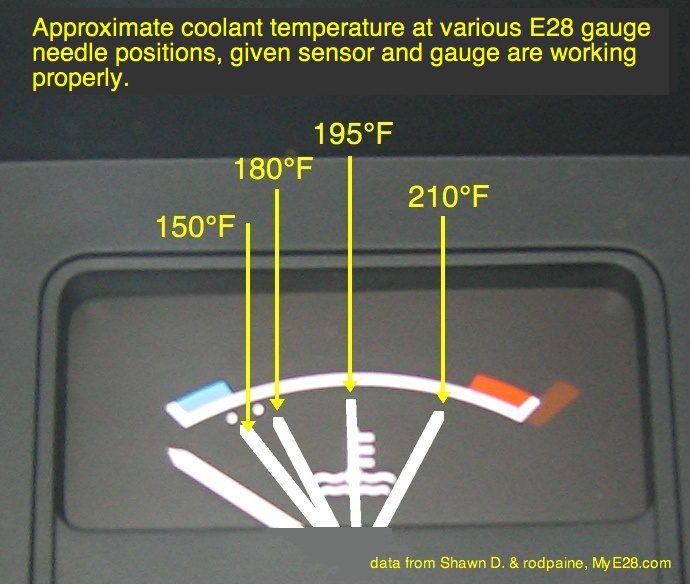
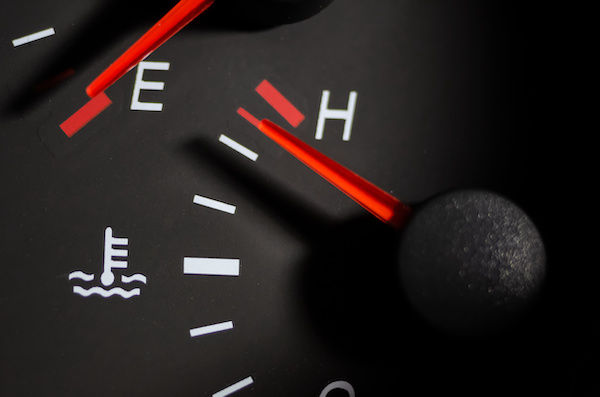
The temperature gauge in cars shows engine heat levels. Normal range is usually in the middle. It should not be too high or too low. Most cars have gauges with a C for cold and H for hot. The needle should be between these marks.
If the needle goes near hot, the engine could be overheating. This is dangerous and needs attention. If the needle stays on cold, the engine might not be warming up well. This can cause issues with car performance.
Always keep an eye on the gauge. It helps keep your car running smoothly. Regular checks can prevent damage and costly repairs. A stable gauge means a healthy engine.

Credit: www.reddit.com
Factors Affecting Temperature Gauge
Stop-and-go traffic can heat your car. The gauge may rise. Highway driving keeps it stable. Engines cool with fast air flow. Hills make engines work harder. Temperature can climb. Heavy loads add stress. The gauge can increase.
Hot days affect engine heat. The gauge may show higher. Cold weather keeps engine cool. It can drop. Rain helps cool the engine. The gauge may lower. Strong winds can cool or heat. It depends on direction.
Old cars might heat quicker. Their systems are different. New cars have better cooling. The gauge stays steady. Small cars may heat faster. They have less space. Big cars often stay cooler. More room for air flow.
Common Temperature Gauge Issues
The engine may get too hot. This can damage parts inside. Hot engines might stop working. Smoke can come from under the hood. High temperature is bad for the car.
Coolant fluid keeps the car from overheating. It moves through the engine. If there’s a leak, coolant runs low. Low coolant can cause overheating. Bad coolant can make parts rusty.
The thermostat controls engine temperature. If it gets stuck, the engine may overheat. Stuck thermostat can make the gauge show wrong numbers. This part is small but very important.
Diagnosing Temperature Gauge Problems
Check the gauge for damage. Look for cracks or broken parts. Make sure the needle moves smoothly. Inspect wires and connectors. They should be tight and clean. Dirt and rust can cause problems. Clean them with a soft cloth. Use a flashlight to see clearly.
Use a multimeter to test wires. Check for voltage and current. Ensure they are in the normal range. Read the manual for correct numbers. Use a scanner to check engine codes. It helps find errors. Compare codes with the manual. Replace parts if needed.
Visit a mechanic if unsure. They have the right tools. Experts can find hidden issues. They check the cooling system and gauge. Get an estimate before repairs. Mechanics explain problems clearly. They help with proper solutions.
Preventive Maintenance Tips
Checking the coolant levelis very important. Coolant keeps the engine cool. Low coolant can make the engine overheat. Use a dipstick to check the level. Add more if needed. Always use the right typeof coolant for your car.
The radiator helps cool the engine. It must be clean and free of debris. Dirt can block the fins. This stops air from flowing. Clean the radiator with a soft brush. Also, check for any leaks. A leak can cause overheating.
Sensors help you know the engine temperature. They show if the engine is hot or cold. A broken sensor gives wrong readings. Check sensors often. Replace them if they are faulty. This keeps the temperature gauge accurate.

Credit: carfect.com
Frequently Asked Questions
Where Should My Car’s Temperature Gauge Sit?
Your car’s temperature gauge should sit near the middle, indicating normal operating temperature. Avoid extreme high or low positions to prevent engine issues. Regularly check the gauge to ensure your car is functioning properly. If the gauge shows unusual readings, consult a mechanic immediately to avoid potential damage.
How High Should My Car Temperature Gauge Be?
The car temperature gauge should be around the middle mark, typically between 190 to 220 degrees Fahrenheit. Ensure consistent readings within this range for optimal engine performance. If the gauge exceeds this, it may indicate overheating issues needing attention. Regular monitoring helps prevent engine damage and maintain efficiency.
What Temperature Gauge Is Overheating?
A temperature gauge is overheating if it reads above 220 degrees Fahrenheit or 104 degrees Celsius. High temperatures may indicate engine issues, so it’s crucial to address them promptly. Regular maintenance can prevent overheating problems. Always check coolant levels and ensure proper airflow to maintain optimal engine temperature.
What Temperature Should My Car Gauge Show?
Your car gauge should typically show between 195°F and 220°F (90°C to 105°C) for optimal performance. Temperatures outside this range may indicate engine issues. Regularly monitor your car’s temperature gauge to prevent overheating or potential damage. Consult your vehicle’s manual for specific recommendations.
Conclusion
Checking your car’s temperature gauge is crucial. It shows engine health. A healthy engine means better performance. Avoid overheating to prevent damage. Regularly monitor the gauge. Always keep an eye on temperature changes. Spotting issues early saves money. A stable gauge keeps your car running smoothly.
Follow the manufacturer’s guidelines for ideal temperatures. Understanding your car’s gauge helps you drive safely. Ensure your engine stays cool. Protect your vehicle’s lifespan. Familiarize yourself with the gauge’s normal range. Drive with confidence knowing your engine is safe. Keep your car in top condition.
Safe travels!