How to Keep Windshield Wipers From Freezing Overnight
To keep windshield wipers from freezing overnight, park under shelter if you can; if not, lift the arms in light snow and use winter blades for repeated freezing, because full lift-ups in wind or heavy snow can damage the hinges. Frozen wipers can tear blades, strain motors, and leave you scraping ice off stuck rubber before you can drive. This guide gives a parking-by-parking decision tree for lifting wipers, using a windshield cover, or fitting winter blades.
Why wipers freeze overnight



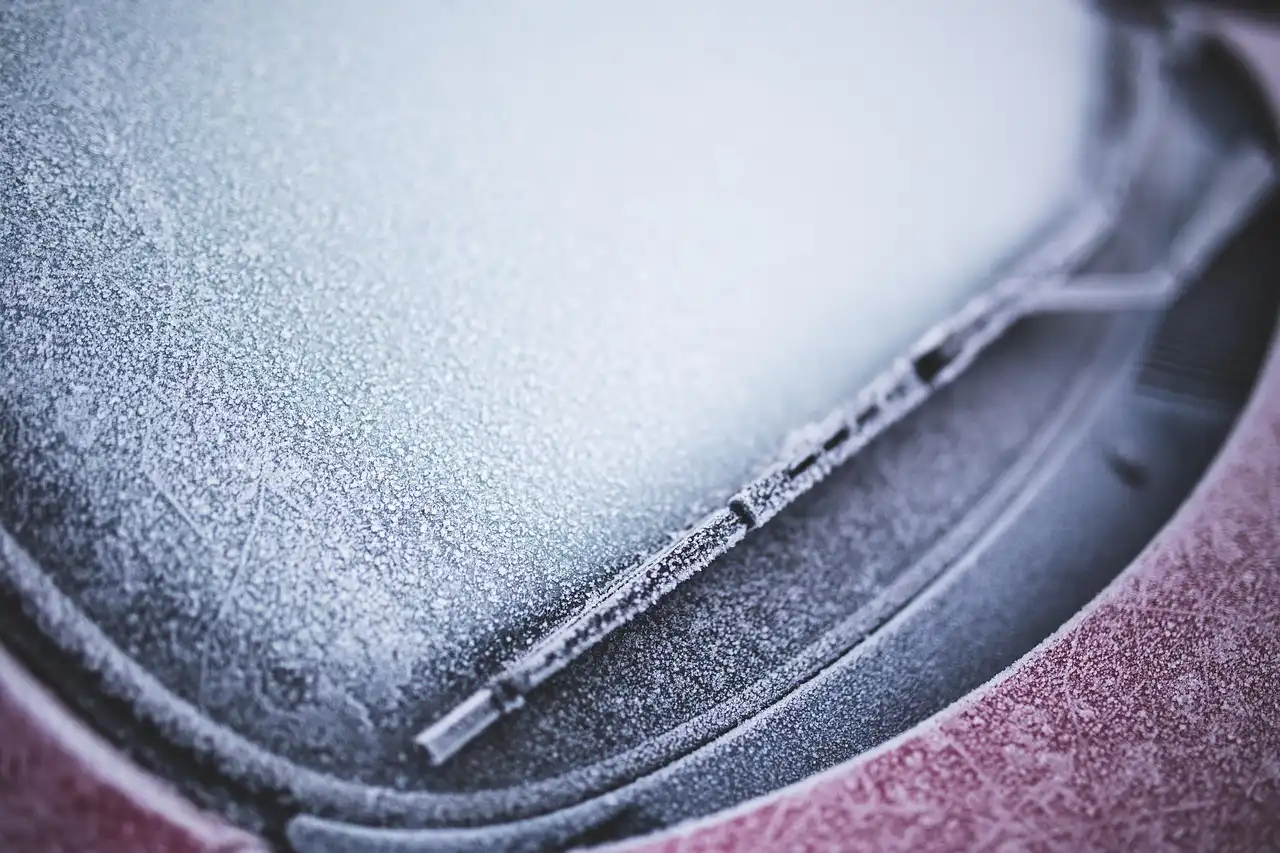
Wiper blades freeze when meltwater, slush, or wet snow refreezes at the rubber edge and locks the blade to the glass. The problem gets worse after a thaw-and-refreeze cycle, because the blade can bond along its full edge instead of only a few spots.
Worn rubber makes that worse. A cracked, brittle, or stiff blade bends less, so it can press harder against the glass and stick sooner in cold weather. If the edge is already damaged, it can tear when you try to free it.
Parking exposure matters too. A garage or enclosed carport can lower the overnight freeze risk. An open lot, a curbside space, or a spot that catches drifting snow gives the blades more moisture, more ice, and more wind.
How wind, sleet, and parking angle change the risk
Wind can push snow under the arms, drift it across the windshield, and also make raised wipers less reliable. Raised blades can fall back in very windy conditions, and a windshield cover can be better protection than raised wipers in windy conditions.
Mixed sleet is especially annoying because it can coat the glass and then lock around the blade edge overnight. If the car sits nose-up on a slope, runoff can collect near the lower edge of the windshield and freeze there first.
What should you do before parking?
Start with the parking setup, not the blades. If the car will stay in a garage or covered bay, that is the simplest answer. If the car is parked outside, lift the wipers only when wind is light and local practice allows it, or use a windshield cover when wind, sleet, or drifting snow makes raised arms a poor choice.
When lifting wipers helps
Lifting your windshield wipers before parking can prevent them freezing onto the glass overnight. It also helps keep snow from burying the wipers overnight. That makes sense for calm lots, short freeze windows, and repeated light snow events.
Use that option when the arms can stay put without slamming back into the glass. If the car is parked where gusts are common, a lifted arm is not the best first choice.
When a windshield cover is the better choice
A windshield cover can block frost and ice buildup across the glass, helping protect the blade contact area as well as the rest of the windshield. That makes it a better move than lifting the arms when the site is windy or when sleet is expected.
It also helps when you want the morning routine to be simple. Pull off the cover, check the glass, and the blades are less likely to be bonded to the windshield.
When winter or silicone blades are worth the switch
Silicone wiper blades can be less likely to stick or crack in cold weather. Some drivers also use snow-specific wiper blades designed to handle freezing temperatures. Winter or silicone blades matter most if freezing is a regular pattern rather than a one-night problem.
Use them as an upgrade, not as a substitute for parking judgment. Even better blades still freeze if they sit in sleet, packed snow, and hard wind all night.
Winter wiper prevention decision table
This table gives a parking-by-parking plan. Use the parking setup first, then choose the prevention method, then follow the matching morning recovery step. The last column names the one thing you should avoid in each case.
| Parking setup | Overnight prevention method | Morning recovery step | Do not do |
|---|---|---|---|
| Garage parking | Leave wipers down; use winter washer fluid if freezing is expected | Check for thin frost, then use the defroster before touching the blades | Do not assume the glass is fully warm right away |
| Covered carport | Leave wipers down unless local practice calls for raised arms; cover the windshield if wind sneaks through | Start the heater and defroster, then inspect the blade edges | Do not pull the blades free before the glass softens |
| Apartment lot | Use a windshield cover if allowed; lift the arms only in calm weather | Remove the cover, then use the defroster and a plastic scraper after warm-up | Do not raise the arms if they may fall back or bother nearby cars |
| Windy street parking | Choose a windshield cover over lifted blades | Warm the glass first, then clear any remaining frost by hand | Do not leave the arms raised in gusts |
| Open lot with light snow | Lift the wipers and, if needed, add a windshield cover | Let the defroster work first, then free the edge gently | Do not swing the arms down onto packed snow |
| Sub-zero overnight | Use winter or silicone blades plus a windshield cover if possible | Warm the glass longer before any scraping or wiper use | Do not expect a quick thaw from the heater alone |
| Mixed sleet | Cover the windshield rather than leaving blades exposed | Defrost first, then clear slush with a plastic scraper | Do not force wipers through refrozen sleet |
| Already-frozen blades | Use the defroster, heater, and de-icer spray before touching the arms | Wait for the rubber edge to release, then lift gently if needed | Do not turn on the wipers against ice |
A windshield cover is usually the safer choice when gusts are expected after midnight. In that case, a windshield cover is usually the safer choice than raised arms, because the cover keeps the glass protected without leaving the blades exposed to wind.
Can you lift the wipers in winter?
Yes, but only in the right conditions. Lifting your windshield wipers before parking is a practical way to stop the rubber edge from freezing to the glass, especially in calm weather and light snow. It is not the best choice when wind or heavy sleet can move the arms around.
Best cases for raised blades
Raised blades make sense for overnight outdoor parking when the forecast is cold, still, and only lightly snowy. They are also useful when you want to keep the blade edge out of shallow meltwater that would refreeze near the cowl.
Raising the blades helps keep snow from burying the wipers overnight. It also makes it easier to clear the windshield before the drive, because the blade edge is not trapped under crusted ice.
Cases where raised blades can backfire
Raised arms can be a bad idea on exposed streets, in windy parking rows, or anywhere the arm can slam down or shift. That is where a windshield cover usually makes more sense than lifted wipers.
Do not lift them if the car may be hit by plowed snow, ice chunks, or close-parked traffic. A sideways bump can bend the arm or knock it out of place.
How to lower them without snapping the arm
Lower the arm slowly and guide it down by hand, with the ignition off. If the blade still feels stuck to the glass, stop and warm the windshield first. A quick drop can crack the blade edge or stress the hinge.
If one blade moves freely and the other does not, treat them separately. Free the stuck one first; do not let the loose arm snap down while you are working near the cowl or washer nozzles.
Is a windshield cover better than lifting wipers?
Often, yes. A windshield cover usually gives better frost protection than raised wipers, especially in wind, sleet, or mixed overnight weather. Raised arms only protect the blade edge; a cover protects the whole windshield surface.
How covers block frost and ice buildup
A cover stops frost from settling on the glass, so the blades are less likely to bond to a frozen sheet in the morning. It also reduces the need to scrape near the lower edge where wiper arms and washer nozzles sit.
That matters because the lower windshield is where the blades usually freeze first. Less ice there means less chance of tearing the rubber edge while you are trying to clear the glass.
When a towel, cardboard, carpet, or purpose-made cover makes sense
Some drivers use a towel, cardboard, carpet, or a purpose-made cover overnight. A purpose-made cover fits best, but a temporary layer can work when it lies flat and stays put.
Use only materials that will not scratch the windshield or trap sharp grit against the glass. Wet fabric can freeze in place, so a dry cover is the safer choice.
Wind, theft, and fit concerns to consider
Loose covers can flap, shift, or blow off. If the wind is strong enough to move the cover, it is also strong enough to make raised wipers a weak plan.
Fit matters because gaps let frost creep in from the edges. A cover that is too small can also slide over the hood and make the next morning messier than no cover at all.
How do you thaw frozen wipers safely?
Start with the defroster and heater, then use a plastic scraper only after the glass has softened. Winter windshield washer fluid can help prevent frozen nozzles and blocked fluid lines, but it is not a substitute for thawing the windshield first. Do not force the blades or turn them on while frozen.
Use the defroster and heater first
Turning on the heater and defroster helps melt ice on the windshield. That is the safest first step because it warms the glass gradually and reduces the chance of tearing the rubber edge while you work.
If the car is badly iced, give it time. The goal is not speed. The goal is to free the blade without stressing the motor or the glass.
Use winter washer fluid and de-icer spray with care
Winter windshield washer fluid can help prevent frozen nozzles and blocked fluid lines, and it is a better fill choice than tap water. If you use de-icer spray, use it before scraping and choose one that is safe for glass and rubber.
Homemade de-icer can work in a pinch, but only if the mixture is compatible with glass, rubber, and trim. Some mixes leave residue, and some are too aggressive for seals or coatings.
Use a plastic ice scraper after the glass softens
A plastic ice scraper is preferred over metal objects. Once the glass has warmed enough, scrape gently from the clear areas toward the bonded edge and keep the tool away from the blade itself.
Do not jab at the lower edge near the cowl. That area can hide washer nozzles and trim pieces that are easy to damage with a hard tool.
Should you upgrade the blades?
If freezing happens more than a few times each winter, a blade upgrade can help. Silicone blades can be less likely to stick or crack in cold weather, and snow-specific wiper blades are built for freezing temperatures. They still need good parking choices and regular inspection.
Rubber blades versus silicone blades in sub-zero weather
Standard rubber blades are common, but the rubber edge can stiffen, crack, and freeze to the glass more easily in very cold weather. Silicone blades hold flexibility better in sub-zero temperatures, so they are a smarter fit for repeated cold starts and outdoor parking.
That does not mean they never stick. It means they are less likely to become brittle quickly when the temperature drops hard and stays there.
When winter-specific blades are the better fit
Some drivers do better with winter-specific blades because the frame and cover keep snow and ice from packing into the blade assembly. They are useful where freezing temperatures, sleet, and road spray show up together.
Choose them if your normal parking spot is exposed and you regularly need to clear the windshield before dawn.
Signs the blades are due for replacement
Replace blades if the rubber edge is cracked, split, brittle, or missing sections. Replace them if they chatter, streak, or leave a wet line that stays after the glass is clean.
A blade that already lost flexibility is more likely to stick and tear in the cold. Waiting for spring usually makes the problem worse, not cheaper.
A common first-timer mistake is trying to peel a frozen blade off the windshield by the rubber edge. That can pull the blade out of shape and leave one side of the arm twisted, which then makes the next wipe uneven even after the ice is gone.
Frequently asked questions
How do I keep my windshield wipers from freezing to the windshield overnight?
Park under shelter if possible, and use a windshield cover when the car sits outside in wind or sleet. If the weather is calm and local practice allows it, lifting the wipers can help. Winter blades and winter washer fluid are smart add-ons for repeated freezes.
Should I lift my windshield wipers up in winter?
Yes, in calm conditions and light snow, lifting the arms can keep the rubber edge off the glass. Skip that move in strong wind or exposed curbside spots, because raised arms can fall back or shift. A windshield cover is often the safer pick there.
Can I use hot water to thaw frozen wipers?
No. Hot water can crack a windshield because of sudden temperature changes, and it can also make ice bond oddly around the blade edge. Use the defroster first, then warm the glass gradually before scraping or touching the wipers.
What should I do if my wipers are already stuck to the glass?
Leave them alone and warm the windshield with the heater and defroster first. If needed, use a safe de-icer on the glass, not force on the arm. Once the blade releases, lift it gently and check the rubber edge for tearing.
Does winter windshield washer fluid help prevent frozen wipers?
Yes, but indirectly. Winter windshield washer fluid can help prevent frozen nozzles and blocked fluid lines, so you still have fluid when you need it. It does not stop the blade from freezing to the glass by itself, so parking and warming steps still matter.
Are wiper covers or windshield covers better for freezing weather?
A windshield cover is usually better because it blocks frost and ice across the whole glass surface. Wiper covers can help protect the blades, but they do less for the windshield itself. In wind, the full windshield cover is the better overnight choice.
What should I not do when wipers freeze to the windshield?
Do not pour hot water on the glass, do not force the blades free, and do not switch the wipers on against ice. Those moves can damage the rubber edge, strain the motor, or crack the windshield. Warm the glass first and use a plastic scraper after that.
Do silicone wiper blades help in cold weather?
Yes. Silicone wiper blades can be less likely to stick or crack in cold weather, so they are a good cold-climate upgrade. They work best alongside good parking choices, winter washer fluid, and a windshield cover when the forecast calls for repeated freezes.
Can I use a homemade de-icer on my windshield overnight?
You can, but only if the mixture is safe for glass and rubber and does not leave residue that can smear or attract grime. Do not spray anything unknown directly on the blades and expect it to fix a bonded blade without thawing. Use it as a helper, not a cure.
What is the safest way to defrost windshield wipers in the morning?
Turn on the heater and defroster first, then wait for the glass to soften. After that, use a plastic ice scraper on the windshield, not a metal object, and keep the tool off the blade edge. Free the wipers only after the ice releases cleanly.
Products related to this article
Sponsored / affiliate links. As an Amazon Associate I earn from qualifying purchases. I may earn additional commission from eligible campaigns.
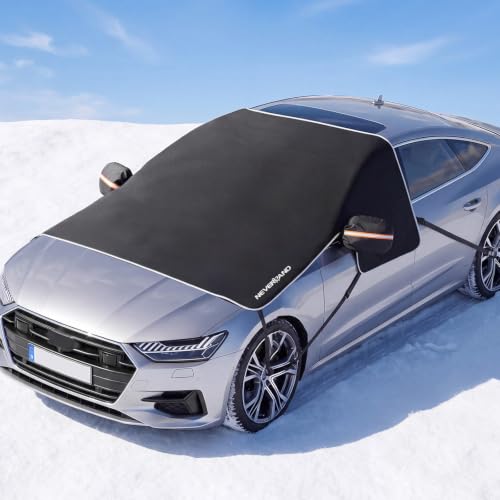 NEVERLAND Car Windshield Cover for Ice and Snow - Universal Windshield Snow Cover for Winter Frost Hail Guard with Side Window and Rearview Mirror Protector, Suitable for Most Cars, SUVs & Trucks
 Cat® Car Windshield Cover for Ice and Snow with Anti-Theft Flaps - Toughest Ice & Frost Windshield Snow Cover All-Weather Waterproof Winter Blanket - Truck Window Protector Accessories - 78" X 43"