Why Do Car Chargers Charge Slower: Shocking Reasons Explained
Have you ever plugged your phone into a car charger, only to find it charging painfully slow? It’s frustrating when you need a quick boost, but your device seems stuck at a crawl.
You might wonder why car chargers don’t power up your gadgets as fast as wall chargers do. Understanding the reasons behind this can save you time and help you get the most out of your charging experience. Keep reading to discover what’s really slowing down your car charger and how you can fix it.
Common Charging Speeds
Common charging speeds vary between different car chargers. These speeds affect how fast your device or car battery fills up. Understanding these speeds helps explain why some chargers feel slower than others.
Charging speed depends on the charger type and the technology it uses. The power output, measured in watts, decides how quickly the battery charges. Lower wattage means slower charging. Higher wattage means faster charging.
Types Of Car Chargers
There are many types of car chargers available. Basic chargers offer low power output, usually below 10 watts. They are enough for small devices but slow for larger batteries.
More advanced chargers provide higher power, often 18 watts or more. These chargers use better technology to deliver faster charging. Some even support smart charging to protect your battery.
Standard Vs Fast Charging
Standard chargers work at lower power levels. They take longer to fill your battery. This is common with older or budget chargers.
Fast chargers use higher power, often 25 watts and above. They reduce charging time significantly. Fast charging needs compatible devices and cables.
Charging speed also depends on the car’s battery and its ability to handle fast power input. Using a fast charger on a device that does not support it will not speed up charging.
Factors Affecting Charging Speed
Charging speed depends on many things. Some parts of your charger and phone affect how fast your battery fills up. Knowing these factors helps you understand why charging may be slow sometimes.
Charger Output Power
Chargers have different power outputs. Higher output means faster charging. A 5W charger charges slower than a 20W charger. Use a charger that matches your phone’s needs for best speed.
Cable Quality And Length
Not all cables are the same. Poor quality cables reduce power flow. Longer cables can also slow down charging. Use short, good-quality cables for faster charging.
Battery Health And Capacity
Old or damaged batteries charge slower. Batteries with large capacity take more time to fill. Keeping your battery healthy improves charging speed.
Impact Of Temperature
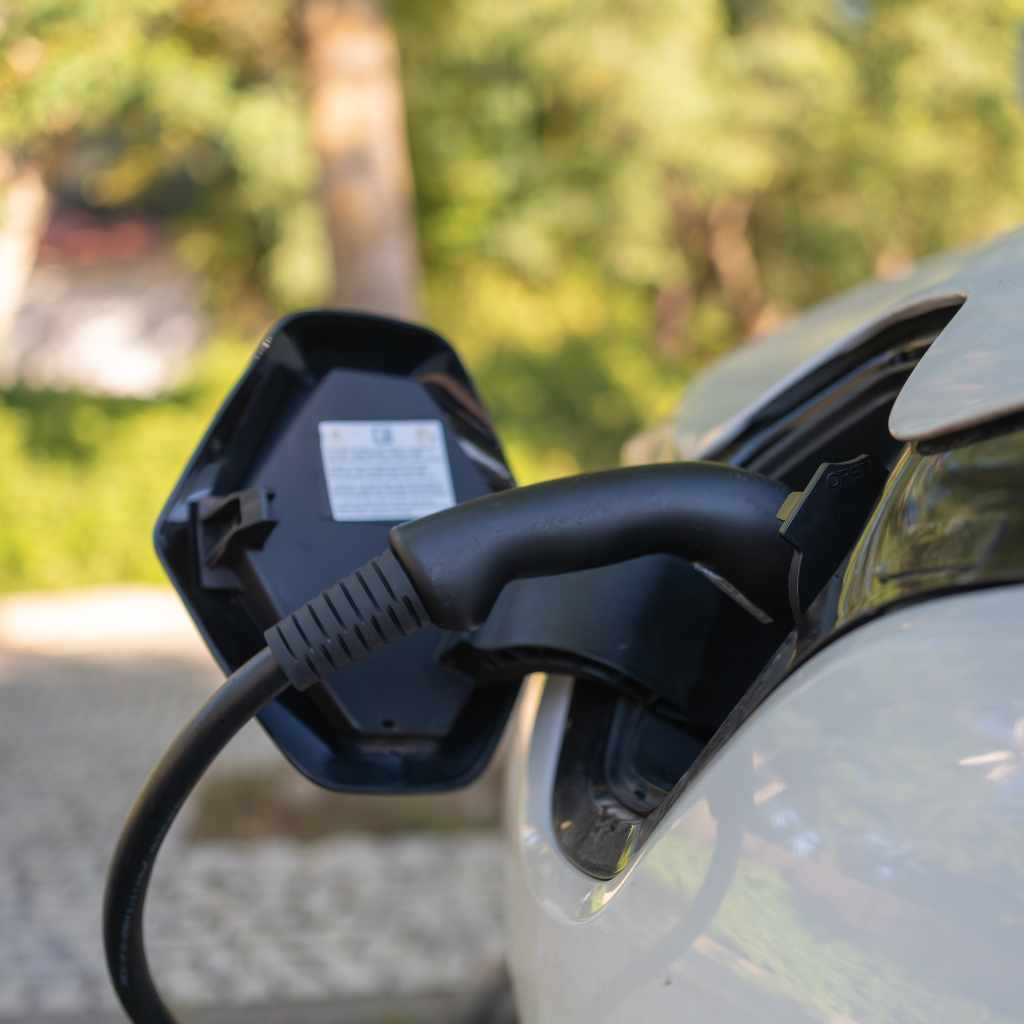
Temperature plays a big role in how fast a car charger works. Both very hot and very cold weather can slow down the charging process. Batteries and chargers have a certain temperature range where they work best. Outside this range, charging speed often drops to protect the battery and device.
Heat Effects On Charging
High temperatures can cause a car charger to slow down. Heat makes the battery work harder and can damage it over time. To stop this, the charger reduces the power flow. This keeps the battery safe but means slower charging. Car chargers and phones often get warm during charging. If it gets too hot, the charger lowers the speed to avoid damage.
Cold Weather Challenges
Cold weather also affects charging speed. Low temperatures make the battery less efficient. Chemical reactions inside the battery slow down in the cold. This reduces the battery’s ability to accept a charge quickly. Car chargers detect this and lower the charging rate. Charging in freezing conditions takes longer and may not reach full speed until the battery warms up.
Vehicle Charging System Limits
Vehicle charging system limits often cause slower charging speeds. Cars have built-in parts that control how fast the battery can charge. These parts protect the battery and the car’s electrical system from damage. Understanding these limits helps explain why charging is not always fast.
Onboard Charger Restrictions
The onboard charger changes electricity from the charging station to the battery. Its power level controls charging speed. Many cars have chargers with limited power capacity. This keeps the system safe but slows down charging. A bigger charger can charge faster, but it adds cost and weight.
Battery Management Systems
The battery management system watches over the battery’s health. It controls charging speed to avoid overheating and damage. This system reduces charging speed when the battery is nearly full. It balances charging power to extend battery life. Safety is the main goal, even if charging takes more time.
Power Source And Infrastructure
Power source and infrastructure play a big role in how fast a car charger works. The charger depends on the power it gets from the outlet or charging station. If the power supply is weak or unstable, the charging speed will drop. Many factors in the infrastructure affect this power delivery. These include the type of outlet, the adapter used, and the quality of public charging stations.
Outlet And Adapter Limitations
Most home outlets provide limited power for charging. Standard plugs often deliver less current than needed for fast charging. Older outlets may not support higher power levels. The adapter or cable also affects speed. Low-quality or damaged adapters reduce power flow. Some adapters are designed for slower charging to protect the battery. This limits how fast your car can charge at home.
Public Charging Station Variability
Public charging stations vary widely in power output. Some offer fast chargers with high power levels. Others provide slower chargers with less power. The station’s design and maintenance affect performance. Busy stations may have limited power shared among users. Weather and location also impact charging speed. Not all public stations support the latest fast charging standards. This causes inconsistent charging times on the road.
Safety Mechanisms Slowing Charge
Car chargers often charge slower due to built-in safety features. These features protect both the charger and your device. They help prevent damage and ensure safe charging. Safety mechanisms control the power flow and temperature. This control can reduce charging speed at times.
Overcurrent Protection
Overcurrent protection stops too much electricity from flowing. Too much current can harm your device’s battery. The charger detects high current and lowers the power output. This action keeps the battery safe and avoids overheating. It may slow charging but prevents bigger problems.
Thermal Management
Thermal management controls the heat inside the charger. Charging creates heat, which can damage components. The charger reduces power if it gets too hot. Cooling systems or sensors help keep temperatures safe. Slower charging helps avoid overheating and extends charger life.
User Habits Impacting Speed
User habits play a big role in how fast a car charger works. The way you charge your car affects the charging speed. Small changes in habits can make charging slower or faster.
Understanding these habits helps improve charging efficiency. It also saves time and keeps the battery healthy.
Charging Frequency And Timing
Charging often but for short times can slow down the process. The battery needs time to accept a full charge. Charging at the right time helps the battery work better.
Charging late at night or early morning usually gives steady power. Avoid charging when the battery is very hot or very cold. Extreme temperatures slow down charging speed.
Use During Charging
Using the car while charging reduces the power available to charge. Running lights, radio, or air conditioning drains energy. This makes the charging take longer.
It is best to keep the car off during charging. This lets the charger focus on filling the battery fast. Using fewer car functions during charging saves time.
Frequently Asked Questions
Why Do Some Car Chargers Charge Devices Slowly?
Car chargers may charge slowly due to low output power or poor cable quality. Some vehicles limit charging speed to protect the battery. Additionally, outdated charger technology or device compatibility issues can reduce charging efficiency.
How Does Car Charger Wattage Affect Charging Speed?
Higher wattage chargers deliver more power, resulting in faster charging. Low wattage chargers provide limited current, causing slower charge times. Always use a charger with sufficient wattage matching your device’s requirements for optimal speed.
Can The Car’s Electrical System Impact Charging Speed?
Yes, a vehicle’s electrical system affects charger performance. Older cars or weak alternators may supply less power. This limitation causes chargers to operate at reduced speeds to prevent system overload.
Does The Type Of Charging Cable Affect Car Charging Speed?
Yes, cables with poor quality or low data transfer rates slow charging. High-quality, certified cables support faster current flow and maintain stable connections, enhancing charging speed and reliability.
Conclusion
Car chargers often charge slower due to power limits and cable quality. Your device and charger may not support fast charging. The car’s electrical system can affect charging speed too. Using the right charger and cable helps improve charging time.
Keep your device cool to avoid slowing down charging. Understanding these factors helps you manage charging better. Don’t expect the same speed as wall chargers. Slow charging is normal in many cars. Choose chargers with good reviews to get better results.