Why Do My Car Jerk When I Take off: Top Causes Explained
Have you ever felt your car suddenly jerk or lurch forward when you start driving? That unexpected jolt can be both surprising and frustrating.
You might wonder if it’s a sign of a serious problem or just a minor glitch. Understanding why your car jerks when you take off is important—not only for your comfort but also for your safety. You’ll discover the common reasons behind this issue and what you can do to fix it.
Keep reading to find out how to make your rides smoother and avoid costly repairs down the road.
Common Reasons For Car Jerking
Car jerking during takeoff can feel scary and frustrating. This issue happens due to problems in key car parts. Identifying the cause helps fix it quickly. The main areas to check include the fuel system, ignition system, and transmission. Each plays a big role in smooth driving.
Fuel System Issues
The fuel system delivers gas to the engine for power. Dirt or clog in fuel injectors can cause jerking. A dirty fuel filter also blocks fuel flow. Low fuel pressure means the engine starves for gas. These problems cause uneven power during takeoff.
Ignition System Problems
The ignition system creates sparks to burn fuel. Faulty spark plugs often cause jerking. Worn ignition wires or a bad coil also disrupt sparks. When sparks fail, the engine misfires and jerks. Regular checkups keep this system working well.
Transmission Troubles
The transmission moves power from engine to wheels. Low transmission fluid can cause slipping and jerking. Worn clutch parts in manual cars create jerky starts. Automatic transmissions may jerk if shifting is rough. Proper maintenance prevents these transmission issues.
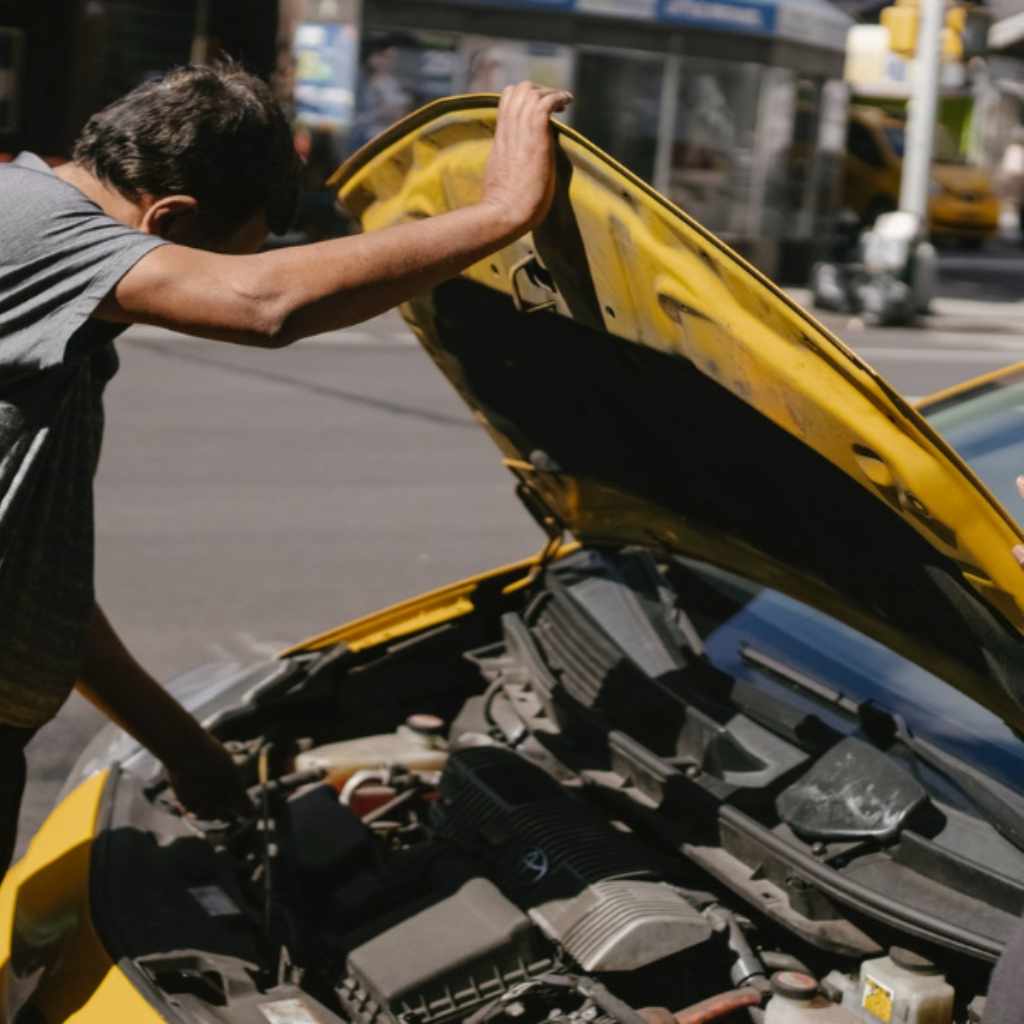
Fuel System Causes
The fuel system plays a key role in your car’s smooth start. It sends fuel to the engine in the right amount and at the right time. Problems here can cause your car to jerk when you take off. These issues affect fuel flow and engine performance. Understanding fuel system causes helps you spot and fix the problem early.
Clogged Fuel Filter
The fuel filter cleans dirt and debris from the fuel. When it gets clogged, fuel flow slows down. The engine may not get enough fuel fast enough. This lack causes the car to jerk or hesitate during takeoff. Replacing a clogged filter restores smooth fuel delivery.
Dirty Fuel Injectors
Fuel injectors spray fuel into the engine cylinders. Dirt and buildup can block these tiny nozzles. This blockage disrupts the fuel spray pattern. The engine runs unevenly and jerks during acceleration. Cleaning or replacing dirty injectors can fix this issue.
Bad Fuel Pump
The fuel pump moves fuel from the tank to the engine. A failing pump can’t keep steady pressure. This causes inconsistent fuel supply to the engine. The car jerks or stumbles as a result. Testing and replacing a bad pump helps the car start smoothly.
Ignition System Causes
The ignition system plays a key role in your car’s performance. It helps start the engine and keeps it running smoothly. Problems in this system often cause your car to jerk when you take off. Understanding common ignition system issues can help you spot the problem early.
Worn Spark Plugs
Spark plugs create the spark that ignites the fuel in the engine. Over time, they wear out and lose their ability to spark properly. Worn spark plugs cause misfires, leading to jerking during acceleration. Replacing them regularly keeps your engine smooth and steady.
Faulty Ignition Coils
Ignition coils send high voltage to the spark plugs. A faulty coil fails to provide a strong spark. This causes uneven firing and engine jerks when you start moving. Checking and replacing bad ignition coils restores engine power and smoothness.
Damaged Spark Plug Wires
Spark plug wires carry the electrical current from the ignition coils to the spark plugs. If these wires are cracked or worn, the spark may be weak or intermittent. Damaged wires lead to jerking and poor engine performance. Inspecting and fixing these wires improves your car’s takeoff.
Transmission-related Causes
The transmission plays a key role in your car’s smooth start. Problems here often cause jerking when you take off. The transmission moves power from the engine to the wheels. Any issues can disrupt this flow, causing the car to jerk or hesitate.
Low Transmission Fluid
Transmission fluid lubricates moving parts inside the transmission. Low fluid levels cause rough shifting and jerking. Fluid leaks or lack of maintenance often cause low fluid. Check fluid levels regularly to avoid these problems. Refill or replace the fluid to restore smooth driving.
Worn Clutch (manual Cars)
The clutch connects the engine to the transmission in manual cars. A worn clutch slips or grabs suddenly, causing jerks. This wear happens over time with heavy use. Pressing the clutch pedal may feel different when worn. Replacing the clutch can fix jerking during takeoff.
Transmission Solenoid Issues
The transmission solenoid controls fluid flow inside automatic transmissions. Faulty solenoids cause delayed or rough gear changes. This leads to jerking as the car moves forward. A mechanic can test and replace bad solenoids. Fixing this part improves transmission response and smoothness.
Engine And Sensor Problems
Engine and sensor problems often cause a car to jerk during takeoff. These parts control air and fuel flow to the engine. If they fail or work poorly, the car may hesitate or jerk. Understanding these issues helps to spot the problem early.
Dirty Air Filter
The air filter cleans air entering the engine. A dirty filter blocks air flow. The engine gets less oxygen and runs poorly. This can cause jerking when you start moving. Replacing or cleaning the filter fixes this issue quickly.
Malfunctioning Mass Air Flow Sensor
The mass air flow sensor measures the air entering the engine. It sends this data to the car’s computer. A bad sensor gives wrong info. The engine then mixes fuel and air badly. This leads to jerks and stalling during takeoff. Cleaning or replacing the sensor helps smooth driving.
Bad Engine Mounts
Engine mounts hold the engine in place. Worn or broken mounts let the engine move too much. This movement causes shaking or jerking as you accelerate. Replacing bad mounts stops this problem and protects other parts from damage.
Driving And Maintenance Factors
Car jerking during takeoff can be linked to how you drive and maintain your vehicle. Small habits and care routines play a big role in smooth driving. Understanding these factors helps keep your car running well and stops jerking.
Driving style and maintenance habits affect engine performance and fuel use. These issues often cause the car to jerk or shake when you start moving.
Aggressive Driving Habits
Fast acceleration or sudden stops strain the engine and transmission. This rough use can cause jerking during takeoff. Smooth and steady driving reduces stress on car parts. Avoid quick starts to keep your ride smooth and safe.
Neglecting Regular Maintenance
Skipping regular checkups damages key components like spark plugs and filters. Dirty or worn parts lead to poor engine response and jerking. Routine oil changes and tune-ups keep the car running well. Regular care prevents many common issues that cause jerking.
Using Low-quality Fuel
Cheap or contaminated fuel affects engine combustion. Poor fuel quality can cause misfires and jerking while accelerating. Always use recommended fuel grades for your car. Clean, good fuel helps the engine run smoothly and efficiently.
When To See A Mechanic
Noticing your car jerk when you take off can be frustrating and concerning. Sometimes, this issue needs a mechanic’s attention. Knowing when to visit a mechanic can save you time and money. It also keeps you safe on the road. Below are signs to watch for and tests a mechanic might run.
Warning Signs To Watch For
Check if the jerking gets worse over time. Listen for unusual engine noises. Notice if your car stalls or hesitates often. Smell any burning or fuel odors. Watch for the check engine light turning on. Feel if the steering shakes or pulls. These signs mean your car needs professional care soon.
Diagnostic Tests Mechanic May Perform
A mechanic may start with a computer scan of your car’s system. This finds error codes linked to engine or transmission problems. They might test fuel pressure and check spark plugs. Inspecting the air filter and sensors is common. A road test helps them feel the jerking firsthand. These tests pinpoint the exact cause of the issue.

Frequently Asked Questions
Why Does My Car Jerk When I Accelerate?
Car jerking during acceleration often indicates engine or transmission issues. It can stem from faulty spark plugs, dirty fuel injectors, or transmission problems. Timely diagnosis helps prevent further damage and ensures smooth driving.
Can Bad Spark Plugs Cause Car Jerking?
Yes, worn or faulty spark plugs can cause your car to jerk. They misfire and disrupt the engine’s combustion process, leading to jerky acceleration. Replacing spark plugs regularly maintains engine performance and smooth acceleration.
Is Transmission Trouble Causing My Car To Jerk?
Transmission issues like slipping gears or low fluid levels can cause jerking. When the transmission fails to engage smoothly, it results in jerky movements. Regular transmission maintenance can prevent these problems.
Could Dirty Fuel Injectors Make My Car Jerk?
Dirty or clogged fuel injectors restrict fuel flow, causing uneven engine power. This leads to jerking when you accelerate. Cleaning or replacing injectors improves fuel delivery and smoothens acceleration.
Conclusion
Car jerking when you take off can signal several issues. It might be a problem with the fuel system, spark plugs, or transmission. Ignoring these signs can cause bigger, costly repairs later. Regular car check-ups help spot problems early. A smooth start means safer, more comfortable drives.
Pay attention to your car’s behavior and act quickly. This keeps your car running well and protects your investment. Safe driving starts with a well-maintained vehicle.