Why Does White Paint Peel on Cars: Causes & Easy Fixes
Have you ever noticed your car’s white paint starting to peel, leaving unsightly patches that ruin its look? It’s frustrating, especially when you’ve taken good care of your vehicle.
You might wonder why this happens and what you can do to stop it. Understanding the reasons behind white paint peeling on cars can save you money and keep your ride looking fresh for years. Keep reading, and you’ll discover the common causes and easy tips to protect your car’s paint from peeling away.
Common Causes Of White Paint Peeling
White paint peeling on cars happens for several clear reasons. Understanding these causes helps protect your vehicle’s look. Paint damage lowers a car’s value and beauty. Knowing common causes helps prevent peeling early. Below are key reasons why white paint peels.
Sunlight And Uv Damage
Sunlight hurts car paint over time. UV rays break down paint’s protective layers. This damage makes paint dry and crack. White paint shows fading and peeling faster. Cars parked outside often face this problem.
Poor Surface Preparation
Paint sticks best to clean, smooth surfaces. Dirt or oil can stop paint from bonding well. Skipping proper sanding or cleaning causes peeling. Poor prep leads to paint lifting off quickly.
Low-quality Paint
Cheap paint does not last long. It loses color and strength faster. Low-quality paint peels under heat and rain. Using good paint ensures longer protection and shine.
Environmental Factors
Weather plays a big role in paint health. Rain, snow, and wind wear down paint layers. Salt from roads or sea air speeds peeling. Dust and dirt cause scratches and fading.
Chemical Exposure
Harsh chemicals from cleaning products harm paint. Gasoline spills and bird droppings eat into paint. Acid rain also damages the paint surface. Avoid strong chemicals to keep paint safe.

Signs Of Paint Peeling
Paint peeling on a car can ruin its look and lower its value. White paint shows damage clearly. Spotting signs early helps protect your vehicle. Knowing what to watch for is key. Here are common signs of paint peeling.
Bubbling And Blistering
Paint bubbles form under the surface. These bubbles look like small blisters. They happen when moisture or heat gets trapped. This weakens the paint’s grip. Bubbling is often the first sign of peeling.
Cracking And Flaking
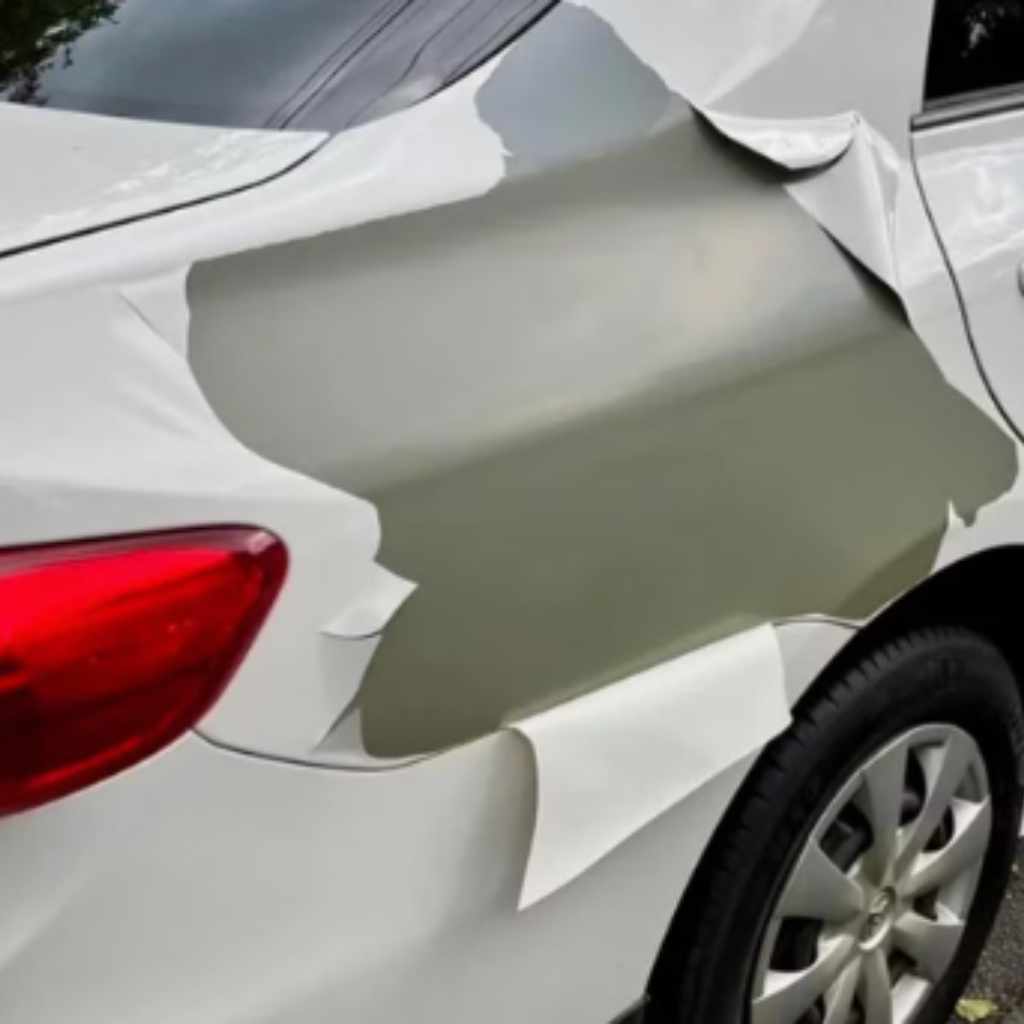
Cracks appear as thin lines on the paint. Over time, these cracks grow bigger. Flaking means pieces of paint start to come off. This exposes the metal beneath. Cracking and flaking show the paint is failing.
Discoloration
White paint may turn yellow or dull. Sunlight and chemicals cause this change. Discoloration weakens the paint’s surface. It makes peeling more likely soon. Watch for uneven color or faded spots.
Preventing Paint Peeling
Preventing paint peeling on cars keeps the vehicle looking new and protects its surface. Peeling happens due to weak paint bonds or exposure to harsh conditions. Taking steps to prevent it saves money and time on repairs.
Proper Surface Cleaning
Clean the car surface before painting. Dirt, grease, and dust stop paint from sticking well. Use a gentle cleaner and a soft cloth. Dry the surface completely to avoid trapping moisture.
Using Quality Paint Products
Choose high-quality paint made for cars. Cheap paint often peels faster. Quality paint forms a strong layer that resists cracking and fading. Follow the instructions carefully to get the best results.
Applying Protective Coatings
Apply a clear protective coat after painting. It shields the paint from sun, rain, and dirt. Protective coatings extend the paint’s life and keep the color bright. Reapply the coating as needed for ongoing protection.
Regular Maintenance
Wash the car regularly to remove harmful substances. Inspect the paint for chips or cracks. Fix small damage quickly to stop peeling from spreading. Parking in shaded areas also helps protect the paint.
DIY Fixes For Peeling Paint
Peeling paint on a white car looks bad and can cause rust. Fixing it yourself saves money and keeps your car looking nice. Follow these easy steps to repair peeling paint at home.
Sanding And Smoothing
Start by sanding the peeling area with fine sandpaper. Remove loose paint and smooth the edges around the peel. This step helps the new paint stick better. Clean the surface with a cloth to remove dust.
Priming The Surface
Apply a primer to the sanded area. Primer helps the paint stick and stops rust. Use a spray primer for even coverage. Let the primer dry completely before moving on.
Repainting Techniques
Choose a paint that matches your car’s white color. Apply thin layers using a spray can or brush. Wait for each layer to dry before adding the next. Build up the paint until it looks smooth and even.
Sealing And Protecting
Finish with a clear coat to protect the new paint. The clear coat adds shine and stops damage. Spray a few light layers and let each dry well. This step makes the repair last longer and keeps your car looking fresh.
When To Seek Professional Help
White paint peeling on cars can be more than just a small issue. Knowing when to get professional help is important. Some problems need expert care to avoid bigger damage or poor repairs. This section explains signs that show when it is time to visit a professional.
Extensive Damage
Peeling paint covering large areas needs expert attention. Small chips can be fixed at home, but big patches require special tools. Professionals can remove loose paint and prepare the surface correctly. This stops rust and keeps the car safe from further harm.
Matching Paint Colors
White paint shades vary a lot. A professional can match the exact color of your car. This keeps your vehicle looking like new. DIY paint jobs often look uneven or dull. Experts use the right paint and finish to blend repairs with the original paint.
Warranty And Insurance Considerations
Some car repairs must be done by professionals to keep warranties valid. Insurance claims for paint damage usually require professional estimates and work. Doing repairs alone may void your warranty or cause claim denial. Professionals provide proper documentation and quality work that insurance companies accept.

Frequently Asked Questions
Why Does White Paint Peel On Cars Frequently?
White paint peels on cars due to poor adhesion or low-quality paint. Exposure to sunlight and moisture also weakens the paint layer. Improper surface preparation before painting can cause peeling. Regular maintenance and using quality paint help prevent this issue.
How Does Sun Exposure Cause White Paint To Peel?
Sun exposure causes white paint to peel by breaking down paint binders. UV rays degrade the paint’s protective layer, making it brittle. This leads to cracking and peeling over time. Using UV-resistant paint and parking in shaded areas can reduce peeling.
Can Moisture Cause White Paint To Peel On Vehicles?
Yes, moisture causes white paint to peel by seeping under the paint surface. This traps water, causing the paint to lose adhesion. Prolonged exposure to rain or humidity worsens peeling. Proper sealing and drying before painting prevent moisture-related peeling.
Is Poor Car Paint Quality Responsible For Peeling?
Poor paint quality often leads to peeling because it lacks durability. Low-grade paints may not bond well with the car surface. They also resist environmental stress poorly. Investing in high-quality automotive paint ensures longer-lasting results and prevents peeling.
Conclusion
White paint peels on cars mainly due to sun damage and poor surface prep. Dirt, moisture, and chemicals also cause paint to lose grip. Regular washing and waxing help protect the paint. Fixing small chips quickly stops peeling from spreading.
Choose quality paint and follow proper painting steps. Your car will look better and last longer with good care. Peeling paint can happen, but you can reduce the risk. Keep an eye on your car’s paint and act fast. Simple steps make a big difference in paint health.