Why Is Hot Air Coming Out of My Car Vents: Essential Fixes
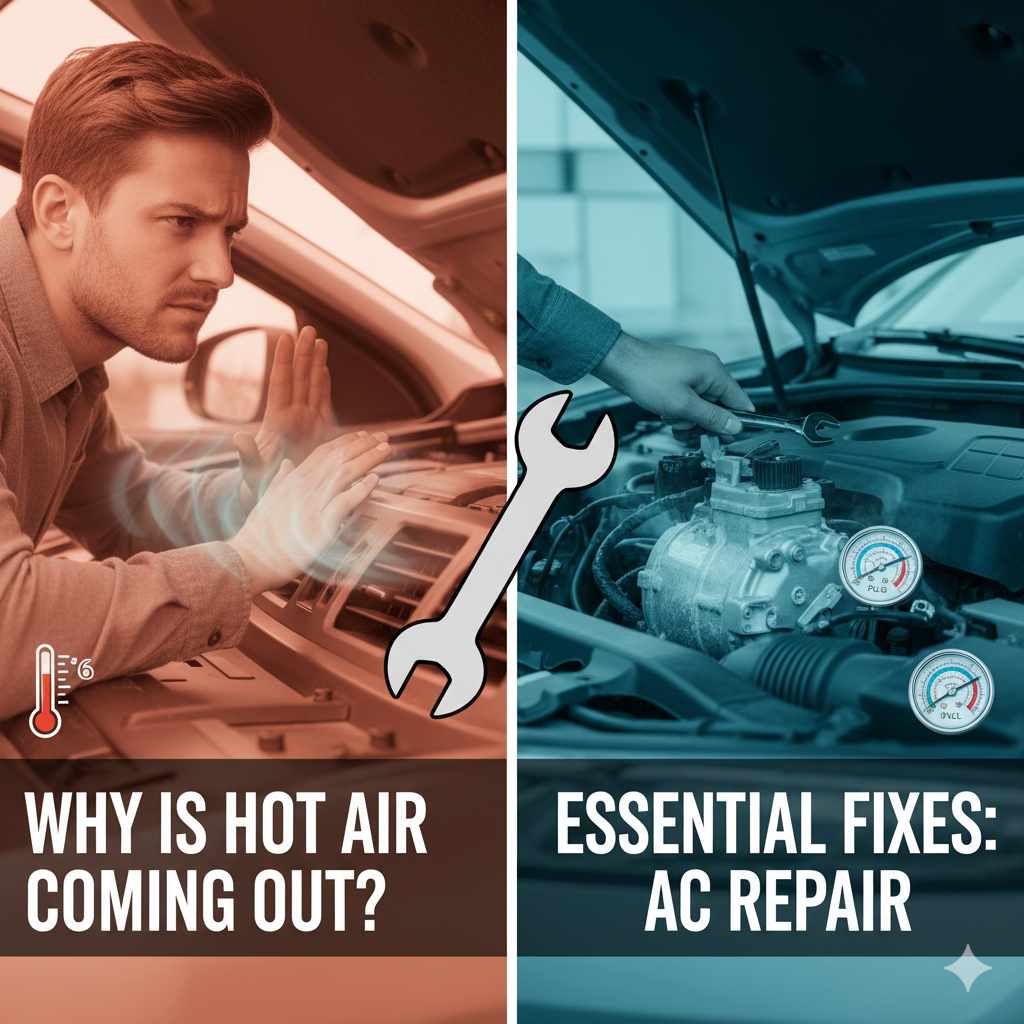
If hot air is blowing from your car vents instead of cool air, it’s likely an issue with your air conditioning system. Common culprits include low refrigerant, a faulty blend door actuator, or a problem with the AC compressor. These fixes range from simple DIY checks to professional repairs, but understanding the cause is the first step to getting cool air back.
Hello there! Md Meraj here, your friendly guide to keeping your car happy and running smoothly. Have you ever hopped into your car on a sweltering day, eager for some cool relief, only to be met with a blast of warm air from the vents? It’s a frustrating experience, especially when you rely on your car’s air conditioning to stay comfortable. But don’t worry, this is a pretty common issue, and often, it’s something we can figure out together. This guide will help you understand why this happens and how to fix it, saving you time and money. We’ll break down the common causes and the straightforward solutions, empowering you to get your cool air flowing again.
Understanding Your Car’s AC System
Before we dive into the “why,” let’s briefly touch upon how your car’s air conditioning system works. It’s a bit like a refrigerator for your car! It uses a special fluid called refrigerant that circulates through a closed loop. This refrigerant absorbs heat from the car’s cabin and releases it outside, making the air that comes through your vents nice and cool. Several key components work together to make this happen: the AC compressor, condenser, expansion valve, and evaporator. When any part of this system isn’t working right, you might start getting that unwanted hot air.
Common Reasons for Hot Air from Vents
There are several reasons why your car might be blowing hot air. Let’s go through the most frequent ones, starting with the easiest to check.
1. Low Refrigerant Levels
This is probably the most common reason for an AC system that isn’t cooling effectively. Refrigerant is the “lifeblood” of your AC. Over time, small leaks can develop in the hoses, seals, or other parts of the AC system, allowing the refrigerant to escape. When the level gets too low, the system can’t effectively cool the air.
How to tell: You might notice that the air is becoming less cold over time, or it’s only slightly cool. You may also hear a faint hissing sound if there’s a significant leak.
The Fix:
- Refrigerant Recharge: For a DIY approach, you can purchase an AC recharge kit from an auto parts store. These kits usually come with a can of refrigerant and a gauge.
- Follow the Instructions Carefully: Attach the gauge to your AC’s low-pressure port (check your car’s manual for its location) and follow the kit’s instructions to add refrigerant. It’s crucial not to overfill.
- Professional Service: If you’re uncomfortable doing this yourself, or if the problem persists after a recharge, it’s best to take it to a mechanic. They can find and fix any leaks and recharge the system properly. A leak in the AC system is a good candidate for requiring professional attention, as refrigerants require careful handling and disposal according to environmental regulations, as noted by the U.S. Environmental Protection Agency (EPA).
2. Faulty Blend Door Actuator
This is a more technical issue, but it’s a very common cause of hot air blowing when you want cool, or vice-versa. Your car has a “blend door” inside the dashboard. This door is controlled by an electric motor called an actuator. Its job is to mix hot air from the heater core with cold air from the evaporator to achieve your desired temperature. If the blend door actuator fails or gets stuck in the “heat” position, you’ll only get hot air, no matter what you set the temperature to.
How to tell: If you can hear clicking or grinding noises coming from behind the dashboard when you change the temperature setting, or if the temperature doesn’t change at all when you adjust the dial/buttons, this could be the culprit.
The Fix:
- Locate the Actuator: These are often located behind the dashboard, sometimes accessible from under the glove box or steering column. Your car’s service manual will be your best friend here.
- Replacement: Once located, the old actuator can be unplugged and unbolted, and a new one can be installed. This can sometimes be a fiddly job, requiring patience.
- Professional Diagnosis: If you can’t easily access it or are unsure, a mechanic can replace it for you. It’s a relatively common and usually affordable part.
3. Issues with the AC Compressor
The AC compressor is like the heart of your AC system. It pressurizes the refrigerant, allowing it to circulate and do its cooling job. If the compressor isn’t engaging or is failing, your AC won’t blow cold air.
How to tell: You might not hear the usual “clutch” engagement sound when you turn on the AC. The compressor pulley might not be spinning with the belt. Sometimes a faulty compressor can also cause strange noises or leaks.
The Fix:
- Check Belt: Ensure the serpentine belt that drives the compressor is intact and properly tensioned. A loose or broken belt means the compressor won’t spin.
- Professional Repair: Compressor issues are generally not a DIY fix. If you suspect your compressor is the problem, it’s time to see a professional mechanic. Replacing a compressor can be a significant repair, and it involves working with the refrigerant system.
4. Clogged Condenser or Evaporator
The AC condenser (usually located at the front of the car, near the radiator) and the evaporator (inside the dashboard) can become clogged with debris over time. The condenser dissipates heat from the refrigerant, and if it’s blocked by leaves, dirt, or bugs, it can’t do its job effectively. Similarly, a clogged evaporator can restrict airflow and cooling.
How to tell: The condenser might look visibly dirty or blocked. If the airflow from your vents is weak overall, even when the AC is on, it could be a sign of a blockage.
The Fix:
- Condenser Cleaning: Gently spray the condenser with water from a hose to remove debris. Be careful not to use high pressure, which could damage the fins.
- Evaporator Cleaning: This is more involved and often requires accessing the passenger cabin through the dashboard or blower motor housing. Sometimes, specialized AC cleaning sprays can be used, but it’s generally a job for a mechanic.
5. Electrical Problems
The AC system relies on several electrical components, including fuses, relays, and sensors. A blown fuse or a faulty relay can prevent the compressor from engaging, or a bad sensor might be giving incorrect readings to the car’s computer.
How to tell: Sometimes, the AC might work intermittently. Other times, nothing happens at all when you try to turn it on.
The Fix:
- Check Fuses and Relays: Consult your car’s owner’s manual to locate the fuse box and identify the fuses and relays related to the AC system. Visually inspect them or test them with a multimeter.
- Professional Diagnosis: For more complex electrical issues, a mechanic will have the specialized tools to diagnose wiring problems and sensor malfunctions.
Troubleshooting Steps: What to Check First
Don’t worry if all this sounds a bit overwhelming. We can break it down into manageable steps. Here’s a practical approach to figuring out why you’re getting hot air:
- Listen When You Turn On the AC: Do you hear a distinct “click” or the engine RPM change slightly? This usually means the AC compressor is trying to engage. If you hear nothing, it could be electrical, a clutch issue, or a very low refrigerant charge.
- Check the Temperature Setting: This might sound obvious, but ensure your climate control is set to “AC” or the snowflake symbol, and the temperature dial is set to the coldest setting. Also, check that the “Recirculate” button (often an arrow in a circle) is on. Running the AC on fresh air mode initially can make it seem like it’s not working well.
- Inspect the Condenser: Pop the hood and look at the front of your car, behind the grille. You’ll see a finned radiator-like component. Is it clogged with leaves, dirt, or road grime? If so, a gentle clean might help improve its efficiency.
- Look for Visible Leaks: While hard to spot sometimes, if you see oily residue around AC hoses or components, it could indicate a refrigerant leak.
- Check Fuses: Your car’s manual will show you where the fuse box is and which fuses are for the AC system. Pull them out one by one and check if any are blown (broken wire inside).
DIY vs. Professional Repair
Deciding whether to tackle a repair yourself or take it to a professional depends on your comfort level, the complexity of the issue, and the tools you have available. Here’s a quick breakdown:
DIY-Friendly Fixes:
- Refrigerant recharge (with a kit and careful adherence to instructions)
- Cleaning the condenser
- Checking and replacing AC fuses and relays
- Visual inspection for obvious component failures (like a loose belt)
When to Call a Professional:
- Suspected AC compressor failure
- Suspected refrigerant leaks that require diagnosis and repair
- Blend door actuator replacement if it’s difficult to access
- Any electrical diagnosis beyond simple fuse checks
- When you’re unsure of the exact problem
Many experts, like those at ASE (National Institute for Automotive Service Excellence), recommend professional inspection for complex AC issues to ensure safety and proper repair.
Cost of Repairs: What to Expect
The cost of fixing hot air from your car vents can vary widely. Here’s a general idea:
| Problem Area | Estimated Cost (Parts & Labor for Professional Repair) | DIY Difficulty |
|---|---|---|
| Refrigerant Recharge (basic, no leak fix) | $75 – $200 | Easy (with kit) |
| Blend Door Actuator Replacement | $150 – $400 | Medium (accessibility varies) |
| AC Compressor Replacement | $500 – $1,500+ | Difficult / Not Recommended |
| Condenser Replacement | $300 – $800 | Medium |
| Fuse/Relay Replacement | $10 – $50 (for parts) | Easy |
These are just estimates, and prices can differ based on your car’s make and model, your location, and the specific shop you visit. Always get a detailed quote before authorizing any work.
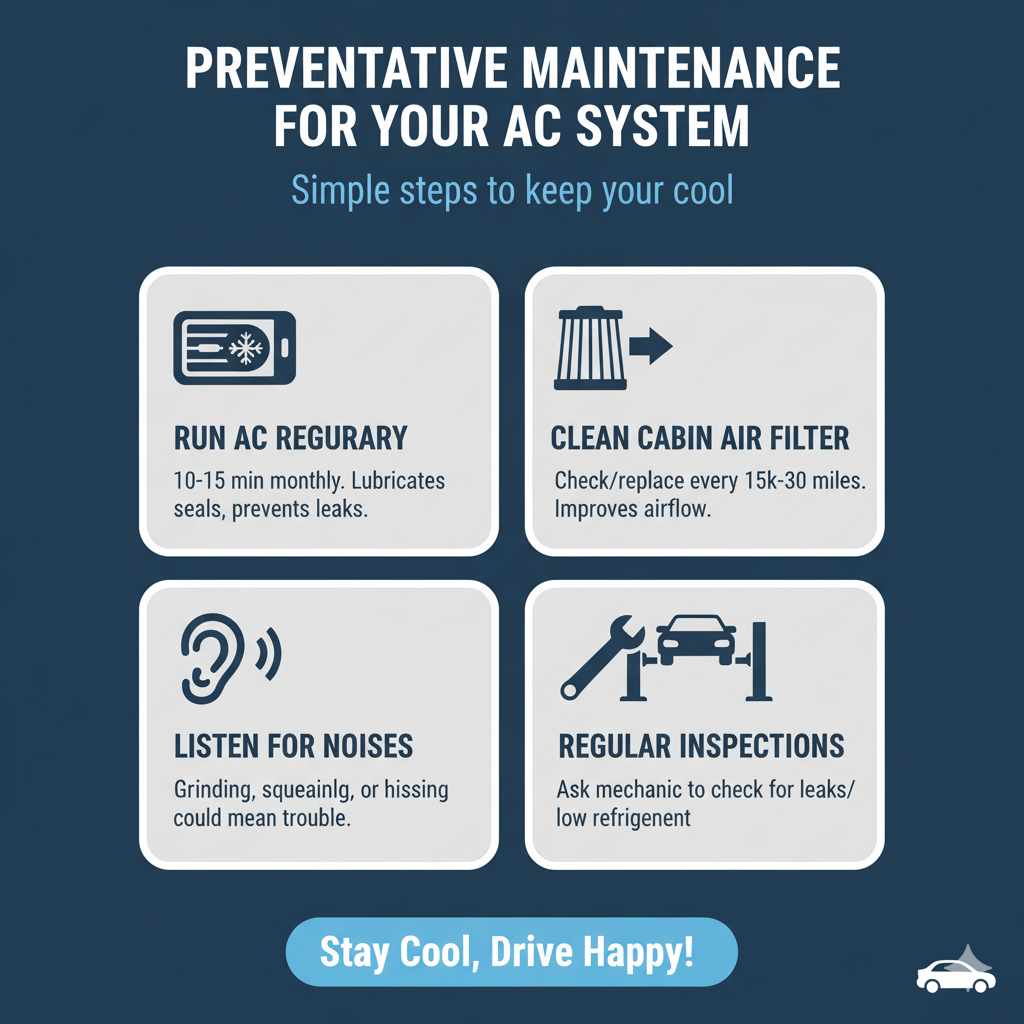
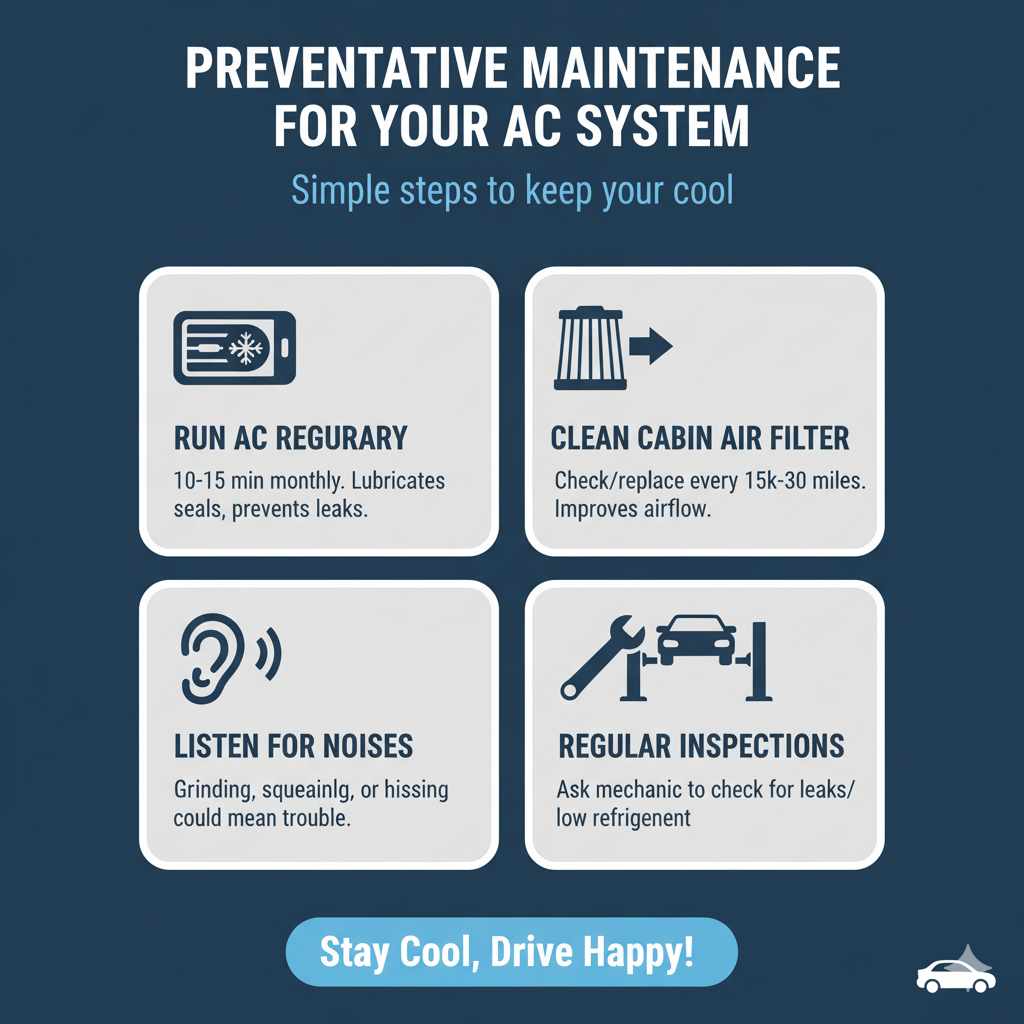
Preventative Maintenance for Your AC System
Keeping your car’s AC system in good shape can prevent future headaches and costly repairs. Here are a few tips:
- Run Your AC Regularly: Even in cooler months, run your AC for about 10-15 minutes once a month. This circulates the refrigerant and keeps seals lubricated, preventing leaks.
- Keep Cabin Air Filter Clean: A clogged cabin air filter restricts airflow from your vents and can strain your AC system. Check and replace it according to your car’s maintenance schedule, usually every 15,000-30,000 miles.
- Listen for Unusual Noises: Pay attention to any new sounds your AC system makes. Grinding, squealing, or hissing can indicate an impending problem.
- Regular Inspections: During routine maintenance, ask your mechanic to check your AC system for leaks or low refrigerant levels.
Frequently Asked Questions (FAQ)
Q1: Why is my car blowing hot air only on really hot days?
On extremely hot days, the AC system works harder. If the system is low on refrigerant or has a component that’s starting to fail, it might struggle to keep up, leading to warm air. It’s often a sign that your AC needs a professional check-up.
Q2: Can I just add more refrigerant if my AC isn’t cold?
You can use a DIY recharge kit if you suspect low refrigerant, but it’s essential to follow instructions precisely and not overfill. Adding refrigerant without fixing a leak is a temporary fix, and the problem will return. Also, using the wrong type of refrigerant can damage your system.
Q3: I hear a rattling noise from my dashboard when I turn on the AC. What could that be?
A rattling sound from behind the dashboard could indicate a loose component, like a blend door actuator, or even debris that has found its way into the air intake. It’s worth investigating to prevent further damage.
Q4: My car AC blows cold sometimes, but then turns hot. What’s wrong?
This often points to an electrical issue with the AC compressor clutch, a failing compressor, or a pressure switch problem. The system might be shutting off intermittently due to a fault code or an overheating component.
Q5: Is it safe to drive my car if the AC is blowing hot air?
Yes, it is safe to drive your car without functional AC. The AC system is separate from your engine’s essential functions. However, it can be uncomfortable, especially in hot weather.
Q6: My car’s AC used to be super cold, but now it barely cools. What changed?
This gradual decrease in cooling performance is a classic sign of low refrigerant. As seals age or minor leaks develop, refrigerant slowly escapes, reducing the system’s efficiency over time. It’s time for a recharge and inspection for leaks.
Conclusion
Dealing with hot air blowing from your car vents can be an annoying problem, but as we’ve seen, it’s usually due to a few common culprits. From simple refrigerant top-ups and condenser cleanings to more involved actuator replacements, there’s a solution for most issues. By understanding your car’s AC system, knowing what to look and listen for, and deciding when to take on a DIY fix or consult a trusted mechanic, you can get your car’s cooling system back in top shape. Remember, a little proactive attention and knowing the basics can save you a lot of discomfort and money in the long run. Stay cool out there!