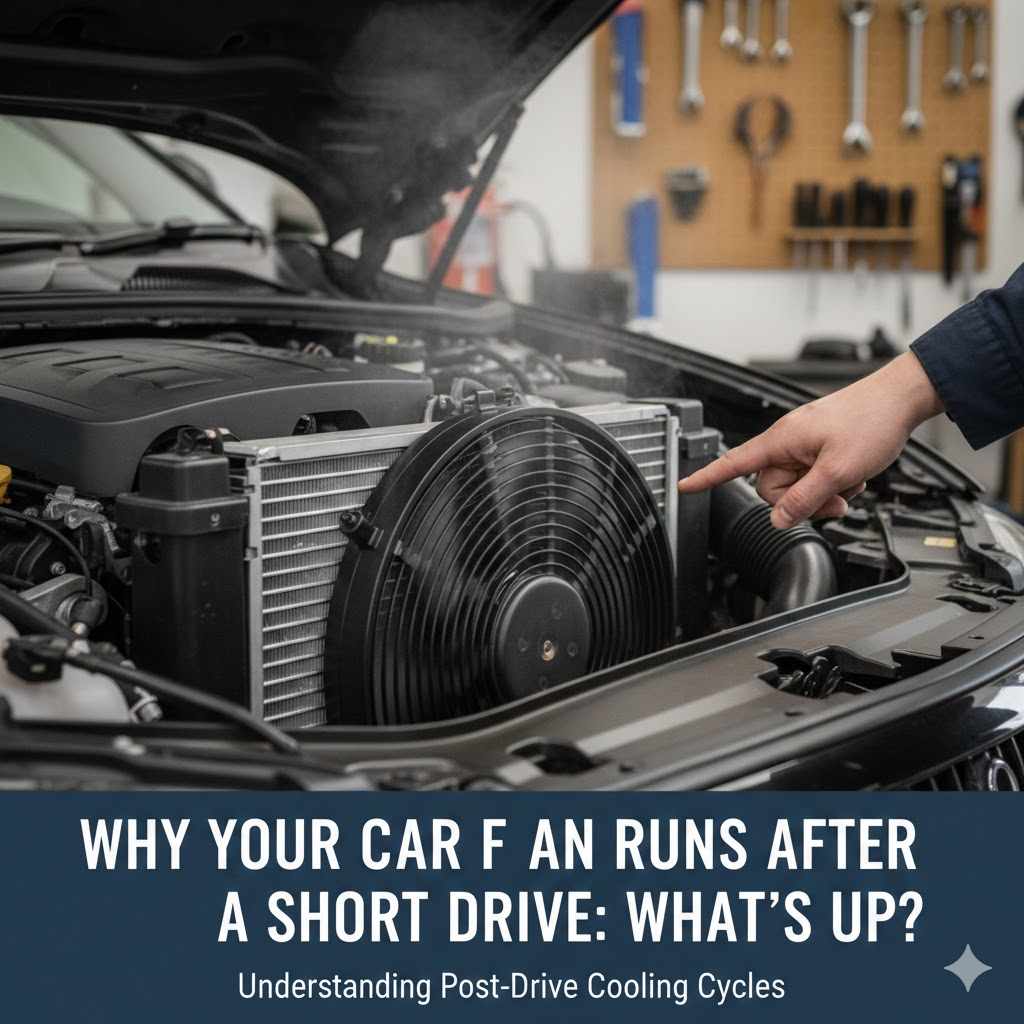
Why Your Car Fan Runs After a Short Drive: What’s Up?
It’s super common to notice that your Car Fan Comes On After Short Journey: Explained. If you’ve ever wondered why this happens, you’re not alone! It can seem a little strange, especially if you think you haven’t been driving for very long. Don’t worry, there’s usually a simple reason. We’re going to break down why this occurs and what you can do about it. Ready to explore the possible causes? Let’s get started!
Why Your Car’s Cooling System Matters
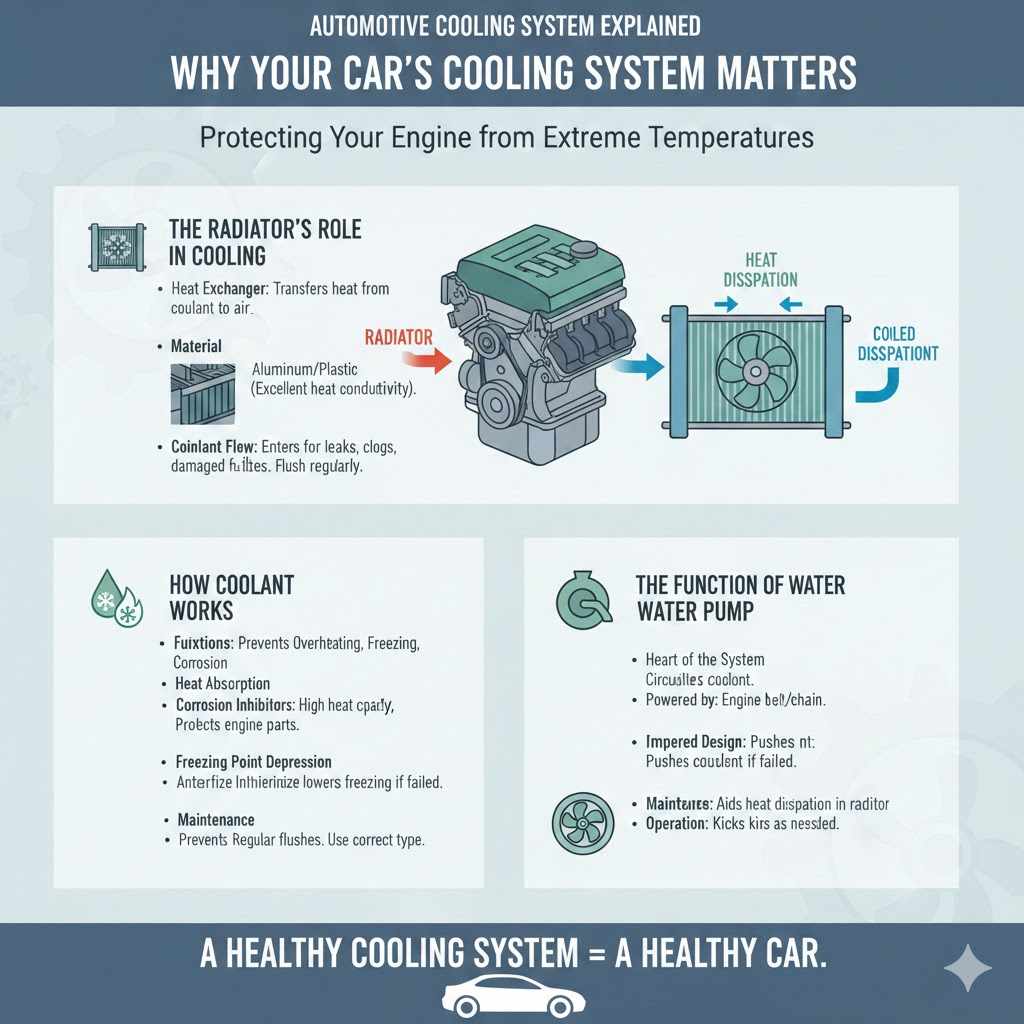
Your car’s cooling system is like its personal climate control. It works to keep the engine from getting too hot, which could cause serious damage. This system relies on a few key parts, including the radiator, coolant, water pump, and, of course, the cooling fan. When the engine starts to warm up, coolant flows through it, absorbing heat. The coolant then passes through the radiator, where the cooling fan helps to dissipate the heat into the air. This process ensures the engine stays within its ideal operating temperature range. It’s important to recognize that the cooling fan isn’t always active; it kicks in when needed.
The Radiator’s Role in Cooling
The radiator is a crucial part of the cooling system. Imagine it as a heat exchanger. Hot coolant from the engine enters the radiator and flows through narrow tubes. The radiator has fins that help to increase the surface area exposed to the air. As the car moves, or when the fan is running, air passes through these fins, taking away heat from the coolant. This cooled coolant then circulates back into the engine, continuing the cycle. Radiators can sometimes get clogged with debris, reducing their ability to efficiently cool the coolant. A well-maintained radiator is essential for your car’s overall health and avoiding overheating.
- Material and Design: Radiators are often made from aluminum or a combination of aluminum and plastic. Aluminum is great at conducting heat, which is why it’s a good choice for this part. The design of the radiator, with its many tubes and fins, is optimized to maximize heat transfer to the air.
- Coolant Flow: The coolant’s flow within the radiator is carefully designed. It usually enters at the top and travels down through the tubes. This design ensures that the coolant spends enough time in contact with the radiator’s surface area to release heat.
- Maintenance: Regular checks of your radiator’s condition are important. Make sure it isn’t leaking, and that the fins aren’t damaged or blocked by anything. Sometimes you need to flush the system to clean out the old coolant and any buildup.
How the Coolant Works
Coolant, often a mixture of antifreeze and water, plays a key role in regulating your engine’s temperature. It not only prevents the engine from overheating, but it also protects it from freezing in cold weather and prevents corrosion. Coolant circulates through the engine, absorbing heat from various components. Then, it carries the heat to the radiator, where it’s released into the air. Regular coolant flushes are required to replace old coolant and any buildup. Using the correct type of coolant for your car is also important to ensure its long-term health and efficiency.
- Heat Absorption: Coolant has a high heat capacity, meaning it can absorb a large amount of heat without a big increase in its own temperature. This is essential for preventing engine damage.
- Corrosion Inhibitors: Coolant often contains special additives to prevent rust and corrosion, which can damage the engine’s internal parts over time.
- Freezing Point Depression: Antifreeze in the coolant lowers its freezing point, preventing it from freezing and damaging the engine in cold weather.
The Function of the Water Pump
The water pump is the heart of the cooling system, circulating the coolant throughout the engine and radiator. Powered by a belt connected to the engine’s crankshaft, the water pump creates pressure that pushes the coolant through the system’s passages. If the water pump fails, the coolant stops circulating, which can quickly lead to overheating and severe engine damage. The water pump’s efficiency directly impacts the cooling system’s performance. You can usually recognize issues with a water pump by a noise it makes or by leaks of coolant.
- Impeller Design: Inside the water pump, an impeller is responsible for moving the coolant. The impeller’s blades are designed to efficiently push the coolant, ensuring it circulates through the engine and radiator.
- Belt or Chain Drive: Water pumps are typically driven by a belt connected to the engine’s crankshaft. Some newer engines use a chain instead. The drive system’s reliability directly affects the water pump’s performance.
- Maintenance Checks: Inspecting the water pump for leaks and unusual noises, such as a grinding sound, is important during regular maintenance.
Why Your Car Fan Comes On After Short Journey: Explained
There are several common reasons why your car fan might keep running after a short drive. The fan’s primary job is to cool down the engine. It is not something to worry about in many instances. Here we will discover what you should know to determine the underlying cause.
Normal Cooling Process
After you switch off your car, the engine is still hot, and its temperature slowly decreases. The engine components retain a lot of heat, which radiates into the surrounding parts. The cooling fan is controlled by a temperature sensor, and it’s designed to run for a short time after the engine is turned off to help cool everything down more quickly. This is especially common in hot weather or if the engine has been under heavy use. This is generally a normal operation.
- Heat Soak: When you switch off the engine, the coolant flow stops, but the engine parts remain hot. This is called heat soak.
- Fan Activation Threshold: The fan turns on when the engine’s temperature reaches a certain level. This setting is programmed for different types of vehicles, and is designed to maintain engine temperature within its optimal working range.
- Cooling Fan Duration: The fan typically runs for a few minutes after the engine is turned off, depending on the outside temperature and the car’s driving conditions.
Engine Temperature Sensor Issues
The engine temperature sensor, also known as the coolant temperature sensor, is a key component in the car’s cooling system. It monitors the engine temperature and sends this information to the car’s computer, called the Engine Control Unit (ECU). The ECU then controls the cooling fan. If the sensor is faulty, it can send inaccurate temperature readings to the ECU, causing the fan to run more than necessary, or not at all. A sensor that fails could also lead to issues like poor engine performance or reduced fuel efficiency. Replacing a faulty temperature sensor can often resolve the issue.
- Sensor Location: The temperature sensor is usually located near the engine’s thermostat or cylinder head. This placement allows it to accurately measure the engine’s coolant temperature.
- Sensor Failure Symptoms: Signs of a faulty temperature sensor include the fan running constantly, the temperature gauge reading incorrectly, or the check engine light coming on.
- Sensor Testing: You can test the temperature sensor with a multimeter to verify if it’s functioning correctly.
Thermostat Problems
The thermostat regulates the flow of coolant. It acts as a valve that opens and closes depending on the engine’s temperature. When the engine is cold, the thermostat stays closed to allow the engine to heat up quickly. As the engine warms, the thermostat opens, allowing coolant to flow through the radiator to be cooled. If the thermostat is stuck closed, coolant won’t circulate properly, leading to overheating and the fan running constantly. Also, a thermostat that opens too early or doesn’t open fully can cause the engine to run cooler than ideal, affecting fuel efficiency and engine performance. Checking the thermostat is a good part of the overall assessment of why your car fan may be running.
- Operation Temperature: Thermostats are designed to open at a specific temperature, usually around 180-195°F (82-90°C).
- Symptoms of Thermostat Issues: Besides the fan running all the time, other signs include the engine overheating, the temperature gauge fluctuating, or the heater blowing cold air.
- Thermostat Replacement: Replacing a faulty thermostat involves draining coolant, removing the old thermostat, and installing a new one.
Addressing Car Fan Issues: Steps and Solutions
If you find your car’s fan running more often than usual after short drives, there are some steps you can take to determine the cause and fix it. Following these steps can help you protect your car and prevent more serious problems.
Checking Coolant Levels and Quality
One of the first steps should be to check the coolant level in your car. Low coolant levels can cause the engine to overheat, making the fan run longer than usual. Also, the quality of your coolant is important. Over time, coolant can become contaminated and lose its effectiveness. Look for signs of leaks or any unusual colors or particles in the coolant. Ensure the coolant meets your car manufacturer’s specifications. If the coolant is low, add the recommended type, and if it appears dirty, consider getting a coolant flush to restore its cooling efficiency.
- Coolant Level Inspection: Check the coolant reservoir and radiator when the engine is cold. The level should be between the minimum and maximum marks on the reservoir.
- Coolant Type and Specifications: Use the right type of coolant recommended for your vehicle. Different cars require different types to protect the engine components.
- Coolant Leaks: Look for any signs of coolant leaks around the radiator, hoses, and water pump.
Inspecting the Radiator and Hoses
The radiator and hoses are crucial parts of the cooling system. Make sure to visually check your radiator for any leaks or damage. Check the fins for any obstructions. Hoses can crack or deteriorate over time, leading to coolant leaks. Gently squeeze the hoses to check their condition and make sure they are not soft or brittle. Replace any damaged hoses immediately. Cleaning your radiator may also improve performance.
- Radiator Inspection: Inspect the radiator for any visible damage or leaks. Check the fins for blockage by debris or bugs.
- Hose Conditions: Look for cracks, bulges, or leaks in the hoses. Soft or brittle hoses need to be replaced.
- Radiator Cleaning: Sometimes, cleaning the outside of the radiator can help improve air flow and cooling efficiency.
Diagnosing Sensor or Thermostat Problems
If checking the coolant and the radiator doesn’t solve the problem, the engine temperature sensor or the thermostat may be faulty. You can use an OBD-II scanner to read the engine’s temperature and look for any error codes that could point to the sensor. The thermostat can be tested to see if it opens and closes at the correct temperature. If you’re not comfortable with these procedures, it’s best to take your car to a mechanic for a complete diagnosis and repair. Ignoring these issues can lead to more serious problems, such as engine overheating and damage.
- OBD-II Scanner: An OBD-II scanner can help diagnose sensor issues and provide real-time engine data.
- Thermostat Testing: The thermostat can be tested using a pot of water and a thermometer to check its opening and closing temperatures.
- Professional Assessment: When you’re not familiar with these components, a mechanic can help you locate the issue, diagnose it accurately, and perform the necessary repairs.
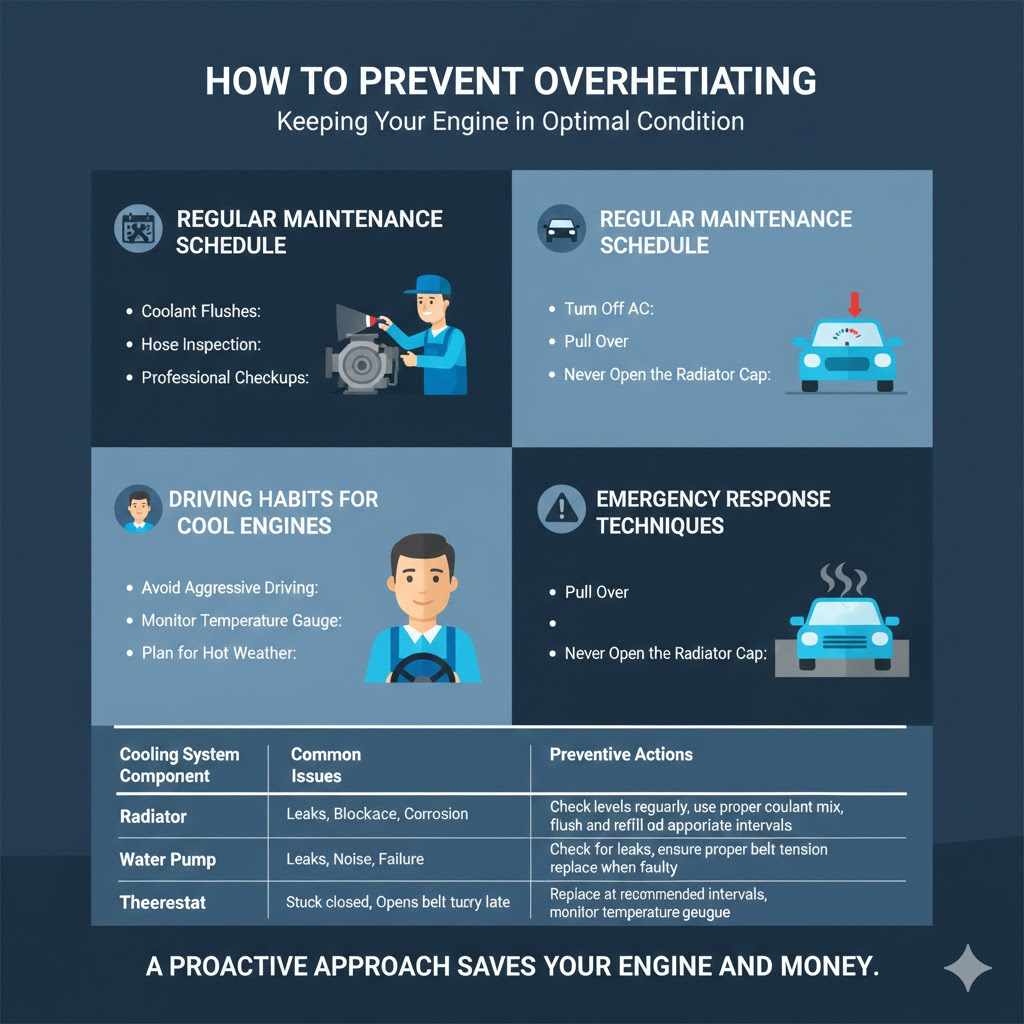
How to Prevent Overheating
Preventing your car from overheating is important to keep your engine in good shape. Regular maintenance, smart driving habits, and an awareness of potential problems can go a long way in ensuring your car’s reliability. Here’s a deeper look at the things you can do to prevent overheating.
Regular Maintenance Schedule
Following a regular maintenance schedule is a key way to prevent overheating. This includes routine checks and replacements of critical cooling system components. Regular coolant flushes are required to replace old coolant and remove buildup. Make sure your radiator and hoses are inspected regularly, and consider having the cooling system pressure-tested to check for leaks. Sticking to the manufacturer’s recommended service intervals for your car’s cooling system ensures that all components are working correctly. It prevents breakdowns from taking place.
- Coolant Flushes: Get your car’s cooling system flushed according to the manufacturer’s recommendations.
- Hose Inspection: Check your car’s hoses for cracks, bulges, and leaks.
- Professional Checkups: Have your mechanic check your cooling system regularly for potential problems.
Driving Habits for Cool Engines
Your driving style can greatly impact your engine’s temperature. Try to avoid pushing your car too hard, especially in hot weather. If you notice your car’s temperature gauge rising, stop the car and let it cool down before continuing. Be aware of your car’s performance and address any issues quickly. Avoiding these driving habits can help keep your engine temperature stable and prevent overheating.
- Avoid Aggressive Driving: Avoid rapid acceleration and high speeds, especially in hot conditions.
- Monitor Temperature Gauge: Keep an eye on your car’s temperature gauge and take action if it begins to rise.
- Plan for Hot Weather: If you are aware of hot weather conditions, consider adding extra maintenance to your car’s maintenance schedule.
Emergency Response Techniques
Even with careful maintenance, overheating can still occur. If your car begins to overheat, there are steps to take. Turn off your air conditioning and pull over to a safe place immediately. Do not open the hood immediately, as steam can cause severe burns. Wait for the engine to cool down before checking coolant levels. Call for roadside assistance if you are not comfortable addressing the issue. Knowing what to do in an emergency can limit the damage to your engine.
- Turn Off AC: Turn off your car’s air conditioning to reduce the strain on the engine.
- Pull Over: Safely pull over and turn off the engine to allow it to cool down.
- Never Open the Radiator Cap: Never open the radiator cap while the engine is hot.
| Cooling System Component | Common Issues | Preventive Actions |
|---|---|---|
| Radiator | Leaks, Blockage, Corrosion | Regular inspection, Flushes, use correct coolant |
| Coolant | Low levels, Contamination, Degradation | Check levels regularly, use proper coolant mix, flush and refill at appropriate intervals |
| Water Pump | Leaks, Noise, Failure | Check for leaks, ensure proper belt tension, replace when faulty |
| Thermostat | Stuck closed, Opens too early or late | Replace at recommended intervals, monitor temperature gauge |
Frequently Asked Questions
Question: Why does my car fan run for a few minutes after a short drive?
Answer: It’s normal for your car fan to run briefly after you switch off the engine. This is because the engine components stay hot, and the fan helps to cool everything down more quickly.
Question: Could a low coolant level make my car’s fan run more often?
Answer: Yes, if your coolant level is low, your engine could overheat, and the fan will run more often to compensate.
Question: What’s the function of a thermostat in my car?
Answer: The thermostat regulates the coolant’s flow. It opens and closes based on the engine’s temperature to help maintain the correct operating temperature.
Question: What should I do if my car’s temperature gauge is always high?
Answer: If the temperature gauge is always high, pull over and turn off your engine. Check your coolant level, and have your car checked by a mechanic as soon as possible.
Question: How can I tell if my car’s temperature sensor is faulty?
Answer: A faulty temperature sensor can cause the fan to run constantly, or it may impact your engine’s performance. The check engine light might also come on. You might need a mechanic to diagnose the sensor issue, but an OBD-II scanner can provide you with information to give to a mechanic.
Final Thoughts
When the Car Fan Comes On After Short Journey: Explained, it’s often a sign that the engine needs a little extra cooling. While it’s frequently normal behavior, especially in hot weather, knowing the reason behind it can help you maintain your car. You’ve now explored why the fan might run, from the normal cooling process to potential problems with the sensor or the thermostat.
Remember to check your coolant levels, inspect the radiator and hoses, and be aware of your car’s driving habits. If you notice any unusual activity, don’t hesitate to consult a mechanic. This simple awareness can help protect your vehicle and provide peace of mind.