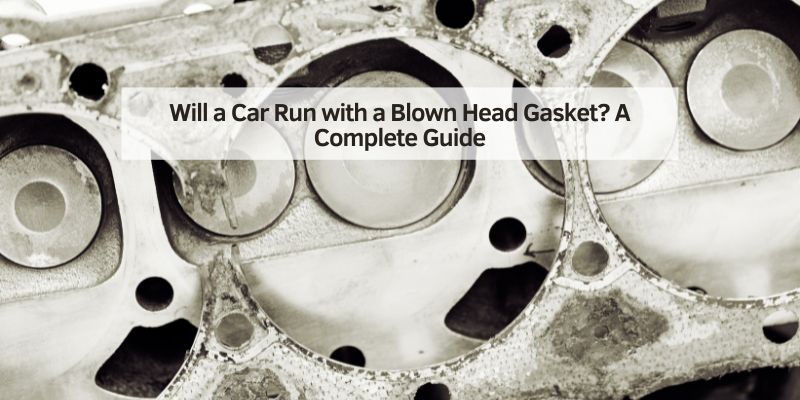
Will a Car Run with a Blown Head Gasket? A Complete Guide
Hey there! So, you’re wondering if a car can still run with a blown head gasket? It’s a great question, and one I’ve had to figure out myself after a scary moment with my old pickup truck. A few years back, I noticed steam pouring out from under the hood and a weird smell in the cabin. That’s when I learned about head gaskets and how serious they can be. I’ve spent hours talking to mechanics, researching, and even helping fix one, so I’m excited to share what I know.
A blown head gasket is a big deal, but don’t worry—I’ll break it all down for you in simple terms. Let’s sit down together and go through what it means, what happens, and what you can do about it. By the end, you’ll feel like an expert on this engine trouble. Ready? Let’s get started!
What Is a Head Gasket and Why Is It Important?
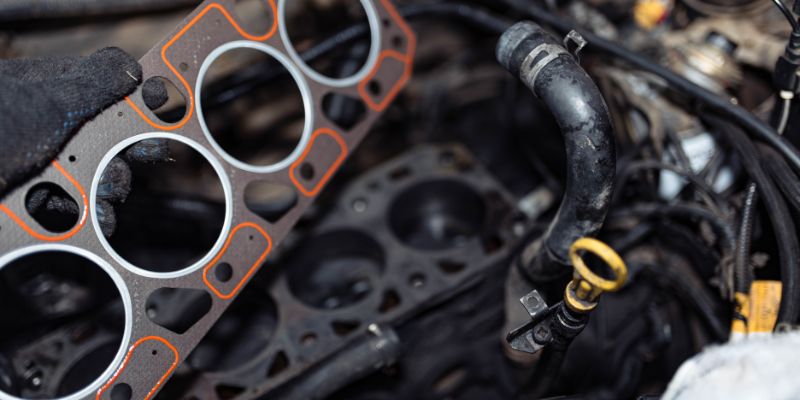
First, let’s talk about what a head gasket is. I had no clue when I first heard the term. Picture the engine in your car—it’s got a cylinder head and an engine block. The head gasket is a thin, tough seal that sits between them. It’s like a sandwich layer that keeps everything in place.
This gasket has a big job. It seals the combustion chambers so the engine can create power. It also keeps oil and coolant from mixing and prevents leaks. When I looked under the hood of my truck, I learned that without a good head gasket, the engine can’t work properly. It’s a small part, but it’s super important for keeping your car running smoothly.
What Does It Mean to Have a Blown Head Gasket?
A blown head gasket happens when that seal fails. It could crack, warp, or just wear out. When this happens, the engine starts having problems. I remember my mechanic showing me how the gasket in my truck had a tiny crack that caused big trouble.
When the gasket blows, it can let oil and coolant mix, allow exhaust gases to escape, or cause the engine to lose compression. That’s why my truck was overheating and making weird noises. It’s not just a small leak—it can mess up the whole engine if you don’t fix it. Knowing what “blown” means helped me understand why my car was acting so strangely.
Can a Car Run with a Blown Head Gasket?
Here’s the big question: Will your car still run if the head gasket is blown? The short answer is yes, it might run, but it’s not a good idea. When my truck’s head gasket blew, it still started and drove for a bit. But it was struggling, and I could tell something was wrong.
A car with a blown head gasket might run for a short time, but it’s like limping along. The engine could overheat, lose power, or even stop working completely. I learned the hard way that driving with a blown head gasket can cause serious damage, like a cracked engine block or warped cylinder head. So, while it might technically run, you’ll want to address it fast to avoid bigger problems.
Symptoms of a Blown Head Gasket
When I first noticed issues with my truck, I wasn’t sure what was going on. A mechanic friend helped me spot the signs of a blown head gasket. Here’s what to look for:
- Overheating: The engine gets hot fast because the coolant leaks or doesn’t circulate. My truck’s temperature gauge shot up quickly.
- White Smoke from Exhaust: If coolant gets into the combustion chamber, it burns and creates white smoke. I saw this pouring out of my tailpipe.
- Milky Oil: When coolant mixes with oil, it looks like chocolate milk on the dipstick. I checked my oil and was shocked to see it.
- Bubbles in the Radiator: If you see bubbles in the coolant reservoir, exhaust gases might be leaking in. I noticed this when I popped the hood.
- Loss of Power: The engine feels sluggish because it’s losing compression. My truck could barely climb a hill.
- Coolant Loss: If you’re constantly adding coolant with no visible leaks, the head gasket might be letting it escape. I was refilling my coolant every few days.
If you see these signs, don’t ignore them like I did at first. They’re red flags that your head gasket needs attention.
What Causes a Head Gasket to Blow?
I was curious why my truck’s head gasket failed in the first place. After some digging, I learned there are a few common causes:
- Overheating: If the engine gets too hot, it can warp the head gasket or cylinder head. My truck overheated after I ignored a low coolant warning.
- Wear and Tear: Over time, gaskets just wear out, especially in older cars. My truck was 15 years old, so it wasn’t a huge surprise.
- Poor Installation: If a head gasket was replaced badly in the past, it might fail again. I found out my truck had a cheap repair years ago.
- Engine Stress: High-performance driving or towing heavy loads can strain the gasket. I used my truck for hauling, which didn’t help.
- Detonation Issues: Problems like improper fuel mixtures can cause engine knocking, which damages the gasket. My mechanic said this was a factor for me.
Understanding these causes helped me take better care of my next car to avoid the same problem.
How Serious Is a Blown Head Gasket?
Let me be straight with you—a blown head gasket is a serious issue. When mine went, I thought I could just keep driving for a bit. Big mistake. The damage can spread fast. Coolant in the oil can ruin engine bearings. Overheating can crack the engine block. I learned that fixing it early can save you thousands of dollars.
For me, the repair cost about $1,500, but ignoring it could’ve meant a new engine—$5,000 or more. It’s not just about money, though. A blown head gasket can leave you stranded or make your car unsafe to drive. I was lucky to catch it before things got worse.
Can You Fix a Blown Head Gasket Yourself?
When I found out how expensive the repair was, I wondered if I could fix it myself. I’m pretty handy, so I looked into it. Here’s what I learned: fixing a head gasket is a big job. It involves taking apart the engine, which requires special tools and know-how.
I watched a mechanic friend do it, and it was intense. You have to remove the cylinder head, replace the gasket, and make sure everything’s sealed perfectly. If you mess up, you could cause more damage. I decided to leave it to the pros, but if you’re a skilled DIYer with the right tools, it’s possible. For most of us, though, a mechanic is the way to go.
What’s Involved in a Professional Head Gasket Repair?
When I took my truck to the shop, I was curious about what they’d do. Here’s the process they explained:
- Diagnosis: They check for symptoms like milky oil or white smoke to confirm the head gasket is blown.
- Disassembly: The mechanic removes the cylinder head, which takes a few hours. I watched them carefully label every part.
- Inspection: They check the cylinder head and block for damage, like warping or cracks. My truck’s head needed resurfacing.
- Gasket Replacement: They install a new head gasket and reassemble everything with fresh bolts and seals.
- Testing: After reassembly, they test the engine to make sure it’s running right. My truck felt like new when they were done.
The whole job took two days and cost me $1,500, but it was worth it to save my truck.
Here’s a table summarizing the repair process:
| Step | Action | Time Needed |
|---|---|---|
| Diagnosis | Check for blown head gasket signs | 1-2 hours |
| Disassembly | Check for damage to the head or block | 3-5 hours |
| Inspection | Run the engine to ensure proper repair | 1-2 hours |
| Gasket Replacement | Install new gasket and seals | 2-4 hours |
| Testing | Run engine to ensure proper repair | 1-2 hours |
How Much Does It Cost to Fix a Blown Head Gasket?
Cost was a big worry for me. In the U.S., fixing a blown head gasket isn’t cheap. Here’s what I found out:
- Labor: Most of the cost is labor since it’s a complex job. My mechanic charged $80 per hour, and it took about 10 hours.
- Parts: A head gasket kit costs $50-$200, depending on the car. My truck’s kit was $100.
- Additional Repairs: If the cylinder head or block is damaged, you might need resurfacing ($200-$500) or replacement ($1,000+). I paid $300 for resurfacing.
- Total Cost: On average, expect $1,000-$2,500. My repair was $1,500, but luxury or performance cars can cost more.
I shopped around and got quotes from three shops to find a fair price. It’s worth asking about warranties—my shop offered a one-year guarantee.
Can You Drive with a Blown Head Gasket?
I’ll be honest—I tried driving my truck for a few days after noticing the symptoms. It ran, but it was rough. The engine overheated, and I lost power going uphill. My mechanic warned me that driving with a blown head gasket is risky. It can:
- Damage the Engine: Coolant in the oil can wreck bearings and other parts.
- Cause Overheating: This can crack the engine block or head, which is super expensive to fix.
- Leave You Stranded: The car might stop running at the worst time. I almost got stuck on a busy road.
If you must drive, keep it short and get to a mechanic ASAP. I limped my truck to the shop, but I wouldn’t do it again.
Temporary Fixes: Do They Work?
When I couldn’t afford the repair right away, I looked into temporary fixes like head gasket sealants. These are liquids you pour into the radiator to “patch” the leak. I tried one called BlueDevil, and it worked for a week, but the problem came back.
My mechanic said sealants are a gamble. They might clog the cooling system or cause other issues. I decided they’re okay for an emergency, like getting to the shop, but not a long-term fix. A proper repair is the only way to do it right.
Preventing a Blown Head Gasket
After my truck’s repair, I wanted to make sure it never happened again. Here’s what I started doing:
- Monitor Coolant: I check my coolant level monthly and top it off if needed. Low coolant can lead to overheating.
- Watch the Temperature: I keep an eye on the temperature gauge. If it starts climbing, I pull over.
- Regular Maintenance: Oil changes and tune-ups keep the engine healthy. I stick to my car’s maintenance schedule now.
- Avoid Overloading: I don’t tow heavy loads anymore unless my car’s built for it.
- Use Quality Parts: If you replace a head gasket, use a high-quality one. My mechanic used an OEM gasket, and it’s held up great.
These habits have kept my new car running smoothly with no head gasket issues.
Environmental Impact of a Blown Head Gasket
A blown head gasket isn’t just bad for your car—it’s bad for the planet. I noticed my truck was burning coolant, which released harmful fumes. Leaking oil or coolant can also pollute the ground or waterways. Fixing it quickly reduces emissions and prevents environmental damage. I felt better knowing my repair helped the environment, even in a small way.
Why I’m Glad I Fixed My Head Gasket
Dealing with a blown head gasket was stressful, but getting it fixed was a game-changer. My truck runs like a dream now, and I don’t worry about breaking down. The repair wasn’t cheap, but it saved me from buying a new car. Plus, I learned how to spot problems early and take better care of my engine. It’s a lesson I’ll carry with every car I own.
Wrapping It Up
So, will a car run with a blown head gasket? It might, but it’s a risky move that can lead to bigger problems. I’ve been through the stress of a blown head gasket, and I’m here to tell you—don’t ignore it. From spotting the signs to getting it fixed, you now know what to look for and what to do. Whether you’re dealing with white smoke, overheating, or just a gut feeling that something’s wrong, act fast. A quick repair can save your car and your wallet. So, keep an eye on your engine, trust your instincts, and drive with confidence knowing you’ve got this covered. Your car deserves it, and so do you!
FAQs
How do I know if my head gasket is blown?
Look for overheating, white smoke from the exhaust, milky oil, or bubbles in the radiator. I noticed my truck overheating and saw white smoke, which was a clear sign.
Can I keep driving with a blown head gasket?
It’s not safe. The car might run for a bit, but you risk serious engine damage. I drove mine briefly and regretted it—get to a mechanic fast.
How much does it cost to fix a blown head gasket?
Expect $1,000-$2,500, depending on the car and damage. My truck cost $1,500, but luxury cars can be pricier.
Can I fix a blown head gasket myself?
It’s possible if you’re skilled and have tools, but it’s a big job. I left mine to a mechanic to avoid making things worse.
Are head gasket sealants a good fix?
They might work temporarily, like for a week in my case, but they’re not a long-term solution. A proper repair is the best way to go.