Will Silly String Damage Car Paint?
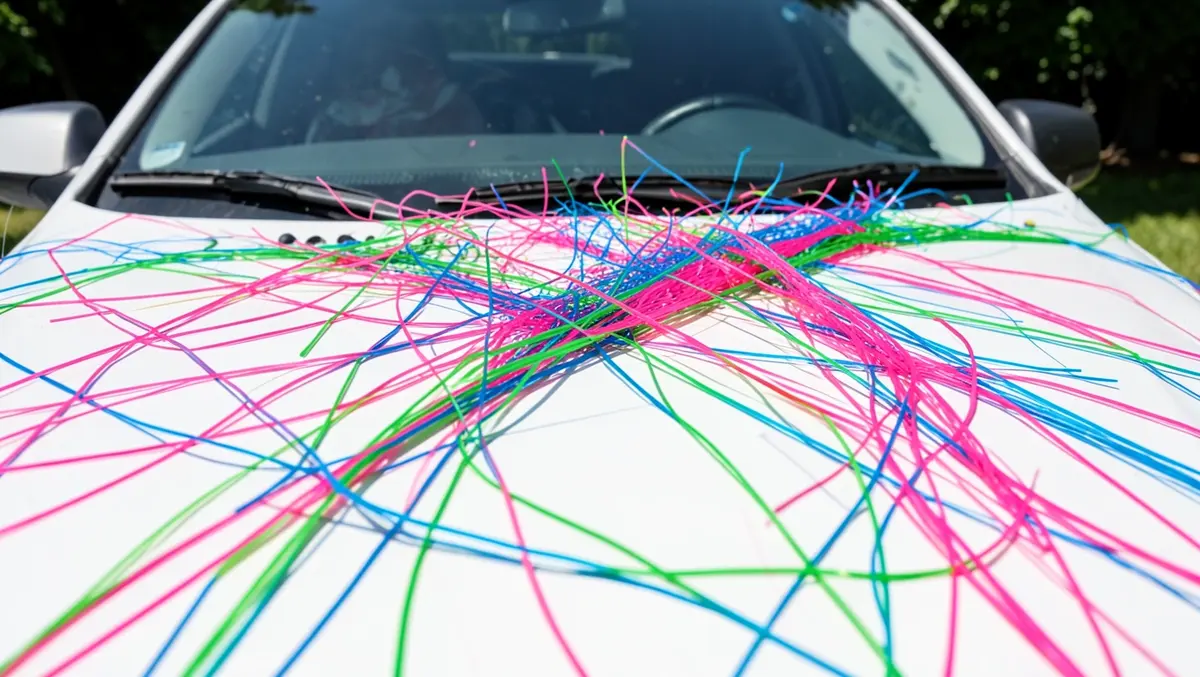
Yes, Silly String can damage car paint, but only if you leave it on. The dye and propellant rinse off in seconds with plain water, but the solvent in the formula, diethylene glycol monobutyl ether, can start softening a clear coat if it bakes in direct sun for a few hours. Rinse it off within an hour or so and there’s essentially no risk; let it dry hard on a hot hood overnight and you can end up with a dull, etched patch that needs polishing out.
Here’s what’s actually in the can, how much time you really have, and the safest way to get it off without leaving swirl marks.
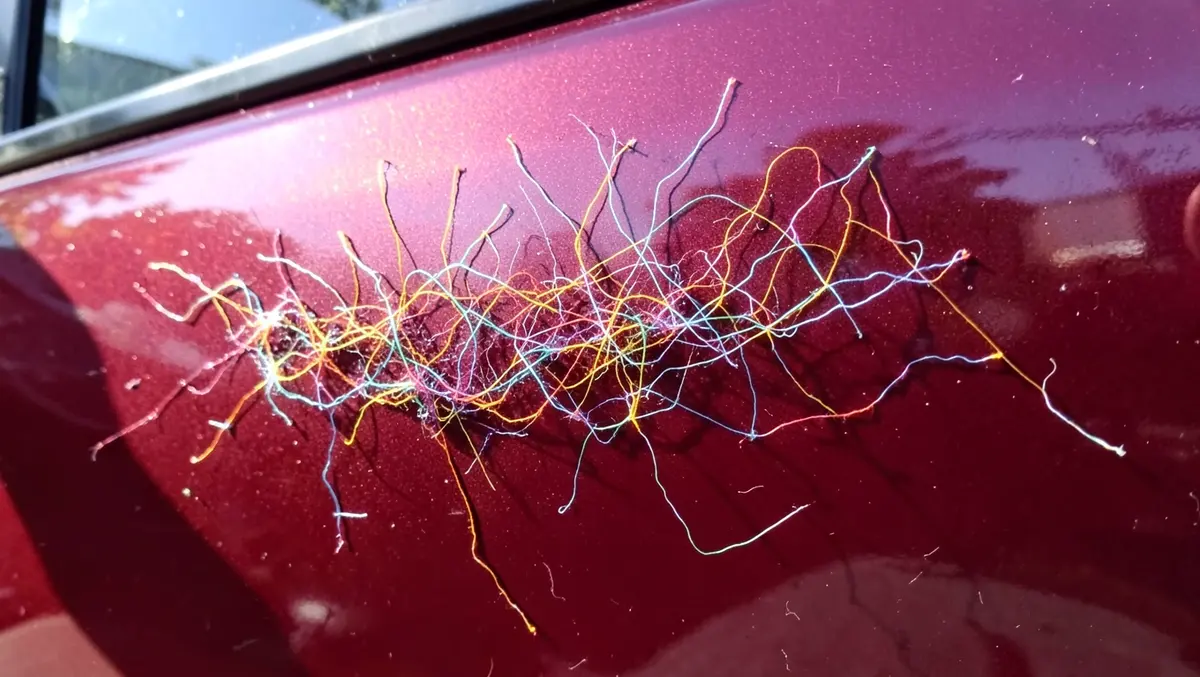
How to Remove Silly String From Car Paint Safely
BEST FOR REMOVING DRIED SILLY STRING RESIDUE
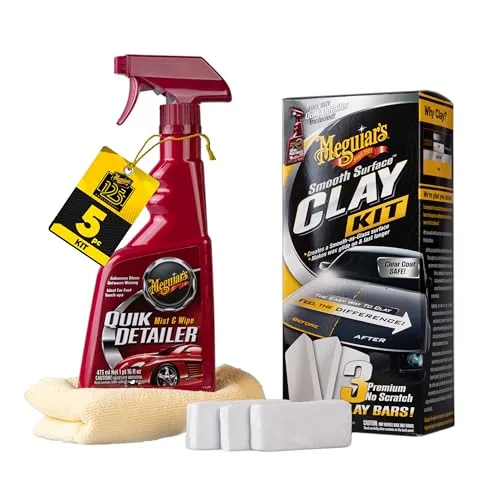 |
Meguiar’s Smooth Surface Clay Kit – $17.19 A clay bar lifts dried, hardened string residue out of the clear coat without the scratching risk of scraping or scrubbing.
|
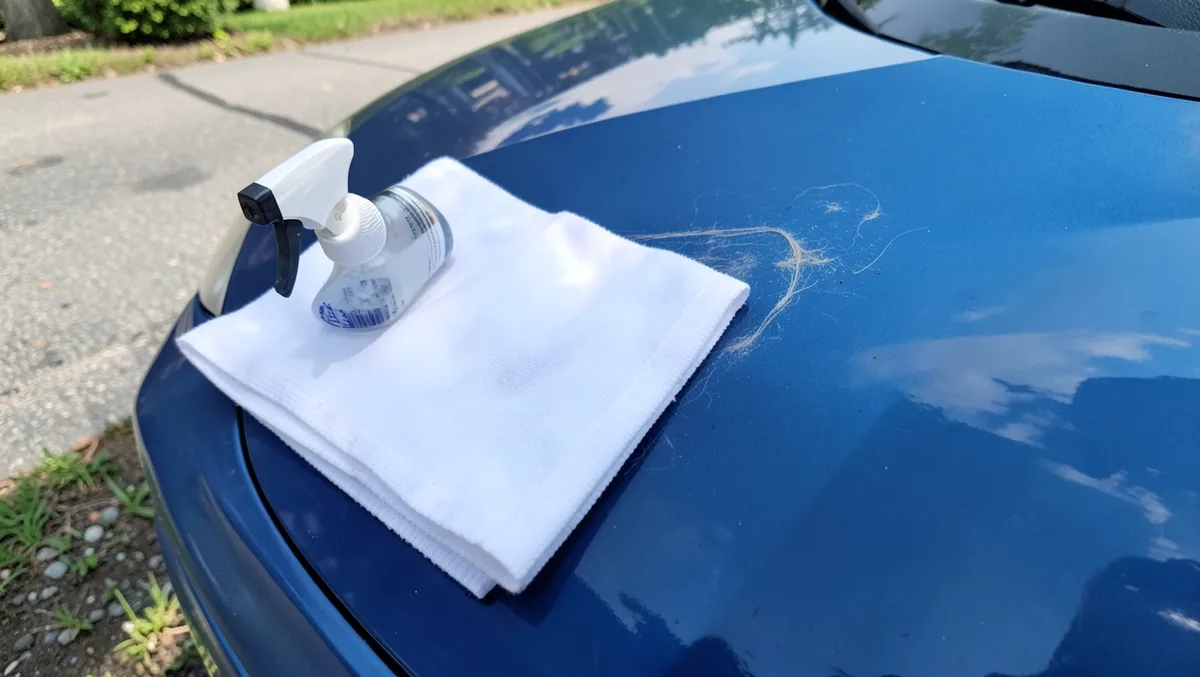
Move fast and you can treat this like any other soft debris on the paint. Start by hosing the car down with plain water to knock loose as much of the string as possible before it has a chance to set – a garden hose or a pressure washer on a wide, low-pressure setting works well. Wash the area with a car wash soap made for painted surfaces and a clean microfiber wash mitt, rinsing often so you’re not dragging dried bits across the paint. Skip the dish soap – it strips wax and leaves the clear coat more exposed, which is the opposite of what you want here.
If any string has already dried and hardened, don’t pick or scrape at it – that’s what actually causes the fine scratches people blame on the chemicals. Instead, saturate the residue with a light solvent like WD-40, or a dedicated adhesive remover, let it sit for a minute to soften, then wipe it away with a soft cloth. For stubborn spots that leave a slight texture behind, a clay bar with clay lubricant will lift the last of the resin out of the clear coat without marring it. Finish with another soap-and-water wash to clear off any solvent residue, then check the area in good light before deciding it needs polish.
What’s Actually in Silly String That Can Hurt Paint
The can that makes Silly String work has three basic parts: a resin that forms the actual “string” as it hits the air, a solvent that keeps everything liquid until it leaves the nozzle, and a propellant (traditionally propane or a similar gas) that pushes it out. The solvent most often named in ingredient breakdowns is diethylene glycol monobutyl ether, a glycol ether also used in some degreasers and paint strippers – it’s what gives Silly String its faint solvent smell and its ability to soften certain plastics and coatings on contact.
“Silly String” itself is a trademarked brand name, long sold by Wham-O and now by Poof-Slinky/JA-RU, and several other companies sell nearly identical aerosol string sprays under different names. The formula and the risk to paint are essentially the same no matter which can you buy, since the ingredient doing the damage is the solvent, not the brand.
Why Heat and Time Make It Worse
A clear coat is a hard, cured urethane layer, and in normal daily use it shrugs off plenty of chemical splashes because they don’t sit around long enough to do anything. Silly String is different mainly because of how it behaves once it lands: the solvent doesn’t flash off instantly the way it does in the air, and the resin left behind sticks to the surface as it dries into a hard, thread-like film. If that film sits in direct sun, the paint underneath can reach well over 140 degrees F, and heat speeds up any chemical softening the solvent was already capable of doing. It’s the same kind of question as whether Rain-X is bad for your car’s paint – the answer comes down to contact time and the specific chemistry involved, not just whether a product “contains chemicals.”
That combination, solvent contact plus heat plus time, is what turns a harmless-looking prank into a dulled patch or a faint etch mark in the clear coat. Newer vehicles with modern two-stage clear coats tend to hold up better than older single-stage paint, but no factory finish is designed to have a solvent sitting on it for hours in direct sun.
How to Prevent Silly String Damage
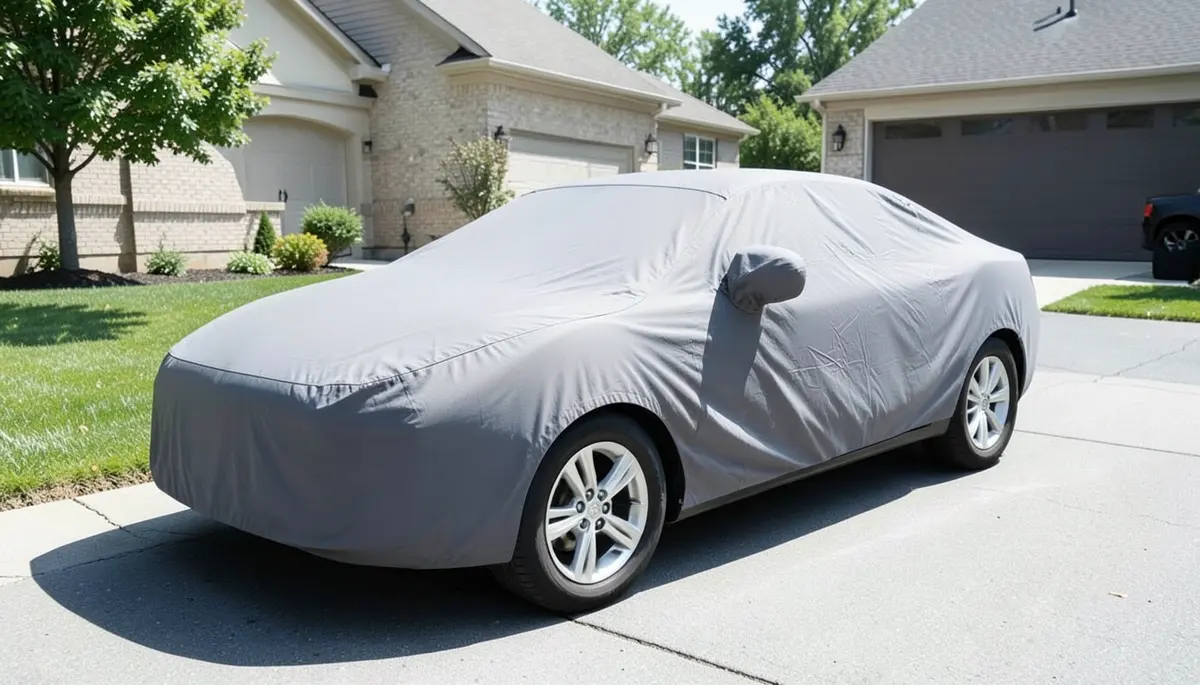
The simplest fix is time: if you know a party, wedding send-off, or prank war is coming, park the car in a garage or under a carport instead of leaving it in direct sun. A snug-fitting car cover does the same job for a car that has to stay outside – the string never actually touches the paint. A fresh coat of wax or a ceramic spray sealant also helps, since it gives the solvent a barrier layer to sit on instead of bare clear coat, buying you extra time before any real reaction can start.
If you can’t avoid the can entirely, the only other rule that matters is speed: treat Silly String on your car the way you’d treat bird droppings or tree sap, and hose it off before it has a chance to dry.
Bottom Line
Silly String won’t hurt a car that gets washed within an hour or so, but dried, sun-baked residue can dull or etch the clear coat. Rinse it off quickly with water, use a mild car soap instead of dish soap, and reach for a light solvent or clay bar on anything that’s already hardened. A car cover or a fresh wax layer is cheap insurance if you know it’s coming, and quick cleanup keeps repair costs down either way.
Frequently Asked Questions
Does Silly String Ruin Paint on Cars?
Silly String can damage car paint, but only if it’s left to dry in the sun for hours. The solvent in the formula, diethylene glycol monobutyl ether, can soften a clear coat over time, while the resin left behind can leave a rough film. Wash it off with water and a car-safe soap within an hour or two and there’s essentially no risk.
How Long Can Silly String Sit on a Car Before It Damages the Paint?
Plan on an hour or two at most, especially if the car is sitting in direct sunlight. The solvent in Silly String needs sustained contact and heat to start softening a clear coat, so a quick rinse well within that window essentially eliminates the risk. Leaving it on overnight or through a hot afternoon is when a dull patch or faint etch mark becomes likely.
Is WD-40 Safe to Remove Dried Silly String From Car Paint?
Yes, on a fully cured clear coat, WD-40 or a similar light solvent will loosen dried Silly String enough to wipe away with a soft cloth, and brief contact won’t harm the paint. Follow it with a normal soap-and-water wash, since WD-40 leaves an oily film that isn’t meant to stay on the finish long-term.
What Will Destroy Car Paint Fast?
Acid rain, bird droppings, tree sap, and road salt are among the fastest ways to damage car paint, especially if left to sit in direct sun. Harsh chemicals, abrasive cleaners, and dried Silly String residue can also dull or etch a clear coat. Regular washing and a coat of wax are the best protection.
What Adhesive Doesn’t Damage Car Paint?
3M Command Strips and automotive-grade double-sided tape are made to release cleanly without pulling up the clear coat. Clean the panel first, and avoid super glue or other permanent adhesives, which can lift paint when removed.
Does Silly String Wash Off?
Yes. Fresh Silly String rinses off with plain water, and a car wash soap with a soft microfiber mitt will clear any residue left behind. The only time it’s hard to remove is after it’s been allowed to dry hard in the sun, which is why quick cleanup matters more than the specific cleaning method.
Products related to this article
Sponsored / affiliate links. As an Amazon Associate I earn from qualifying purchases. I may earn additional commission from eligible campaigns.