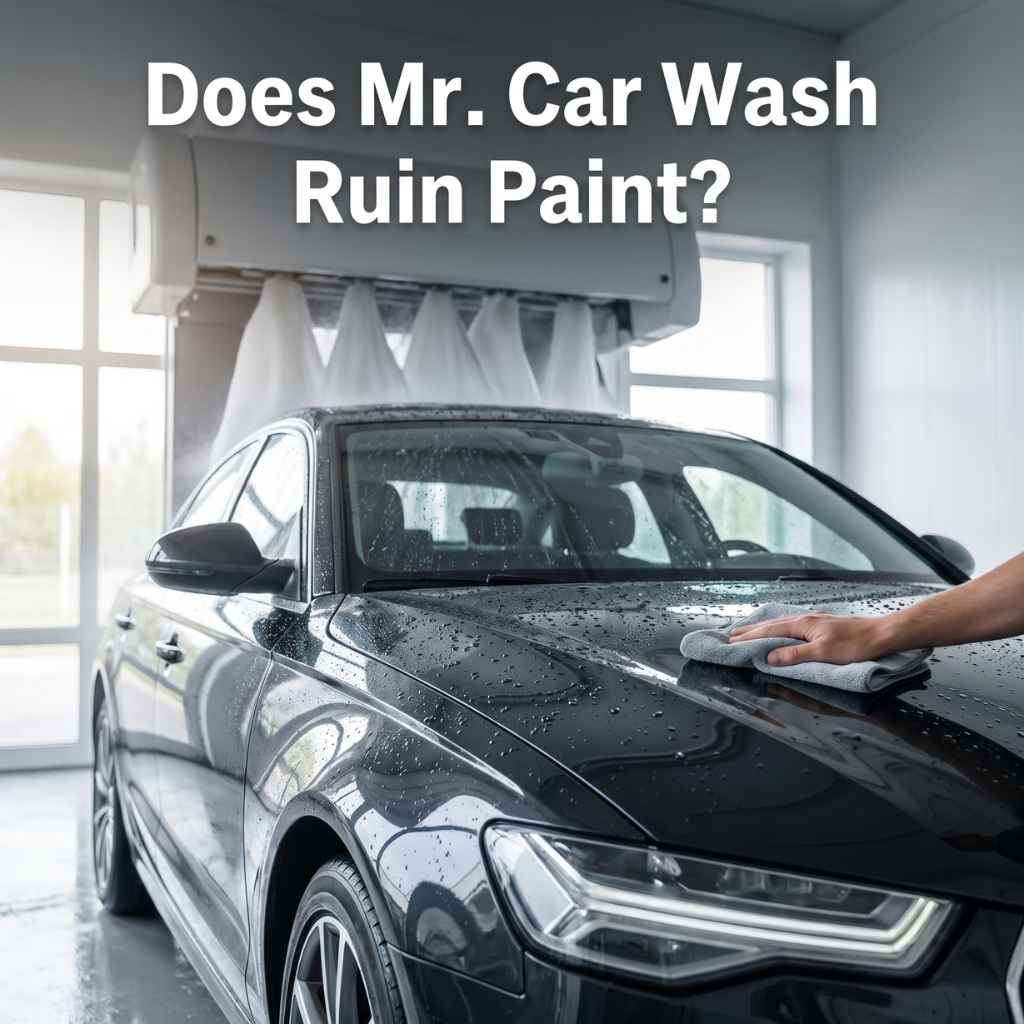
Does Mr. Car Wash Ruin Paint?
Many people worry about their car’s paint when they go to a car wash. You might wonder, Does Mr. Car Wash Ruin Paint?
Local Expert Truth Revealed. It can seem a bit confusing when you’re just starting out with car care. Don’t worry, we’ll make it super simple.
We’ll walk you through everything you need to know step by step. Get ready to learn the real story and how to keep your car looking great.
Understanding Car Wash Effects on Paint
This section looks at how car washes can impact your car’s paint. We’ll explain the different types of car washes and what makes them good or bad for your vehicle’s finish. Understanding these details will help you make better choices for your car’s care and keep it looking its best for a long time.
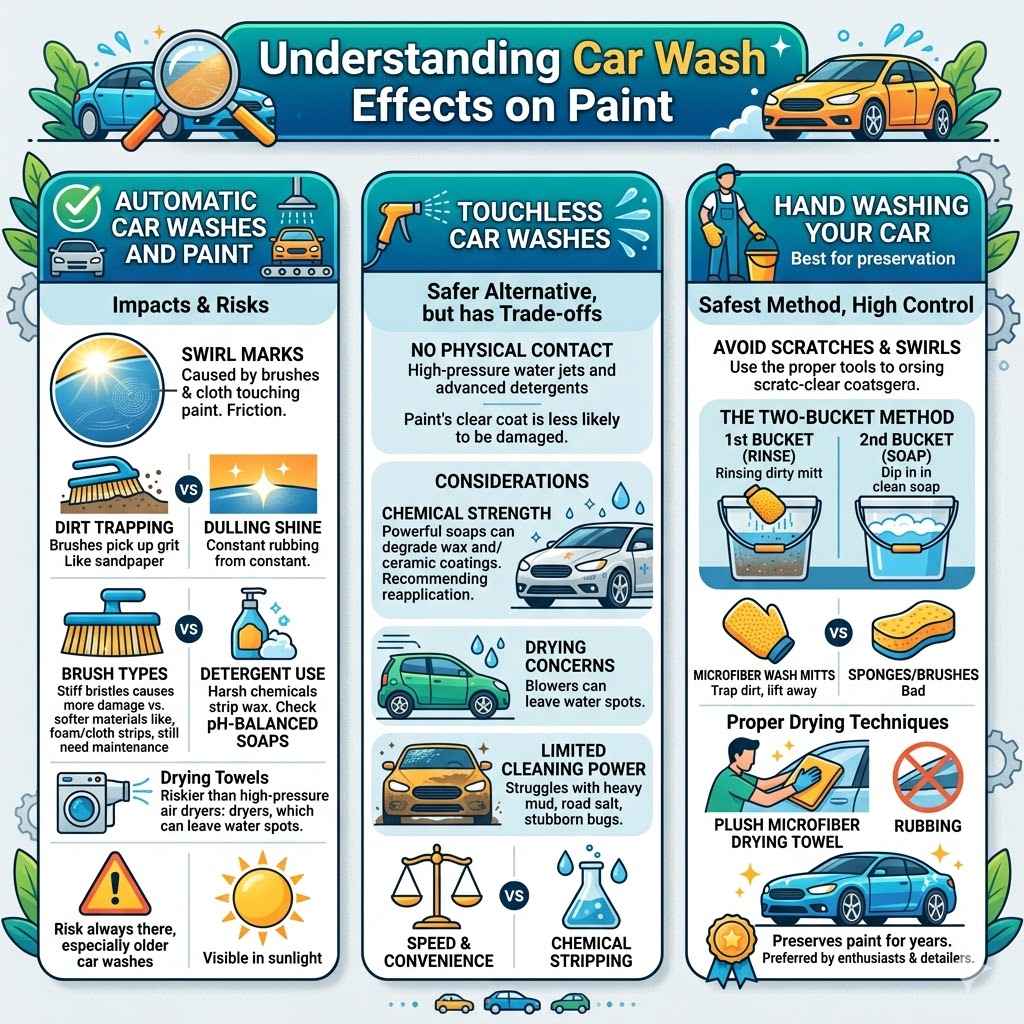
Automatic Car Washes and Paint
Automatic car washes are super convenient, but they can sometimes cause tiny scratches on your car’s paint. These scratches are often called swirl marks. They happen because of the brushes and cloths that touch your car.
These materials can pick up dirt and grit from previous cars. When they rub against your paint, that grit can act like sandpaper.
The main issue with automatic car washes is the friction. Even if the brushes seem soft, they are doing a lot of rubbing. Over time, this constant rubbing can dull your paint’s shine.
It’s like washing your car with a dirty sponge; you might get it cleaner, but you also add tiny marks.
Some newer automatic washes use softer materials like foam or cloth strips. These are generally better than the old-style spinning brushes. However, they can still trap dirt if not maintained properly.
Regular cleaning of the equipment is important to prevent damage. The risk is always there, though, especially with older or less well-maintained car washes.
The appearance of these swirl marks is usually most noticeable in direct sunlight. You might not see them at first, but over many washes, they can become quite visible. This can make your car look older and less appealing, even if the paint color is still good.
Brush Types and Their Impact: Different brushes have different effects. Stiff bristles can cause more damage than soft foam. Look for car washes that use modern, gentle materials if you choose an automatic wash.
Detergent Use: Harsh chemicals in some car wash soaps can strip away protective wax or sealant layers. This leaves the paint more exposed to damage. Always check if a car wash uses pH-balanced soaps.
Drying Methods: High-pressure air dryers are generally safer than towels that might have picked up dirt. However, air dryers can sometimes leave water spots if the water isn’t clean.
Touchless Car Washes
Touchless car washes offer an alternative that avoids direct physical contact with your car’s paint. They use strong jets of water and special cleaning chemicals to remove dirt. This means no brushes or cloths are touching your car, significantly reducing the risk of scratches and swirl marks.
The cleaning power comes from high-pressure water streams and advanced detergents. These soaps are designed to break down grease, grime, and road salt effectively. The water is then rinsed away, taking the loosened dirt with it.
Because there’s no friction from brushes, the paint’s clear coat is much less likely to be damaged.
However, touchless washes aren’t always perfect. Sometimes, they might not be as effective at removing very stubborn dirt or bugs compared to washes with physical contact. Also, the strong chemicals used, while effective, can sometimes be harsh on certain types of car wax or sealants.
It’s a trade-off between speed, convenience, and the potential for chemical stripping.
For those who are very concerned about maintaining a pristine paint finish, a touchless car wash is often a safer bet than a brush-based automatic wash. It minimizes the physical risk. However, it’s still wise to consider how often you use them and what products are in their soaps.
A good quality wax or sealant applied afterward can help protect your paint.
The effectiveness of a touchless wash depends heavily on the quality of the equipment and the detergents used. A well-maintained touchless car wash with good soaps can provide a clean finish without paint damage. Poorly maintained ones might still leave residue or not clean thoroughly.
Chemical Strength: The soaps used are powerful. While they clean well, they can sometimes degrade protective coatings like wax or ceramic sprays. Reapplying these coatings regularly is a good idea after frequent touchless washes.
Drying Concerns: While they don’t use brushes, some touchless washes still use large blowers to dry the car. These can sometimes leave water spots if the water isn’t filtered or if the drying isn’t thorough.
Limited Cleaning Power for Tough Grime: For caked-on mud, heavy road salt, or stubborn bug splatter, touchless washes might struggle to get everything off. Some spots might remain, requiring a hand wash for a complete clean.
Hand Washing Your Car
Hand washing your car is often considered the safest method for protecting paint. It allows you to control the process completely. You can choose your cleaning supplies and be gentle with the paint.
This method gives you the best chance to avoid scratches and swirl marks.
The key to a safe hand wash is using the right tools and techniques. This includes using a pH-neutral car soap, two buckets (one for rinsing your wash mitt, one for soap), and soft wash mitts made of microfiber or lamb’s wool. These materials are designed to lift dirt away from the paint surface without grinding it in.
When you wash, you should start from the top of the car and work your way down. Rinse the car thoroughly first to remove loose dirt. Then, dip your wash mitt into the soapy water.
Wash a small section at a time, then rinse the mitt in the clean water bucket before getting more soap. This “two-bucket method” prevents you from putting dirt back onto the paint.
After washing, rinse the car again. For drying, use clean, soft microfiber drying towels. Blot the water rather than rubbing.
This gentle approach minimizes the risk of introducing any new scratches or swirls. A well-done hand wash can make your car shine like new and preserve its paint for years.
It takes more time and effort than an automatic wash, but the results are often far superior in terms of paint preservation. It’s the preferred method for car enthusiasts and detailers who want the best for their vehicle’s finish. Investing in good quality wash mitts and drying towels is highly recommended.
The Two-Bucket Method: This technique is vital for preventing scratches. One bucket holds soapy water, and the other holds clean rinse water for your wash mitt. After washing a section of the car, you rinse the dirty mitt in the clean water bucket before dipping it back into the soap. This removes grit and dirt, stopping it from being transferred back to your paintwork.
Microfiber Wash Mitts: These are superior to sponges or brushes. Microfiber strands trap dirt particles within the mitt, lifting them away from the paint. Lambswool mitts are also very gentle and effective. Always ensure your mitts are clean and free from any abrasive debris.
Proper Drying Techniques: After rinsing, dry your car immediately to prevent water spots, especially in hard water areas. Use soft, plush microfiber drying towels. Gently pat or blot the water off the surface instead of rubbing. Some detailers prefer to use a leaf blower or a car dryer to blow off most of the water first, then finish with towels.
Does Mr. Car Wash Ruin Paint Expert Truth Revealed
This section directly addresses the question Does Mr. Car Wash Ruin Paint? Local Expert Truth Revealed.
We’ll break down what car wash professionals and paint experts say about this common concern. You’ll learn the specific factors that lead to paint damage and how to identify car washes that are safer for your vehicle.
Factors That Contribute to Paint Damage
Several elements can cause a car wash to harm your car’s paint. The most significant factor is the presence of abrasive particles. Dirt, grit, sand, and even small pieces of metal can get trapped in the brushes, cloths, or sponges of a car wash.
When these rub against your car’s surface, they act like fine-grit sandpaper, causing tiny scratches.
The type of cleaning tools used also plays a huge role. Older, worn-out brushes with stiff bristles are much more likely to scratch paint than newer, softer foam or cloth materials. If a car wash doesn’t maintain its equipment properly, even soft materials can become abrasive.
Another critical factor is the chemical cleaners. Some car washes use harsh detergents that can strip away the protective layers on your paint, such as wax or sealant. Once these protective layers are gone, the paint is more vulnerable to damage from the elements and the washing process itself.
The alkalinity or acidity of the soap can also affect the paint’s clear coat over time.
Finally, the washing process itself can be damaging. High-pressure water, if misdirected or too strong, can sometimes cause issues, though this is less common. More often, it’s the combination of dirty water, abrasive tools, and aggressive scrubbing that leads to paint defects.
Understanding these factors is key to choosing a car wash that will not damage your paint. It’s not just about the name of the car wash but about how they operate and maintain their systems.
Abrasive Contaminants: These are the biggest culprits. Dirt, mud, road salt, and small debris get caught in wash mitts, brushes, and cloths. If these items aren’t thoroughly washed out between uses or cars, they are dragged across your paint, creating micro-scratches.
Worn or Damaged Equipment: Brushes that are frayed or have had debris embedded in them can cause significant scratching. Similarly, if cloths or strips are torn or have hardened dirt stuck to them, they become abrasive.
Harsh Chemical Solutions: Using overly strong or acidic/alkaline soaps can strip away the clear coat or protective waxes. This leaves the paint dull and more susceptible to damage from future washes and environmental factors like UV rays.
Improper Washing Techniques: Even in automatic washes, if the water pressure isn’t right or if certain parts of the system are malfunctioning, it can lead to issues. In hand washes, using the wrong type of cloth or rubbing too hard can also cause problems.
What Car Wash Experts Say
Car wash professionals often emphasize the importance of maintenance and quality of equipment. Many experts agree that automatic car washes can damage paint, but not all of them do. The risk is significantly higher at older, poorly maintained facilities.
They highlight that newer, high-quality automatic car washes that use soft foam or cloth strips and regularly clean their equipment are generally much safer. Touchless car washes are also frequently recommended as they eliminate the risk of physical abrasion. However, experts also point out that the strong chemicals used in some touchless washes can strip waxes.
A key piece of advice from experts is to observe the car wash itself. Look at the brushes. Are they clean and fluffy, or dirty and matted?
How often does the water seem to be changed or filtered? Do they use quality, pH-balanced soaps?
For those who want the absolute safest option, hand washing with the two-bucket method and microfiber towels is always the gold standard. Many professional detailers offer services using these methods. If you can’t do it yourself, choosing a reputable detailer is often a good investment for preserving your car’s paint.
So, Does Mr. Car Wash Ruin Paint? Local Expert Truth Revealed is that it depends.
It depends on the specific car wash, its equipment, its maintenance routine, and the type of wash it offers. A well-run facility, whether automatic or touchless, minimizes risk. A poorly run one can definitely cause damage.
Maintenance is Key: Experts stress that a car wash’s cleaning system must be well-maintained. This includes regularly cleaning brushes, replacing worn parts, and ensuring filters are working. A clean system is a safe system.
Soft Touch vs. Touchless: While touchless washes avoid scratches, they can sometimes strip protective coatings. Soft-touch washes, when done with clean, modern equipment, can be effective and safer than older brush systems. The choice often comes down to individual priorities.
Professional Detailing Preference: Many car care professionals prefer hand washing because it offers the most control. They can use specific products and techniques tailored to the car’s condition, ensuring the safest and most effective cleaning.
Water Quality Matters: The quality of the water used is also important. Using de-ionized or filtered water helps prevent water spots and mineral deposits on the paint, especially during the rinsing and drying stages.
Identifying Safer Car Wash Options
Choosing a car wash that is less likely to damage your car’s paint involves a bit of observation and understanding. The most direct approach is to look for car washes that clearly state they use modern, gentle cleaning methods. This often includes mentioning “soft cloth,” “foam,” or “touchless” systems.
Next, take a moment to look at the car wash facility itself. Is it clean and well-maintained? Do the brushes look clean and in good condition, or are they matted, dirty, and possibly broken?
Cleanliness is a strong indicator of a car wash that cares about its equipment and, by extension, your car.
Consider the types of soaps and waxes they offer. Reputable car washes will often use pH-balanced soaps that are designed to clean effectively without stripping protective coatings. If they offer waxing services, look for ones that use quality waxes or sealants.
Ask them directly about their cleaning process. A good car wash operator will be happy to explain how they maintain their equipment and what makes their wash safe for paint. If they seem evasive or don’t have a clear answer, it might be a red flag.
Finally, read online reviews. Other car owners often share their experiences, both good and bad, regarding paint damage. Look for reviews that specifically mention paint condition after a wash.
This can provide valuable real-world feedback before you commit your vehicle.
The goal is to find a balance between convenience and paint safety. While a full hand wash might be ideal, a well-maintained automatic or touchless wash can be a good compromise for many people.
Visual Inspection of Equipment: Before entering, take a look at the brushes or cloths. If they appear dirty, frayed, or heavily worn, it’s a sign that they might cause scratches. Modern foam or cloth systems that look clean and well-maintained are generally safer.
Inquire About Soap and Wax Quality: Ask the car wash staff what kind of detergents and waxes they use. Car washes that use high-quality, pH-neutral soaps and offer durable synthetic sealants or waxes are better choices for paint protection.
Observe the Cleaning Process: Pay attention to how your car is cleaned. Are the brushes constantly moving? Is the water pressure appropriate? In touchless washes, are the spray nozzles clean and effectively covering the car?
Online Reviews and Recommendations: Check local online reviews for car washes. Look for comments about paint condition, swirl marks, or damage. Word-of-mouth from other car owners can be very helpful in identifying reliable car wash services.
Car Wash Methods and Paint Longevity
This section delves into how different car wash methods affect the long-term appearance and health of your car’s paint. We will discuss how consistent and proper washing can extend the life of your car’s finish and prevent premature aging.
The Science Behind Paint Protection
Your car’s paint is not just a single layer; it’s a complex system designed to protect the metal underneath and look good. Typically, it starts with a primer layer, followed by a base coat (which provides the color), and then a clear coat on top. The clear coat is the most important layer for protecting the color from UV rays, acid rain, and minor scratches.
The clear coat is a durable, transparent layer that acts as a shield. However, it’s not invincible. Over time, exposure to the elements, harsh chemicals, and abrasive cleaning can wear down the clear coat.
This leads to dullness, fading, and eventually, the appearance of swirl marks and oxidation.
Protective coatings like carnauba wax, synthetic sealants, and ceramic coatings add an extra layer of defense. Wax provides a sacrificial layer that can be easily reapplied. Sealants are synthetic and generally last longer than waxes.
Ceramic coatings offer the most durable and longest-lasting protection, creating a hard, hydrophobic surface.
When a car wash damages the paint, it often means it has compromised this clear coat. Even microscopic scratches accumulate, scattering light and making the paint appear dull. Harsh chemicals can break down the protective coatings, leaving the clear coat exposed to damage.
Therefore, understanding how to wash your car without damaging these layers is crucial for its longevity and appearance.
The science shows that gentle, regular maintenance is key. It’s about preserving the integrity of the clear coat and reinforcing it with protective layers. This is where the choice of car wash method becomes very important.
Clear Coat Integrity: The clear coat is the primary defense against environmental damage. It’s what gives your car its shine and depth of color. Damage to this layer leads to fading, oxidation, and the inability to reflect light smoothly, causing a dull appearance.
UV Protection: The clear coat contains UV inhibitors that protect the color coat from fading caused by sunlight. Without adequate protection, prolonged sun exposure can cause significant color degradation.
Chemical Resistance: The clear coat offers some resistance to common environmental contaminants like bird droppings, bug splatter, and tree sap. However, if left untreated, these can etch into the clear coat, causing permanent damage.
Role of Protective Coatings: Waxes, sealants, and ceramic coatings are sacrificial layers applied over the clear coat. They absorb the initial impact of contaminants and abrasions, protecting the clear coat beneath. Regular reapplication of these is vital for extended paint protection.
Maintaining Your Car’s Shine Over Time
Keeping your car’s paint looking its best long-term is about consistent care. It’s not just about washing; it’s about how you wash and what you do afterward. Regular washing removes harmful contaminants that can etch into the paint, like bird droppings or road salt.
After washing, applying a protective layer is essential. Even a simple carnauba wax, applied every few months, can make a big difference. It adds a sacrificial barrier that can be easily replaced, protecting the clear coat.
For longer-lasting protection, synthetic sealants or professional ceramic coatings are excellent options.
If you use automatic car washes, try to choose ones that use soft cloth or touchless systems. Avoid those with visibly dirty or worn brushes. After an automatic wash, consider applying a spray wax or sealant to replenish any lost protection.
This is a quick way to add shine and protection without a full detail.
Parking your car in a garage or under a cover whenever possible can also help. This shields the paint from direct sunlight, harsh weather, and environmental fallout. Less exposure means less wear and tear on the paint and its protective layers.
The key is a proactive approach. Don’t wait until the paint looks dull or scratched. Regular, gentle cleaning and consistent protection will ensure your car’s paint remains vibrant and shiny for many years, significantly increasing its resale value and your pride of ownership.
Here’s a simple routine:
Wash your car regularly, using the safest method available to you (e.g., touchless, well-maintained soft cloth, or hand wash).
After washing, dry the car thoroughly with clean microfiber towels.
Apply a spray wax or sealant as a quick protective layer, or a paste wax/liquid sealant for longer-lasting protection every 3-6 months.
If possible, park in a garage or covered area to minimize exposure to the elements.
This consistent effort prevents damage from accumulating and keeps your car looking its best.
Regular Washing Schedule: Washing your car every two to four weeks is ideal. This removes contaminants that can damage paint, such as bird droppings, insect residue, tree sap, and road salt. Letting these sit for extended periods can etch into the clear coat.
The Importance of Drying: Proper drying prevents water spots, which are mineral deposits left behind as water evaporates. These spots can be difficult to remove and may even require paint correction if left untreated. Use soft microfiber drying towels to absorb water gently.
Reapplication of Protection: Protective coatings degrade over time due to UV exposure, weather, and washing. Reapply wax every 1-3 months, sealants every 3-6 months, and ceramic coatings as per manufacturer recommendations (often lasting 1-5 years). This sacrificial layer is crucial for paint health.
Environmental Protection: Parking indoors, using a car cover, or even waxing more frequently can offer extra protection against harmful UV rays, acid rain, and pollutants in the air. Minimizing exposure to harsh conditions directly translates to longer-lasting paint clarity.
Does Mr. Car Wash Ruin Paint? Expert Opinions and Data
We’ve explored the mechanics of car washes and paint care. Now, let’s look at expert opinions and any available data to provide a concrete answer to Does Mr. Car Wash Ruin Paint?
Local Expert Truth Revealed. This section consolidates what professionals and studies say to give you a clear picture.
Car Detailing Expert Consensus
Most car detailing experts agree that the risk of damage from car washes is real, but it’s not absolute. They often distinguish between different types of car washes and the maintenance standards of individual facilities.
The consensus is that older, poorly maintained automatic car washes with stiff, dirty brushes pose the highest risk for causing swirl marks and light scratches. These systems are essentially dragging abrasive particles across the paint.
Touchless car washes are generally considered safer in terms of physical abrasion. However, experts caution that the strong chemicals used can strip waxes and sealants, requiring more frequent reapplication of protective coatings. Some also note that touchless washes might not always achieve a completely clean finish.
Professional hand washing, using the two-bucket method and high-quality microfiber products, remains the safest and most effective way to clean a car’s paint without causing damage. Many detailers offer this service and are highly experienced in preserving paintwork.
The experts’ view is that if you must use an automatic car wash, choose one that is modern, well-maintained, and uses soft cloth or foam systems. Regularly inspect your car’s paint for any signs of damage. If you notice swirl marks developing, it’s time to reassess your car wash choice or consider professional paint correction.
The answer to Does Mr. Car Wash Ruin Paint? Local Expert Truth Revealed from experts is: it depends heavily on the specific car wash’s practices and equipment.
Risk Assessment by Professionals: Detailers assess risk based on equipment type, maintenance schedules, and cleaning chemicals. High-risk environments involve abrasive brushes and poor maintenance. Lower-risk environments use softer materials, better maintenance, or are touchless.
The “Best Practice” Standard: For paint preservation, the undisputed best practice is a professional hand wash. This allows for maximum control and gentle handling of the paint surface.
Evaluating Car Wash Claims: Experts advise looking beyond marketing. A “gentle wash” claim needs to be backed by visible evidence of modern equipment and clean facilities.
Preventative Measures Recommended: Even after using a car wash, experts recommend applying a spray wax or sealant to restore protection and maintain shine, especially if the wash was automatic.
Statistics on Car Wash Damage and Prevention
While specific statistics on “Mr. Car Wash” are not publicly available, general data on car wash damage and prevention provides insight. Studies and surveys by automotive paint manufacturers and detailing associations highlight the prevalence of swirl marks and micro-scratches.
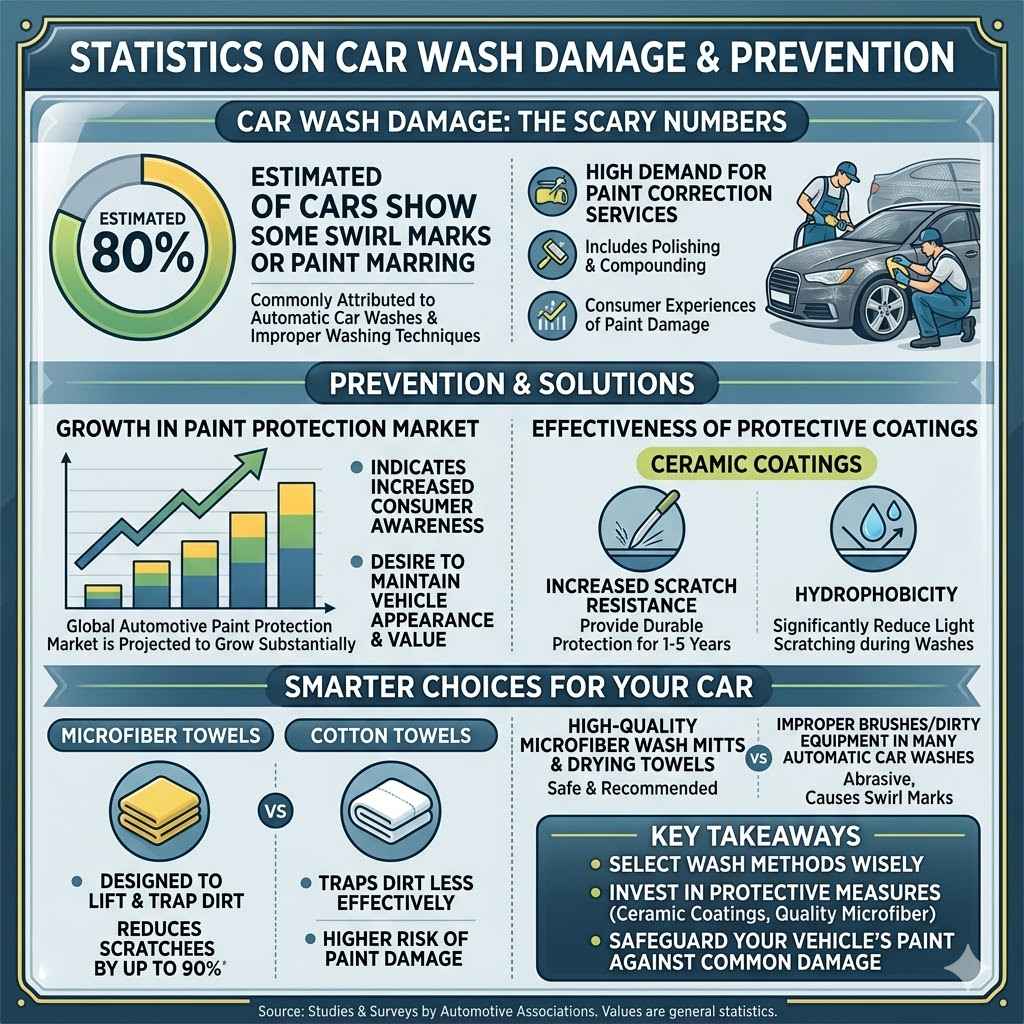
For instance, a significant percentage of vehicles seen by professional detailers exhibit some level of swirl marks, often attributed to improper washing techniques. One survey suggested that up to 80% of cars in the general population have some form of paint marring, with automatic car washes being a common factor identified by owners.
Regarding prevention, products designed to protect paint have seen significant market growth. The global automotive paint protection market is projected to grow substantially, indicating increased consumer awareness and investment in preserving vehicle finishes. This growth is driven by the desire to maintain vehicle appearance and value.
Data also shows that paint correction services, which remove swirl marks and scratches, are in high demand. This demand points to the fact that many consumers are indeed experiencing paint damage from various sources, including car washes.
The effectiveness of protective coatings is also supported by data. Ceramic coatings, for example, have shown in tests to significantly increase scratch resistance and hydrophobicity compared to bare paint or traditional waxes. This translates to less damage from washing and easier maintenance over time.
These statistics underline the importance of choosing your car wash method wisely and investing in protective measures to safeguard your vehicle’s paint against common forms of damage.
Here are some general statistics related to car paint and washing:
| Factor | Typical Impact or Statistic |
|---|---|
| Prevalence of Swirl Marks | Estimated 80% of cars show some swirl marks, often from washing. |
| Effectiveness of Microfiber Towels | Microfiber traps dirt better, reducing scratches by up to 90% compared to cotton towels. |
| Longevity of Ceramic Coatings | Can provide durable protection for 1-5 years, significantly reducing light scratching during washes. |
| Consumer Spending on Paint Protection | Market growth indicates increasing consumer investment in maintaining car paint value. |
- Prevalence of Swirl Marks: A large majority of cars exhibit fine scratches, known as swirl marks, on their paintwork. These are often the result of abrasive washing methods, including many automatic car washes that use improper brushes or have dirty equipment.
- Effectiveness of Microfiber: Using high-quality microfiber wash mitts and drying towels can drastically reduce the risk of paint damage. Microfiber is designed to lift and trap dirt particles away from the paint surface, minimizing abrasion compared to older materials like cotton.
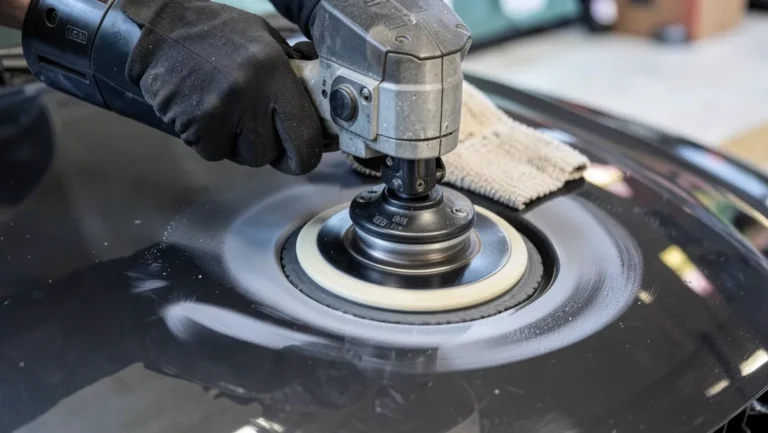
- Demand for Paint Correction: The high demand for professional paint correction services (like polishing and compounding) indicates that many car owners are dealing with visible paint damage, a portion of which can be traced back to washing practices.
- Growth in Protective Coatings Market: The increasing popularity and market growth of ceramic coatings and advanced sealants highlight a trend towards consumers seeking more robust and long-lasting protection for their car’s paint, recognizing the vulnerability of the clear coat to daily wear and tear.
Frequently Asked Questions
Question: Can frequent automatic car washes damage my car’s paint?
Answer: Yes, frequent use of automatic car washes, especially those with older, worn, or dirty brushes, can lead to swirl marks and micro-scratches on your car’s paint over time. Newer, well-maintained car washes with soft cloth or foam systems are generally safer.
Question: What is the safest way to wash my car?
Answer: The safest way to wash your car is through a professional hand wash using the two-bucket method, pH-neutral soap, and soft microfiber wash mitts and drying towels. This method gives you the most control and minimizes the risk of damage.
Question: Are touchless car washes safe for paint?
Answer: Touchless car washes are generally safe from physical abrasion because they don’t use brushes or cloths. However, the strong chemicals they use can sometimes strip away protective waxes or sealants, so it’s good practice to reapply protection afterward.
Question: How can I tell if a car wash is likely to damage my paint?
Answer: Look for signs of wear and tear on the car wash equipment, such as dirty or matted brushes. Also, observe the cleanliness of the facility. If the brushes appear clean and modern, and the facility is well-maintained, it’s usually a safer option.
Question: Should I wax my car after a car wash?
Answer: It’s a good idea to wax or apply a sealant to your car after washing, especially after an automatic wash. This replenishes protective layers that may have been stripped away, adding shine and defending the paint against future damage.
Summary
Regarding Does Mr. Car Wash Ruin Paint? Local Expert Truth Revealed, the answer is nuanced.
While some car washes can cause damage through abrasive materials and harsh chemicals, many modern, well-maintained facilities offer safe options. Touchless washes avoid physical scratches but may strip wax, while soft-cloth automatic washes are generally a good compromise. For the ultimate protection, hand washing remains the best method.
Consistent care and protective coatings are key to keeping your car’s paint looking great.
Products related to this article
Sponsored / affiliate links. As an Amazon Associate I earn from qualifying purchases. I may earn additional commission from eligible campaigns.