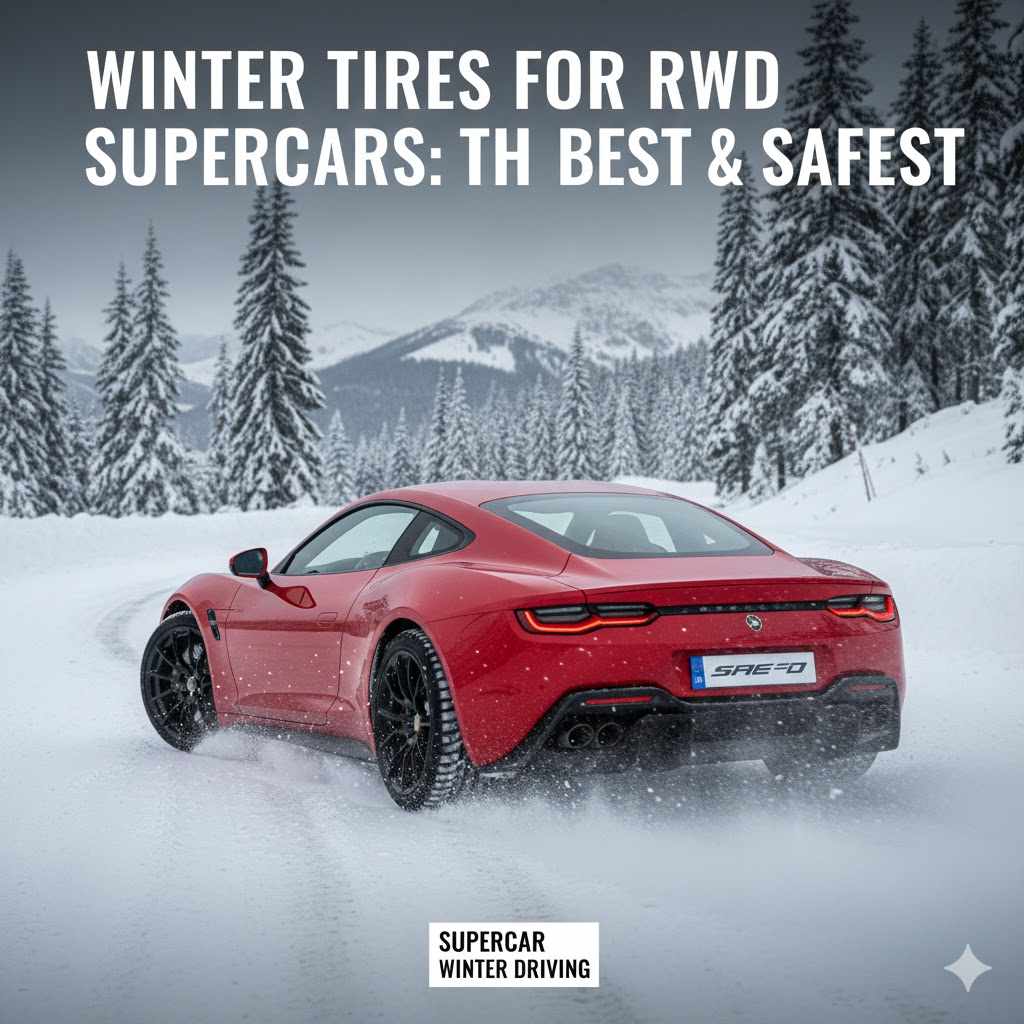
Winter Tires for RWD Supercars: The Best & Safest
Yes, you can safely drive a rear-wheel-drive supercar in winter with the right winter tires. High-performance winter tires like the Michelin Pilot Alpin 5 and Pirelli Sottozero 3 offer excellent grip in cold, snow, and ice, transforming your car’s handling and making winter driving possible and secure. They are the key to unlocking your car’s year-round potential.
Owning a rear-wheel-drive (RWD) supercar is a dream come true. You love the power, the sound, and the incredible handling. But when the temperature drops and snowflakes start to fall, a common fear sets in. Does your pride and joy have to sit in the garage for months? It feels frustrating to have such an amazing machine that you can’t use.
Many people believe that RWD supercars and winter just don’t mix. You might worry about losing control, getting stuck, or even damaging your car. I’m here to tell you that with the right knowledge and equipment, you can put those fears to rest. It is absolutely possible to drive your supercar safely in the winter.
In this guide, I’ll walk you through everything you need to know. We’ll break down why winter is tricky for these cars and show you the exact solution: the right winter tires. We’ll look at the best options available and how to choose the perfect set for your car. Let’s get your supercar ready for all four seasons!
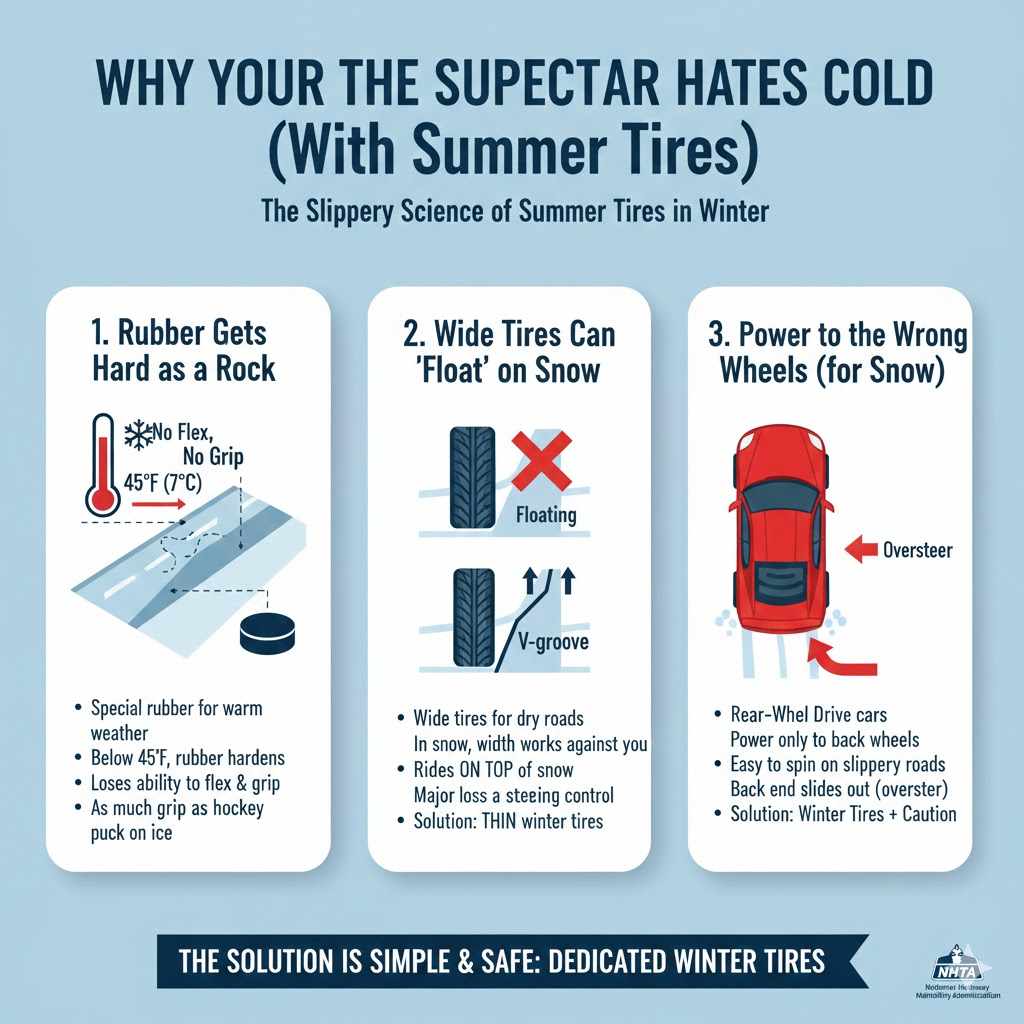
Why Your Supercar Hates the Cold (With Summer Tires)
Have you ever tried walking on an icy sidewalk in smooth-soled dress shoes? It’s a slippery, nerve-wracking experience. That’s exactly what it’s like for your supercar on its summer tires in the winter. Let’s break down the simple reasons why.
1. The Rubber Gets Hard as a Rock
Summer performance tires are made from a special rubber compound designed for warm weather. It provides amazing grip on hot pavement. But once the temperature drops below 45°F (7°C), that soft, sticky rubber becomes hard and brittle. It loses its ability to flex and grip the road. A hard tire on a cold road has as much grip as a hockey puck on ice.
2. Wide Tires Can “Float” on Snow
Supercars have wide tires to put all that power down on dry roads. In the snow, however, this width can work against you. Instead of cutting through the snow to find pavement, wide tires can ride on top of it, like snowshoes. This is called “floating,” and it causes a major loss of steering control and traction.
3. Power to the Wrong Wheels (for Snow)
In a rear-wheel-drive car, the engine sends power only to the back wheels. These wheels are responsible for pushing the car forward. When you try to accelerate on a slippery surface, it’s very easy for those rear wheels to spin, causing the back end of the car to slide out. This is known as oversteer, and it can be very startling if you’re not prepared for it.
These three factors combined make a supercar on summer tires a recipe for disaster in winter. But don’t worry, the solution is simple and incredibly effective: dedicated winter tires.
The Magic of Modern Winter Tires
Winter tires are not just “snow tires” anymore. They are advanced pieces of technology designed to work perfectly in all cold weather conditions—be it dry, wet, snowy, or icy. Think of it as changing from dress shoes to a pair of high-tech winter hiking boots. Here’s what makes them so special.
What to Look For in a Supercar Winter Tire
- A Special Rubber Compound: Winter tires use a compound rich in silica that stays soft and flexible even in freezing temperatures. This allows the tire to conform to the road surface and maintain its grip.
- Aggressive Tread Patterns: Look at a winter tire and you’ll see deep grooves. These are designed to channel water and slush away from the tire, preventing hydroplaning.
- Thousands of Tiny Slits (Sipes): The tire tread is covered in thousands of tiny, squiggly cuts called sipes. These little edges bite into snow and ice, providing thousands of extra gripping points for traction.
- The 3PMSF Symbol: Always look for the Three-Peak Mountain Snowflake (3PMSF) symbol on the tire’s sidewall. This is an official certification proving the tire meets a required level of performance in severe snow conditions. You can learn more about tire safety standards from government resources like the National Highway Traffic Safety Administration (NHTSA).
When you combine these features, you get a tire that completely transforms your supercar’s winter behavior. The car becomes predictable, stable, and safe.
The Best & Safest Winter Tires for Your RWD Supercar
Not all winter tires are created equal. For a supercar, you need a “Performance Winter Tire.” These are designed to provide excellent cold-weather safety without completely sacrificing the sharp handling and feel you love about your car. Here are some of the top choices trusted by supercar owners and manufacturers.
1. Michelin Pilot Alpin 5
This is often considered the gold standard for performance winter driving. The Pilot Alpin 5 provides a fantastic balance of grip in snow and ice while still feeling sharp and responsive on cold, dry roads. It’s a favorite for brands like Porsche for a reason. It gives you confidence in the worst weather without making the car feel dull.
2. Pirelli Winter Sottozero 3
Pirelli is a name synonymous with supercars, and their winter offering is no different. The Sottozero 3 excels in cold and wet conditions, making it a great choice for regions that see more slush and cold rain than deep snow. It’s designed to work with modern traction control systems to keep the car’s power in check.
3. Nokian Hakkapeliitta R5
If you live somewhere with serious snow and ice, the Nokian Hakkapeliitta R5 is your champion. Nokian is a Finnish company that knows a thing or two about winter. While it might feel slightly softer than a Michelin or Pirelli on a dry day, its ability to grip in the absolute worst conditions is legendary. It’s the ultimate choice for safety in harsh climates.
4. Bridgestone Blizzak LM005
The Blizzak line has a long-standing reputation for incredible snow and ice performance. The LM005 is their performance version, offering top-tier braking and handling in wet and snowy conditions. It’s another excellent all-arounder that will make your supercar feel secure and planted all winter long.
Winter Tire Comparison Table
Here’s a simple table to help you compare these excellent options at a glance.
| Tire Model | Best For | Key Strengths | Potential Downsides |
|---|---|---|---|
| Michelin Pilot Alpin 5 | Overall Performance | Excellent balance of snow grip and dry road handling. Very responsive. | Premium price point. |
| Pirelli Winter Sottozero 3 | Cold & Wet Roads | Superb grip in rain and slush. Great high-speed stability. | Not as dominant in deep snow as a Nokian. |
| Nokian Hakkapeliitta R5 | Heavy Snow & Ice | Unbeatable traction in the harshest winter conditions. Supreme safety. | Can feel a bit softer and less sharp on dry roads. |
| Bridgestone Blizzak LM005 | Wet & Snowy Conditions | Class-leading wet braking. Very predictable handling in snow. | Tread life may be slightly shorter than some competitors. |
Choosing the Right Size: The “Minus Sizing” Secret
When it comes to winter tires for a performance car, bigger isn’t always better. Many experts recommend a strategy called “minus sizing.” It sounds technical, but the idea is simple.
- Go for a Smaller Wheel: You switch from your large summer wheels (e.g., 20 or 21 inches) to a smaller diameter wheel (e.g., 19 inches).
- Use a Narrower Tire: The tire you mount on this smaller wheel should be a bit narrower than your summer tire.
- Pick a Taller Sidewall: To keep the overall tire diameter the same (which is important for your car’s speedometer and computer systems), the narrower tire will have a taller sidewall (the rubber part between the wheel and the tread).
Why Minus Sizing is a Great Idea
- Better Snow Traction: A narrower tire cuts through snow more effectively to reach the pavement below, rather than floating on top.
- Protects Your Wheels: Taller sidewalls provide more cushion, which helps protect your expensive wheels from damage caused by potholes hidden under snow and slush.
- Saves Money: Smaller wheels and tires are often less expensive. This also saves your beautiful summer wheels from the harsh salt and grime of winter roads.
The best approach is to buy a complete, dedicated set of winter wheels and tires. When winter comes, you can simply swap the whole set, and when spring arrives, you swap them back. It’s the safest, most convenient, and most effective way to prepare your supercar for the cold.
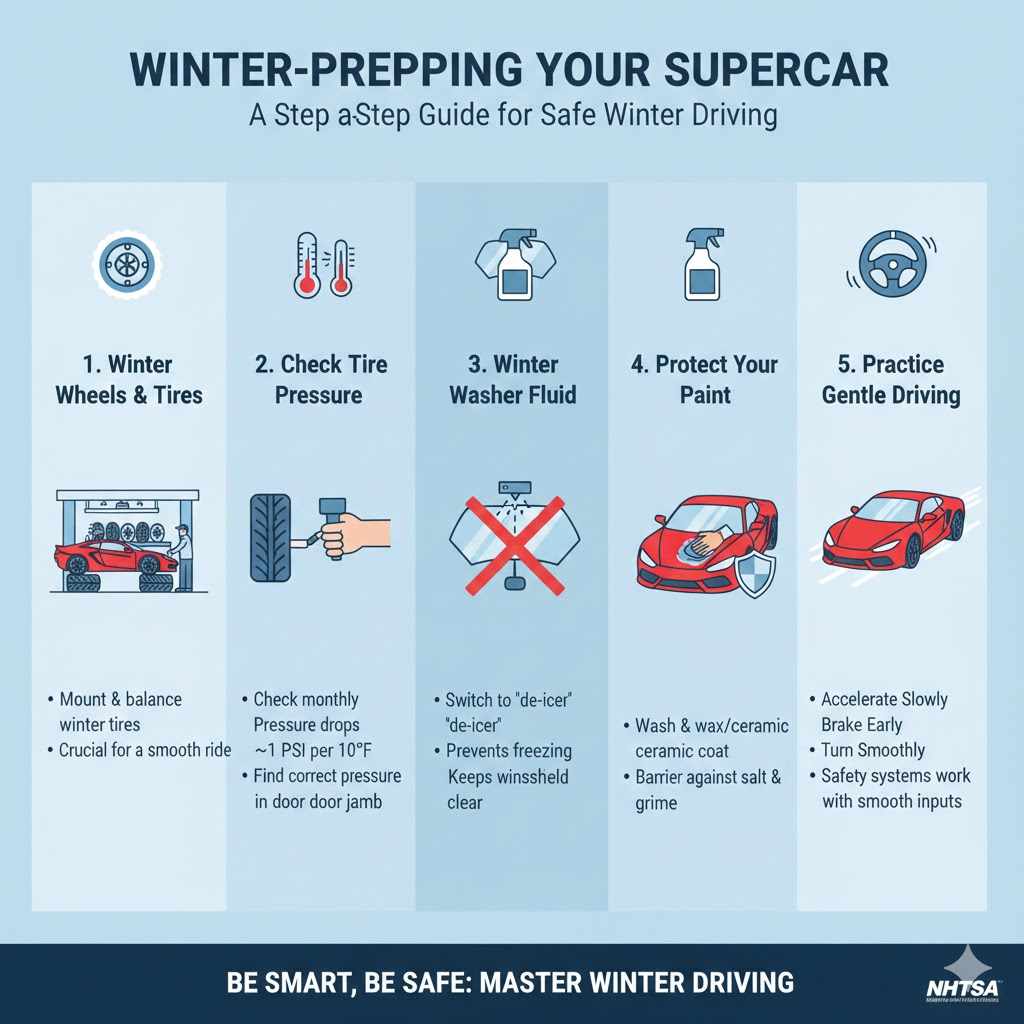
Step-by-Step Guide to Winter-Prepping Your Supercar
Getting the right tires is the biggest step, but a few other preparations will ensure a smooth and safe winter season.
Step 1: Get Your Winter Wheels and Tires Mounted
Order your chosen winter tires and a suitable set of wheels. Have a professional tire shop mount and balance them properly. This is crucial for a smooth, vibration-free ride.
Step 2: Check Your Tire Pressure Regularly
Cold air is denser than warm air. For every 10°F drop in temperature, your tire pressure can decrease by about 1 PSI. Check your tire pressure at least once a month during the winter. The correct pressure is listed on a sticker inside your driver’s side door jamb.
Step 3: Use Winter Windshield Washer Fluid
Regular washer fluid can freeze in cold temperatures. Switch to a “de-icer” or winter-grade fluid that is rated for well below freezing. This will keep your windshield clear of salt spray and road grime, which is essential for visibility.
Step 4: Protect Your Paint
Road salt, sand, and grime are very harsh on your car’s beautiful paint job. Before winter hits, give your car a good wash and apply a coat of high-quality wax or a more durable ceramic coating. This creates a protective barrier that makes it easier to wash off winter muck.
Step 5: Practice Gentle Driving
The most important part of winter driving is you, the driver. Remember to be smooth and gentle with all your inputs.
- Accelerate Slowly: Squeeze the throttle gently to avoid wheelspin.
- Brake Early: Leave much more distance between you and the car in front. Brake softly and early.
- Turn Smoothly: Avoid sudden, jerky movements of the steering wheel.
Your car’s advanced electronic stability and traction control systems are there to help, but they work best when you drive smoothly. For more tips, you can review safe driving practices from organizations like the National Safety Council.
Frequently Asked Questions (FAQ)
1. Can I just use all-season tires on my supercar?
While all-season tires are better than summer tires in the cold, they are a compromise. They do not offer the same level of grip in snow and ice as a dedicated winter tire. For a high-powered, rear-wheel-drive car, we strongly recommend using true winter tires for maximum safety.
2. What does the Three-Peak Mountain Snowflake (3PMSF) symbol mean?
The 3PMSF symbol is an industry standard that certifies a tire has met minimum performance requirements in severe snow conditions. It’s your guarantee that the tire is built for real winter weather, not just cold temperatures.
3. How much will a set of winter tires and wheels cost for a supercar?
This can vary widely depending on your car and the brands you choose. Expect to invest anywhere from $2,500 to over $7,000 for a complete package of wheels and tires. Think of it as an investment in safety and in your ability to use your car year-round.
4. Is it really necessary to buy a separate set of wheels?
It is highly recommended. Swapping just the tires on your main wheels twice a year can be expensive and carries a risk of scratching or damaging your premium wheels. A dedicated set is more convenient, safer for your wheels, and often more cost-effective in the long run.
5. When is the right time to switch to my winter tires?
The general rule of thumb is to switch when the average daily temperature consistently drops below 45°F (7°C). This is the point where summer tires begin to lose their effectiveness. Don’t wait for the first snowfall!
6. Will winter tires feel very different from my summer tires?
You will notice a difference. Winter tires have a softer feel and may not be quite as sharp in their steering response on a dry day. However, modern performance winter tires are incredibly capable, and you’ll be amazed at how well they handle. The feeling of security and grip they provide in the cold is more than worth the trade-off.
7. How should I store my summer tires during the winter?
Store your summer tires indoors in a cool, dry, dark place. Clean them before storing. You can stack them on their sides (if they are on wheels) or stand them upright (if they are off wheels). Keep them away from electric motors or furnaces that produce ozone, which can damage the rubber.
Conclusion: Drive Your Dream Car All Year Long
The myth that you have to garage your RWD supercar for the entire winter is just that—a myth. Modern automotive technology, especially in the world of winter tires, has completely changed the game. By choosing a high-quality set of performance winter tires, you are not just buying rubber; you are buying safety, confidence, and the freedom to enjoy your incredible car whenever you want.
Remember the key steps: select a top-tier performance winter tire like a Michelin Pilot Alpin or Pirelli Sottozero, consider minus sizing with a dedicated set of winter wheels, and adjust your driving style to be smooth and gentle. Taking these steps will transform your car from a nervous, slippery mess into a stable, predictable, and even fun winter vehicle.
Don’t let the cold weather keep you from the driver’s seat. With the right preparation, you can safely create new driving memories, no matter what the season is.