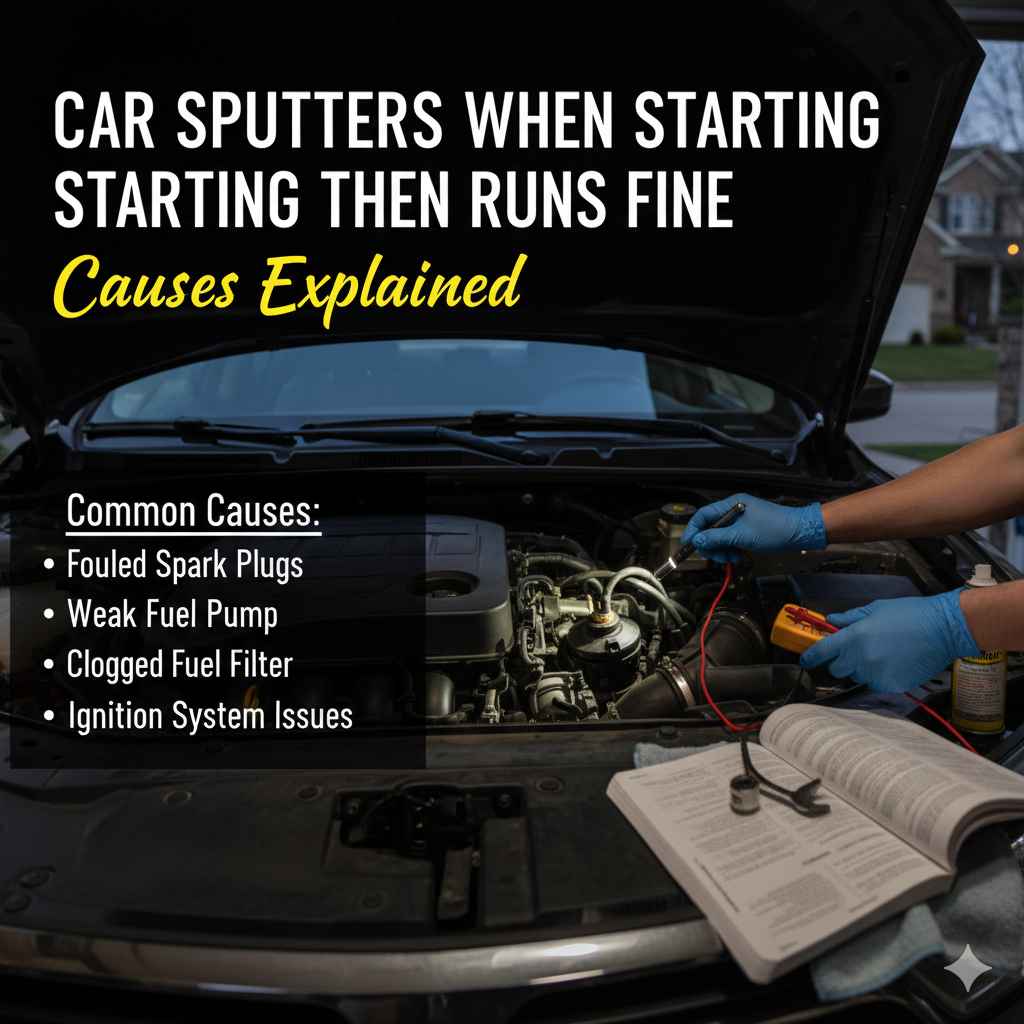
Car Sputters When Starting Then Runs Fine: Causes Explained
If your car sputters when you start it but then runs smoothly, it can be a little stressful. Many car owners experience this, especially when they’re new to driving or car maintenance. Don’t worry, it’s usually not a major problem, and often has a simple fix. We’ll explore the common reasons why the Car Sputters When Starting Then Runs Fine: Causes, offering a straightforward, step-by-step approach to help you figure out what’s going on and what you can do about it. Let’s get started by looking at some basic areas.
Possible Issues When Your Car Sputters During Startup
When a car sputters during startup, it essentially means the engine isn’t getting what it needs to run properly right away. This can be caused by various factors, from a lack of fuel to issues with the ignition system. The good news is that these problems, once identified, are often manageable. We’ll look at the common causes, explaining each in detail and providing practical steps you can take to address them. These issues often affect how your car runs when cold but improve as the engine warms up. This section focuses on the initial struggles and how these issues manifest.
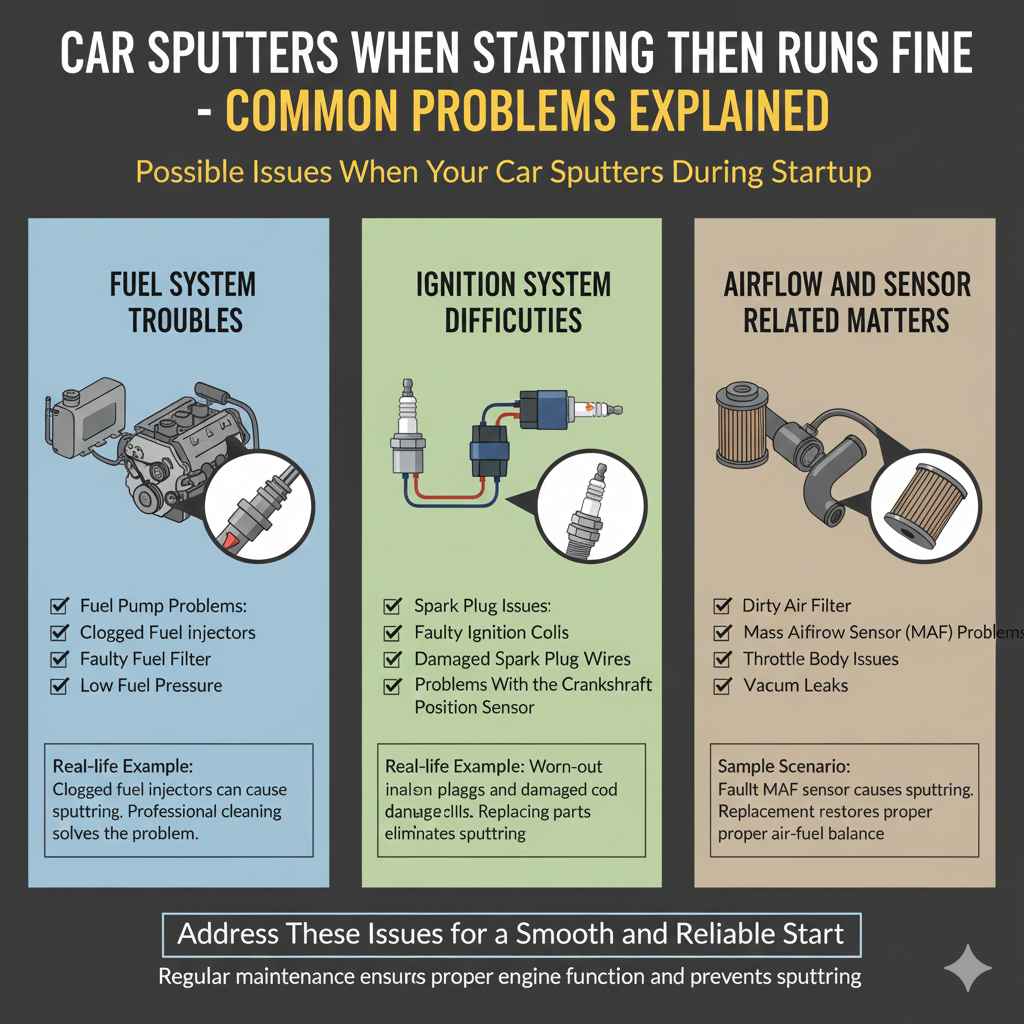
Fuel System Troubles
One of the most frequent culprits behind sputtering engines during startup is the fuel system. Your engine needs a precise mix of fuel and air to start and run effectively. Any disruption to this process can lead to sputtering. Issues with the fuel pump, fuel injectors, or even the fuel filter can all impact fuel delivery. These problems can be more pronounced when the engine is cold and needs a richer fuel mixture to start. It’s important to inspect components like the fuel pump relay or the fuel injectors, which might be clogged or malfunctioning. Understanding how these parts interact is key.
- Fuel Pump Problems: The fuel pump provides the necessary pressure to deliver fuel to the engine. If the fuel pump is failing, it may not supply enough fuel, especially when the engine is cold, causing it to sputter. A weak fuel pump can make it difficult to start the car and can contribute to sputtering during those critical initial moments.
- Clogged Fuel Injectors: Fuel injectors spray fuel into the engine cylinders. If they become clogged with dirt or debris, they can’t deliver the fuel properly. This is like trying to drink through a straw that’s partially blocked. When you start your car, it may sputter because some cylinders aren’t getting enough fuel.
- Faulty Fuel Filter: The fuel filter removes contaminants from the fuel before it reaches the engine. A clogged fuel filter restricts fuel flow, which is more noticeable during startup when the engine needs a greater supply of fuel. This obstruction is similar to having a clogged straw, preventing the necessary fuel supply for smooth ignition.
- Low Fuel Pressure: If the fuel pressure is too low, the engine won’t get enough fuel to start properly. Low fuel pressure can be caused by a failing fuel pump, a clogged fuel filter, or a leak in the fuel line. This is the equivalent of trying to water a plant with a garden hose that doesn’t have enough water pressure, resulting in the engine’s inability to begin smoothly.
Real-life Example: Imagine a driver whose car started sputtering frequently, especially on cold mornings. After a diagnostic test, it was found that the fuel injectors were partially clogged due to the car not being driven frequently. A professional cleaning of the injectors solved the sputtering issue, showing the impact of simple maintenance on your car’s functionality.
Ignition System Difficulties
The ignition system is responsible for creating the spark that ignites the fuel-air mixture in the engine cylinders. A problem with any of the ignition components can cause sputtering during startup. Issues in the ignition system often reveal themselves when the engine is cold, since the cold can make the problem more severe. The spark plugs, ignition coils, and related wires and sensors all play a role in this process. When problems arise, your engine might struggle to start. Regular checks and maintenance are key to prevent sputtering. This ensures the ignition is working at its peak.
- Spark Plug Issues: Spark plugs create the spark that ignites the air-fuel mixture. Worn or fouled spark plugs can misfire, especially when the engine is cold. Misfires cause the engine to sputter because the fuel in a cylinder doesn’t ignite properly.
- Faulty Ignition Coils: Ignition coils provide the high voltage needed to generate the spark at the spark plugs. If an ignition coil is failing, it may not produce enough voltage, leading to a weak spark. This can cause the engine to sputter and struggle to start.
- Damaged Spark Plug Wires: Spark plug wires carry the high voltage from the ignition coil to the spark plugs. If the wires are cracked or damaged, the spark can leak out, resulting in a weak spark at the spark plug. This is a common cause of sputtering during startup.
- Problems With the Crankshaft Position Sensor: The crankshaft position sensor helps the engine’s computer determine the timing of the spark. A faulty sensor can cause incorrect spark timing, leading to difficult starts and sputtering. This sensor gives the timing for ignition and fuel injection.
Real-life Example: A car owner noticed their car would sputter when starting in cold weather. After a mechanic’s inspection, it was discovered that the spark plugs were worn out, and the ignition coils had minor damage. Replacing these parts eliminated the sputtering issue, improving the car’s cold-start performance, which highlighted the crucial role of the ignition system.
Airflow and Sensor Related Matters
Proper airflow is also essential for engine function. Issues with the air intake system, such as a dirty air filter or problems with sensors that monitor airflow, can trigger sputtering. These problems can disrupt the air-fuel mixture, making it challenging for your engine to start smoothly. The air-fuel ratio is critical for combustion. Problems with airflow can lead to a lean or rich mixture, causing your car to sputter when starting and possibly run roughly. Regular inspections and maintenance of these systems can prevent these problems.
- Dirty Air Filter: A dirty air filter restricts the amount of air entering the engine. This can cause a rich fuel-air mixture, which might cause the engine to sputter during startup.
- Mass Airflow Sensor (MAF) Problems: The MAF sensor measures the amount of air entering the engine. If the sensor is faulty, it can send incorrect information to the engine computer, leading to an incorrect fuel-air mixture.
- Throttle Body Issues: The throttle body controls the amount of air entering the engine. A dirty or malfunctioning throttle body can cause airflow problems, especially during startup when the engine is more sensitive to air intake.
- Vacuum Leaks: Vacuum leaks allow unmetered air into the engine, which can disrupt the air-fuel mixture. These leaks can be particularly noticeable during startup when the engine’s vacuum is high.
Sample Scenario: A driver notices their car sputters when starting on cold mornings and often stalls shortly after. They suspect an issue, perhaps with the air intake. The mechanic finds a faulty mass airflow sensor (MAF). After it’s replaced, the sputtering stops, highlighting the link between the MAF and the car’s smooth start. This repair helps restore the proper air-fuel balance, preventing stalling.
Diagnostic Steps to Troubleshoot Car Sputtering
Determining the exact cause of the sputtering requires a methodical approach. This process involves a combination of visual inspection, diagnostic tools, and sometimes, a bit of trial and error. By systematically checking each potential issue, you can often pinpoint the problem. These steps should be conducted in an order that builds on each, leading to a complete diagnosis. The key is to examine the different systems that could be causing the sputtering issue. These are essential for resolving the problem and getting your car running correctly again.
Inspection and Visual Checks
Begin with a thorough visual inspection. Start by checking for obvious signs of trouble. This helps identify any issues that are easy to spot. Look for any loose connections, leaks, or obvious damage. Simple inspections can often reveal the source of the problem. This initial step can save time and effort. It is the beginning of the diagnostic journey. Visual inspections may reveal obvious issues that are easy to address.
- Check the Fuel Lines: Look for any signs of fuel leaks around the fuel lines, fuel pump, and fuel injectors. Leaks can cause fuel pressure issues, which often lead to sputtering.
- Inspect Spark Plugs and Wires: Examine the spark plugs for wear, fouling, or damage. Check the spark plug wires for cracks or damage. Replace the spark plugs and wires if they are worn or show signs of failure.
- Examine the Air Filter: Check the air filter for dirt or blockages. A clogged air filter can restrict airflow, causing the engine to sputter.
- Check for Vacuum Leaks: Listen for any hissing sounds, which could indicate a vacuum leak. Carefully inspect vacuum hoses for cracks, disconnections, or damage. Vacuum leaks can impact engine performance and cause sputtering.
Visual examples include checking the color of the spark plugs to determine the condition of your engine’s fuel mixture. A white spark plug tip indicates a lean mixture, while a black, sooty tip indicates a rich one. This helps diagnose fuel-related issues. The color of your spark plugs will tell you whether it is the fuel, ignition, or airflow that’s the issue.
Using Diagnostic Tools
Sometimes, a visual inspection isn’t enough to pinpoint the issue. Diagnostic tools can provide valuable insights. These tools can identify issues that aren’t visible to the naked eye. This can include issues with sensors or the engine’s computer. The use of diagnostic tools is a way to get a more clear picture of the problem. These tools also allow you to see what is happening in your engine. These include scanners, multimeters, and pressure testers.
- Using an OBD-II Scanner: An OBD-II scanner can read diagnostic trouble codes (DTCs) from the engine’s computer. These codes can point to specific problems in the engine. This is a very valuable tool.
- Checking Fuel Pressure: A fuel pressure gauge can measure the fuel pressure in the fuel line. This helps determine if the fuel pump is delivering the correct amount of fuel.
- Testing the Ignition System: A multimeter can be used to test the ignition coil and spark plug wires. You can also use it to check the resistance of these components.
- Using a Vacuum Gauge: A vacuum gauge can measure the vacuum in the engine. This can help identify vacuum leaks or other issues affecting the engine’s performance.
Statistical insight: According to a study, about 60% of engine problems can be identified using an OBD-II scanner. This means that a diagnostic tool is extremely important. This tool is often the starting point. This makes diagnostics easier and more efficient.
Testing and Evaluation
After initial inspections and tool use, the next step involves testing and evaluating the components. The process of testing helps confirm suspicions and fine-tune your repair strategy. By testing each component, you can isolate the specific part that is causing the problem. Test each component one at a time. Through testing, you can then make informed decisions on replacement or repair. It is important to remember safety when testing and evaluating parts.
- Fuel Pump Test: Connect a fuel pressure gauge to the fuel line and start the engine. Observe the fuel pressure to ensure it meets the manufacturer’s specifications. This ensures the fuel pump works as it is supposed to.
- Ignition Coil Test: Use a multimeter to measure the resistance of the ignition coil. Make sure it’s within the manufacturer’s specifications. Testing the coil can ensure it’s working.
- Spark Plug Test: Remove the spark plugs and inspect them for wear, fouling, or damage. Check the gap to confirm it is within specifications. Replace them if necessary.
- Sensor Testing: Use an OBD-II scanner to monitor the readings from sensors. This can help determine if a sensor is faulty or providing incorrect data. If a sensor is broken, it should be replaced.
Sample scenario: A car owner’s vehicle sputtered when starting and ran rough. Using an OBD-II scanner, the owner found a code that pointed to a faulty mass airflow sensor. After replacing the sensor, the sputtering problem disappeared, showing the importance of checking all the components.
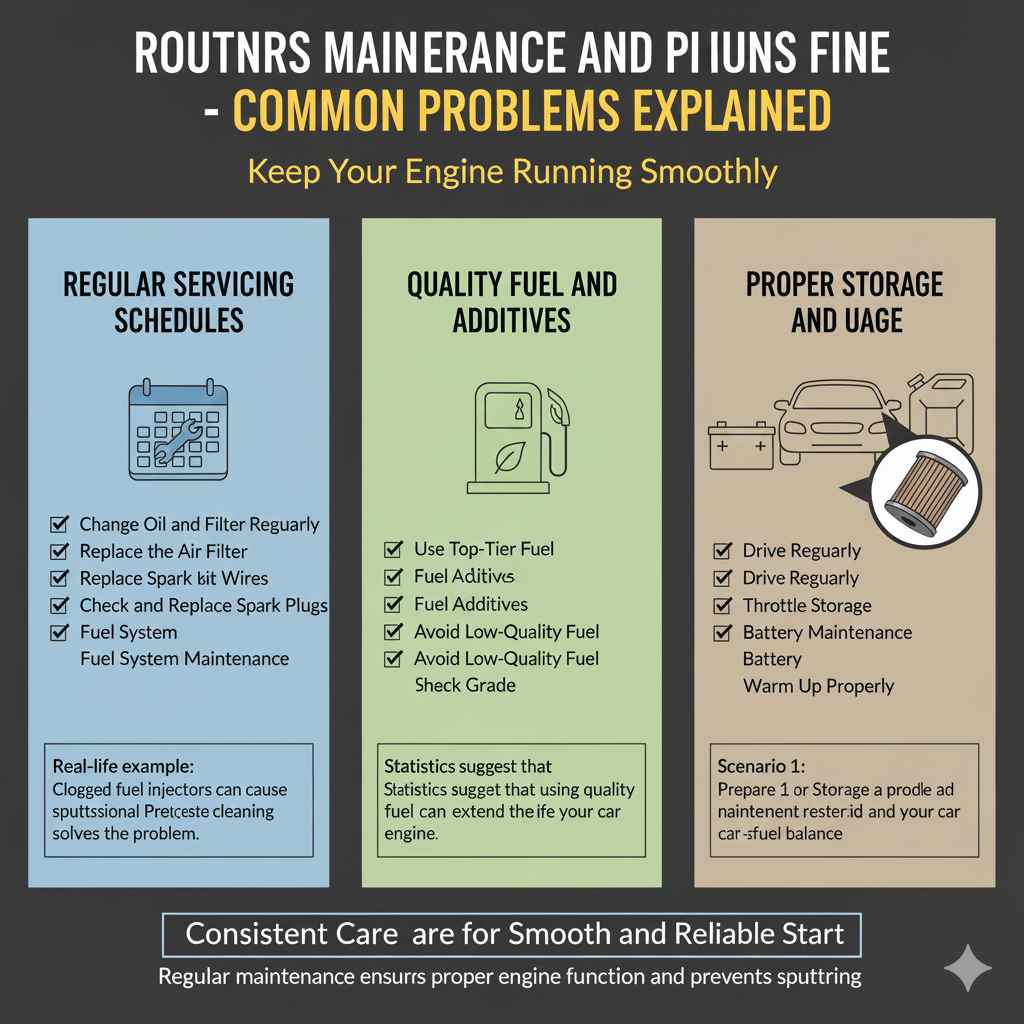
Routine Maintenance and Prevention
Preventing the “Car Sputters When Starting Then Runs Fine: Causes” often comes down to consistent, preventive maintenance. Regular maintenance keeps the engine in top shape. It helps reduce the likelihood of sputtering. The following tips can prevent issues and help you keep your car running smoothly. Regular care can save you money by preventing major problems from developing.
Regular Servicing Schedules
Following a regular servicing schedule is one of the most proactive steps you can take. Following a regular schedule ensures your car is always up to date with maintenance. The schedule is usually described in your owner’s manual. A good maintenance schedule helps to keep everything in good working condition. Sticking to this schedule can protect the long-term health of your vehicle. It is especially useful for preventing sputtering issues.
- Change Oil and Filter Regularly: Change your oil and oil filter every 3,000 to 5,000 miles, or as recommended by the manufacturer. This keeps the engine lubricated and running smoothly.
- Replace the Air Filter: Replace the air filter every 12,000 to 15,000 miles, or more frequently if you drive in dusty conditions. A clean air filter is essential for proper airflow.
- Check and Replace Spark Plugs: Replace spark plugs as recommended by your car’s manual. The recommended interval can vary depending on the type of spark plugs. Regular replacement ensures efficient ignition.
- Fuel System Maintenance: Have your fuel injectors cleaned and fuel filter replaced as recommended. Fuel system maintenance keeps the fuel delivery system clean and reliable.
Real-life example: A car owner follows a routine maintenance schedule. They consistently replace the oil, air filter, and spark plugs. Their car rarely experiences sputtering issues. This is because they take the preventive approach of routine maintenance.
Quality Fuel and Additives
The type of fuel you use can also affect your engine’s performance and longevity. Low-quality fuel can lead to deposits that can clog the fuel injectors. High-quality fuel contains detergents to keep the fuel system clean. Quality fuel can prevent problems and keep the engine running smoothly. Quality fuel will make the engine more efficient. It is also important to use fuel additives. These also clean and protect the engine. Choosing the correct fuel can protect the car’s fuel system.
- Use Top-Tier Fuel: Use fuel from Top-Tier gasoline retailers, which include extra detergents. This keeps the fuel system clean and can prevent fuel injector issues.
- Fuel Additives: Consider using fuel additives that help clean injectors and remove deposits. These can be added to the fuel tank periodically for added protection.
- Avoid Low-Quality Fuel: Avoid using fuel from stations where the quality is unknown. This can protect your engine from unwanted issues.
- Check Fuel Grades: Be certain you’re using the fuel grade recommended for your car. Using the correct fuel grade helps the engine run as it should.
Statistics suggest that using quality fuel can extend the life of your car’s engine. Good fuel contributes to better fuel efficiency. Regular use of additives, when recommended, can also help maintain and clean the car’s fuel system. By using high-quality fuel, it’s possible to reduce the potential for car issues. This will also help improve the long-term performance.
Proper Storage and Usage
How you store and use your car can also play a role in preventing startup issues. If you store your car for extended periods, take specific steps. These steps can help to keep the engine in good shape. Regular driving helps keep the engine components lubricated and functioning correctly. Long-term storage can lead to fuel degradation. This can lead to fuel system problems. Proper storage and usage is therefore critical.
- Drive Regularly: Drive your car regularly, even if it’s just for short trips. This helps to prevent fuel degradation and keeps engine components lubricated.
- Prepare for Storage: If you plan to store your car for an extended period, treat the fuel with a stabilizer. This will prevent fuel degradation.
- Battery Maintenance: Make sure your battery is charged and in good condition. A weak battery can make it difficult to start the engine, especially in cold weather.
- Warm Up Properly: Allow your car to warm up for a few minutes before driving, especially in cold weather. This helps the engine components to reach operating temperature.
Here are two sample storage scenarios:
- A car owner plans to store their car for the winter. Before storage, they add a fuel stabilizer, disconnect the battery, and cover the car to protect it from the elements. This is very good preparation.
- A car owner leaves their car parked for months without doing any preparation. After this storage period, the car struggles to start due to fuel degradation and a dead battery. This is an example of what to avoid.
Frequently Asked Questions
Question: What does it mean when a car sputters?
Answer: When a car sputters, it means the engine is not running smoothly. The engine might misfire or hesitate. Sputtering is when the engine’s combustion is interrupted or inconsistent, causing rough running.
Question: Can bad spark plugs cause sputtering?
Answer: Yes, worn or fouled spark plugs can absolutely cause sputtering. The spark plugs are key for creating the spark that ignites the fuel-air mixture. If they don’t work well, the engine will sputter.
Question: How do I know if my fuel pump is bad?
Answer: If the fuel pump is failing, you might experience difficulty starting your car, sputtering, or loss of power. A mechanic can check fuel pressure to test the pump. A failing pump can prevent the right amount of fuel from reaching the engine.
Question: Is it safe to drive a car that is sputtering?
Answer: It’s generally not safe to drive a car that is sputtering, as it might lead to further damage. Sputtering indicates there is a problem. It is best to have it checked as soon as possible to prevent serious engine failure.
Question: How often should I replace my fuel filter?
Answer: The fuel filter should be replaced as recommended in your car’s manual. The frequency can vary, but it’s typically every 20,000 to 40,000 miles. Replacing the filter prevents fuel flow problems.
Final Thoughts
The “Car Sputters When Starting Then Runs Fine: Causes” are varied, but most are manageable. We’ve explored common culprits, from fuel system issues to ignition problems, and discussed how to identify and address them. The key is to approach troubleshooting systematically, starting with basic checks and using diagnostic tools when necessary. Remember, regular maintenance, using quality fuel, and adhering to your car’s service schedule are the best ways to keep your car running smoothly.
By taking proactive steps and addressing issues promptly, you can keep your car from sputtering and keep it reliable. If you’re not comfortable with the troubleshooting steps, consult a trusted mechanic. Regular car care is a worthwhile investment. It will help ensure that your car runs well for years.