Adhesive for Car Mirror: Top Picks for Secure Mirror Fixing
Choose the adhesive for the failure you have: rearview mirror buttons need a high-temperature two-part epoxy or UV-curing mirror adhesive, side mirror glass usually needs a mirror-specific double-sided tape or urethane pad, and full replacement jobs should follow the part maker’s bond spec. Use the wrong product, and the mirror can pop loose, distort, or fall, leaving you with a dead mount and a repeat repair. This guide compares adhesive types by mirror setup, substrate, heat exposure, and the failure mode you are trying to stop.
Car mirror adhesive choices at a glance
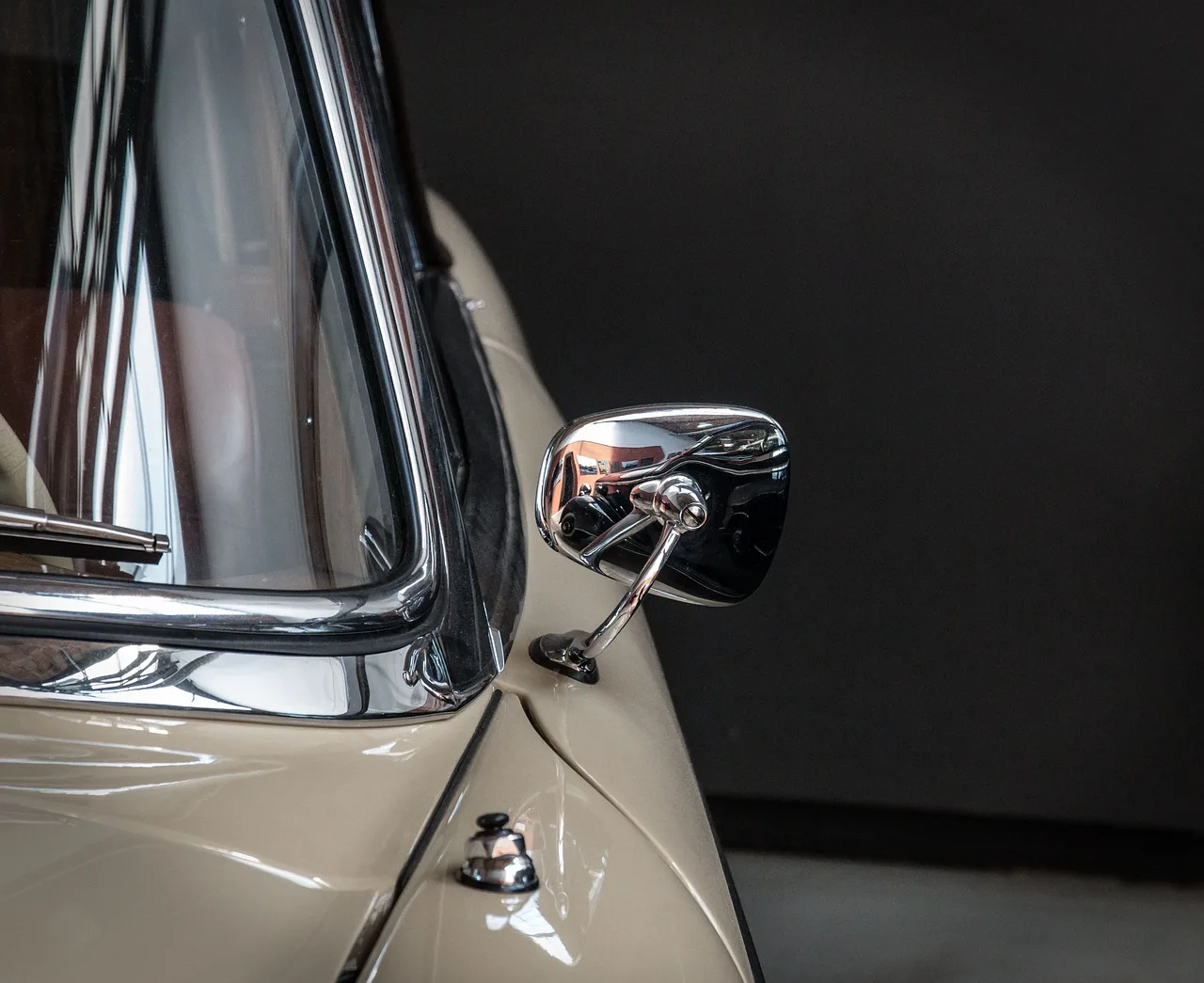


The trade-off is generally straightforward. Interior rearview mirror mounts need a true glass-to-metal bond with clean prep and a fast, reliable cure. Exterior side mirror glass usually needs a flexible attachment method that can handle vibration, moisture, and temperature changes. Full replacement jobs often need the part’s own backing shape rather than a generic glue choice.
| Mirror job | Best adhesive category | Cure behavior | Best use case |
|---|---|---|---|
| Rearview mirror button or mount | Rearview mirror adhesive kit, two-part system with activator | Fast cure; handling strength comes quickly | Glass-to-metal bonding on the windshield |
| Side mirror glass with intact housing | Mirror-specific double-sided tape or urethane pad | Set time varies by product; follow the part spec | Lightweight glass retention on a curved backing |
| Exterior mirror repair with more flex and weather exposure | Polyurethane adhesive | Handling strength in hours, not days | Larger exterior repairs that need flex and weather resistance |
| Replacement mirror glass with molded backing | Vehicle-specific replacement part | Depends on the part design | When the backing, tabs, or mating surface are damaged |
Rearview mirror adhesive kits are built for the mount that glues to the windshield. That kind of kit is aimed at glass-to-metal bonding, where a rigid button or bracket must stay put under heat and road vibration.
By contrast, polyurethane adhesive fits repairs that need some flex. That matters more on exposed exterior parts than on a small interior mirror button.
Visbella is also listed for fast, strong repairs on windshields. That points to the same use zone: automotive-grade adhesive for glass-to-metal compatibility, short downtime, and long-lasting bond strength where the mirror mount is the load point.
Which adhesive fits your mirror repair?
Start with the failure mode, not the brand. A rearview mirror that detaches from the windshield needs a glass-to-metal system. A side mirror glass panel that keeps loosening needs a product meant for that curved backing and its mounting tabs. If the mount, glass, or housing is cracked, adhesive is usually the wrong fix.
Rearview mirror mount
Choose a rearview mirror adhesive kit when the metal button or bracket has clean contact points and the windshield glass is intact. The kit format matters because it usually includes a two-part adhesive, an activator, and an applicator or towelette for controlled bonding. It is the right choice when you need fast cure and high vibration resistance.
Suppose the button falls off after a hot week in a parked car. That points to a bond problem, not a mirror problem. A proper rearview kit is designed for temperature swing resistance, not just initial grab.
Side mirror glass
Choose a mirror-specific tape, urethane pad, or a replacement glass assembly for side mirror work. The part often needs a contoured adhesive backing that matches the housing, and the fit can be flat or curved depending on the vehicle. If the glass is warped, cracked, or the backing is missing tabs, replacement is safer than glue.
A common first-timer mistake is reaching for a rearview kit on an exterior mirror panel. The loads are different. Outside, moisture, UV exposure, road shock, and vibration all matter at once.
Full replacement or larger repair
Choose replacement mirror glass when the backing geometry no longer matches, the mount is damaged, or the original adhesive surface is gone. If the part depends on a vehicle-specific shape, use the correct part instead of trying to rebuild it with glue.
Mirror adhesive decision matrix
This matrix maps the job to the adhesive category that is most likely to hold. It separates interior rearview work from exterior mirror work, because their substrates and failure modes are not the same.
| Mirror type | Substrate and fitment | Climate exposure | Repair urgency | Best adhesive category |
|---|---|---|---|---|
| Interior rearview mirror | Glass-to-metal button or bracket | High heat in parked cars, vibration, repeated temperature swings | Need a quick return to service | Two-part rearview mirror adhesive kit with activator |
| Interior rearview mirror | Damaged windshield pad area or cracked mount | Any climate | Recurring detachment | Replace the mount or windshield section if the bond surface is no longer sound |
| Exterior side mirror glass | Curved or flat replacement glass with intact backing | Rain, UV, cold, heat, road shock | Moderate | Mirror-specific tape, urethane pad, or vehicle-specific replacement glass |
| Exterior mirror assembly | Loose housing or large bonded area | Frequent moisture and vibration | Urgent | Polyurethane adhesive if the part maker allows a bonded repair |
| Any mirror | Cracked glass, warped plastic, missing tabs, or stripped mount | Any | Immediate | Replacement, not adhesive |
How long does car mirror adhesive take to cure?
Car mirror adhesive timing has three stages: working time, handling strength, and full cure. Some products grab in minutes, but that does not mean the joint is ready for stress. For a mirror mount, the real question is when the bond can support vibration and heat, not only when it feels dry.
Minutes versus hours
Different adhesive types cure at different speeds, so the product instructions matter more than a general timeline.
What to avoid during the cure window
- Do not hang the mirror on the bond before handling strength is reached.
- Do not slam doors or drive immediately if the product calls for a quiet cure period.
- Do not adjust the mirror after the adhesive starts to set.
- Do not trap moisture or old adhesive under the joint.
Picture a rearview button reattached with a fast kit, then twisted to “line it up” two minutes later. The bond can fail even if the glue itself is strong. Alignment must be fixed before cure, not after.
Choose rearview mirror adhesive kit if… / Choose polyurethane adhesive if…
Choose a rearview mirror adhesive kit if the job is a windshield-mounted interior mirror, the metal button is intact, and you want a fast cure with high-temperature glass-to-metal bonding. Choose polyurethane adhesive if the repair is on an exterior mirror area that sees more moisture, more vibration, and more movement. Choose replacement glass if the backing or mount is damaged.
Choose rearview mirror adhesive kit if…
Use the kit when the failure is a clean detachment at the windshield button or bracket. It is also the better fit when you need an activator, a controlled applicator, and a short wait before reassembly. That combination is built for interior rearview work, not broad exterior repair.
Do not use it when the contact area is contaminated, cracked, or badly warped. A quick cure cannot save a weak base surface.
Choose polyurethane adhesive if…
Use polyurethane when the repair needs flexibility, weather resistance, and vibration damping. It suits larger exterior jobs better than a tiny rearview mount.
It is not the best pick when you want the smallest possible wait time or when the part is a dedicated rearview mirror button. For that, a mirror kit is usually the cleaner choice.
Choose replacement mirror glass if…
Replace the glass when the part needs contoured adhesive backing, the fit is vehicle-specific, or the old panel no longer sits correctly on the mount. If the mirror comes in flat and curved versions, match the original shape. Glue cannot correct a bad fitment.
Surface prep that decides the bond
Surface preparation is not optional. The bond only works when the glass and metal are clean, dry, and free of old adhesive. Alignment also matters because once the adhesive starts to cure, the window for correction is short.
Remove old adhesive
Scrape away every loose remnant from the old mount and the windshield patch. If the previous bond failed, the leftover layer can keep the new adhesive from contacting the base material. That is one of the most common reasons mirror repairs peel off again.
Clean and dry glass and metal
Clean both surfaces until they are free of oil, dust, and road film. Then dry them fully. Moisture can interfere with glass-to-metal bonding, and it is especially risky on interior rearview repairs where a small contact area carries the full load.
Do not rush this step because the adhesive is “strong.” Strong products still need clean substrate contact.
Position before cure
Dry-fit the mirror and confirm the angle before applying the final bond. Once the adhesive is in place, the mirror should stay still until the cure window passes. That matters for both fast rearview kits and slower polyurethane products.
Can you use super glue on a car mirror?
Super glue is not a universal fix for car mirrors. It can become brittle, it does not handle vibration well in many mirror repairs, and it is a poor match for exposed exterior joints or glass-to-metal mounts that see heat cycles. Use a product designed for the substrate and the failure mode instead.
Why super glue fails on many mirror repairs
Cyanoacrylate bonds can break down under movement, moisture, and thermal stress. That is a poor fit for a rearview mount on a windshield and an even worse fit for side mirror work exposed to weather. A quick grab is not the same as a lasting automotive bond.
Better options for glass-to-metal and exposed exterior parts
For rearview mirror mounts, use a two-part rearview mirror adhesive kit with activator. For more flexible exterior work, polyurethane adhesive is the more practical category. Both are automotive-grade choices intended for better compatibility with the repair substrate.
Safer replacement triggers
Replace the part if the mount is broken, the glass is cracked, the backing is missing, or the housing no longer provides the right mating surface. Adhesive cannot restore geometry. It only bonds what is already fit to bond.
Frequently asked questions
What is the best adhesive for a car mirror?
The best adhesive depends on the mirror type. Rearview mirror mounts usually need a two-part rearview mirror adhesive kit for glass-to-metal bonding. Side mirror glass often needs a mirror-specific tape, pad, or polyurethane solution. If the fitment is damaged, replacement is safer than trying to glue around the problem.
What glue works best for glass to metal on a car mirror?
A dedicated rearview mirror adhesive kit is the best fit for glass-to-metal bonding on an interior mirror mount. It is made for the windshield button or bracket and handles temperature swings and vibration better than general-purpose glue. Clean, dry prep matters as much as the adhesive itself.
Do I need an activator for rearview mirror adhesive?
Usually yes, if the kit calls for one. The activator helps the two-part system bond properly to the windshield and metal mount. Use the full kit, including the towelette or applicator, because missing prep steps can weaken the repair even when the adhesive is high quality.
What surface prep is needed before attaching a car mirror?
Clean the glass and metal, remove old adhesive, and make sure both surfaces are fully dry. Dry-fit the mirror first so you know the angle before cure begins. Poor prep is a common reason a mirror pops off again, especially on rearview mounts with a small bonding area.
Products related to this article
Sponsored / affiliate links. As an Amazon Associate I earn from qualifying purchases. I may earn additional commission from eligible campaigns.