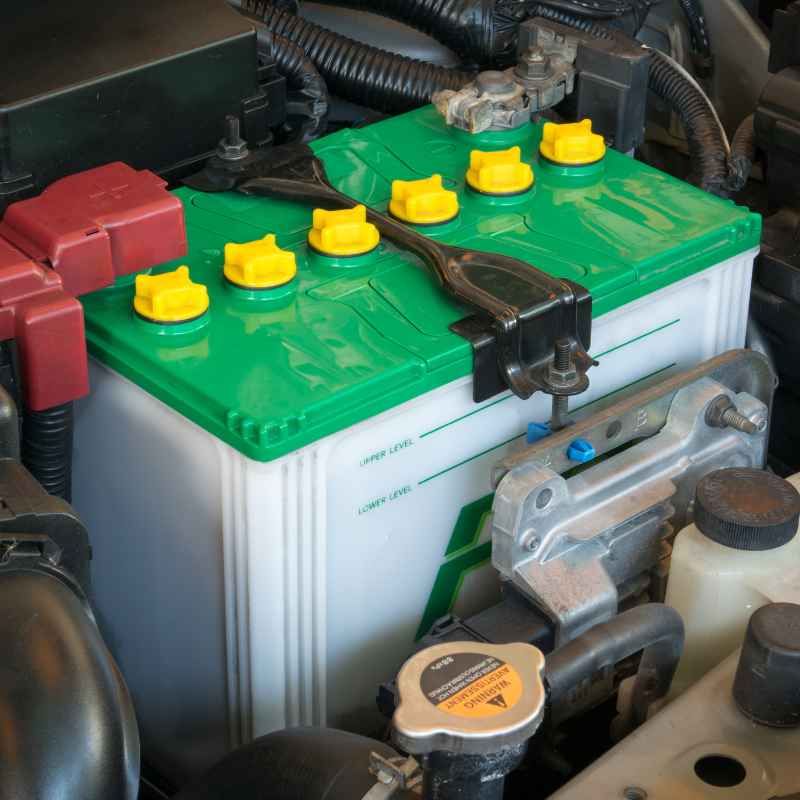
How To Know What Type Of Battery Your Car Needs
The right car battery is key to reliable starts. Understanding battery types like flooded lead-acid, AGM, and EFB, along with group sizes and terminal configurations, ensures you get a perfect fit for your vehicle’s electrical demands and climate.
Understanding Your Car Battery Basics
Your car’s battery is more than just a power source. It’s an energy storage device. It powers your car when the engine isn’t running.
This includes lights, radio, and all the electronics. When the engine starts, the alternator takes over. It keeps the car running and recharges the battery.
Batteries have a limited life. They usually last 3 to 5 years. Many things can affect how long they last.
Extreme heat is a big one. So is extreme cold. Your driving habits also play a role.
Frequent short trips can shorten battery life. This is because the alternator doesn’t get enough time to fully recharge it.
Think of a battery like a rechargeable cell phone battery. It holds power. It gives power.
And it needs to be refilled. Car batteries are very robust. They are built to withstand the vibrations of the road.
They also need to handle a wide range of temperatures. The battery stores electrical energy. This energy is needed to start the engine.
The starter motor needs a lot of power. A healthy battery can deliver this burst. It also keeps your car’s computer and other systems running smoothly.
When you need a new battery, you’ll see numbers and letters on the old one. These are clues. They tell you what type of battery your car uses.
Don’t just grab any battery. Using the wrong one can cause problems. It might not fit right.
It might not have enough power. Or it could even damage your car’s electrical system. We need to understand these clues.
That way, we can pick the best fit. This guide will make it easy.

My Battery Scare: A Cold Morning Wake-Up Call
I remember one winter morning vividly. It was freezing. I was already running late for an important meeting.
I hopped into my car, put the key in the ignition, and turned. Nothing. Just a sad, slow whirring sound.
My heart sank. I tried again. Same result.
Panic started to set in. I pictured missing my meeting. I pictured the tow truck bill.
My old car battery had finally given up. It was a Wednesday. The temperature was in the single digits.
My car was usually so reliable. This felt like a betrayal.
I called my neighbor, who’s a whiz with cars. He came over with jumper cables. While he worked, I stood there shivering, thinking about the car battery.
It was a standard one. I hadn’t thought about it in years. Now I was faced with buying a new one.
Where do you even start? I saw all sorts of batteries at the auto parts store. They all looked the same, but the prices were different.
My neighbor finally got my car started. He said, “You need a new battery soon. Make sure you get the right size and type.
Don’t just guess.” That advice stuck with me.
His words echoed in my mind as I drove to the auto parts store later that day. I felt a bit overwhelmed. The salesperson asked me for my car’s make, model, and year.
He pulled up a chart. It showed a few options. He explained the differences.
Some were better for colder climates. Some lasted longer. He showed me the battery group size.
He pointed out the terminals. It wasn’t as simple as I thought. I learned that day that not all car batteries are created equal.
Getting the right one matters a lot. It saved me a lot of headaches down the road. And I never want anyone else to feel that morning panic.
The Three Main Types of Car Batteries
Car batteries have come a long way. For a long time, one type ruled. Now, there are a few main kinds.
They are designed for different needs. Let’s look at them. Understanding these helps you pick the best power for your car.
Understanding Battery Technologies
Flooded Lead-Acid Batteries (Wet Cell): These are the most common. They’ve been around for ages. They work well for most cars.
They are usually the most affordable option. The liquid electrolyte is a mix of water and sulfuric acid. This is where the “wet cell” name comes from.
They need occasional maintenance. You might need to check and add distilled water. This is true for older models.
Newer ones are often “maintenance-free.”
Absorbent Glass Mat (AGM) Batteries: AGM batteries are newer. They are a type of lead-acid battery. But they are different.
The electrolyte is absorbed into fiberglass mats. These mats sit between the lead plates. This makes them spill-proof.
They are also more resistant to vibration. AGM batteries can handle higher electrical demands. Many modern cars use them.
Think cars with start-stop systems. Or cars with lots of electronics. They also tend to last longer than flooded batteries.
But they are more expensive.
Enhanced Flooded Battery (EFB) Batteries: EFB batteries are a middle ground. They are a bit like flooded batteries. But they have improvements.
They offer better performance. They can handle more charge cycles. They are a good choice for cars with basic start-stop technology.
Or cars that need a bit more power than a standard flooded battery. They are often more robust than flooded types. But not as advanced or pricey as AGM.
They are becoming more common in mid-range vehicles.
Each type has its pros and cons. Your car’s needs will point you to the right one. Most cars from the 90s or early 2000s use flooded batteries.
Cars made in the last 10 years might use AGM or EFB. Especially if they have advanced features.
Why the different types? Modern cars have more electronics. They have features like heated seats.
They have complex infotainment systems. Start-stop technology also adds strain. These systems need a battery that can handle power demands.
They also need to recover quickly. AGM and EFB batteries are built for this. They offer better deep cycling.
This means they can discharge and recharge more often. Without losing too much life.
Decoding Battery Size: The Group Number
This is where things can get confusing. Batteries come in different sizes. This isn’t about how big the box is.
It’s about how it fits in your car’s tray. It’s also about where the terminals (the positive and negative posts) are. This size is called the battery group size.
It’s a standard system. The most common groups are 24, 26, 35, and 51R. For trucks, you might see larger groups like 65 or 31.
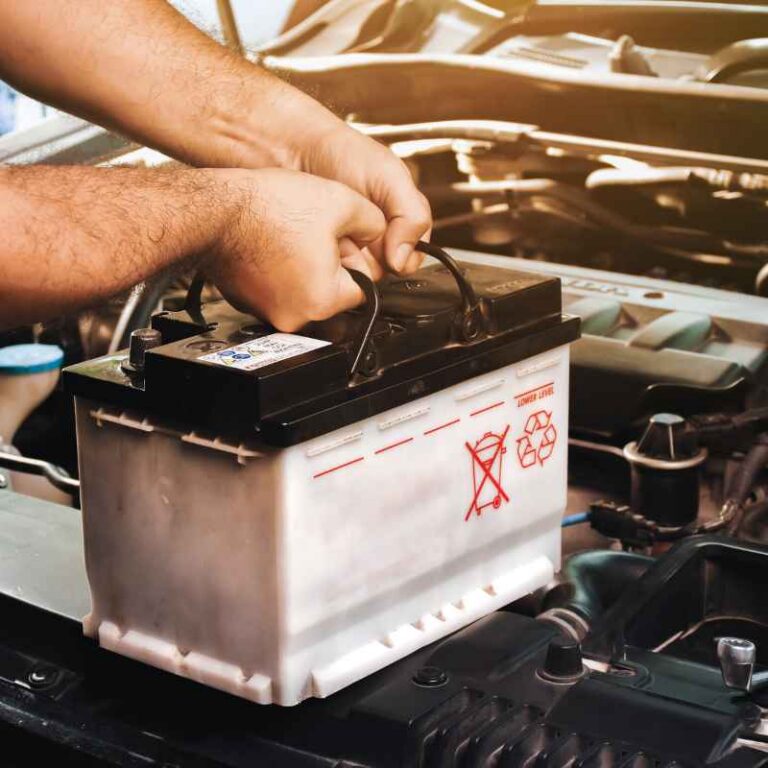
How do you find your car’s group size? The easiest way is to look at your old battery. The group number is usually printed on a label.
It might be “Group 35” or “Group 24F.” The “F” or “R” after the number means something. It tells you the position of the terminals. “R” often means reversed terminals.
Always check this. If you get the wrong terminal position, the cables might not reach. Or they might be crossed.
Quick Battery Group Size Check
How to Find Your Battery Group Size:
- Check Your Old Battery: Look for a label with “Group” and a number (e.g., 24, 35, 51R).
- Your Car’s Manual: The owner’s manual will list the correct group size.
- Online Tools: Most auto parts websites have a “fitment guide.” Enter your car’s info to find compatible sizes.
Why is the group size so important? A battery needs to physically fit. It needs to be held securely by the battery tray and hold-down clamp.
If it’s too big, it won’t fit. If it’s too small, it might move around. This can damage the battery.
Or it can cause loose connections. Loose connections mean poor power flow. This can lead to all sorts of electrical issues.
Terminal placement is also critical. The positive (+) and negative (-) posts need to be on the correct sides. So the car’s battery cables can connect properly.
Getting this wrong means the cables won’t connect. Or they might be too short. Some group numbers indicate terminal orientation.
For example, Group 35 and Group 35R are different. Always confirm the correct orientation for your car.
Cold Cranking Amps (CCA): Power for Starting
When you look at battery specs, you’ll see a number called Cold Cranking Amps, or CCA. This is a big deal. Especially if you live somewhere with cold winters.
CCA measures the battery’s ability to start an engine in cold temperatures. It’s the number of amps a battery can deliver at 0°F (-18°C) for 30 seconds.
A higher CCA rating means more power. This is vital for starting your engine when it’s very cold. Engine oil becomes thicker in the cold.
This makes it harder for the engine to turn over. A battery with enough CCA can overcome this resistance. It gives the starter motor the power it needs.
To spin the engine fast enough to fire up.
How much CCA do you need? Your car’s manufacturer specifies a minimum CCA. This is usually in your owner’s manual.
It’s based on the engine size and type. A large V8 engine will need more CCA than a small four-cylinder engine. If you live in a cold climate, it’s often wise to get a battery with a CCA rating slightly higher than the minimum.
This gives you extra peace of mind. And better starting power on the coldest days.
CCA Explained: Power in the Cold
What CCA Measures: Battery’s ability to start an engine in freezing temperatures (0°F).
Why It Matters: Cold engine oil is thick. A strong CCA battery overcomes this resistance.
Choosing the Right CCA:
- Check Your Manual: Always find the manufacturer’s recommended CCA.
- Go Slightly Higher: Especially for cold climates, a bit more CCA is good.
- Don’t Overdo It: Too much CCA won’t hurt, but it’s usually not necessary.
Keep in mind that CCA ratings can vary. Different brands may test differently. Always compare CCA within the same group size.
Don’t choose a battery just because it has the highest CCA. Ensure it’s the correct group size and terminal configuration first. Then, consider CCA as a key factor for performance.
It’s also important to note that CCA is a rating. It’s not the actual power your car uses to start. Your car’s starter draws what it needs.
A good battery will provide it. But if the battery is old or failing, it might not reach its rated CCA. That’s why a new battery with sufficient CCA is so important for reliable starts.
Reserve Capacity (RC): Keeping Things Running
Another important rating is Reserve Capacity, or RC. This tells you how long a fully charged battery can run accessories. If the alternator fails, for example.
It’s measured in minutes. It’s the number of minutes a battery can deliver 25 amps at 80°F (27°C) before dropping below 10.5 volts.
Why is this important? Imagine your alternator dies while you’re driving. Your headlights, radio, and dashboard lights are now running solely on battery power.
A higher RC means your battery can keep these essential systems going for longer. This gives you more time to safely pull over or get to a repair shop. It’s a measure of endurance.
For most drivers, the manufacturer’s recommended RC is sufficient. However, if you frequently drive in conditions where alternator failure might be more hazardous. Or if you have a lot of aftermarket accessories drawing power.
A higher RC battery might offer extra peace of mind. It’s a secondary but still important factor for battery performance.
Reserve Capacity (RC) at a Glance
What RC Measures: How long a battery can power essential car parts if the alternator fails.
Measured In: Minutes (at 25 amps, 80°F, down to 10.5 volts).
Importance: Gives you time to get to safety if your alternator breaks.
Choosing Based on RC:
- Standard Use: Manufacturer recommendation is usually fine.
- Heavy Accessory Load: Consider a higher RC for extra safety.
When comparing batteries, look at both CCA and RC. They represent different strengths. CCA is for that initial, powerful jolt to start the engine.
RC is for sustained output when the alternator isn’t helping. A good battery balances both. For your specific car.
Think of CCA as the sprinter’s explosive start. RC is the marathon runner’s stamina. Both are needed for a well-rounded battery.
Make sure the battery you choose meets or exceeds your car’s needs for both. This ensures reliability in all situations.
Terminal Type and Position: Small Details, Big Impact
We touched on this with group sizes. But it’s worth repeating. The terminals are the metal posts where you connect the battery cables.
There are different types and positions. Getting this wrong is a common mistake. And it can prevent you from installing the battery.
The most common type is the SAE (Society of Automotive Engineers) post. These are the standard cylindrical posts. They come in positive (larger) and negative (smaller) sizes.
There are also different terminal configurations. Some batteries have the positive post on the left. Others have it on the right.
This is where the “R” in some group numbers comes in. Like 35R.
Why does this matter? Your car’s battery cables are specific lengths and angles. They are designed to reach the terminals in a certain position.
If you get a battery with the terminals reversed. The cables might not reach. Or they might be stretched too tight.
This can cause a poor connection. Or even damage the cables. A poor connection means the battery can’t deliver power properly.
Or the alternator can’t recharge it effectively.
Terminal Checkpoints
Common Terminal Type: SAE Posts (standard cylindrical posts).
Terminal Position Matters:
- Positive (+) and Negative (-): Make sure they are on the correct sides for your car’s cables.
- “R” Designation: Often indicates reversed terminal positions (e.g., Group 35 vs. Group 35R).
- Cable Reach: Ensure your car’s battery cables will reach comfortably.
Always double-check the terminal layout. Compare it to your old battery. Or check your car’s manual.
Most online fitment guides will specify the correct terminal orientation. Don’t guess on this. It’s a simple check that saves a lot of frustration.
Some vehicles might use other terminal types. Like side terminals, common on some older American cars. Or top posts that are a different shape.
But for most modern passenger cars, SAE posts are standard. The key is ensuring the layout matches what your car expects.
Battery Voltage and Amperage Explained
Car batteries are almost universally 12-volt systems. This is a standard. So you don’t usually have to worry about choosing a different voltage.
The voltage refers to the electrical potential difference. It’s like the pressure behind the electricity.
Amperage is different. It’s about the amount of electrical current. You’ll see CCA mentioned for amperage.
That’s the peak current for starting. But there’s also something called Ampere-hour (Ah). This is another way to measure battery capacity.
It tells you how much current the battery can supply over time. For example, a 50Ah battery could theoretically supply 5 amps for 10 hours.
While Ah is important for battery technology in general, for car batteries, CCA is the primary number people focus on for starting power. The manufacturer’s recommendation for CCA is usually what you need to match. Sticking to the recommended CCA ensures your starter motor receives adequate power.
Without overloading the system.
Voltage vs. Amperage
Voltage: Standard for cars is 12 volts. This is the electrical “pressure.”
Amperage: Measures the flow of electrical current.
- CCA (Cold Cranking Amps): The most important amperage number for starting power.
- Ah (Ampere-hour): Measures total battery capacity over time. Less critical for selecting replacement car batteries.
If you have a classic car or a specialized vehicle, there’s a slim chance it might use a 6-volt system. But this is very rare in modern vehicles. Always check your owner’s manual if you’re unsure.
For the vast majority of cars on the road today, you’ll be looking for a 12-volt battery.
The key takeaway is to match your car’s requirements. The voltage will be 12V. The CCA will be specified by the manufacturer.
The group size and terminal configuration are critical for fit. These are the numbers that truly matter for selecting the right battery.
Putting It All Together: The Checklist for Choosing
So, you’re at the store or looking online. What’s the step-by-step process? It’s like a checklist.
Follow these steps, and you’ll get the right battery.
- Find Your Car’s Information: Get your car’s make, model, and year ready.
- Consult Your Owner’s Manual: This is your best friend. It lists the required battery group size, minimum CCA, and often recommended RC.
- Inspect Your Old Battery: If it’s still in the car, look for the group size label. Note the terminal positions.
- Use Online Fitment Guides: Auto parts store websites are very helpful. Enter your car’s details to see compatible batteries.
- Note the Battery Type: Does your car need a standard flooded battery, an AGM, or an EFB? Check your manual or online guides.
- Compare CCA: Ensure the new battery meets or exceeds the minimum CCA. Consider going higher if you live in a very cold climate.
- Check Reserve Capacity (RC): Make sure it’s adequate for your needs.
- Verify Group Size: The new battery must be the correct group size to fit your car’s battery tray and hold-down.
- Confirm Terminal Layout: Double-check that the positive and negative terminals are in the correct position for your car’s cables.
- Consider Warranty: Batteries come with warranties. A longer warranty often means a better quality battery.
It might seem like a lot. But each step is simple. And important.
Taking the time to check ensures you get a battery that works perfectly. And lasts as long as it should.
Don’t be afraid to ask for help. Auto parts store employees can be very knowledgeable. They can help you navigate the options.
Just make sure you have your car’s information handy. And be prepared to ask about the group size, CCA, and terminal placement. These are the key details.
When Does a Battery Need Replacing? Signs to Watch For
Batteries don’t just die suddenly. Usually, there are warning signs. If you notice these, it’s time to think about a replacement.
Before you get stranded.
- Slow Engine Crank: This is the most common sign. The engine turns over slower than usual. It sounds sluggish.
- Dim Lights: Headlights or interior lights might seem dimmer than normal. Especially when you first start the car.
- Electrical Issues: Power windows may operate slower. The radio might cut out. Other strange electrical behavior can occur.
- Check Engine Light: Sometimes, a failing battery can trigger the check engine light. Especially if it affects voltage regulation.
- Battery Warning Light: Some cars have a specific battery warning light on the dashboard.
- Corrosion on Terminals: While some corrosion can be cleaned, excessive buildup can indicate a battery problem. Or a loose connection.
- Swollen Battery Case: If the battery case looks swollen or bloated. It’s a sign of overheating or internal damage. Replace it immediately.
- Age: As mentioned, batteries typically last 3-5 years. If yours is older, it’s living on borrowed time.
Pay attention to your car. These little clues can save you a lot of trouble. If you’re unsure, get your battery tested.
Most auto parts stores offer free battery testing. They can tell you its condition.
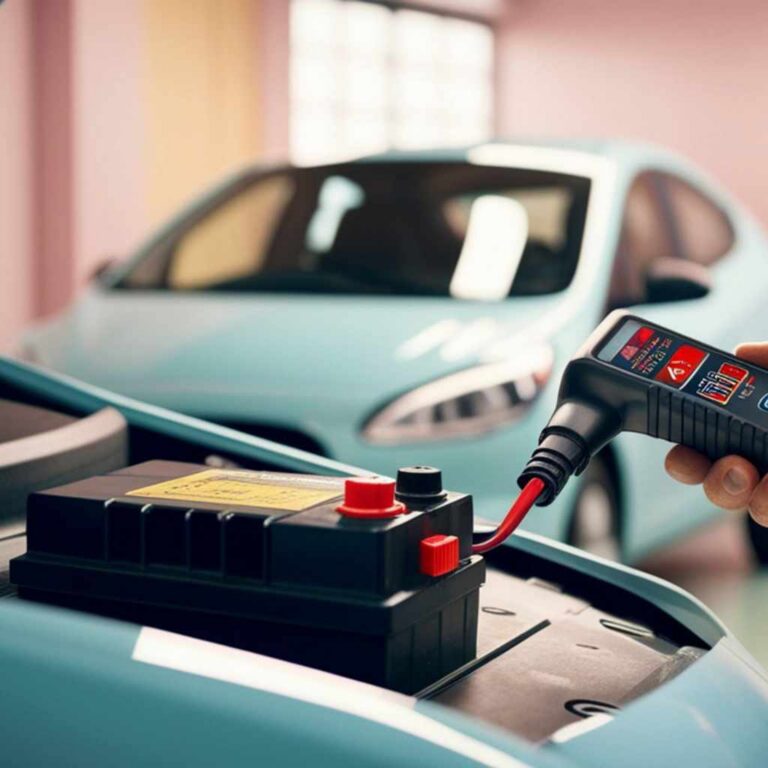
A battery test measures voltage, CCA, and internal resistance. It gives a clear picture of the battery’s health. It can predict failure before it happens.
This proactive approach is always better than a roadside emergency. Especially in bad weather.
What About Battery Brands?
There are many battery brands out there. Some are national. Some are store brands.
Does the brand matter? Generally, yes. But often, the quality is more about the battery’s specifications and warranty than the name on the box.
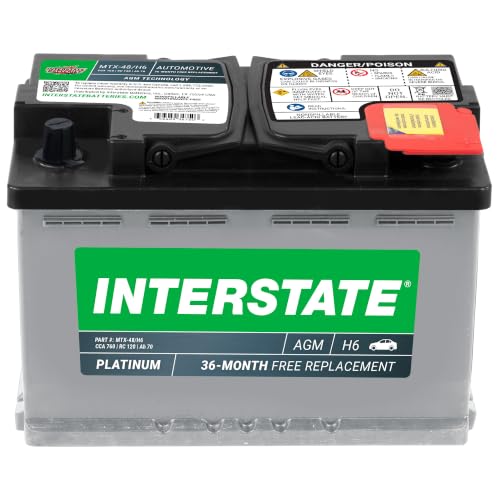
Look for reputable brands. Companies like Optima, DieHard, ACDelco, Bosch, and Interstate are well-known. Store brands can also be good.
They often offer good value. Make sure to check the specifications and warranty regardless of the brand.
Warranty is a good indicator. A longer warranty (e.g., 3 years free replacement) suggests the manufacturer has confidence in their product. Shorter warranties might mean lower quality. Or shorter expected lifespan.
Ultimately, the best brand for you is one that offers the right specifications. For your car. At a fair price.
With a solid warranty. And is readily available when you need it.
Real-World Scenarios and Battery Choices
Let’s look at some common situations. This helps illustrate why the right choice matters.
Scenario 1: The Everyday Commuter
Car: 2015 Honda Civic (standard engine, no start-stop)
Needs: Reliable starting power, good lifespan.
Recommendation: A Group 51R or Group 26 flooded lead-acid battery. Meets standard CCA and RC needs. A good warranty is a plus.
Focus on brand reputation and price for this type.
Scenario 2: The Cold Climate Driver
Car: 2018 Ford F-150 (V8 engine)
Needs: High CCA for cold starts, robust performance.
Recommendation: A Group 65 or Group 31 battery. Consider an AGM battery for enhanced cold-weather starting. Look for a high CCA rating, exceeding the minimum recommendation.
A longer warranty is important for extreme conditions.
Scenario 3: The Tech-Heavy Vehicle
Car: 2020 Toyota Highlander (with start-stop technology)
Needs: Ability to handle frequent starts and stops, power for many electronics.
Recommendation: An EFB or AGM battery. These are designed for the demands of start-stop systems. Group 24F or Group 35 are common sizes.
Ensure the battery is specifically rated for vehicles with start-stop systems.
These scenarios show how different cars have different needs. It’s not one-size-fits-all. Always refer to your car’s specific requirements.
Can I Install a Battery with More CCA?
Yes, usually. If your car calls for a battery with a minimum of 500 CCA, installing one with 600 CCA is generally fine. More power isn’t bad.
It just means the battery has a greater capacity to deliver current. This can be beneficial in very cold weather.
However, there are limits. Don’t go overboard. An extremely high CCA battery might be more expensive.
And you might not be using its full potential. Stick within a reasonable range above the recommended minimum. For example, an extra 100-150 CCA is usually plenty.
The most important thing is still the correct group size and terminal configuration. Even if a high-CCA battery fits, if the terminals are wrong, it’s no good. Or if it’s too large for the tray.
CCA Upgrade: Pros and Cons
Pros:
- Better starting performance in extreme cold.
- Extra reserve power for demanding situations.
Cons:
- Can be more expensive.
- May not be necessary if you don’t experience extreme conditions.
Key Rule: Ensure it’s the correct group size and terminal type FIRST.
Think of it this way: if your car needs a medium-sized cup of coffee, giving it a large cup is fine. It will drink what it needs. But if you give it a cup that doesn’t fit in your hands, it’s useless.
Or if the handle is on the wrong side.
What Does This Mean for You and Your Car?
Knowing what type of battery your car needs is empowering. It means you can avoid costly mistakes. You can buy the right part the first time.
It ensures your car starts reliably. Especially when you need it most.
When it’s time for a new battery, don’t just pick the cheapest one. Or the first one you see. Take a few minutes to research.
Use your owner’s manual. Check online resources. Ensure the battery you choose matches your car’s specific needs.
This includes group size, CCA, terminal type, and battery technology.
A properly chosen battery will perform better. It will last longer. And it will contribute to the overall health of your car’s electrical system.
It’s a small investment in peace of mind. And a reliable ride.
If your battery is more than 3 years old, it’s a good idea to have it tested. Most auto parts stores offer this service for free. It’s a simple way to catch a potential problem before it leaves you stranded.
Proactive checks are key to avoiding unexpected breakdowns.
Quick Fixes and Tips for Battery Longevity
While this article focuses on choosing a battery, a few tips can help extend its life:
- Keep Terminals Clean: Use a wire brush to remove corrosion. A thin layer of dielectric grease can help prevent future buildup.
- Avoid Deep Discharges: Don’t leave lights or accessories on with the engine off. This drains the battery too much.
- Secure the Battery: Make sure the battery is firmly held in its tray. Loose batteries can be damaged.
- Drive Regularly: Short trips don’t fully recharge the battery. Try to take longer drives occasionally.
- Consider a Battery Tender: If your car sits for long periods, a battery tender can keep it topped up.
These simple practices can make a difference. They help ensure your battery stays in good condition. For as long as possible.
And when it’s time for replacement, you’ll be ready.
Frequently Asked Questions About Car Batteries
How do I find the correct battery group size for my car?
You can find the correct battery group size by checking your car’s owner’s manual, looking at the label on your old battery, or using online fitment guides on auto parts store websites by entering your car’s make, model, and year.
What does CCA mean on a car battery?
CCA stands for Cold Cranking Amps. It measures how much power a battery can deliver at 0°F (-18°C) for 30 seconds to start an engine, which is crucial for reliable starting in cold weather.
Is it okay to buy a battery with a higher CCA than recommended?
Yes, generally it is okay to buy a battery with a higher CCA than recommended. It can provide better starting power, especially in cold climates, but ensure it’s the correct group size and terminal configuration first.
What is the difference between an AGM and a flooded battery?
AGM (Absorbent Glass Mat) batteries have their electrolyte absorbed in fiberglass mats, making them spill-proof and more vibration-resistant. Flooded batteries use liquid electrolyte and are the traditional, more affordable type.
How long should a car battery last?
A car battery typically lasts between 3 to 5 years, but this can vary depending on climate, driving habits, and battery maintenance. Extreme heat and frequent short trips can shorten its lifespan.
When should I get my car battery tested?
It’s a good idea to have your car battery tested if it’s more than 3 years old, or if you notice signs of a failing battery like slow engine cranking, dim lights, or electrical issues. Many auto parts stores offer free battery testing.
Conclusion: Powering Your Drive with Confidence
Choosing the right car battery might seem daunting. But with this guide, you have the knowledge. You know about battery types, sizes, and ratings.
You can confidently select the best power source for your vehicle. Always refer to your car’s specifications. And don’t hesitate to ask for help.
A little research ensures a reliable start. Every time you turn the key. Drive safe!
Once you have the right battery, installing it correctly matters just as much as picking it. See which cable goes on a car battery first for the safe connection order.
Products related to this article
Sponsored / affiliate links. As an Amazon Associate I earn from qualifying purchases. I may earn additional commission from eligible campaigns.