Are Automatic Car Washes Liable for Damage?
Many car owners wonder about Are Automatic Car Washes Liable for Damage? This is a common question, especially if you’re new to using automated car washes or if you’ve had a less-than-perfect experience. It can feel a bit confusing to figure out who’s responsible if something goes wrong. But don’t worry, we’re going to break it down in a simple, easy-to-follow way.
We’ll cover what you need to know to protect yourself and your vehicle.
When you drive your car through an automatic car wash, you expect it to come out cleaner. However, sometimes things don’t go as planned. Scratches, dents, or even broken parts can happen.
This brings up an important question for many drivers: Are Automatic Car Washes Liable for Damage? It’s a valid concern, and the answer isn’t always a simple yes or no. Several factors come into play, including the specific policies of the car wash, what caused the damage, and what you agreed to when you paid for the service.
Understanding Liability in Car Washes
The legal responsibility of an automatic car wash facility for any damage sustained by a vehicle during the washing process is a common point of discussion. Generally, these businesses have a duty of care to operate their equipment safely and maintain it properly to avoid harming customer vehicles. However, their liability can be limited by specific terms and conditions.
Many car washes display signs or have agreements that customers must accept before using their services. These often state that the car wash is not responsible for pre-existing damage or damage caused by certain conditions.
Factors Affecting Liability
Several elements influence whether an automatic car wash will be held responsible for damage.
- Type of Damage: Was it a minor scratch from a brush, or a more significant issue like a broken mirror?
- Cause of Damage: Did the damage result from faulty equipment, improper operation, or an external factor?
- Car Wash Policies: What does their signage or terms of service say about liability?
- Customer Actions: Did the driver follow instructions, such as folding in mirrors or closing windows securely?
- Jurisdiction: Laws regarding liability can vary depending on where the car wash is located.
The Role of Waivers and Disclaimers
Most automatic car washes have disclaimers and waivers that customers agree to. These are often posted on signs at the entrance or on the payment terminal. By proceeding through the wash, you are typically agreeing to these terms.
These waivers are intended to limit the car wash’s responsibility for certain types of damage. For instance, they might state they are not liable for damage to aftermarket accessories, loose parts, or older vehicles with compromised paint. It is vital to read these carefully, though many people often overlook them in their haste.
When Is a Car Wash Likely Liable?
Despite waivers, car washes can still be held liable in certain situations. If the damage is clearly due to their negligence, such as poorly maintained equipment that malfunctions and causes harm, they may be responsible. For example, if a rotating brush detaches and strikes your car, causing significant damage, the car wash would likely be at fault.
Similarly, if their staff operates the equipment improperly, leading to damage, they could be liable. The key often lies in proving that the damage was not a result of normal wear and tear or pre-existing conditions but rather a direct consequence of the car wash’s operations.
Types of Damage Commonly Reported
Drivers have reported a range of damages after using automatic car washes. Understanding these can help you be more aware.
- Scratches and Swirl Marks: Often caused by dirty brushes or debris within the washing system.
- Paint Chips: Especially on the front bumper and hood, possibly from high-pressure water or debris.
- Antenna Damage: If antennas are not removed or are not designed to retract properly.
- Mirror Damage: Broken or bent side mirrors.
- Wiper Damage: Broken or dislodged windshield wipers.
- Emblem or Trim Damage: Loose or detached badges and decorative pieces.
- Water Leaks: If seals are compromised or windows were not fully closed.
What to Do If Your Car Is Damaged
If you suspect your car has been damaged by an automatic car wash, acting quickly is important.
- Stop and Document Immediately: Do not drive away. Examine your car thoroughly for any new damage. Take clear photos and videos of the damage from multiple angles, and also capture the car wash environment if possible.
- Contact the Car Wash Management: Speak to the manager or owner on duty. Explain what happened and show them the damage.
- File a Formal Complaint: If the on-site manager is unhelpful, ask for their contact information or a formal complaint form.
- Gather Evidence: Keep your receipt from the car wash. If possible, get witness statements if anyone else saw the incident.
- Consult Your Insurance Company: If the car wash is unwilling to cooperate or denies responsibility, you may need to file a claim with your auto insurance.
- Seek Legal Advice: For significant damages, you might consider consulting with a legal professional.
The Difference Between Automatic and Hand Washes
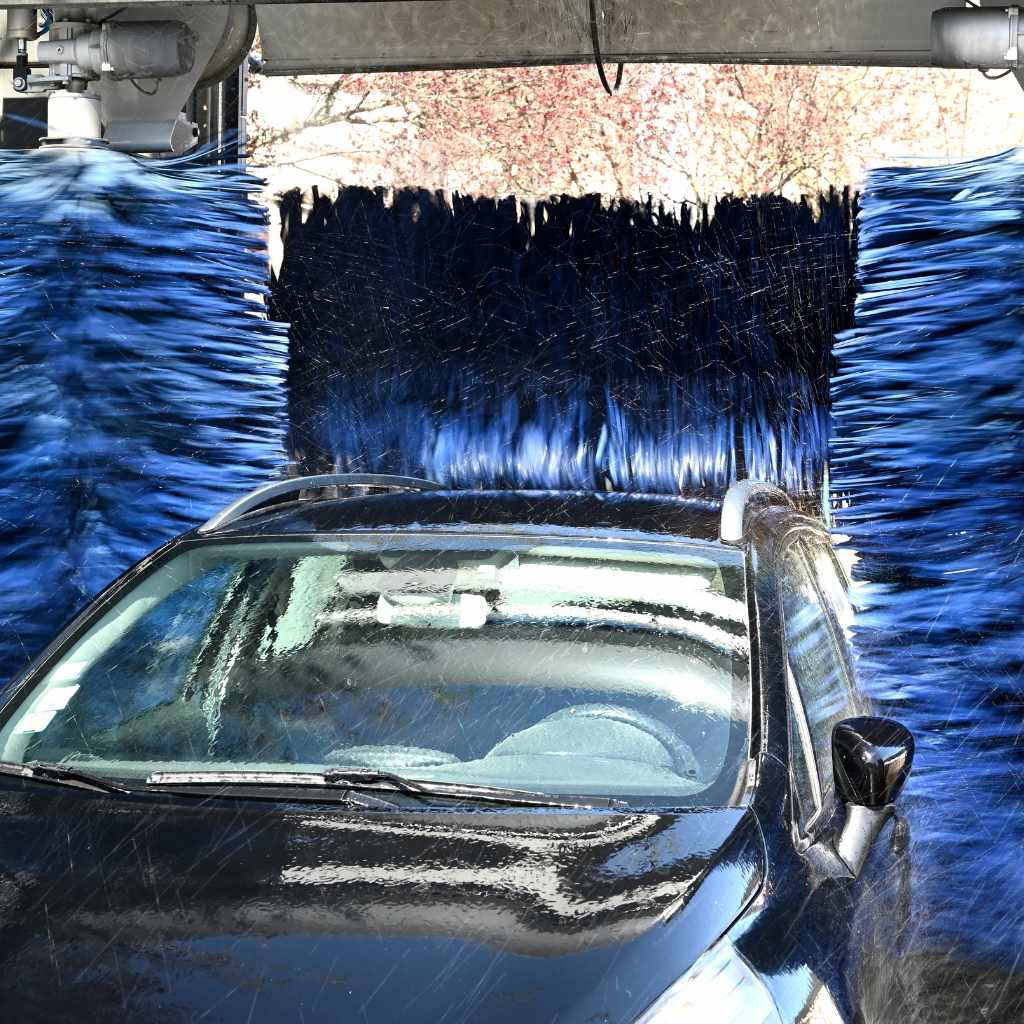
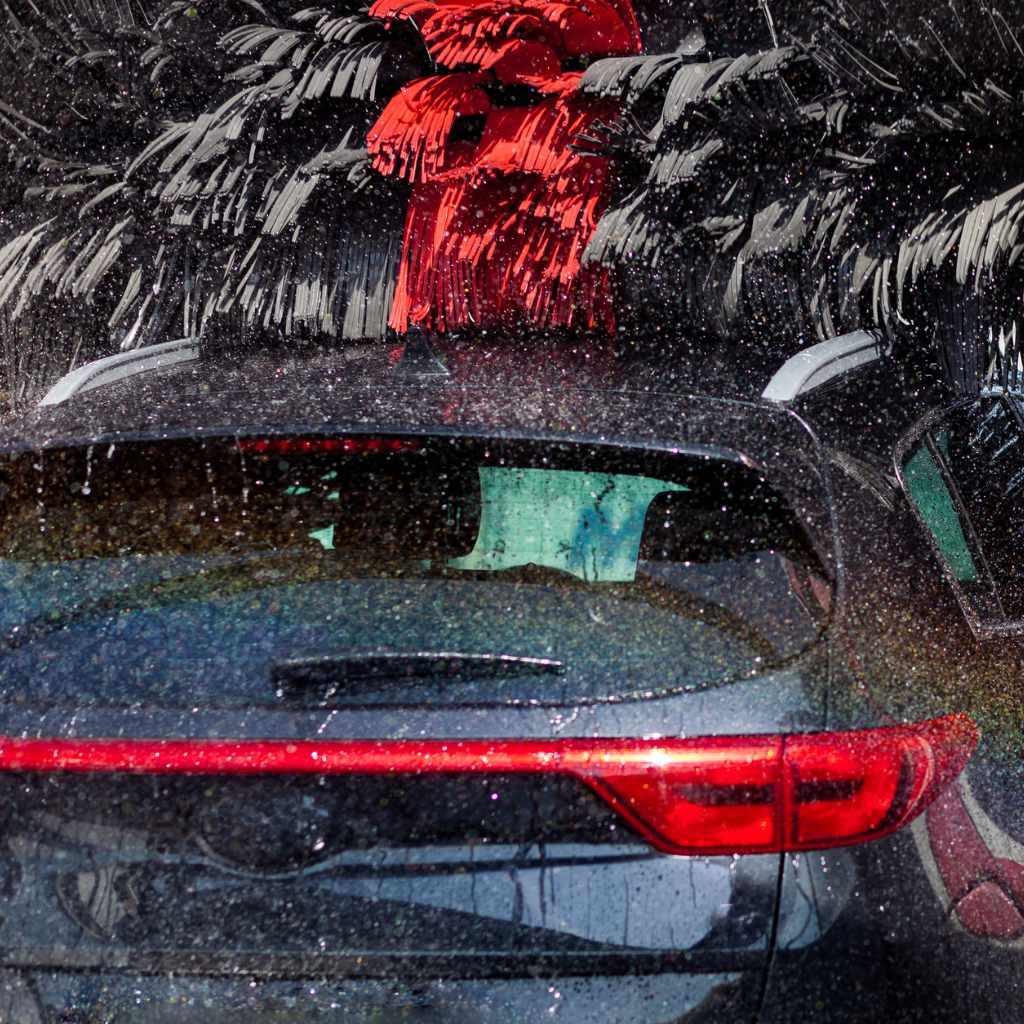
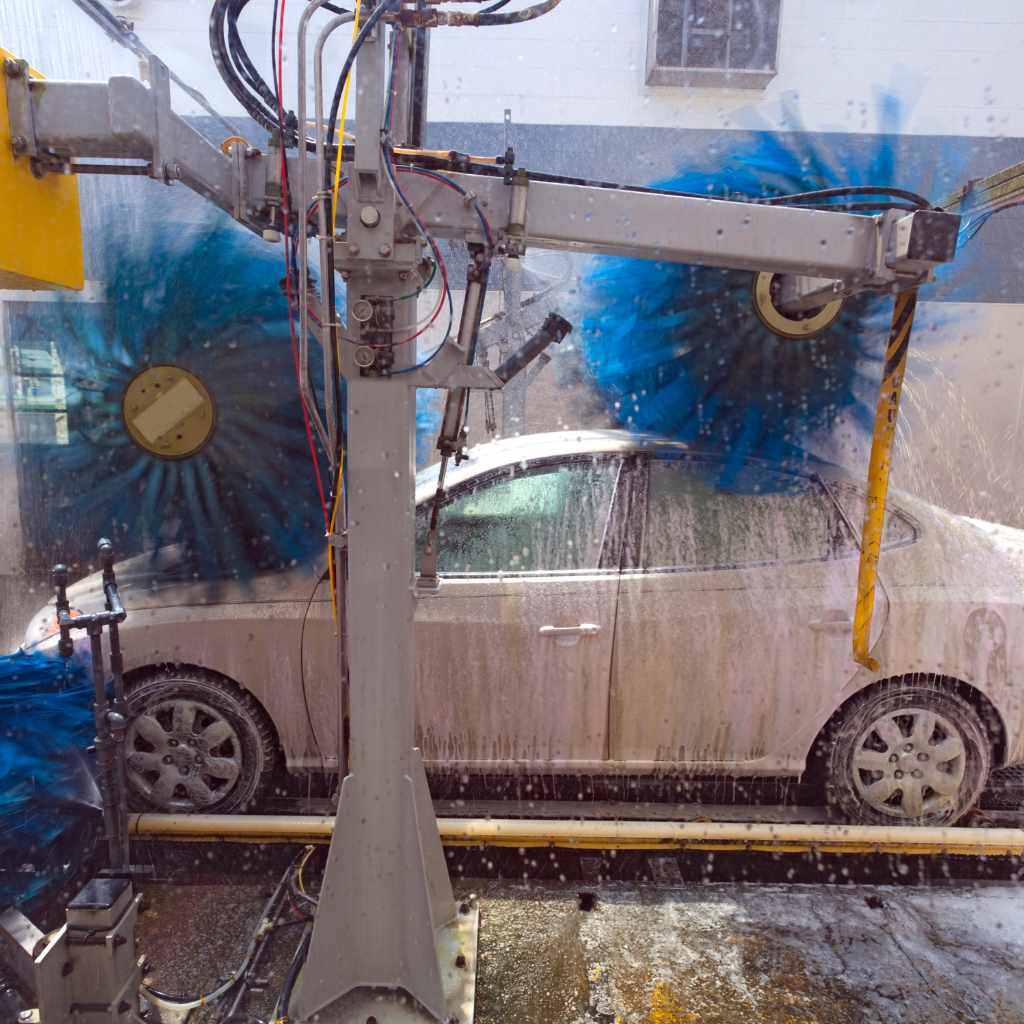
Automatic car washes, whether tunnel or touchless, present different liability scenarios compared to hand car washes. In a tunnel wash, automated brushes and high-pressure water jets do the work. This mechanical action has a higher potential for causing physical damage if the equipment isn’t in perfect condition or if debris is present.
Touchless washes use stronger chemicals and high-pressure water but lack physical brushes, reducing the risk of scratches from brushes but potentially posing risks to delicate paint or trim from chemical exposure. Hand washes, while less prone to mechanical failure, depend entirely on the skill and care of the individual washing the car, and liability would typically fall on that person or the company employing them.
Pre-Existing Conditions and Their Impact
Car washes often point to pre-existing conditions as a defense against liability. This can include:
- Faded or Peeling Paint: Older cars with paint that is already compromised may experience further flaking during a wash.
- Loose Trim or Parts: Any molding, emblems, or body panels that are not securely attached are at risk of being dislodged.
- Rust Spots: Rust can weaken metal, making it more susceptible to damage from water pressure or brushes.
- Aftermarket Attachments: Spoilers, roof racks, or other additions not factory-installed might not withstand the washing process.
It is your responsibility as the vehicle owner to ensure your car is in good condition before entering an automatic wash.
Consumer Rights and Legal Recourse
While car washes try to limit their liability, consumers still have rights. Consumer protection laws often hold businesses accountable for providing services without causing harm. If a car wash is negligent, they can be held responsible for the repair costs.
The challenge is often proving this negligence. The burden of proof typically falls on the car owner. This is why documenting everything immediately after the incident is so crucial.
Small claims court can be an option for disputes where the cost of repair is not excessively high.
Insurance Claims and Deductibles
If you decide to file a claim with your auto insurance, you will need to pay your deductible. If the car wash is found to be at fault, your insurance company may try to recover the costs, including your deductible, from the car wash. However, filing a claim can sometimes lead to an increase in your insurance premiums.
It’s a decision that requires weighing the cost of repairs against the potential impact on your insurance. Sometimes, it might be more cost-effective to pay for minor repairs out-of-pocket, especially if the car wash refuses to cover the costs and legal avenues seem too burdensome for a small amount.
Preventative Measures for Car Owners
To minimize the risk of damage, consider these steps:
- Inspect Your Car Before the Wash: Note any existing chips, scratches, or loose parts.
- Remove Accessories: Take off antennas, roof racks, and any other attachments.
- Fold In Mirrors: If your mirrors don’t retract automatically, fold them in manually.
- Close All Windows and Sunroofs Tightly: Ensure everything is sealed to prevent water entry.
- Choose Your Car Wash Wisely: Opt for reputable establishments with well-maintained equipment.
- Consider Touchless Washes for Sensitive Vehicles: If you’re concerned about brush damage, touchless options might be better.
- Understand the Signage: Always read the terms and conditions posted before you pay.
Frequently Asked Questions
Question: Can I get compensation if my car is scratched at an automatic car wash
Answer: Yes, you may be able to get compensation if your car is scratched due to the car wash’s negligence, such as faulty equipment. You will need to provide proof of the damage and demonstrate it occurred during the wash.
Question: What should I do if a car wash breaks my mirror
Answer: Immediately stop, document the damage with photos and videos, and report it to the car wash management. Keep your receipt and follow up with them regarding repair costs.
Question: Are touchless car washes safer for paint
Answer: Touchless car washes can be safer for paint as they avoid physical brushes. However, they use strong chemicals and high-pressure water which could potentially affect certain finishes if not used correctly.
Question: Do I have to sign a waiver at an automatic car wash
Answer: Most automatic car washes require you to agree to their terms and conditions, which often function as a waiver. By paying for and using the service, you are generally considered to have accepted these terms.
Question: How can I prove the car wash caused the damage
Answer: Proof often involves clear photographic or video evidence taken immediately after the wash, showing new damage that was not present before. Witness accounts or dashcam footage can also be helpful.
Final Thoughts
When asking Are Automatic Car Washes Liable for Damage?, it’s clear that the answer involves several important considerations. While car washes aim to provide a service without incident, the reality is that damage can occur. Being aware of the factors that influence liability, such as the type of damage, the cause, and the car wash’s own policies, empowers you as a consumer.
Remembering to document everything if an issue arises is a key step in seeking a resolution. By taking preventative measures before you drive into the wash and knowing your rights and responsibilities, you can better protect your vehicle and handle any potential problems smoothly.