Are Car Air Fresheners Bad for You? Uncover the Truth
Have you ever stepped into your car, inhaled deeply, and felt a rush of satisfaction from the scent of your air freshener? You might love that burst of fragrance, but have you ever wondered what’s behind that pleasant smell?
It’s easy to assume that something so delightful couldn’t possibly be bad for you. But could those car air fresheners be hiding something that could affect your health? This article will guide you through the potential risks and facts about your favorite car accessory, making sure you’re informed about what you’re breathing in every time you hit the road.
Get ready to uncover the truth that could change the way you think about car air fresheners forever.

Credit: madesafe.org
Types Of Car Air Fresheners
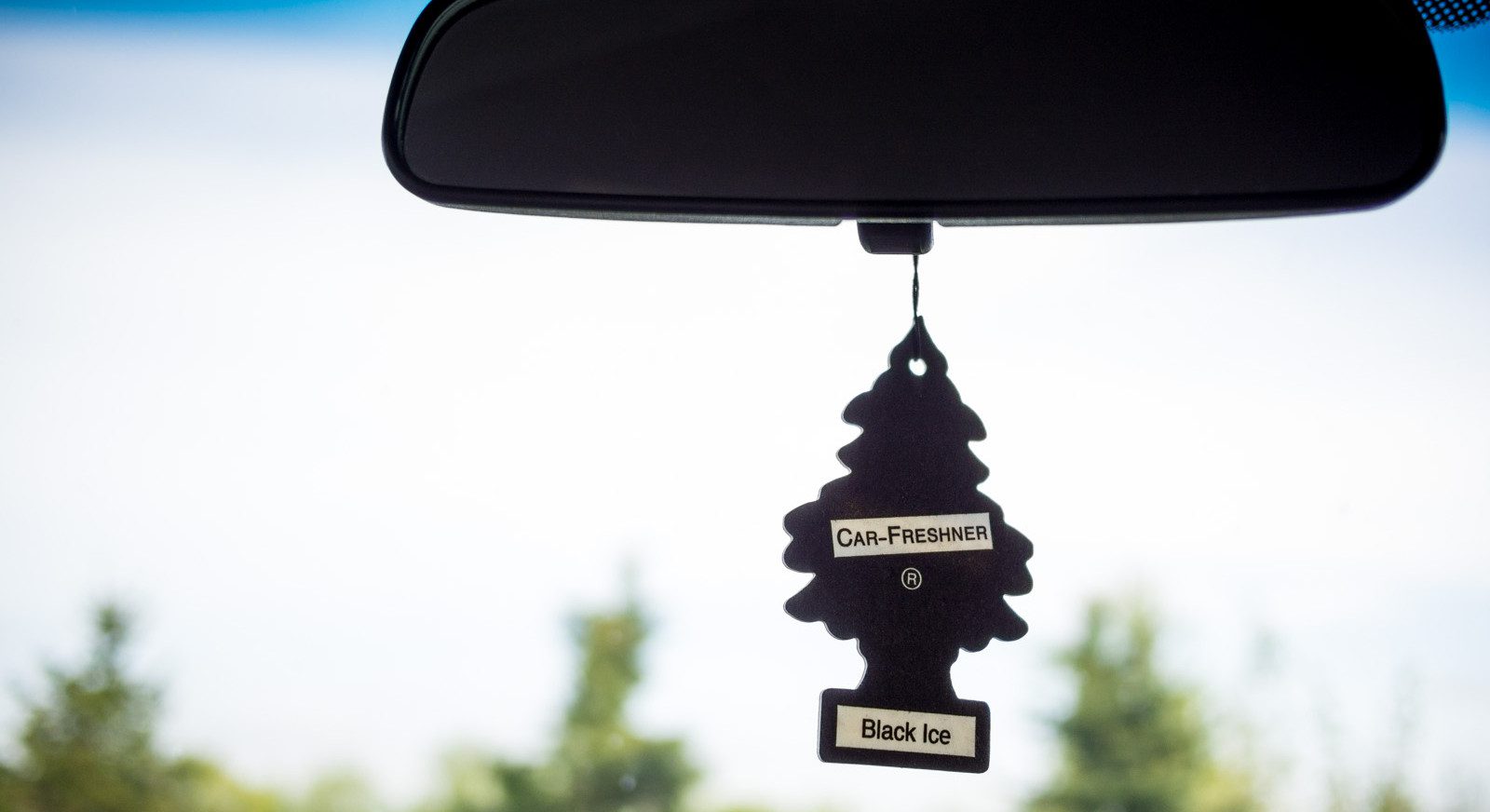
Hanging fresheners are popular in cars. They come in many shapes and smells. You hang them on the mirror. The scent is usually strong at first. It fades over time.
Vent clip fresheners attach to the car’s air vents. They release a scent when air blows through. These are easy to use. You can adjust the scent strength. They often last a few weeks.
Gel-based fresheners are solid and come in a cup. The gel slowly evaporates, releasing a scent. They are long-lasting and safe. No spills or leaks. Great for people who want less mess.
Spray fresheners are used as needed. You spray them in the car. They give an instant burst of fragrance. Handy for quick freshening. Keep a bottle in the glove box for emergencies.
Common Ingredients
Car air fresheners often use synthetic fragrances. These fragrances are made from chemicals. They can make the air smell nice. But they may not be safe. Some people may have allergic reactions. Others might get headaches. It’s important to know what is in the air freshener.
Many air fresheners release volatile organic compounds(VOCs). VOCs can harm health. They may cause breathing problems. They can irritate eyes and skin. Some VOCs are linked to cancer. It’s wise to limit exposure to VOCs.
Phthalates are used in some air fresheners. They help scents last longer. But phthalates can be risky. They might affect hormones. Kids are more sensitive. Pregnant women should be careful. Choosing products without phthalates is safer.
Benzene and toluene can be found in air fresheners. These chemicals are dangerous. Benzene is linked to blood disorders. Toluene affects the nervous system. Long-term exposure can cause serious health issues. It’s best to avoid products with these chemicals.
Potential Health Risks
Car air fresheners can cause breathing problems. They often releasestrong chemicalsinto the air. These chemicals can irritate the nose and throat. People with asthma might find it hard to breathe. Some might even cough or sneeze a lot.
Many air fresheners havescentsthat cause allergies. People might get itchy skin or rashes. Some might sneeze or have watery eyes. These reactions can be very uncomfortable.
Certain air fresheners havechemicalsthat affect hormones. These chemicals can change how the body works. They might cause problems with growth and development. It is important to be aware of these risks.
Children and pets are more sensitive tochemicals. They might have stronger reactions. Pets might breathe in harmful fumes. Kids might touch surfaces with chemicals. Keeping air fresheners away from them is a good idea.
Credit: carcologne.co.uk
Environmental Impact
Car air fresheners can make the air dirty. They release chemicals that mix with the air. These chemicals can harm our planet. Breathing them can also be bad for health. It’s like adding smoke to the air. The air becomes less clean and fresh.
Many air fresheners come in plastic bottles. After use, they become trash. This trash is hard to recycle. It adds to the world’s garbage problem. If not thrown away right, it can pollute the land and water. This makes it tough for the earth to stay clean.
Wildlife can be hurt by air fresheners. Animals might eat or get tangled in the trash. The chemicals can poison them. This makes it hard for animals to stay safe. Protecting them is important. They need a clean place to live.
Safer Alternatives
Essential oil diffusers are a natural choicefor fresh scents. They use water and oils to spread fragrance. This method is chemical-freeand safe for families. Choose oils like lavender or lemon for a calm atmosphere.
Natural sachets are small bags with herbs and flowers. They are easy to makeand smell great. Place them in your car for a gentle scent. Lavender and rosemary are popular choices.
DIY fresheners are fun to create at home. Use baking soda and essential oils. Mix them in a jar with holes in the lid. This method is eco-friendlyand budget-friendly.
Charcoal bags absorb bad smells and moisture. They are safe and reusable. Place them under car seats for best results. Replace them every two months for freshness.
Tips For Reducing Exposure
Open car windows to let fresh air in. Fresh air helps reduce bad smells. Drive with windows down when possible. Air flow is important for health.
Pick air fresheners with low VOC levels. VOCs can be harmful to health. Read labels before buying. Some brands offer safer options.
Clean car seats and floor mats often. Dust and dirt can trap odors. Use a vacuum to keep car clean. Clean cars smell better naturally.
Use air fresheners only when needed. Avoid overusing them in small spaces. Too much scent can be overwhelming. Try natural scents like lemon or coffee.

Credit: www.wivb.com
Frequently Asked Questions
Are Car Air Fresheners Harmful To Health?
Car air fresheners can emit volatile organic compounds (VOCs) that may affect indoor air quality. Prolonged exposure to these chemicals might cause headaches, dizziness, or respiratory issues. It’s advisable to use natural alternatives or ensure proper ventilation in your car to reduce potential health risks associated with synthetic air fresheners.
Can Car Air Fresheners Cause Allergies?
Yes, car air fresheners can trigger allergies in sensitive individuals. They often contain synthetic fragrances that can irritate the skin, eyes, or respiratory system. If you are prone to allergies, consider fragrance-free or natural options, and ensure good ventilation in your vehicle to minimize allergic reactions.
Do Car Air Fresheners Affect Car Interiors?
Car air fresheners, especially those with liquid or oil bases, can damage car interiors. Leaks or spills may stain upholstery, plastic, or other surfaces. To prevent damage, ensure the freshener is secured properly, avoid direct contact with surfaces, and choose air fresheners specifically designed for safe use in vehicles.
Are Natural Car Air Fresheners Safer?
Natural car air fresheners are generally safer for health and the environment. They use essential oils or plant-based ingredients instead of synthetic chemicals. While they still need careful handling, their reduced chemical content makes them a preferable choice for those concerned about health and environmental impact.
Conclusion
Car air fresheners can be harmful. Some contain chemicals that irritate. They might affect health over time. Consider natural options for fresh air. Open windows to let fresh air in. Choose products with simple ingredients. Be mindful of fragrances in your car.
Health should always come first. Fresh air keeps you feeling good. Make smart choices for cleaner air inside. Your car should be a safe space. A comfortable ride means breathing easy. Think about what you use. Prioritize health and well-being while driving.
Keep your air fresh but safe.