How to Find Automotive Technicians: 9 Ways to Hire Faster
Finding automotive technicians faster means going beyond a single Indeed listing: pair automotive-specific job boards like WrenchWay and TechForce with local trade-school partnerships, and offer pay that beats the industry’s $50,620 median annual wage. The technician shortage has made competition fierce, and shops that post one generic ad and wait are the ones stuck short-staffed.
This guide covers nine practical ways to source, screen, and retain qualified technicians, from trade schools and niche job boards to competitive pay and a shop culture people actually want to stay in.
Why Finding Skilled Automotive Technicians Is So Challenging
The automotive industry is genuinely short on qualified technicians right now. Experienced techs are retiring faster than new ones are entering the trade, and modern vehicles have made the job more demanding — today’s cars run on complex diagnostics, onboard computers, and increasingly hybrid or electric drivetrains, so a technician needs far more than basic wrench skills to keep up.
There’s also a perception problem holding the trade back. Some people still see repair work as a “dirty” job, and pay in some shops hasn’t kept pace with what tech companies or skilled trades like construction now offer. If you want a closer look at what draws people to — and away from — this career, our guide on the pros and cons of being an auto mechanic breaks down that side of the equation. The good news: shops that use the approach below routinely out-recruit competitors twice their size.
Start with a Clear Job Description
A vague job ad like “Looking for an experienced auto tech, good pay” invites a flood of unqualified applications and wastes time sorting through them. Start with a specific list: which ASE certifications matter for this role, which vehicle brands or systems the technician needs to know, and whether the job leans toward diagnostics, tire and brake work, or something more specialized. Spell out the shop environment too — fast-paced, high-volume bay or a smaller, family-run operation — so candidates know what they’re walking into before they apply.
Include a real salary range, or at least “competitive pay, $X–$Y,” rather than staying vague — candidates skip listings that hide compensation, and being upfront filters in serious applicants. If you offer health insurance, paid time off, or a tool allowance, list those benefits in the posting itself; they’re often the deciding factor between two similar offers.
Tap into Local Trade Schools and Community Colleges
Local trade schools and community-college automotive programs are training the next generation of technicians, and most are actively looking to place students in internships or entry-level roles. Programs like Universal Technical Institute (UTI), Lincoln Tech, and community-college automotive certificate tracks are worth a direct call — instructors usually know exactly which students are standout performers, and many schools run job fairs where you can meet candidates in person.
Entry-level graduates won’t have years of field experience, but they’re trained on current diagnostic technology and eager to learn. A paid apprenticeship turns that raw training into a technician who grows up with your shop’s specific workflow, tools, and standards. For a closer look at what certification path a new hire typically follows, see our guide to automotive service technician trade certification.
Leverage Online Job Boards and Social Media
General job boards like Indeed, ZipRecruiter, and LinkedIn are still worth using, especially with a specific job title — “ASE-Certified Automotive Technician” or “Diesel Mechanic” will surface in searches far better than a generic “Auto Tech Wanted.” Response times on these platforms are often measured in hours rather than days once a listing goes live.
Social media adds a local layer that job boards miss. Posting in community Facebook groups for car enthusiasts or trade workers, and reaching out directly to experienced technicians on LinkedIn who aren’t actively job-hunting but might be open to a change, both tend to surface candidates a paid listing never reaches. Keep the tone professional but approachable, and include a real photo of the shop or team — candidates respond better to a listing that shows them what they’d actually be walking into.
Try Automotive-Specific Hiring Platforms
General job boards compete with every other industry for attention, which is part of why niche automotive recruiting platforms tend to convert better. WrenchWay and Technician Find both focus specifically on connecting independent shops and dealerships with technicians and diesel mechanics, while TechForce Foundation — a nonprofit built around the technician shortage — runs scholarship programs and a hiring network aimed at students and recent trade-school graduates. None of these replace a strong local strategy, but they put your opening in front of people who are already committed to the trade rather than casually browsing.
Network with Industry Contacts
Word-of-mouth referrals carry more weight in the automotive trade than almost any other channel, because it’s a tight-knit industry where reputations travel fast. Parts reps and suppliers interact with technicians constantly and often know who’s quietly looking for a change, so let them know you’re hiring. Trade shows and local automotive association meetings are another reliable source of introductions to working professionals.
A referral bonus for employees who bring in a hired candidate is a common and effective incentive — your current team already knows what it takes to succeed in your shop, so they tend to vouch for people who’ll actually fit.
Offer Competitive Pay and Benefits
Technicians know their market value, especially once they’re ASE-certified or hold a specialty like diesel or hybrid diagnostics, so pay has to be competitive to attract them. Research what nearby shops are actually paying — sites like Glassdoor and Payscale give a reasonable local ballpark before you set a range.
Here’s a pay table based on national data, useful as a starting benchmark:
| Position | Typical Hourly Pay | Typical Annual Salary |
|---|---|---|
| Entry-Level Technician | $18–$24 | $37,000–$50,000 |
| ASE-Certified Technician | $24–$32 | $50,000–$67,000 |
| Master/Senior Technician | $32–$45 | $67,000–$94,000 |
| Diesel/Heavy Equipment Mechanic | $28–$42 | $58,000–$87,000 |
According to the U.S. Bureau of Labor Statistics, the median annual wage for automotive service technicians and mechanics was $50,620 in May 2025, with the top 10% earning over $81,790. Specialized and master-certified technicians in higher cost-of-living markets often land above these figures, so check local rates for accuracy.
Beyond salary, benefits matter. Technicians turn down higher-paying jobs over missing health insurance or paid vacation more often than shop owners expect. If you can, provide perks like:
- Health, dental, or vision insurance
- Retirement plans (like a 401(k) with matching)
- Paid time off or holidays
- Tool allowances or discounts
- Ongoing training or certification reimbursement
A tool allowance is one of the simplest perks to add and one of the most appreciated — it directly offsets what’s often thousands of dollars technicians have already invested in their own toolboxes.
Create a Positive Work Environment
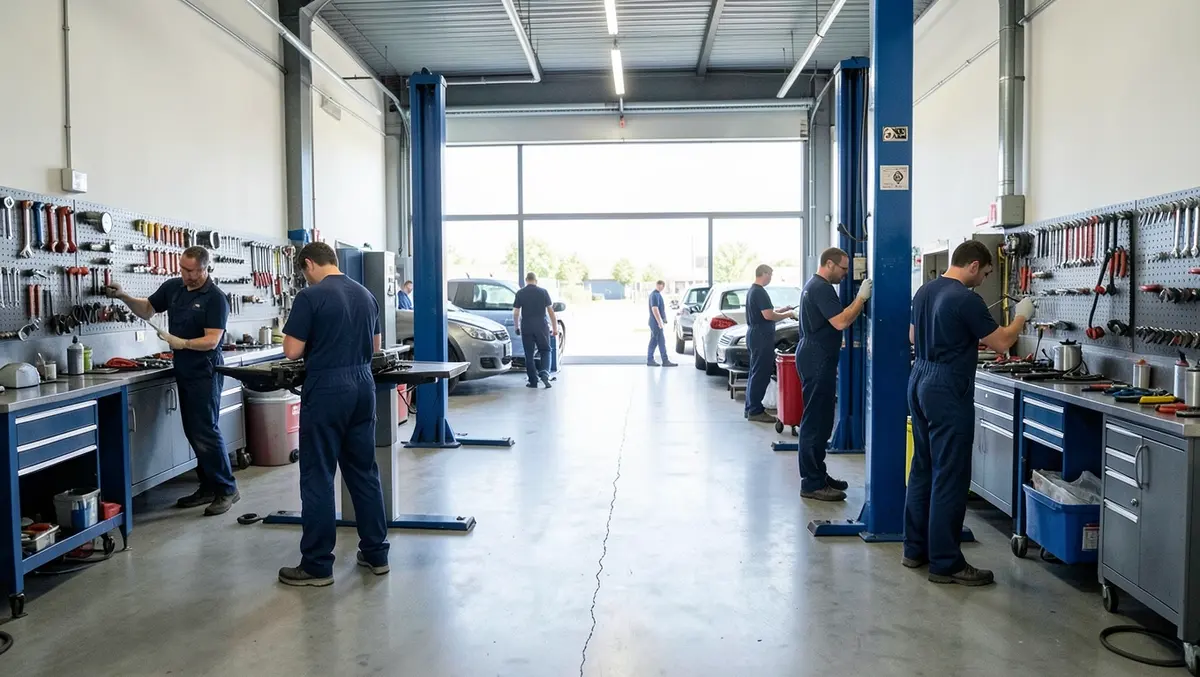
Shops with a chaotic or unappreciative culture bleed good technicians no matter how good the pay is. Clean, modern facilities, respectful management, and genuine recognition for good work all factor into whether a technician sticks around or starts browsing job boards again within a year.
Regular check-ins on workload and equipment needs, decent break-room amenities, and investment in current tools and lifts all signal that a shop takes its technicians seriously — outdated equipment is one of the fastest ways to lose a skilled hire to a better-equipped competitor. Flexible scheduling, like early shifts or a compressed four-day week where the workload allows it, has also become a meaningful differentiator as technicians increasingly weigh work-life balance alongside pay.
Use Apprenticeships and Training Programs
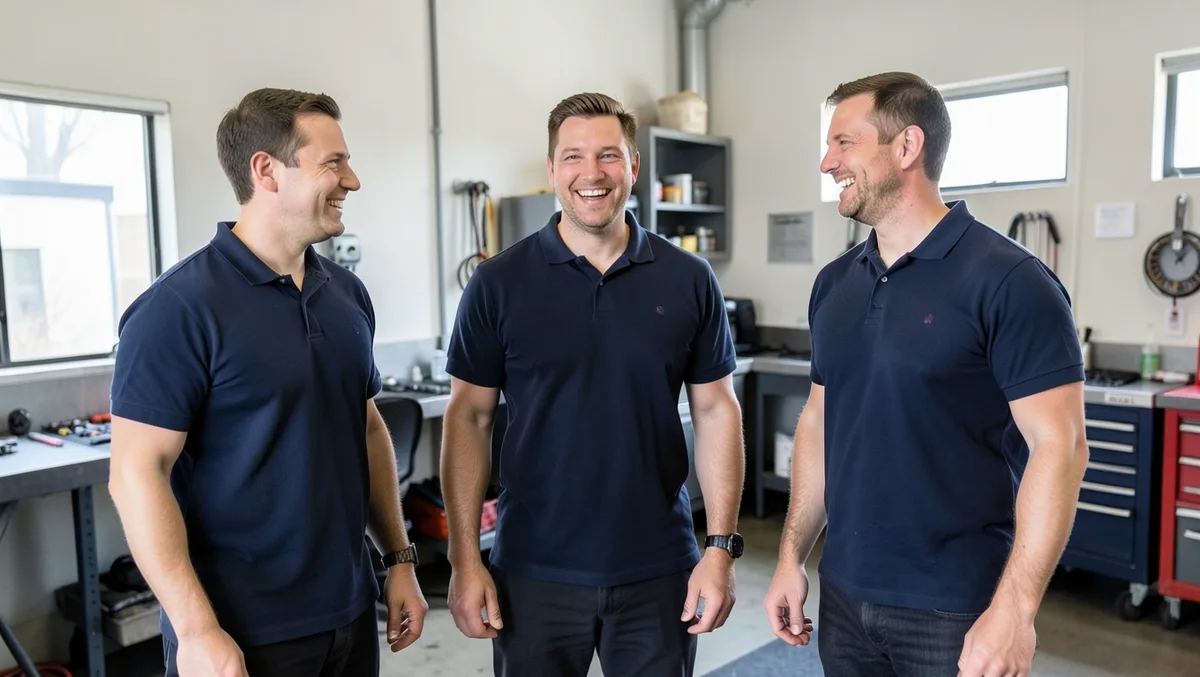
Building your own technicians through a structured apprenticeship is a realistic alternative when experienced hires are scarce. Hiring at the entry level and training on the job takes longer to pay off, but it produces a technician who’s shaped around your shop’s specific workflow and tends to stay longer because you invested in them early.
Partnering with local trade schools or a recognized body like the National Institute for Automotive Service Excellence (ASE) can give the program real structure, and in-house training on specific skills — hybrid repair, advanced diagnostics — keeps existing staff sharp too. It’s also worth checking your state for workforce-development grants or tax incentives; several states help offset the cost of structured technician training programs.
Advertise Your Shop’s Unique Selling Points
Every shop has something that sets it apart, whether that’s a European-vehicle specialty, standout customer service, or a genuinely family-run culture — and that’s worth leading with in job ads and interviews rather than burying it. Candidates respond to specifics: a clear path from technician to shop foreman, a mentorship program, or investment in current diagnostic tools all signal growth potential that a generic listing doesn’t.
Sharing the shop’s actual mission and values in the interview — what quality work and customer care mean day-to-day — helps a candidate see whether they’d genuinely fit, not just whether they’d take the job.
Screen and Interview Effectively
A resume that’s vague or full of typos is usually a fair warning sign, so screen for specific skills and certifications that actually match the role before scheduling an interview. During the interview itself, practical questions reveal far more than generic ones:
- “Can you walk me through how you’d diagnose a check engine light?”
- “What’s the toughest repair you’ve handled recently?”
- “How do you handle a frustrated customer?”
A candidate who interviews well but has never actually run a real diagnostic under time pressure is a common and costly hiring mistake, which is why a hands-on component matters as much as the conversation. A short practical test — checking brake pads, using a scan tool, walking through a diagnostic — shows real confidence and competence in a way an interview alone can’t.
Retain Your Technicians to Reduce Hiring Needs
Finding technicians solves only half the problem — shops that don’t focus on retention end up re-running this entire process every year. Recognizing good work, whether through a shoutout in a team meeting or a bonus tied to real goals, costs little and measurably reduces turnover.
Paying for ASE certifications or sending technicians to training seminars signals a real investment in their future and is one of the more reliable ways to keep experienced staff for the long term. Listening to feedback about scheduling or equipment frustrations — and actually acting on it — closes the loop. A team that feels heard is a team that isn’t quietly job-hunting.
Conclusion
Finding automotive technicians takes a mix of specific job postings, trade-school relationships, niche hiring platforms, competitive pay, and a shop culture worth staying in — no single tactic solves the shortage on its own. Shops that combine several of these approaches consistently out-recruit competitors that rely on one generic job ad and hope for the best. Start with the job description and the pay range, then work outward from there.
FAQs
What qualifications should I look for in an automotive technician?
Look for ASE certifications, experience with specific vehicle types, and skills in diagnostics or specialized repairs. Hands-on experience and a strong work ethic are key, too.
How can I compete with bigger shops for technicians?
Offer competitive pay, real benefits, and a positive work environment. Highlight what makes your shop unique, like a family-oriented culture or clear opportunities for growth.
Should I hire entry-level technicians or focus on experienced ones?
It depends on your needs. Entry-level techs are great for long-term growth through training, while experienced techs can hit the ground running. A mix of both often works best.
How do I know if a technician is a good fit for my shop?
Interview them thoroughly, ask about their experience, and run a hands-on test. Check if their values align with your shop’s culture and talk to their references.
What’s the best way to retain technicians?
Pay them well, offer real benefits, and create a supportive work environment. Provide training, recognize their work, and listen to their feedback to keep them happy.
Are there job boards built specifically for automotive technicians?
Yes. WrenchWay and Technician Find both specialize in connecting shops and dealerships with technicians and diesel mechanics, and TechForce Foundation runs a hiring network aimed at trade-school students and recent graduates — all three tend to reach candidates already committed to the trade, unlike general job boards.
Products related to this article
Sponsored / affiliate links. As an Amazon Associate I earn from qualifying purchases. I may earn additional commission from eligible campaigns.