Do Car Washes That You Drive Through Scratch Your Car?
It’s a question many car owners ponder: do those quick, automated car washes actually scratch your car’s paint? You see your car go in looking a bit dull and come out shining. But what’s happening inside that tunnel?
Does the high-speed scrub really hurt your precious finish? This is a common worry, and for good reason. We all want our cars to look great, but we don’t want to damage them in the process.
The answer isn’t a simple yes or no. While many modern drive-through car washes are designed to be safe, there are risks involved. Factors like the type of wash, the maintenance of the equipment, and the cleanliness of your car before you go in all play a role. Understanding these can help you make a better choice for your vehicle’s finish.
The Inside Scoop on Drive-Through Car Washes
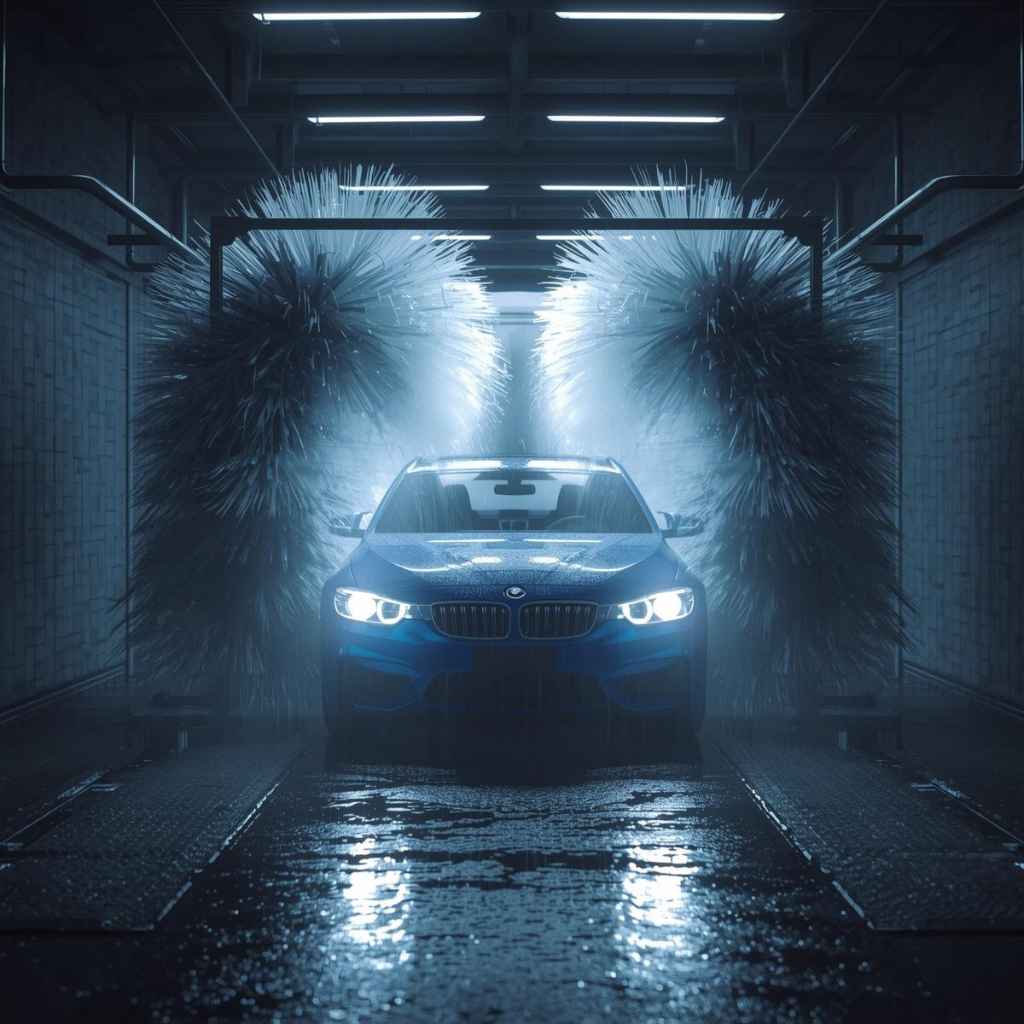
Drive-through car washes have come a long way. They aim to offer a fast and easy way to get your car clean. Most of these use a series of spinning brushes, high-pressure water jets, and drying fans. The process is meant to be quick and effective, removing dirt and grime without much effort on your part.
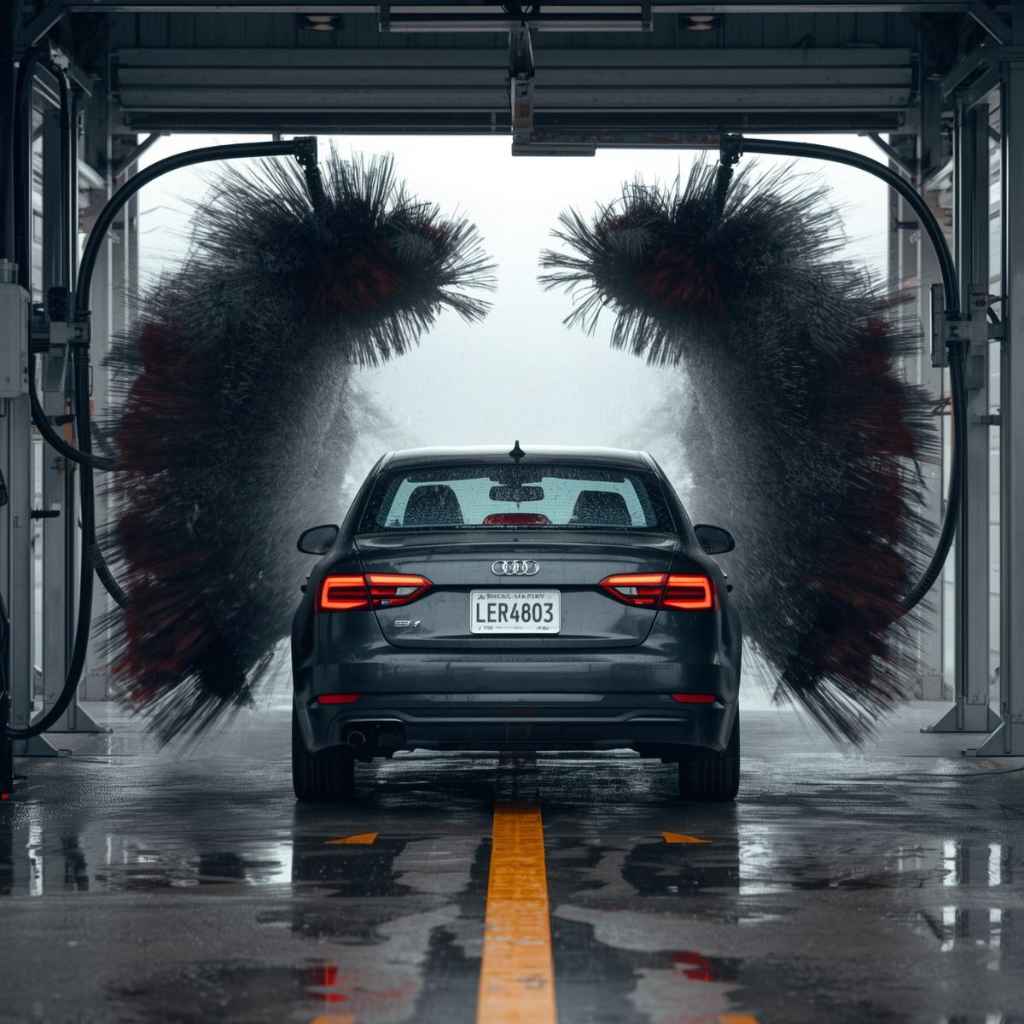
Think about how they work. Your car moves along a track or is pulled through. Giant, soft-looking cloths or foam strips rotate. They sweep over your car’s surface. Water sprays down. Then, hot air blows to dry it. It all seems pretty gentle, right?
But here’s where the details matter. Those brushes, even if they look soft, are in constant contact with thousands of cars. Over time, they can pick up tiny bits of grit and dirt from previous vehicles. Imagine washing your car with a sponge that has sand on it. Not good.
How Brushes Can Cause Swirl Marks
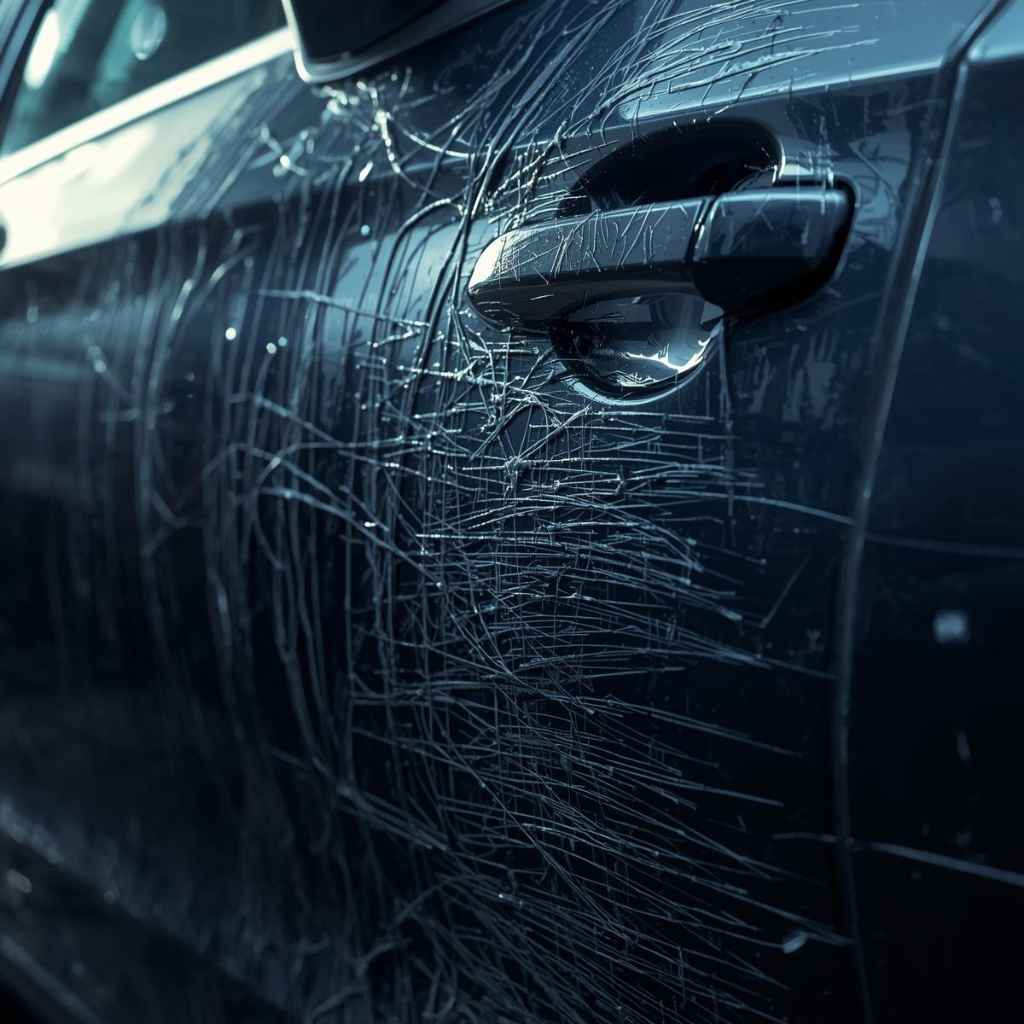
The most common type of damage seen from car washes is what people call “swirl marks.” These are tiny, circular scratches that look like cobwebs on your car’s paint. They show up most on darker colored cars. You see them when the sun hits the paint just right.
These swirls happen because dirt and debris get trapped on the brushes. When the brushes spin against your car, they drag that grit across the paint. This creates those faint, yet annoying, scratches. It’s like using sandpaper, but on a very fine grit.
Some car washes use friction-less methods. These use high-pressure water and special cloths that are designed to be less abrasive. These are generally safer. But even these can have issues if not properly maintained.
My Own Car Wash Scare
I remember one time, a few years back, I was in a real rush. I had a big client meeting, and my car looked like it had gone off-roading. I pulled into a car wash I hadn’t used before. It looked pretty modern, with fancy-looking brushes. I figured, “How bad can it be?”
As my car went through, I watched the brushes spin. They looked quite soft. I felt a little better. But when I got out and the sun hit my hood, I saw it. Faint, but undeniable, swirl marks. They weren’t deep, but they were there. I felt a pang of regret. I had wanted a quick clean, but I got a bit of paint damage instead. That day taught me a lot about how quickly things can go wrong.
The Feeling of Realization
It was that sinking feeling you get when you realize you’ve made a mistake. I had tried to save time, and instead, I had potentially lowered my car’s resale value. It wasn’t a disaster, but it was a clear visual reminder. Every speck of dirt on those brushes could cause trouble.
I resolved to be more careful. I started paying more attention to how car washes operated. I looked at the brushes. I noticed how clean the bays were. It made a difference in my choices.
Car Wash Brush Materials Matter
Foam Brushes: These are often made of a soft, porous material. They are generally considered safer. They tend to trap less grit than other types.
Cloth Strips: Similar to a towel, these are often made of felt or microfiber. The quality and cleanliness are key here.
Bristle Brushes: Some older or cheaper washes use plastic bristles. These are much more likely to scratch paint.
Understanding the Risks: What Can Go Wrong?
It’s not just the brushes that can cause issues. There are other factors at play in a drive-through wash. Understanding these can help you spot a potentially risky situation.
Pre-Soak and Wheel Cleaners
Many washes use strong chemicals. These help break down tough dirt and brake dust. While effective, these chemicals can be harsh. If left on the paint too long or not rinsed properly, they can dull the finish or even damage wax layers.
Water Quality
The water used is also important. If the water isn’t properly filtered or softened, it can leave mineral deposits on your car. This leads to water spots. These spots can etch into the paint if not removed.
Drying Process
Some car washes use large blower fans. These are usually fine. But if the fans blow dust or debris onto your wet car, that dirt can get scraped across the paint when you wipe it down later. Some washes use large cloth drying systems. Again, the cleanliness of these is vital.
Signs of a Potentially Damaging Car Wash
- Dirty-looking brushes: If the brushes appear heavily soiled or matted, dirt is likely trapped.
- Water spots after drying: This could mean the water quality is poor.
- Strong chemical smells: While some are normal, an overpowering chemical odor might suggest harsh products.
- Lack of maintenance: Peeling paint on the equipment or general disrepair can indicate a lack of care.
Real-World Scenarios: When and Where This Happens
Let’s think about the different types of drive-through car washes you might encounter. Each has its own set of potential issues.
The “Quick Wash” Bay
These are the most common. They are usually attached to gas stations. They offer a fast service for a low price. The equipment here is often used by hundreds of cars a day. Maintenance might be less frequent. This is where the risk of scratchy brushes is highest.
The “Tunnel Wash” with Cloths
These tunnels use a variety of cloths and foam. They often have more steps, like undercarriage sprays and wheel blasters. The quality here can vary greatly. A well-maintained tunnel wash with clean cloths is generally much safer than a cheap bristle wash.
Touchless Car Washes
These washes boast no physical contact. They rely solely on high-pressure water and strong detergents. They do not use brushes at all. This eliminates the risk of scratches from dirt on brushes. However, they still use chemicals that can be harsh. Also, if not rinsed well, mineral deposits from the water can be an issue.
What This Means for Your Car’s Paint
So, what does all this mean for the shine and health of your car’s paint? It’s about long-term care.
The Impact of Swirl Marks
Swirl marks aren’t just an eyesore. They actually remove a tiny layer of clear coat. The clear coat is the protective outer layer of your car’s paint. Over time, repeated swirling can weaken this layer. This makes the paint more susceptible to fading, oxidation, and even deeper damage from sun and elements.
Loss of Shine and Depth
A car with swirl marks looks dull. The light doesn’t reflect off the paint as smoothly. The color loses its vibrancy. It looks older and less appealing. This is especially true for darker cars.
Reduced Resale Value
When it’s time to sell or trade in your car, its condition matters. Paint damage, like widespread swirl marks, can significantly lower its value. A buyer will notice the imperfections.
Normal vs. Concerning Paint Issues
Normal: Minor water spots that wipe away easily. Faint dust that can be brushed off. A bit of road grime after a rainy day.
Concerning: Deep scratches that you can feel with your fingernail. Areas where the paint looks faded or discolored. Swirl marks that cover the entire car.
Quick Tips for Protecting Your Car’s Finish
If you still want the convenience of a drive-through wash, there are ways to minimize risk.
Choose Wisely
Look for car washes that clearly advertise their brush types. Foam or cloth washes are generally better than bristle washes. Check reviews online for mentions of paint damage.
Inspect the Equipment
Before you go in, take a quick look. Are the brushes clean? Does the equipment look well-maintained? If it looks run-down, it might be best to skip it.
Consider “Touchless” Washes
If you are very worried about scratches, a touchless wash is a good alternative. Just be aware of the chemical aspect. Ensure they rinse well.
Use the “No-Brush” Option
Some car washes offer a “touchless” or “gentle” option. This usually means they skip the brushes altogether. It might cost a little more, but it can be worth it.
Pre-Rinse Your Car
If your car is heavily covered in mud or sand, consider a quick pre-rinse at home or a self-serve wash bay. This removes the worst of the abrasive material before it hits the machine brushes.
Quick Scan: Car Wash Safety Checklist
Brushes: Foam or clean cloth? Avoid bristles.
Water: Is it clear? No heavy mineral spots after?
Chemicals: Are they overly strong? Proper rinse?
Maintenance: Does it look well-kept?
Option: Is there a touchless or no-brush choice?
What About Washing at Home?
For many car enthusiasts, washing their car at home is the preferred method. This gives them complete control over the process.
The Two-Bucket Method
This is a popular technique. You have one bucket with soapy water and another with clean rinse water. You dip your wash mitt into the soap, wash a section of the car, and then rinse the mitt thoroughly in the clean water before dipping it back into the soap. This prevents grit from being transferred back to the car.
Quality Wash Mitts and Soaps
Using a soft microfiber wash mitt is crucial. Avoid old sponges or rough cloths. Use pH-neutral car wash soap. These are designed to lift dirt without stripping away wax or sealants.
Drying Properly
After washing, use clean, plush microfiber drying towels. Blot the water rather than rubbing. This minimizes the chance of creating scratches.
Home Washing vs. Drive-Through: A Quick Look
Control: Home washing gives full control. Drive-through offers convenience.
Risk: Higher risk of scratches in some drive-throughs. Lower risk at home with proper technique.
Cost: Home washing can be cheaper long-term. Drive-throughs are a set fee per wash.
Time: Drive-throughs are faster. Home washing takes more time.
When Is It Okay to Use a Drive-Through?
Despite the risks, there are times when a drive-through car wash can be a perfectly reasonable option.
Emergency Situations
If you are traveling and your car is covered in mud or salt from winter roads, a quick wash can prevent long-term damage. Safety is also a factor; salt spray can obscure headlights.
Convenience is Key
Sometimes, you just don’t have the time for a proper home wash. On a busy workday, a quick wash might be the only way to keep your car looking presentable.
For Cars That Aren’t Showstoppers
If you have an older car that you use for errands, or a vehicle that you don’t plan on keeping long-term, a little bit of swirling might not be a major concern.
Frequent Questions About Car Wash Scratches
Will a touchless car wash scratch my car?
Touchless car washes do not use brushes, so they eliminate the risk of scratches from debris on brushes. However, they use strong chemicals and high-pressure water. If not rinsed properly, mineral deposits from the water can leave spots.
Always ensure a thorough rinse.
How can I tell if my car has swirl marks?
Swirl marks look like fine, circular scratches. They are most noticeable on dark-colored cars. Shine a bright light on the paint, especially in sunlight.
You will see a pattern resembling cobwebs or tiny circles.
Are all drive-through car washes bad for paint?
No, not all of them are bad. Modern car washes that use soft foam or cloth strips and are well-maintained are generally safe. The risk increases with older, poorly maintained equipment or brushes that are not kept clean.
What is the safest way to wash my car?
The safest method is typically washing your car by hand at home using the two-bucket method, a quality microfiber wash mitt, and proper drying techniques with microfiber towels. This gives you maximum control over the process and prevents grit transfer.
Can a car wash damage my car’s wax or sealant?
Yes, some car washes use harsh chemicals that can strip away wax or sealant layers. This leaves your paint more exposed to the elements. Using pH-neutral soaps and avoiding overly aggressive cleaning agents helps preserve these protective coatings.
What if I have a brand new car? Should I use a drive-through wash?
For a brand new car, it’s generally recommended to be extra cautious. The paint is pristine. Hand washing is the safest option.
If you must use a drive-through, opt for a reputable, well-maintained facility, ideally a touchless one, or one that uses advanced foam or cloth technology.
Final Thoughts on Your Car’s Shine
So, to answer the big question: do drive-through car washes scratch your car? Sometimes, yes, they can. It really depends on the specific wash you choose and how well it’s maintained. Modern foam and cloth washes are much better than old-school bristle brushes. Touchless washes avoid brush scratches but have their own chemical risks.
Ultimately, protecting your car’s paint is about making informed choices. If you value your car’s finish, pay attention to the car wash you use. If you’re worried, a little extra effort at home often provides the best peace of mind. Your car’s paint is a big part of its look and value. Treat it with care!
Products related to this article
Sponsored / affiliate links. As an Amazon Associate I earn from qualifying purchases. I may earn additional commission from eligible campaigns.