Are Hybrid Cars More Expensive to Maintain? Real Cost Data
No — on average, a hybrid car costs less to maintain than a comparable gas-only car. AAA’s 2025 ownership-cost data puts routine hybrid maintenance at roughly $700 to $800 a year, versus about $1,279 a year for a gas-only vehicle, mainly because regenerative braking saves your brake pads and hybrids typically skip an oil change or two a year. The real financial risk isn’t routine service at all — it’s a hybrid battery pack failing after its warranty runs out, which can cost $2,000 to $8,000 to replace depending on the make and model.
That risk is smaller than it sounds. Federal rules require automakers to cover hybrid batteries for at least 8 years or 100,000 miles, and 10 years or 150,000 miles in California and the states that follow its emissions standards — which is most of the country. Most hybrid batteries also outlast that warranty by years, based on repair-shop data from Toyota and Honda’s oldest hybrid fleets.
Below, we break down what routine hybrid maintenance actually costs, when a battery replacement becomes a real risk, how hybrid insurance premiums compare to gas cars, and what you can do to keep your own hybrid’s costs as low as possible.
The Short Answer: What the Data Actually Shows
The confusion around this question usually comes from mixing up two different things: day-to-day maintenance (oil changes, brakes, tires, filters) and the rare, expensive event of a battery replacement. On the first, hybrids consistently come out cheaper. On the second, they carry a real but shrinking risk.
| Vehicle Type | Average Annual Maintenance Cost | Why |
|---|---|---|
| Gas-only car | ~$1,279 | More frequent oil changes, faster brake wear, more moving parts |
| Hybrid car | ~$700–$800 | Regenerative braking, longer oil-change intervals, mature repair network |
| Electric vehicle (EV) | ~$949 | No oil changes, but tires wear faster and repairs need specialized shops |
The one number that skews people’s perception is the hybrid battery. It’s a real cost if it happens outside the warranty window, so we’ll walk through exactly what it costs and how likely it actually is later in this guide.
CATCH PROBLEMS BEFORE THEY GET EXPENSIVE
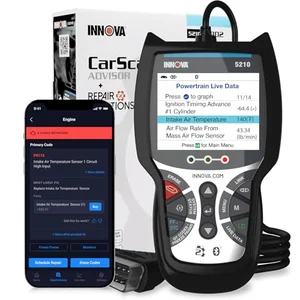 |
Innova 5210 OBD2 Scanner & Battery Tester – $89.99 Since the real hybrid cost risk is a battery problem going unnoticed until it’s a full pack replacement, a scanner that reads live battery data and pulls hybrid system codes early can help you catch a failing cell before it forces a $2,000+ repair.
|
Why Routine Hybrid Maintenance Actually Costs Less
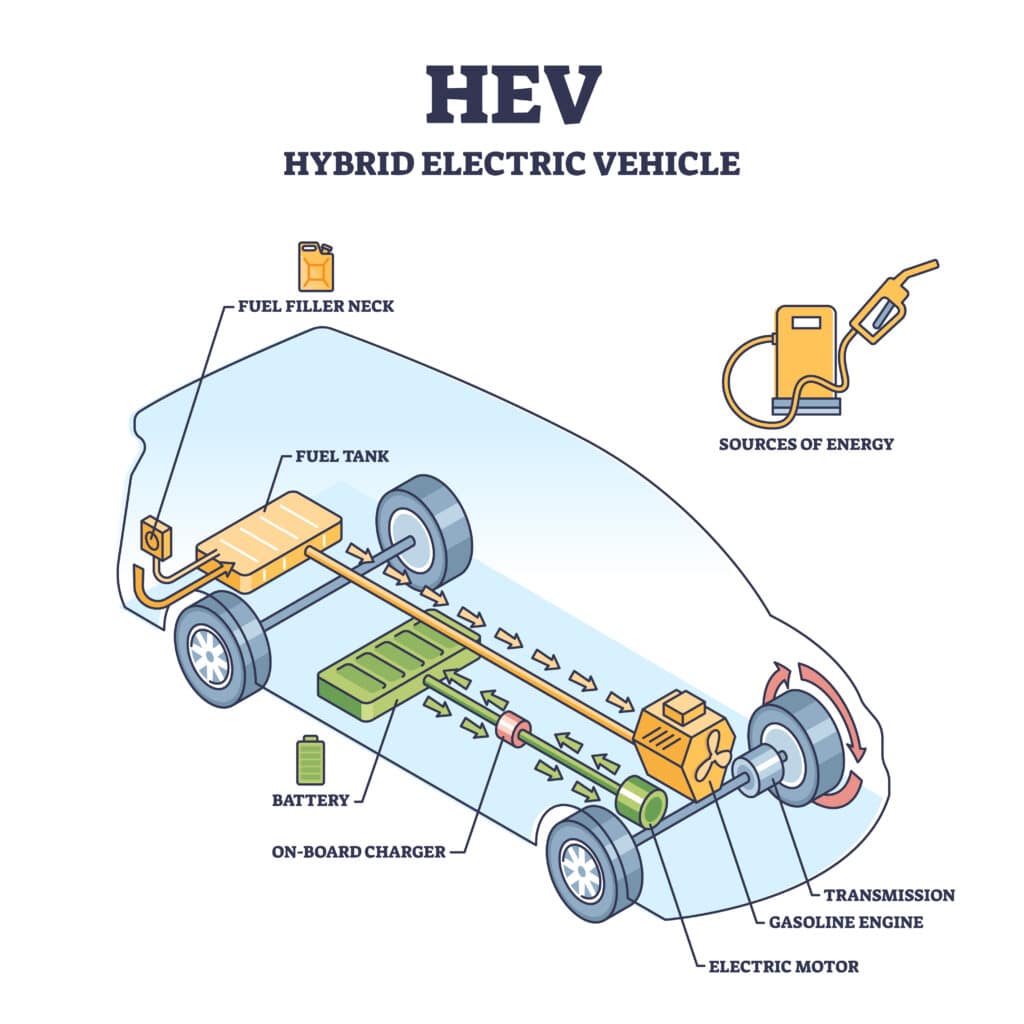
Two things drive the lower routine cost, and both come from how a hybrid’s dual powertrain actually works day to day.
- Brakes last longer. Regenerative braking uses the electric motor to slow the car and recapture energy back into the battery, so the physical brake pads do far less of the stopping work. Many hybrid owners report getting 80,000 to 100,000+ miles out of a set of pads, well beyond the 30,000 to 70,000 miles typical of a gas car.
- Oil changes happen less often. Because the gas engine shuts off during electric-only driving and stop-and-go traffic, it simply runs — and accumulates wear — for fewer total minutes than a gas engine covering the same miles. Most hybrids stretch to 7,500- or 10,000-mile oil-change intervals rather than the 3,000- to 5,000-mile intervals some gas cars still need.
- The repair network has caught up. Toyota, Honda, and Ford hybrids have been on the road for two decades now. Independent shops routinely stock hybrid-compatible parts and train technicians on hybrid systems, which keeps routine labor costs close to what you’d pay for a comparable gas car.
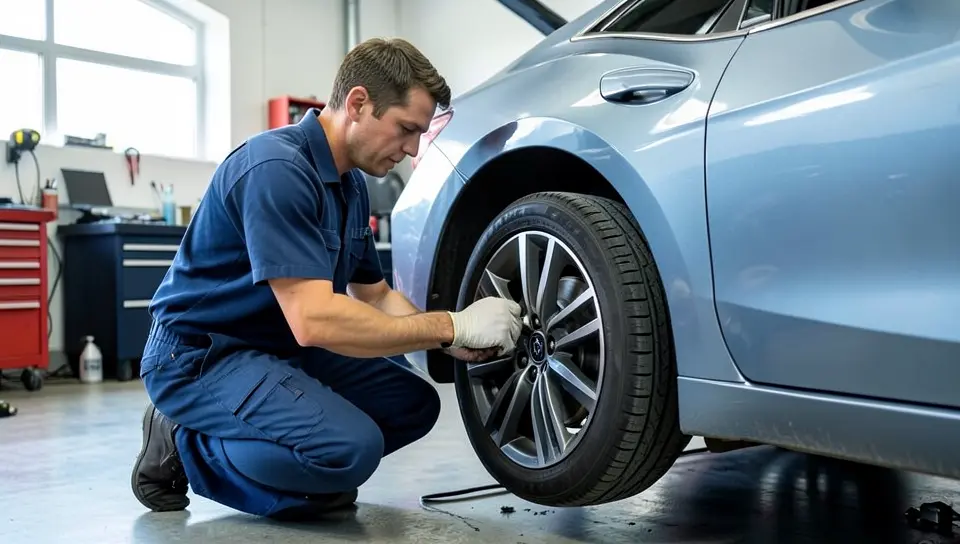
None of this means a hybrid needs zero attention. Tire rotations, cabin air filters, coolant for the hybrid battery’s cooling loop, and 12-volt accessory battery checks are still on the schedule — they’re just not meaningfully more expensive than on a gas car.
The Real Risk: Hybrid Battery Replacement Cost
This is the one hybrid-specific cost that can genuinely be expensive, so it’s worth understanding in detail rather than treating it as a vague scare number.
| Battery Type | Typical Cost Installed | Notes |
|---|---|---|
| New OEM battery | $3,000–$8,000 | Highest cost; comes with a manufacturer warranty on the new pack |
| Remanufactured/reconditioned | $1,500–$3,500 | Rebuilt with tested cells; a common middle-ground choice |
| Used/salvage battery | $800–$2,500 | Cheapest option; condition and remaining life vary by seller |
A few things affect where you land in that range. Older nickel-metal hydride (NiMH) packs, used in most hybrids built before roughly 2016, are generally cheaper to replace than the newer lithium-ion packs in most current hybrids. Vehicle size matters too — a compact car like a Prius usually costs less than a larger hybrid SUV, partly because bigger vehicles take more labor hours to service.
The good news is that this bill rarely lands on the original owner. Federal law requires at least an 8-year/100,000-mile hybrid battery warranty, and California’s emissions rules — which around a dozen other states also follow — push that to 10 years/150,000 miles. Real-world data from high-mileage Toyota and Honda hybrid taxi and rideshare fleets shows many original hybrid batteries lasting 150,000 to 200,000+ miles before any issue, well past the warranty period in a lot of cases.
Are Hybrid Cars More Expensive to Insure?
Yes, but the gap is smaller than most people expect. Hybrids typically cost around 6% more per year to insure than an equivalent gas car — noticeably less of a premium than fully electric vehicles carry. The main reasons are higher sticker prices, hybrid-specific parts that cost more to source and repair, and a smaller pool of technicians certified to work on hybrid electrical systems.
That average hides a wide range, though. A mainstream hybrid like a Toyota RAV4 Hybrid or Camry Hybrid often prices out close to its gas-only equivalent, since parts and labor costs are similar and the vehicle isn’t unusually expensive to begin with. Luxury hybrids skew the overall average higher, since their parts and labor costs are already elevated before you factor in the hybrid components.
The best way to see the real difference for your situation is to get a quote on the exact hybrid model you’re considering, rather than relying on an industry-wide average — the spread between models is large enough that a generic percentage can be misleading either direction.
How to Keep Hybrid Maintenance Costs Low
Most of the cost difference between a well-maintained hybrid and a surprise repair bill comes down to a handful of habits.
- Keep every service record. Warranty claims on a hybrid battery are far easier when you can show a documented maintenance history, and it also protects your resale value.
- Don’t ignore the 12-volt accessory battery. Hybrids still use a small conventional 12-volt battery to power accessories and start the system, and a dead one is one of the most common reasons a hybrid won’t start — it’s a $100–$200 fix, not a $3,000 one, but only if you catch it.
- Watch for a check-hybrid-system warning light. Getting a diagnostic scan the same week a warning light appears, instead of waiting, is often the difference between a $200 sensor or software fix and a much larger repair down the line.
- Ask about hybrid battery coolant. Many hybrid battery packs have their own small cooling system that needs periodic service — it’s an easy item to miss since it isn’t part of the main engine cooling system.
- Buy used hybrids with a battery health check in hand. If you’re shopping for a used hybrid outside its original warranty window, a pre-purchase inspection that specifically tests battery capacity is worth the extra cost before you buy.
Frequently Asked Questions
Are Hybrid Cars More Expensive to Maintain Than Gas Cars?
No, not on routine maintenance. AAA’s 2025 data puts average annual hybrid maintenance around $700 to $800, compared to roughly $1,279 for a gas-only car, mainly thanks to less brake wear and longer oil-change intervals. The one real risk is a battery replacement outside of warranty, which can cost $2,000 to $8,000, but most hybrid batteries last well beyond their warranty period.
How Much Does a Hybrid Battery Replacement Cost?
Expect $2,000 to $8,000 depending on the vehicle, battery type, and whether you choose new, remanufactured, or used. A dealership job with a new OEM battery typically runs $2,500 to $5,500 including labor, while a remanufactured or used pack can bring that down to $800 to $3,500.
Do Hybrid Cars Need Oil Changes?
Yes, hybrids still have a gasoline engine that needs regular oil changes, but they typically go longer between changes than a comparable gas car — often 7,500 to 10,000 miles instead of 3,000 to 5,000 — because the engine runs for fewer total minutes on a given trip.
Are Hybrid Cars More Expensive to Insure?
Usually, yes, but only by a modest amount — hybrids average around 6% higher premiums than equivalent gas cars, mainly due to pricier parts and specialized repair labor. Mainstream hybrids like a RAV4 Hybrid or Camry Hybrid often price close to their gas counterparts; luxury hybrids see a bigger gap.
How Long Do Hybrid Batteries Typically Last?
Most manufacturers warranty hybrid batteries for at least 8 years or 100,000 miles, and 10 years or 150,000 miles in California and the states that follow its rules. In practice, real-world hybrid taxi and rideshare fleets have shown many original batteries lasting 150,000 to 200,000-plus miles.
Do Hybrid Cars Break Down More Often Than Gas Cars?
No. Hybrids from established manufacturers have a strong reliability track record, and having two power sources (gas engine and electric motor) can actually mean the car has some built-in redundancy. Regular maintenance and prompt attention to warning lights keep that reliability intact.
Conclusion
For most owners, a hybrid costs less to maintain than a gas car year to year — lighter brake wear and longer oil-change intervals add up. The trade-off is a bigger, though shrinking, risk: a battery replacement outside of warranty that can run into the thousands. Buy within or close to the warranty period, keep up with routine service, and don’t ignore warning lights, and the odds are strongly in favor of a hybrid actually saving you money over the years you own it.
Weigh both the routine savings and the battery risk against your own budget and how long you plan to keep the car — that combination, not a single number, is what actually determines whether a hybrid is cheaper to own for you.
Products related to this article
Sponsored / affiliate links. As an Amazon Associate I earn from qualifying purchases. I may earn additional commission from eligible campaigns.