Are Right Hand Drive Cars Legal? Proven Guide
Yes, right-hand drive (RHD) cars are legal to own and drive in many countries, including certain parts of the United States, but laws vary significantly by state and country. This guide clarifies RHD legality and what you need to know.
It’s a common sight on roads around the world: cars with the steering wheel on the right side. But when you’re in a country like the United States where most cars have the steering wheel on the left (LHD), you might wonder, “Are right-hand drive cars even legal here?” It can cause a bit of confusion, especially if you’re considering importing one or encountering them on your travels. The good news is, it’s not as complicated as it might seem. We’ll walk you through the legalities and what you need to know to drive one with confidence.
Understanding Right-Hand Drive (RHD) Cars
A right-hand drive (RHD) car is simply a vehicle where the driver sits on the right side of the car. This is the standard in countries that drive on the left side of the road, such as the United Kingdom, Australia, Japan, India, and many others. In contrast, left-hand drive (LHD) cars, where the driver sits on the left, are standard in countries that drive on the right side of the road, like the United States, Canada, and most of Europe.
The placement of the steering wheel is designed for optimal visibility and control when driving on a particular side of the road. In RHD vehicles driving on the left, the driver is closer to the center line of the road, offering a better view of oncoming traffic when overtaking. Conversely, in LHD vehicles driving on the right, the driver is closer to the shoulder, providing a better view of the curb and the edge of the road.
Legality of RHD Cars in the United States
The question “Are right hand drive cars legal in the US?” has a nuanced answer. Generally, yes, owning and driving an RHD vehicle in the United States is legal, thanks to federal regulations and varying state laws. However, there are specific conditions and exceptions that drivers must be aware of.
At the federal level, the U.S. Department of Transportation (DOT) does not ban RHD vehicles. The primary concerns for vehicle legality revolve around safety standards and emissions. For vehicles manufactured for the U.S. market, compliance with Federal Motor Vehicle Safety Standards (FMVSS) is paramount. For imported vehicles, especially older ones, exceptions can apply.
Importing RHD Vehicles
Many RHD vehicles seen in the US are imported, often from countries like Japan (where many performance and enthusiast vehicles are produced with RHD configurations). A key piece of legislation governing vehicle imports is the Vehicles Imported from Countries Other Than Canada rule by the National Highway Traffic Safety Administration (NHTSA). This rule states that vehicles that are at least 25 years old (based on the date of manufacture) are exempt from FMVSS requirements that were in place when they were manufactured. This “25-year rule” is why many classic Japanese RHD imports become legal for import and road use in the US after their 25th birthday.
Vehicles newer than 25 years can only be legally imported if they are proven by a Registered Importer (RI) to meet all applicable FMVSS. This is a complex and often expensive process, making it less common for newer RHD vehicles to be legally on US roads unless they were originally manufactured for the US market but in an RHD configuration (which is rare).
State-by-State Variations
While federal law sets a baseline, individual US states have their own regulations regarding vehicle registration, inspection, and the operation of RHD vehicles. Most states permit RHD vehicles if they are properly registered and meet safety standards. However, some states might have stricter rules, particularly concerning visibility and the ability for the driver to safely navigate American roads, which are designed for LHD traffic.
It’s crucial to understand your specific state’s Department of Motor Vehicles (DMV) or equivalent agency’s rules. Registration and insurance are generally obtainable for legally imported and compliant RHD vehicles.
Driving an RHD Vehicle in an LHD Country: Considerations
Driving an RHD car in a left-hand traffic nation is natural. However, piloting an RHD car on the right side of the road presents unique challenges and requires careful attention to ensure safety. Md Meraj’s practical advice focuses on making this transition as smooth and secure as possible for any driver.
Visibility and Overtaking
The main challenge with driving an RHD car in an LHD country is visibility, particularly when overtaking. Since the driver is on the opposite side of the vehicle from the center of the road, judging gaps in oncoming traffic or seeing past slower vehicles can be more difficult. This requires heightened situational awareness and a willingness to adjust your driving habits.
To help with this, RHD drivers should:
- Utilize mirrors extensively: Your side mirrors and rearview mirror are critical for assessing traffic around you.
- Be patient: Don’t feel pressured to overtake if you’re not completely confident it’s safe. Wait for a clear opportunity.
- Consider mirror extensions: For some vehicles, particularly older ones or those with narrow mirror housings, aftermarket mirror extensions can expand your field of vision.
- Use a spotter: When first getting used to the car, especially in residential areas or on less busy roads, having a passenger assist by spotting for you can be invaluable.
- Understand road markings: Pay close attention to lane markings. They are your primary guides for staying in your lane and understanding traffic flow.
Intersections and Turnabouts
Navigating intersections and roundabouts (turnabouts) can also be tricky. In an RHD car on the right side of the road, you’ll be approaching intersections from the opposite side compared to LHD drivers. This means you’ll be controlling the vehicle from the lane that is traditionally the oncoming lane in an LHD country.
Key points for intersections:
- Right turns: Turning right onto a road with multiple lanes requires you to cross lanes of traffic, similar to how left turns work in LHD countries. Always check traffic in all lanes.
- Left turns: Making a left turn across traffic will feel like a right turn in an LHD country. You’ll be crossing the lanes that are moving with you, rather than oncoming traffic.
- Roundabouts: In right-hand traffic, you enter roundabouts by yielding to traffic coming from your left. With an RHD car, you’ll be positioned on the right side of the roundabout lane, which can feel counter-intuitive if you’re used to being on the left side of the lane.
Headlights and Vision
An important technical consideration for RHD vehicles used in LHD countries is headlight alignment. Most headlights are designed to direct a beam of light towards the edge of the road. In an RHD car driving on the right, this alignment would incorrectly shine light into oncoming drivers’ eyes. Many RHD cars have adjustable headlights, or specific conversion kits are available to ensure your headlights comply with local regulations and don’t blind other drivers. Always verify this before driving at night. You can often find resources in automotive blogs or forums specific to your car model on how to adjust them, or consult a mechanic.
The Federal Motor Carrier Safety Administration (FMCSA) outlines basic driver responsibilities that apply regardless of steering wheel position, emphasizing safe operation and adherence to traffic laws.
For example, understanding the nuances of traffic signal placement and road signage is crucial. While signs are typically placed to be visible to drivers in the correct lane, you need to be extra attentive.
Tools and Adjustments for RHD Operations
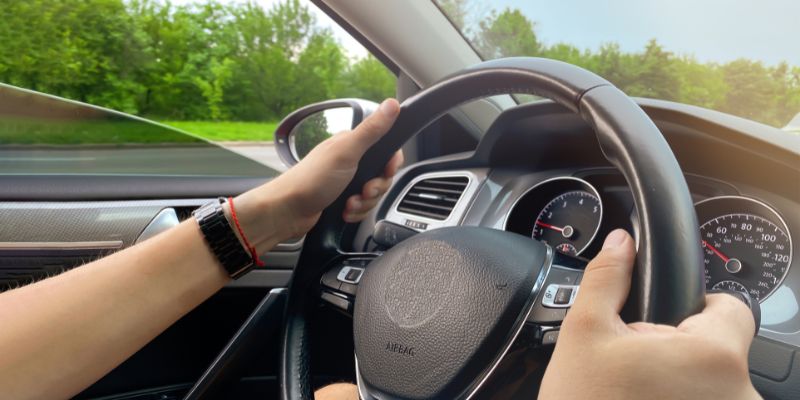
To make driving an RHD car in an LHD country safer and more legal, some minor adjustments might be necessary. These aren’t typically complex; they’re more about ensuring you have the best possible view and adherence to rules.
Essential Items and Checks:
- Headlight Adjustment Kit/Covers: As mentioned, this is vital for nighttime driving. Many headlights have a small lever or dial to switch between RHD and LHD patterns. If not, adhesive covers are readily available.
- Aftermarket Mirrors: While not always necessary, clip-on or suction-cup mirrors can be attached to your existing mirrors to provide a wider angle of vision.
- Traffic Wand: For initial practice or in less populated areas, a traffic wand can help a passenger or friend guide you.
- Vehicle Manual: Always consult your car’s owner’s manual. It will often detail specific adjustments for lighting, mirrors, or other features.
Customization Options:
While extensive modifications are usually not required, some owners opt for specific RHD-to-LHD driving tools:
- Steering Column Extensions: Very rarely, and usually for specific automotive events or specialized use, people consider steering column modifications. This is complex, expensive, and likely to impact street legality if not done by a certified professional to FMVSS standards. It’s generally unnecessary for recreational driving.
- Pedal Extensions: Similarly, pedal extensions are more for comfort and ergonomics, allowing the driver to reach the pedals more naturally from the right side.
The National Highway Traffic Safety Administration (NHTSA) often publishes guidelines on safe automotive practices, which indirectly support the need for adaptations that ensure a driver’s visibility and control.
RHD vs. LHD: A Comparison Table
To help clarify the differences and challenges, here’s a comparison of driving an RHD car in an LHD country versus the other way around:
| Feature | RHD Car in LHD Country (e.g., US) | LHD Car in RHD Country (e.g., UK) |
|---|---|---|
| Steering Wheel Position | Right | Left |
| Driving Side | Right (Standard in US) | Left (Standard in UK) |
| Primary Challenge | Reduced visibility for overtaking, navigating intersections. | Reduced visibility for overtaking, navigating intersections. |
| Night Driving Consideration | Headlights may need adjustment to avoid blinding oncoming LHD traffic. | Headlights may need adjustment to avoid blinding oncoming RHD traffic. |
| Common Adaptation | Headlight conversion/covers, wider mirrors. | Headlight conversion/covers, wider mirrors. |
| Legal Acceptance | Generally legal if registered and meets state/federal standards (especially if 25+ years old). | Generally legal if registered and meets local standards. |
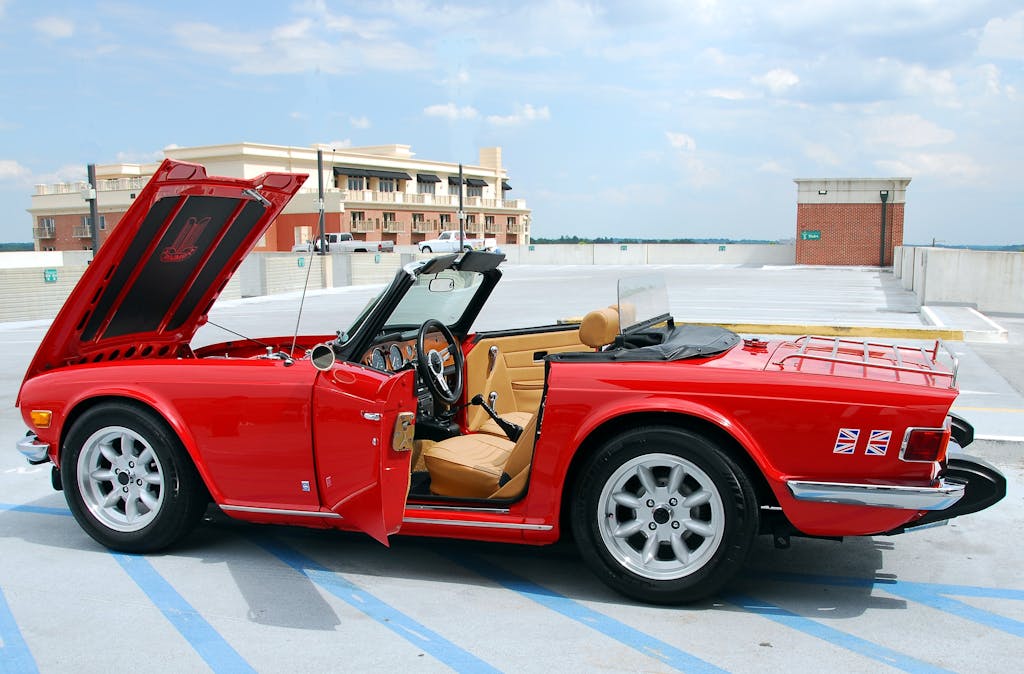
| Common Vehicles | JDM imports (Nissan Skyline, Toyota Supra), Mini Coopers, British sports cars. | American muscle cars, most European cars, Japanese domestics. |
Pros and Cons of Owning an RHD Vehicle
Owning an RHD car in an LHD country can be a unique experience. Here’s a look at the advantages and disadvantages:
Pros:
- Unique Appeal: RHD cars often have a distinct style and heritage, especially popular JDM (Japanese Domestic Market) or classic British models.
- Enthusiast Market: Many sought-after performance or enthusiast vehicles are primarily produced in RHD.
- Conversation Starter: Driving a unique vehicle can be a fun talking point.
- Potential Value: Well-maintained and rare RHD models can hold or increase in value.
Cons:
- Driving Adjustments: Requires significant adaptation to visibility and common driving maneuvers.
- Maintenance and Parts: Sourcing parts and finding mechanics familiar with RHD-specific vehicles can sometimes be more challenging and costly.
- Insurance: While not always the case, some insurance companies may charge higher premiums due to the perceived higher risk or uniqueness of RHD vehicles.
- Resale Market: The pool of potential buyers for an RHD vehicle in an LHD country is smaller, which can affect resale value and speed.
- Visibility Concerns: Even with adjustments, visibility can remain a persistent concern for some drivers.
Frequently Asked Questions (FAQ)
Are RHD cars legal to import into the US?
Yes, RHD cars can be imported into the US, particularly if they are 25 years or older from their manufacture date, which exempts them from federal safety standards. Newer RHD vehicles require a complex process to prove compliance with US safety standards.
Do I need a special license to drive an RHD car in the US?
No, you do not need a special license. Your standard US driver’s license is sufficient. However, you must be comfortable and proficient driving an RHD vehicle.
Are RHD cars legal in all US states?
While RHD cars are generally legal, some states may have specific registration or inspection requirements. It’s always best to check with your state’s DMV for exact regulations regarding RHD vehicle operation.
How do I adjust my headlights for RHD in an LHD country?
Many car headlights have an adjustment switch or lever. If not, you can purchase adhesive headlight covers designed to block the upward beam. Consult your car’s manual or a mechanic.
Is it safe to drive an RHD car on the right side of the road?
It can be safe, but it requires adaptation and increased awareness. Focus on mirror usage, patience when overtaking, and understanding visual cues from road markings and other vehicles.
Can I get insurance for an RHD car in the US?
Yes, you can typically get insurance for an RHD car, provided it is legally registered. However, premiums may vary. Shop around to find a provider comfortable with RHD vehicles.
What are the most common RHD cars imported into the US?
Popular RHD imports include Japanese Domestic Market (JDM) vehicles like the Nissan Skyline GT-R, Toyota Supra, Mazda RX-7, Mitsubishi Lancer Evolution, and classic British cars like older Mini Coopers and Jaguar E-Types.
Conclusion
So, to answer the question directly: yes, right-hand drive cars are legal in the US, with the most common path to legality being through the 25-year import rule for vehicles that are at least 25 years old. While driving an RHD vehicle on the right side of the road presents unique challenges, these can be overcome with careful attention, practice, and necessary adjustments like headlight alignment.
By understanding the legal framework, being mindful of visibility, and taking precautions, embracing the distinct driving experience of an RHD car can be a rewarding venture for enthusiasts and everyday drivers alike. Always prioritize safety and consult your local authorities for the most current and specific regulations in your area.