Cabin Air Filter vs Engine Air Filter: Which to Replace First
Check the cabin air filter first if vents smell stale, airflow is weak, or the glass fogs fast. Check the engine air filter first if acceleration feels lazy or fuel use rises. Checking the wrong filter burns time, fixes nothing, and can leave the blower or engine still working too hard. This guide shows where each filter sits, which symptoms point to which one, and how often to replace them.
This guide is part of our Car cooling and climate control guide series.
What is cabin air filter vs engine air filter?
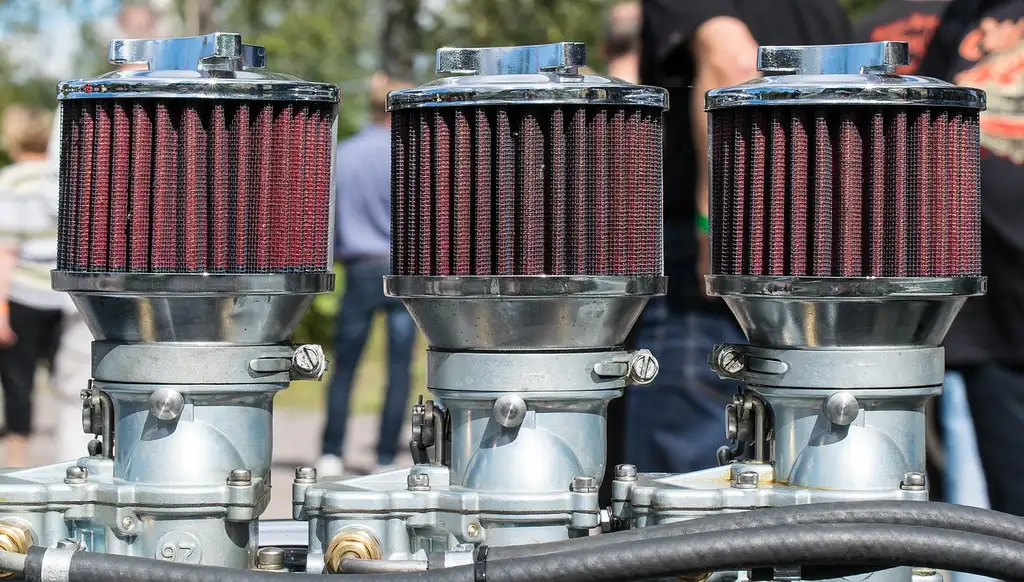

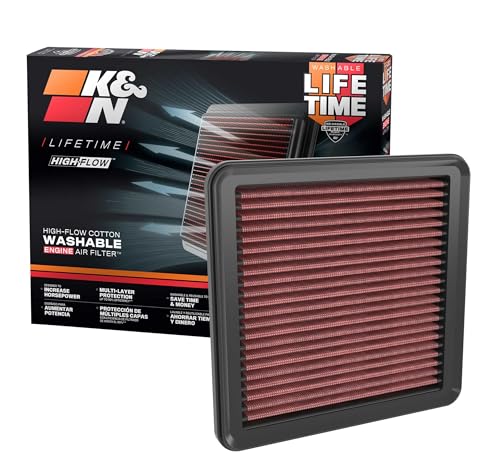

The short answer: the cabin air filter cleans the air entering the passenger compartment, while the engine air filter cleans the intake air going to the engine. They are both fibrous air filters, but they protect different systems, live in different places, and fail in different ways.
The engine air filter sits under the hood in the airbox near the intake system. The cabin air filter is usually behind the glovebox or under the passenger-side dashboard. That location difference matters because it changes access time, replacement effort, and what symptom shows up first.
Where each filter lives and how to spot it
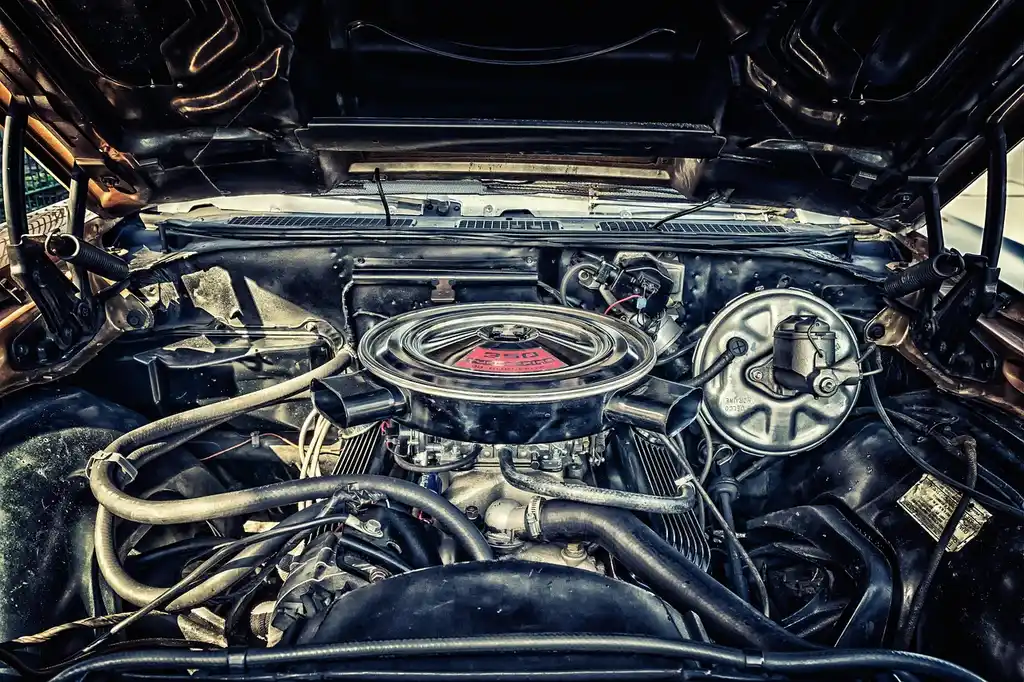
The engine air filter is usually tucked into a sealed plastic airbox under the hood, close to the intake path. The cabin air filter is usually reached from the glovebox access point or a panel under the dashboard, and the exact route varies by vehicle.
The airbox is easy to spot once the hood is open. It is the plastic housing that holds the engine air filter and keeps intake air routed through the element before it reaches the engine. Cabin filters are more variable. Some need a glovebox drop, some use a small side panel, and some are awkward enough that the owner’s manual is the only reliable map.
Vehicle-specific exceptions
Some models make the cabin filter a five-minute job. Others bury it behind trim, a brace, or a cramped glovebox hinge. Engine filters are usually simpler, but a few vehicles use a sealed airbox that adds steps and can turn a quick check into a longer service.
That is why the owner’s manual is the best place to find the exact location and service interval. It gives the factory route, not a guess from memory.
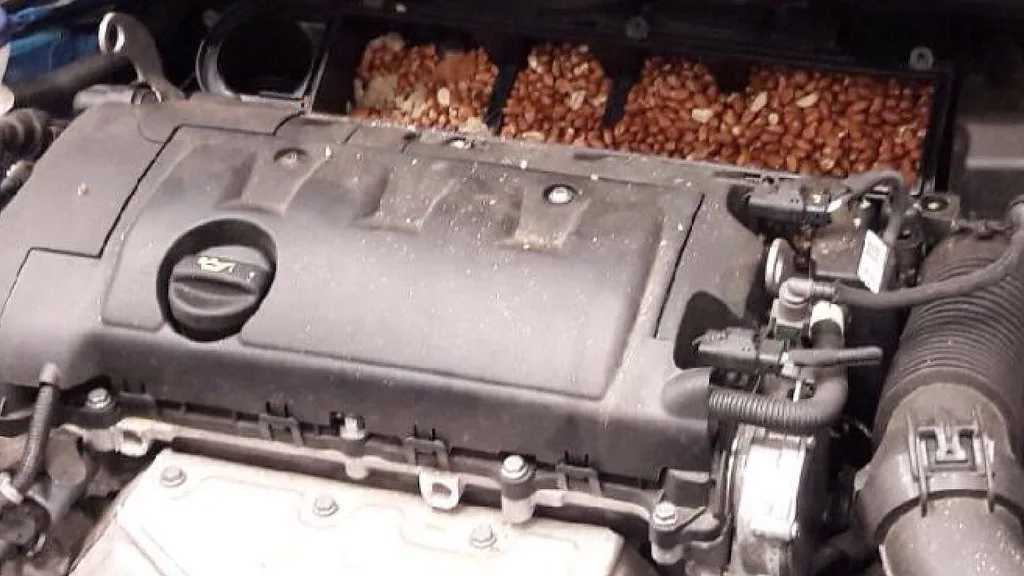
Cabin air filter vs engine air filter: side-by-side comparison
These filters are not interchangeable. The cabin filter helps protect passenger air quality and the HVAC evaporator coil, while the engine filter helps protect engine hardware from abrasive grit wear and has to handle strong vacuum suction. If the symptom is inside the car, start with the cabin side. If the symptom is under load, start with the engine side.
| Decision factor | Cabin Air Filter | Engine Air Filter | Winner |
|---|---|---|---|
| Main job | Protects passenger air quality and the HVAC evaporator coil | Protects engine internals from dirt and debris | Tie |
| Typical interval | 12,000 to 15,000 miles, or about once a year | 15,000 to 30,000 miles | Engine Air Filter |
| Common symptom when clogged | Weak airflow from vents and musty smells | Sluggish acceleration and reduced fuel economy | Tie |
| Access and labor | Often behind the glovebox or under the dashboard; access varies | Usually in the airbox under the hood; often simpler to inspect | Engine Air Filter |
| Best use case | Pollen, smoke, dust, odor complaints, and HVAC airflow issues | Road dust, debris, intake restriction, and performance complaints | Tie |
Main job
The cabin filter is about breathing comfort and odor control inside the car. The engine filter is about clean intake air and keeping abrasive grit away from engine hardware. Different systems. Different failure signs.
Typical interval
Cabin filters generally need attention more often, at 12,000 to 15,000 miles. Engine filters usually last longer at 15,000 to 30,000 miles. That is the first hint that the cabin side often gets priority for annual service, while the engine side may stretch farther on clean roads.
Common symptom when clogged
Weak vent airflow and a musty smell point toward the cabin filter. Sluggish acceleration and lower fuel economy point toward the engine filter. If both symptoms are present, both filters deserve a look.
Access and labor
The engine filter is usually easier to inspect because the airbox sits under the hood. The cabin filter can take longer because the glovebox access point or under-dash location may require more disassembly. That extra labor is why it can make sense to replace both at the same visit when both are due.
Which symptoms point to the cabin filter or the engine filter?
Weak airflow, musty smell, or a blower motor that sounds louder than usual usually points to the cabin filter. Sluggish acceleration, reduced fuel economy, or the feeling that the engine cannot breathe freely usually points to the engine filter. If symptoms overlap, inspect both before buying parts.
The HVAC blower motor pushes air through the cabin filter. When that filter is restricted, the blower may sound louder because it is working against more resistance, yet less air reaches the vents. On the engine side, a clogged filter can choke intake flow enough to dull throttle response and trim economy.
Failure cases that mimic each other
Weak airflow is not always a bad cabin filter. A tired blower motor, a blocked cabin duct, or an HVAC door fault can also cut airflow. Likewise, lazy acceleration is not always an air filter issue; ignition, fueling, and transmission complaints can look similar. The filter check is still a fast first step because it is cheap and visual.
How often should each filter be replaced?
Check the owner’s manual first, then adjust for driving conditions. As a general service guide, cabin filters are generally replaced every 12,000 to 15,000 miles, while engine air filters can be replaced every 15,000 to 30,000 miles. Dusty roads, heavy pollen, urban stop-and-go use, and wildfire smoke shorten cabin filter life fastest.
Engine filters can also age sooner on gravel roads, construction routes, and other dirty intake conditions. A sealed or well-placed airbox may help, but it does not stop the filter from loading up when the vehicle lives in dirt. The right interval is the one that matches the car’s actual environment, not a one-size-fits-all sticker interval.
Driving profile priority
Heavy pollen and smoke exposure push the cabin filter to the front of the line. Loose dirt, road debris, and dusty shoulders push the engine filter up next. If the car sees both, replace the cabin filter on time and inspect the engine filter at the same service.
Choose Cabin Air Filter if… / Choose Engine Air Filter if…
Choose the cabin air filter first when the complaint is inside-the-car airflow, odor, fogging, or allergies. Choose the engine air filter first when the complaint is sluggish response or lower fuel economy. If both filters are near their interval, replacing both together can avoid a second visit and duplicate labor on vehicles with awkward access.
Choose the cabin air filter if…
- The vents smell stale or musty.
- Airflow from the dash vents is weak even with the fan turned up.
- The blower motor seems louder than normal but the cabin stays under-ventilated.
- The car has seen lots of pollen, smoke, dust, or urban stop-and-go use.
Choose the engine air filter if…
- Acceleration feels dull or hesitant.
- Fuel economy has slipped and other causes are less likely.
- The vehicle has spent time on dusty roads or around road debris.
- The filter interval in the owner’s manual is due or overdue.
Cabin air filter vs engine air filter cost
Buying one filter is usually cheaper than buying both, but the real cost question is labor and repeat effort. If the cabin filter is tucked behind a glovebox access point and the engine filter is in a simple airbox, doing both at the same time can save a second round of tools, time, and checkout hassle.
That said, the least expensive move is not always the smartest one. If the symptom points cleanly to one filter, replace that one first. If both are due by mileage or by dirty driving conditions, replacing both together usually makes more sense than splitting the job.
Cost comparison in practice
Competitors often leave this part vague. A useful rule is simple: one service visit, one set of labor steps, one cleanup. When both filters are overdue, the extra part cost is often easier to justify than a second trip later.
Decision table and annual checklist you can print
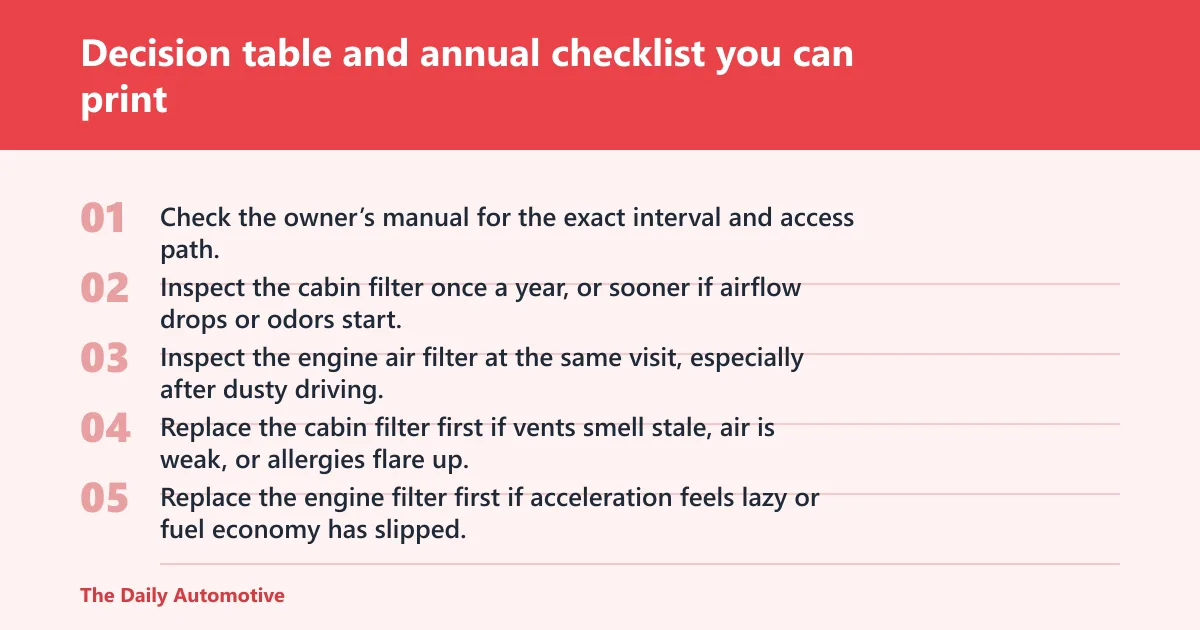
This one-page guide maps the symptom to the likely filter, the common location, the typical interval, and the next step. It is meant for home use, quick triage, and deciding what to inspect before buying parts.
| Symptom or situation | Likely filter location | Typical interval | Likely next step |
|---|---|---|---|
| Weak airflow, musty smell, or fogging glass | Behind the glovebox or under the dashboard | 12,000 to 15,000 miles or about once a year | Inspect and likely replace the cabin air filter first |
| Sluggish acceleration or reduced fuel economy | Airbox under the hood near the intake | 15,000 to 30,000 miles | Inspect and likely replace the engine air filter first |
| Pollen, smoke, dust, or city grime exposure | Cabin filter and engine filter both worth checking | Cabin side usually wears sooner | Inspect both; cabin filter often gets priority |
| Dusty roads, gravel shoulders, or construction routes | Airbox under the hood | Engine filter may need earlier attention | Check engine filter and service as needed |
| Repeated odor complaint with decent engine performance | HVAC inlet path and glovebox access point | Cabin filter due sooner | Replace cabin filter; consider activated carbon cabin filter |
Simple two-filter annual maintenance checklist
- Check the owner’s manual for the exact interval and access path.
- Inspect the cabin filter once a year, or sooner if airflow drops or odors start.
- Inspect the engine air filter at the same visit, especially after dusty driving.
- Replace the cabin filter first if vents smell stale, air is weak, or allergies flare up.
- Replace the engine filter first if acceleration feels lazy or fuel economy has slipped.
- Replace both together when both are dirty or both intervals are due.
- Write down mileage and date so the next check is easy.
Notes for buyers
Activated carbon cabin filters are common in mid-tier and premium cabin filters. That odor-adsorbing layer can help with smoke and exhaust smell, but it is generally not used in engine air filters. If odor control matters, the cabin side is where that upgrade belongs.
How to replace cabin air filter and engine air filter
The basic idea is simple: open the access point, remove the old filter, check for dirt or leaf debris, then install the new filter in the correct orientation. The exact steps vary by vehicle, and the owner’s manual is still the best map for location and direction.
Cabin filter replacement
Most cabin filters are reached behind the glovebox or under the passenger-side dash. The glovebox may need to be dropped, or a side panel may need to come off. If the blower motor has been running loud, inspect the filter and the duct opening for debris before closing everything up.
Engine filter replacement
The engine filter usually sits in the airbox under the hood. Release the airbox clips or fasteners, lift the cover, and make sure the filter seats cleanly in the housing. On sealed or tight layouts, the access may take longer than expected, so plan for extra time.
Engine air filter vs cabin air filter vs oil filter
The engine air filter and cabin air filter are both air filters, but they do different jobs in different systems. The oil filter is a separate part entirely; it cleans engine oil, not intake air. Mixing those jobs up leads to wrong purchases and wrong maintenance choices. (en.wikipedia.org)
If the problem is ventilation, think cabin filter. If the problem is engine breathing, think engine air filter. If the problem is oil contamination or lubrication service, that is an oil filter conversation, not an air filter one.
Frequently asked questions
What is cabin air filter vs engine air filter?
The cabin air filter cleans air for the passenger compartment and HVAC system, while the engine air filter cleans intake air for the engine. They look similar, but they sit in different places and protect different parts of the vehicle. A dirty one will cause very different symptoms from the other.
Is cabin filter same as air filter?
Not exactly. A cabin filter is one type of air filter, but in normal car talk, “air filter” often means the engine air filter. That shorthand causes confusion. The cabin filter handles air going to the interior, while the engine air filter handles air going into the intake system.
Are cabin and engine air filters the same?
No. The cabin air filter is usually behind the glovebox or under the dashboard, and the engine air filter is usually in the airbox under the hood. They trap different contaminants, follow different replacement intervals, and solve different symptoms. Treating them as the same part leads to wrong diagnosis.
Engine air filter vs cabin air filter
Choose the engine air filter when the problem is performance or fuel economy, because a clogged engine air filter can cause sluggish acceleration and reduced fuel economy. Choose the cabin air filter when the problem is weak vent airflow or musty smells. The symptom usually points to the right side.
Cabin filter vs air filter car
In car shops, “air filter” often means the engine air filter, while “cabin filter” means the filter for the HVAC inlet. That language split is why people buy the wrong part. If the complaint is inside the car, start with the cabin filter. If it is under the hood, start with the engine filter.
How often should cabin air filter and engine air filter be replaced?
Cabin air filters are generally replaced every 12,000 to 15,000 miles. Engine air filters can be replaced every 15,000 to 30,000 miles. The owner’s manual gives the factory interval, and dusty roads, pollen, smoke, or rough pavement can shorten it.
Products related to this article
Sponsored / affiliate links. As an Amazon Associate I earn from qualifying purchases. I may earn additional commission from eligible campaigns.